
What Type of Human Hair Is Best for Wigs and Extensions?
The best type of human hair for wigs and extensions is typically virgin or Remy hair, known for its natural texture, durability, and minimal processing. Virgin hair has not been chemically treated or dyed, preserving the cuticle layer intact, while Remy hair maintains all cuticles in the same direction to reduce tangling and extend longevity. Choosing one of these types ensures the highest quality and most natural appearance.
Understanding the differences among popular human hair types helps when investing in wigs or extensions. Virgin hair offers the most longevity and styling versatility, while Remy hair provides balance between quality and affordability. Lesser-quality hair, like non-Remy or synthetic blends, often tangles and wears poorly, leading to frustration and added costs over time.
This guide breaks down the characteristics of key human hair types, including virgin, Remy, and non-Remy hair. It reviews how to identify quality hair, maintenance tips to prolong lifespan, and offers comparisons to help you select the best human hair for extensions or wigs that meet your needs and budget.
Understanding Different Types of Human Hair
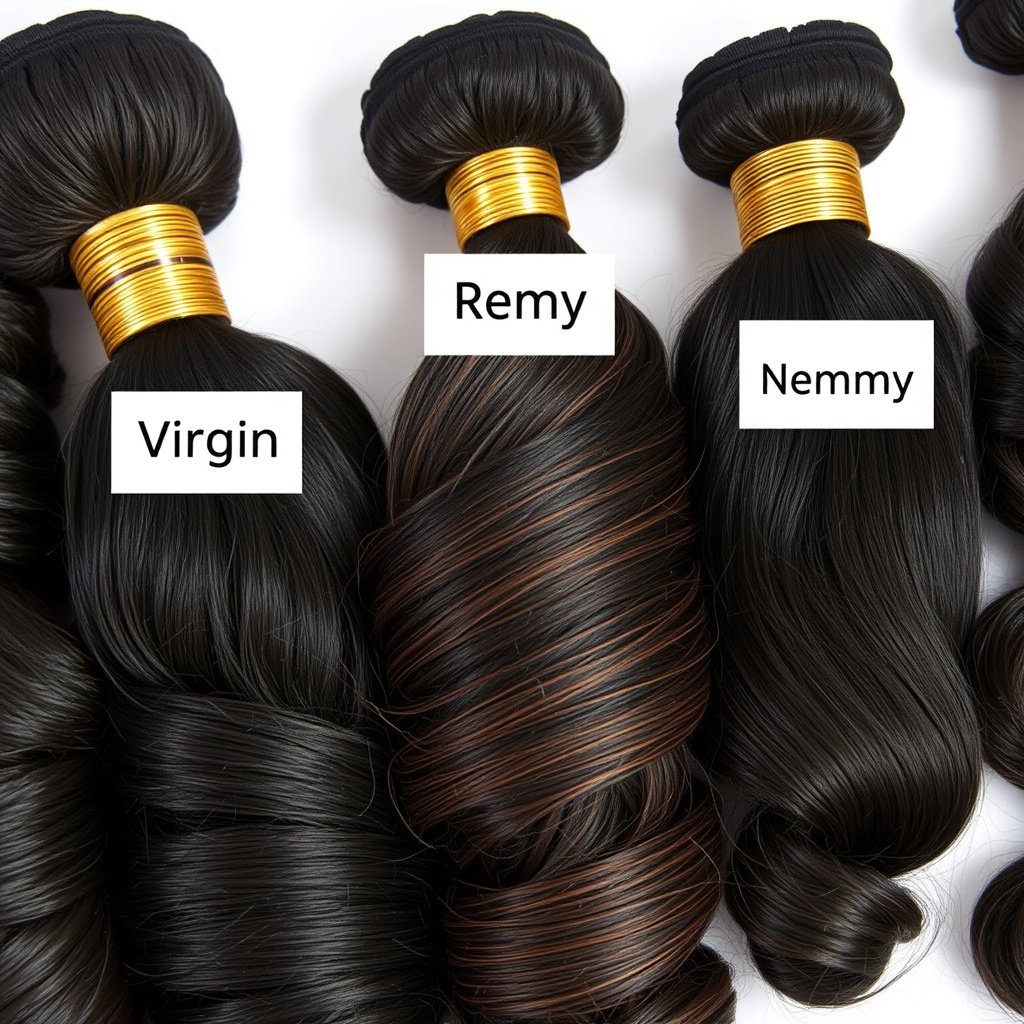
Virgin Hair: The Purest Form
Virgin hair refers to hair that has never undergone any chemical processing such as coloring, perming, or relaxing. Because it retains its cuticle intact and aligned, virgin hair offers superior strength, softness, and natural shine. It is often sourced from a single donor, maintaining uniformity in texture and appearance.
This purity allows for extensive styling options, including dyeing and heat treatments without significant damage. However, virgin hair tends to be more expensive due to its limited availability and the care taken in sourcing. It is ideal for individuals wanting natural looks combined with long-term durability.
- Unprocessed and untreated
- Cuticles aligned in one direction
- Allows for diverse styling
- Higher price point
Remy Hair: Quality and Affordability
Remy hair maintains the cuticle layer intact and aligned in one direction but might have undergone some processing such as gentle washing or minimal color correction. Unlike non-Remy hair, the aligned cuticles prevent tangling and extend the life of the extensions or wigs.
Remy hair offers a good balance between quality and cost, making it a popular choice for those seeking natural appearance without paying premium virgin hair prices. It’s recommended for everyday wear because of its manageable texture and relatively long lifespan.
- Cuticles in uniform direction
- Some minimal processing allowed
- Less prone to tangling
- Moderate price range
Non-Remy Hair and Synthetic Alternatives
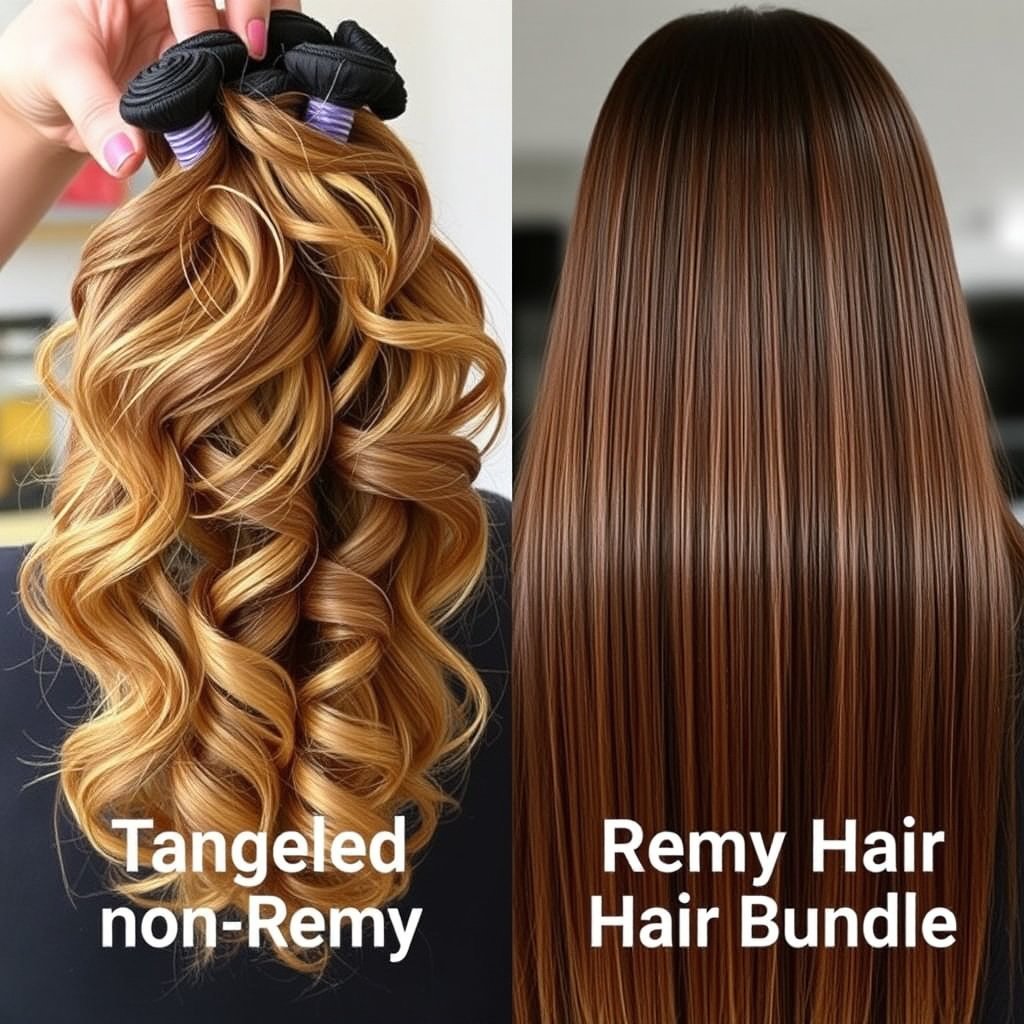
Non-Remy Hair: Challenges to Consider
Non-Remy hair has cuticles that run in multiple directions, causing frequent tangling and matting. This hair is often collected from multiple sources and lacks quality consistency, resulting in shorter lifespan and more maintenance requirements.
It is usually chemically treated heavily to mask flaws, which can reduce hair strength and natural appearance. Choosing non-Remy hair might be tempting due to low upfront cost, but users often face frustration and more frequent replacement needs.
- Cuticles not aligned
- Tangles easily
- Lower longevity
- Inexpensive but less durable
For more on this, see our related guide: Which Human Hair Bundles Are Best for Your Style and Budget.
Synthetic Hair: Convenience with Trade-Offs
Synthetic hair is made from various plastic fibers and simulates natural hair texture. It is typically much cheaper than human hair and requires less maintenance, but it cannot be styled with heat or dyed, limiting versatility.
While modern synthetic fibers can look realistic, they lack the softness, natural movement, and durability of human hair. Synthetic options suit casual or short-term use but don’t compare to virgin or Remy hair for longevity and styling freedom.
- Non-human fibers
- Limited to low-maintenance styles
- No heat styling or coloring
- Affordable but short-term
Identifying Quality Human Hair

Visual and Tactile Quality Indicators
High-quality human hair appears shiny but not overly glossy or plastic-like and feels smooth without excessive dryness or frizz. Consistent thickness from root to tip and absence of split ends indicate good hair health.
Additionally, quality hair will have a natural bounce and softness that synthetic or damaged hair cannot replicate. Running your fingers through the strands without tangling is a positive sign, pointing toward virgin or Remy hair types.
- Natural shine, not artificial gloss
- Smooth texture without dryness
- No split ends
- Minimal tangling
Smell and Source Verification
Authentic human hair usually has a natural, mild scent, unlike synthetic fibers which can smell of chemicals. Purchasing from reputable suppliers that provide sourcing transparency helps confirm whether hair is virgin, Remy, or otherwise.
Requesting certificates or testing methods such as cuticle microscopy can verify claims of hair type and origin. Reliable sellers also provide detailed care instructions, further signaling authentic high-quality human hair products.
- Mild, natural scent
- Verified sourcing
- Authenticity certificates
- Supplier transparency
Maintenance Tips to Extend Hair Lifespan
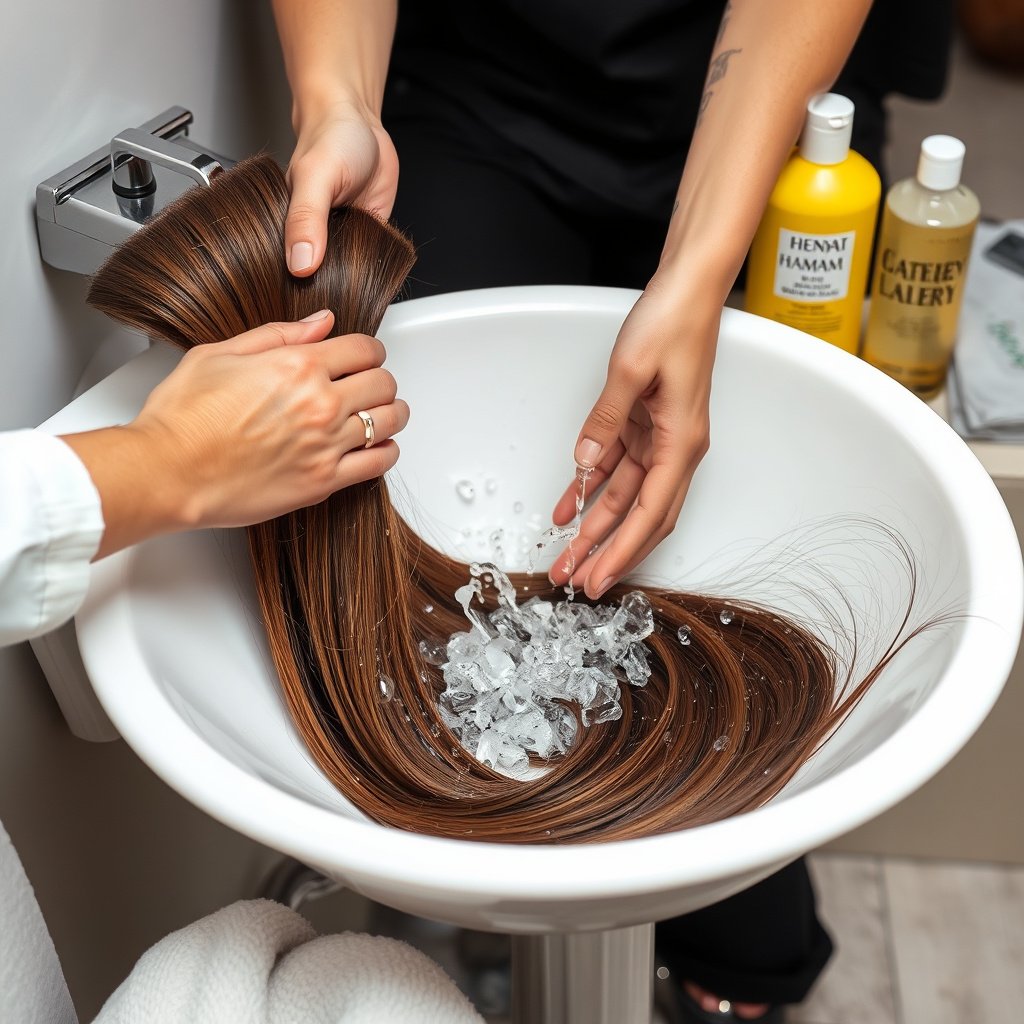
Proper Washing and Conditioning
Washing human hair regularly with sulfate-free shampoos and deep conditioning helps maintain softness and hydration. Avoid overwashing to prevent stripping natural oils, and always rinse with cool water to seal the cuticles.
Using leave-in conditioners and serums designed for human hair also keeps strands smooth and reduces tangling. Proper drying methods like air drying or using cool heat settings preserve integrity.
- Use gentle, sulfate-free shampoos
- Deep condition frequently
- Avoid hot water rinses
- Air dry or cool heat only
For more on this, see our related guide: How Long Do Human Hair Extensions Last? A Complete Guide.
Styling and Storage Recommendations
Heat styling should be limited and done with quality heat protectants to avoid damage. When not worn, store hair extensions or wigs in breathable bags or on appropriate stands to preserve shape and moisture.
Detangle carefully with wide-tooth combs, starting from the tips upward. Regularly trimming split ends also improves overall look and longevity. Consistent gentle care significantly extends the life of virgin and Remy hair.
- Minimize heat styling
- Use heat protectants
- Store properly on stands or bags
- Detangle gently with wide-tooth combs
Choosing the Best Human Hair for Your Needs
Matching Hair Type to Lifestyle
Consider your styling habits, budget, and desired longevity when selecting hair type. Virgin hair suits those seeking long-term usage with frequent styling changes, while Remy hair is a solid option for everyday wearers wanting easy manageability.
If the hair is for short-term events or budget constraints dominate, non-Remy or synthetic options might suffice. Understanding your priorities guides selecting the best human hair that aligns with your lifestyle.
For more detailed information on human hair characteristics, check out this resource on human hair quality standards. human hair quality standards.
Budget and Value Considerations
While virgin hair costs the most upfront, the durability often offsets replacement expenses in the long run. Remy hair offers a balance with moderate pricing and good wear quality. Cheaper non-Remy hair may require frequent replacements, increasing total spending.
Assessing overall value rather than just initial cost prevents buyer’s remorse. Prioritize trusted sellers and hair types with positive reviews to gain the most satisfaction and enjoyment from your investment.
Comparison of Human Hair Types for Wigs and Extensions
Here is a quick overview comparing the main human hair categories by key features, cost, and maintenance.
| Hair Type | Cuticle Alignment | Styling Flexibility | Lifespan | Average Cost |
|---|---|---|---|---|
| Virgin Hair | Aligned and intact | High — can dye, heat style | 12-24 months | High |
| Remy Hair | Aligned | Moderate — few styling limitations | 8-12 months | Moderate |
| Non-Remy Hair | Misaligned | Low — tangles easily | 3-6 months | Low |
| Synthetic Hair | N/A | Very low — no heat or dye | 1-3 months | Very low |
Frequently Asked Questions
How can I tell if human hair is virgin or Remy?
Virgin hair is unprocessed and always maintains cuticles in one direction with no chemical treatment, while Remy hair has aligned cuticles but might have some minimal processing. Vetting suppliers and inspecting hair condition can help identification.
Is Remy hair better than virgin hair?
Virgin hair is generally higher quality and less processed than Remy hair, but Remy hair is a more affordable option that still maintains good cuticle alignment and styling versatility suitable for most users.
Can I dye virgin human hair extensions?
Yes, virgin hair is ideal for dyeing since it has not been chemically treated and the cuticles remain intact, allowing for good color absorption and minimal damage when done properly.
How often should I wash human hair extensions?
Washing every 7-14 days with gentle, sulfate-free products is recommended to keep extensions clean without stripping natural oils or drying out the hair.
Are synthetic hair extensions a good alternative to human hair?
Synthetic hair can be a budget-friendly and low-maintenance option for short-term or occasional wear but lacks the natural look, feel, and styling options of human hair.
Key Takeaways
- Virgin and Remy human hair offer the best quality for longevity and styling.
- Non-Remy hair is cheaper but tangles easily and lacks durability.
- Proper maintenance extends the life of your human hair extensions or wigs.
- Selecting hair depends on budget, usage frequency, and styling needs.
Conclusion
Choosing the best type of human hair requires balancing quality, styling flexibility, and budget. Virgin hair remains the top choice for those wanting the most natural look and long-term durability due to its unprocessed state and intact cuticles. Remy hair strikes a reasonable middle ground, offering aligned cuticles and decent lifespan at more accessible prices. Understanding exactly how these hair types differ helps avoid costly mistakes when investing in wigs or extensions.
If you style frequently and want to dye or heat-treat your hair extensions, opting for virgin hair will provide the most consistent results and lasting health. For daily wear with minimal fuss, Remy hair is dependable and saves money upfront. Non-Remy and synthetic options suit short-term or budget-focused users but often sacrifice lifespan and natural appearance. Matching your hair choice with your lifestyle and maintenance willingness ensures satisfaction.
Before purchase, verify supplier reputation and product authenticity, and plan for a consistent maintenance routine to protect your investment. With this knowledge in hand, you can confidently select the best human hair for extensions or wigs that align with your beauty goals and deliver a natural, stunning finish every time.
One Comment