How to Store Wigs Properly: A Complete Guide to Maintaining Their Shape and Longevity
Storing wigs properly is essential for maintaining their shape, texture, and overall lifespan. To store wigs correctly, always clean and detangle them first, then place them on a wig stand or mannequin head to hold their form. Alternatively, soft storage bags designed for wigs can also be used to protect them from dust and damage.
Wigs are delicate pieces that can become tangled, misshapen, or even damaged if stored carelessly. Improper storage may cause fibers to frizz or lose their style, making them harder to wear and manage later. Whether your wig is synthetic or human hair, treating it with care after use is as important as the styling process itself.
This article covers essential storage techniques for wigs, different storage options, maintenance tips during storage, and advice tailored to various wig materials and styles. Following these guidelines will help keep your wigs looking fresh and ready to wear whenever you need them.
Preparing Your Wig for Storage
Cleaning and Detangling Before Storage
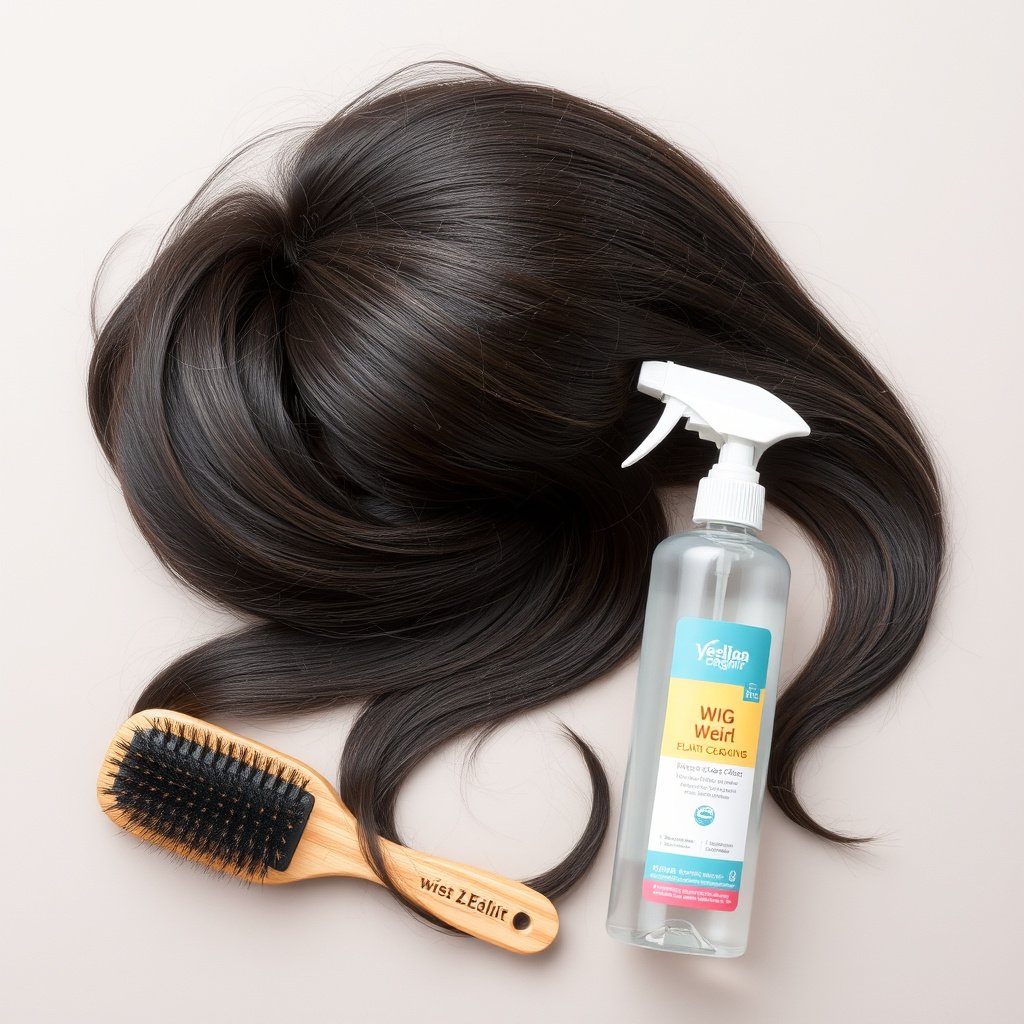
Before storing, gently brush your wig with a wig brush or wide-tooth comb to remove any tangles or knots. If the wig has accumulated dirt or oils, wash it according to the manufacturer’s instructions using wig-specific shampoos and conditioners. Allow it to dry completely to avoid mildew or odor build-up when stored.
Proper cleaning and detangling prevent damage during storage and keep the fibers smooth. Avoid rough handling when brushing to maintain the original texture, especially if the wig is synthetic. For human hair wigs, extra care with gentle products ensures the fibers staying soft and manageable.
- Use wig shampoo and conditioner
- Brush gently with wig brush
- Allow full air drying before storage
Securing and Styling for Storage
Once clean and dry, style your wig loosely before storage. If the wig has curls, you may want to pin them in place with soft clips or hairpins to maintain the shape. Avoid tight styling or using heat before storing, as this can stress wig fibers over time.
Securing the style prevents unnecessary frizz or flattening during storage. Some prefer to lightly spray with wig-friendly styling products to hold the style without stiffening fibers, allowing for easier wear later on.
- Pin curls softly
- Avoid tight hairstyles
- Use wig-safe light hairspray if desired
Storage Methods and Materials for Wigs

Using Wig Stands and Mannequin Heads
Wig stands and mannequin heads are ideal for preserving the shape of wigs during storage. They provide support similar to how the wig sits on your head, preventing creases or flattening. These structures are usually made from foam, plastic, or canvas.
If space permits, store your wig on a stand or mannequin immediately after use. This method allows air circulation around the fibers, reducing moisture buildup. Cover the wig with a hair net or silk scarf to protect it from dust while still keeping the shape intact.
- Choose a stand matching your wig size
- Cover with hair net or scarf
- Place away from direct sunlight
Soft Storage Options: Bags and Boxes
When storage space is limited, soft bags or boxes designed specifically for wigs can be used. These materials protect wigs from dust, dirt, and insects. Ideally, the bag should be breathable, like cotton or mesh, to prevent moisture accumulation.
Before placing your wig in a bag or box, insert it loosely to preserve volume and avoid squashing the fibers. Avoid plastic bags as they trap moisture and may cause mildew. Using acid-free tissue paper inside the box can help maintain the style and cushion the wig.
- Select breathable fabric bags
- Stuff wig loosely
- Avoid plastic to prevent moisture
Storing Different Types of Wigs

Storing Synthetic Wigs Properly
Synthetic wigs require storage methods that prevent heat exposure, which can melt or warp the fibers. Keep synthetic wigs away from heat sources and direct sunlight when storing, and avoid heat styling before storage to preserve fiber integrity.
Using a wig stand is best for synthetic wigs as it keeps fibers from tangling or flattening. If storing in a bag, choose one that allows airflow and avoid compressing the wig to retain the synthetic fibers’ shape and shine.
- Avoid heat exposure
- Store on wig stand
- Use breathable bags if needed
For more on this, see our related guide: What Type of Human Hair Is Best for Wigs and Extensions?.
Storing Human Hair Wigs Properly
Human hair wigs can be treated like natural hair but still benefit from careful storage. After washing and styling, store on a mannequin head to maintain shape and allow airflow. Human hair wigs may also benefit from occasional conditioning treatments during extended storage.
When human hair wigs are stored in soft bags, ensure they are completely dry and lightly styled to avoid tangling. Keeping the wig away from moisture and dust helps maintain its longevity and natural look.
- Store on mannequin head
- Condition before extended storage
- Keep dry and dust-free
Environmental Factors Affecting Wig Storage

Temperature and Humidity Control
Wigs should be stored in stable environments with moderate temperature and low humidity. Excess heat can damage wig fibers or cause adhesives in lace front wigs to degrade. High humidity encourages mold or mildew growth and makes wigs smell unpleasant.
Aim for a cool, dry room away from heating vents and bathrooms. Using dehumidifiers or silica packets in wig storage spaces can help control moisture and protect wigs over long-term storage.
- Avoid heat sources
- Keep humidity under 50%
- Use silica packets to absorb moisture
Protecting Wigs From Light and Dust
Excessive exposure to sunlight causes color fading in both synthetic and human hair wigs. Dust accumulation can make wigs look dull and damage the fibers. Keeping wigs in closed or covered storage protects them from these environmental effects.
Use breathable covers like silk or cotton scarves over stored wigs, or store in sealed boxes for infrequent use. Regularly dust storage areas to keep the environment clean and wig-friendly.
- Avoid direct sunlight
- Cover wigs while stored
- Keep storage area clean
Maintaining Wigs During Extended Storage Periods

Periodic Checks and Re-styling
If wigs are stored for several weeks or months, periodically check and gently restyle them to prevent tangling or fiber damage. Brushing lightly and fixing any flattened areas helps maintain the original look and comfort for later use.
For long-term stored wigs, light reconditioning can refresh fibers and extend their lifespan. Avoid aggressive styling tools or products that could degrade fibers after storage.
- Inspect every 2-4 weeks
- Light brush and restyle
- Use conditioning sprays sparingly
For more on this, see our related guide: Can You Curl a Synthetic Wig? Essential Tips for Styling Synthetic Wigs.
Avoiding Common Storage Mistakes
Common errors include storing wigs while wet, using plastic bags, or leaving wigs exposed to dust and sunlight. These mistakes accelerate fiber breakage, frizz, and make wigs harder to wear.
Proper preparation and storage eliminate these risks. Always let wigs dry completely, use appropriate containers, and provide gentle support for wigs to retain their shape and condition.
- Never store wet wigs
- Avoid airtight plastic bags
- Support wig shape fully
Tips for Traveling With Wigs
Choosing Portable Storage Solutions
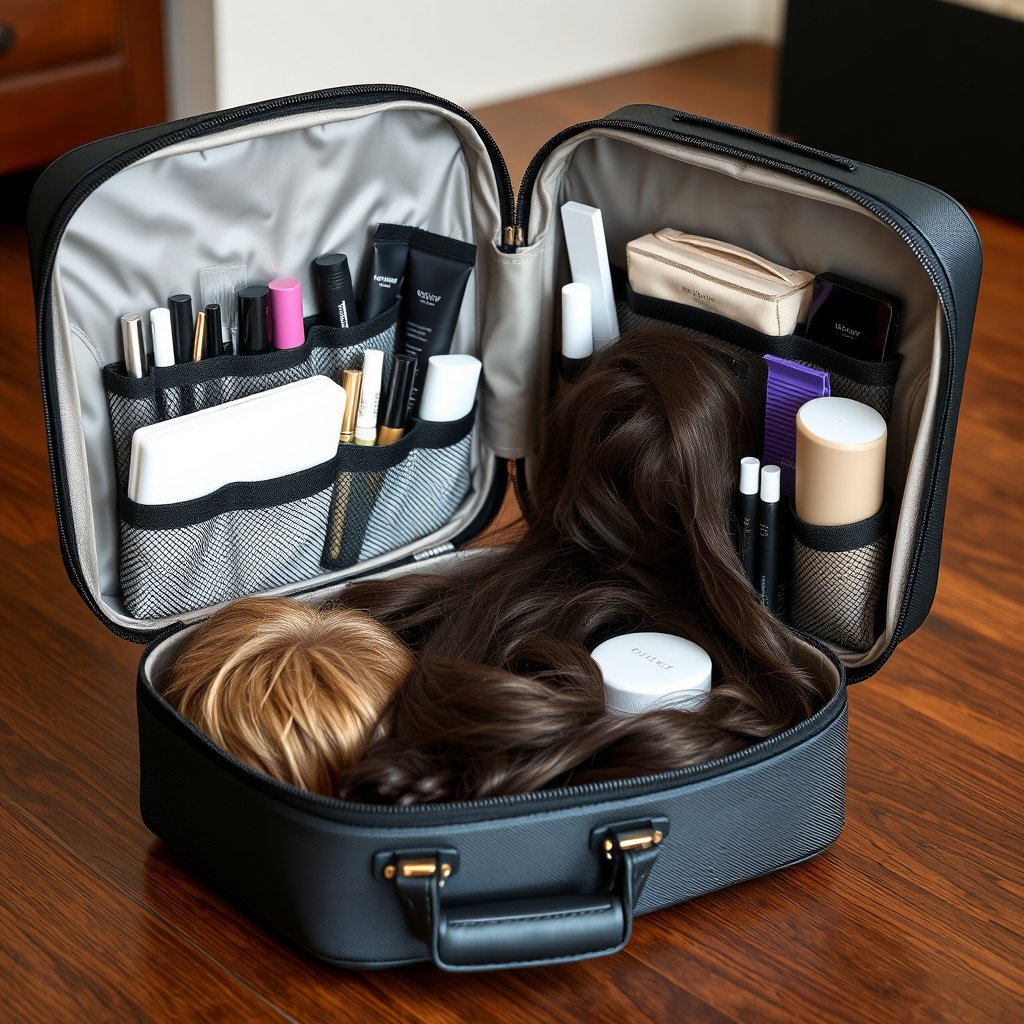
When traveling, compact wig cases or silicone-lined travel bags offer lightweight, protective storage that prevents damage. These solutions keep wigs secure and minimize creasing in luggage.
Pick cases with internal support such as foam heads or inserts to maintain wig shape. Prioritize breathable materials to avoid moisture buildup on the go.
- Use compact portable wig case
- Choose breathable materials
- Include support inserts for shape
For additional detailed guidance on wig care, see the wig care guidelines on Wikipedia. Wig care guidelines on Wikipedia.
Prepping Wigs for Travel
Before packing, ensure wigs are clean, completely dry, and detangled. Restyle gently for easy touch-ups in your destination. Secure loose strands or curls with hairpins or nets to minimize tangling during transit.
Labeling your travel wig case can help keep organized, especially if carrying multiple wigs. Bring a small brush or styling spray for quick adjustments after unpacking.
- Clean and dry thoroughly
- Use hairnets to secure style
- Bring small styling tools
Wig Storage Options Category Comparison
This table compares various wig storage options based on preservation, space needs, and cost to help you pick the best method for your needs.
| Storage Type | Shape Preservation | Space Requirement | Cost | Breathability |
|---|---|---|---|---|
| Wig Stand | Excellent | High (requires space) | Moderate | High |
| Mannequin Head | Excellent | High (bulky) | High | High |
| Soft Storage Bag | Good | Low (compact) | Low | Moderate |
| Storage Box with Tissue | Good | Medium | Low to Moderate | Moderate |
| Plastic Bag | Poor | Low | Very Low | Low |
Frequently Asked Questions
Can I store my wig while it is still damp?
Storing a damp wig can cause mildew and unpleasant odors. Always ensure your wig is completely dry before storage to maintain hygiene and fiber integrity.
How often should I restyle wigs stored for long periods?
Check and gently restyle wigs every 2 to 4 weeks during long-term storage to prevent tangling and maintain their shape.
Is it better to store synthetic or human hair wigs on a stand?
Both synthetic and human hair wigs benefit from being stored on stands or mannequins to preserve their shape and prevent fiber damage.
Why should I avoid storing wigs in plastic bags?
Plastic bags trap moisture and restrict airflow, promoting mildew growth and fiber deterioration. Breathable storage options are safer for wig health.
What is the best environment for wig storage?
A cool, dry, dust-free environment away from direct sunlight is ideal for storing wigs to avoid fading, moisture damage, and fiber wear.
Key Takeaways
- Always clean and dry wigs before storage to prevent damage.
- Use wig stands or mannequin heads for best shape preservation.
- Avoid plastic bags; choose breathable storage options instead.
- Store wigs in a cool, dry, and dust-free environment.
Conclusion
Choosing the right way to store wigs requires balancing protection, space, and the type of wig you have. Proper preparation with cleaning and detangling, combined with the right storage method—whether on a wig stand for daily use or in a breathable bag for travel—helps maintain your wig’s longevity and appearance.
For everyday or frequent users, storing wigs on a wig stand or mannequin head is ideal to keep the hairstyle intact and allow ventilation. Those with limited space or who travel often may find soft storage bags or travel cases more practical. Synthetic wigs need extra protection from heat, while human hair wigs benefit from occasional conditioning during storage.
Ultimately, the best approach is the one that suits your lifestyle and wig type while following these practical storage tips. Preparing your wig carefully before storage and protecting it from damaging environments will keep it looking fresh and wearable, ready to complement your style whenever you choose.