Can You Curl a Synthetic Wig? Essential Tips for Styling Synthetic Wigs
Yes, you can curl a synthetic wig, but it requires careful handling since synthetic fibers behave differently than natural hair. Using heat on synthetic wigs depends on the fiber type—some heat-friendly synthetics allow curling with low heat, while others will melt or get damaged. To curl a synthetic wig safely, opt for heatless methods like rollers or use styling tools designed for heat-resistant fibers.
Synthetic wigs are made from various fibers such as Kanekalon, Toyokalon, or heat-friendly blends, each reacting uniquely to styling techniques. Unlike human hair wigs, synthetic types often cannot tolerate high temperatures without deforming. Curling synthetic wigs enhances their volume and style versatility, especially for those who want a particular look without investing in human hair. Understanding your wig’s fiber type is key to maintaining its look and durability.
This article explores how to curl synthetic wigs safely with or without heat, details on heat-friendly synthetic fibers, methods to avoid damage, recommendations for curling products, and maintenance tips that prolong the life of your styled synthetic wig. You'll also find answers to common questions and a comparison of curling options.
Understanding Synthetic Wig Fibers and Heat Compatibility
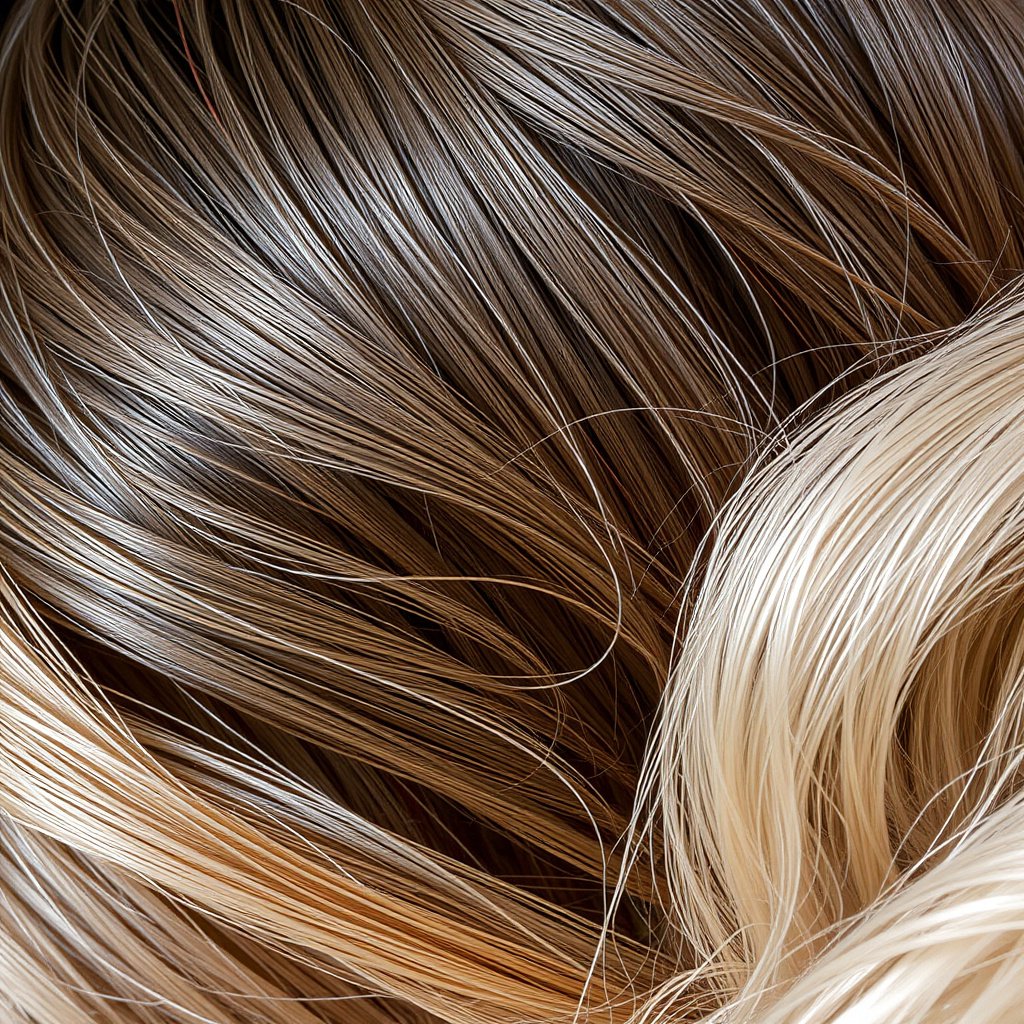
Types of Synthetic Wig Fibers
Synthetic wigs are made from different fibers like Kanekalon, Toyokalon, and heat-friendly fibers. Traditional plastics such as acrylic or polyester do not withstand heat and will melt or deform if exposed to curling irons or blow dryers.
Heat-friendly synthetic fibers are designed to tolerate low to moderate heat levels (usually up to 350°F). These wigs offer more styling versatility, allowing safe use of curling tools without damaging the fiber structure.
- Kanekalon: common and affordable but heat-sensitive
- Toyokalon: soft texture, traditional synthetic
- Heat-friendly fibers: can handle low heat styling
Determining Your Wig’s Heat Resistance
Check the product description or label when purchasing a synthetic wig to see if it is heat resistant. Manufacturers commonly state the maximum heat their fibers can handle.
If unknown, test a small hidden section by applying a low-heat curling iron briefly. If it doesn't melt or lose shape, the wig can likely be styled with heat tools within the specified temperature range.
- Look for heat-friendly or heat resistant tags
- Perform a patch test with low heat
- Avoid heat on unknown fibers to prevent damage
Heatless Curling Methods for Synthetic Wigs
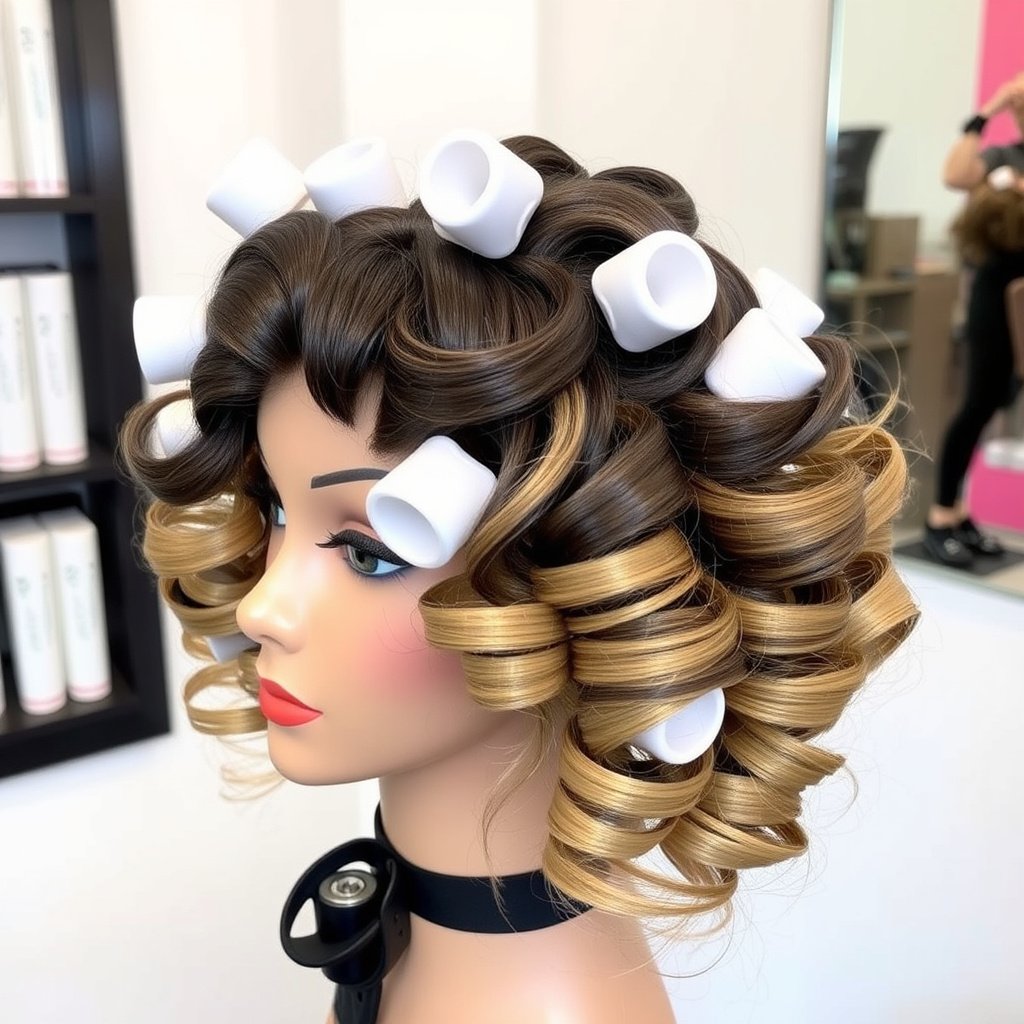
Using Rollers and Pin Curls
Heatless curling tools like foam rollers are gentle on synthetic fibers and create lasting curls without melting fiber strands. Simply roll sections of the wig, secure them with pins or clips, and leave them overnight or until dry for best results.
Pin curls involve twisting small wig sections and pinning them flat. This technique adds curl and volume while preserving fiber integrity, ideal for sensitive wig types.
- Use soft foam rollers
- Allow curls to set overnight
- Avoid tight tension to prevent fiber stress
Braiding and Twisting Techniques
Braiding or twisting damp synthetic wig strands can produce waves or loose curls without any heat exposure. After braiding, let the wig air dry completely before undoing the braids for natural wave patterns.
This method is simple and safe, ensuring that the synthetic fibers retain their original texture and elasticity.
- Braid wig when damp
- Leave braids overnight or several hours
- Undo carefully to avoid frizz
Curling Synthetic Wigs with Heat
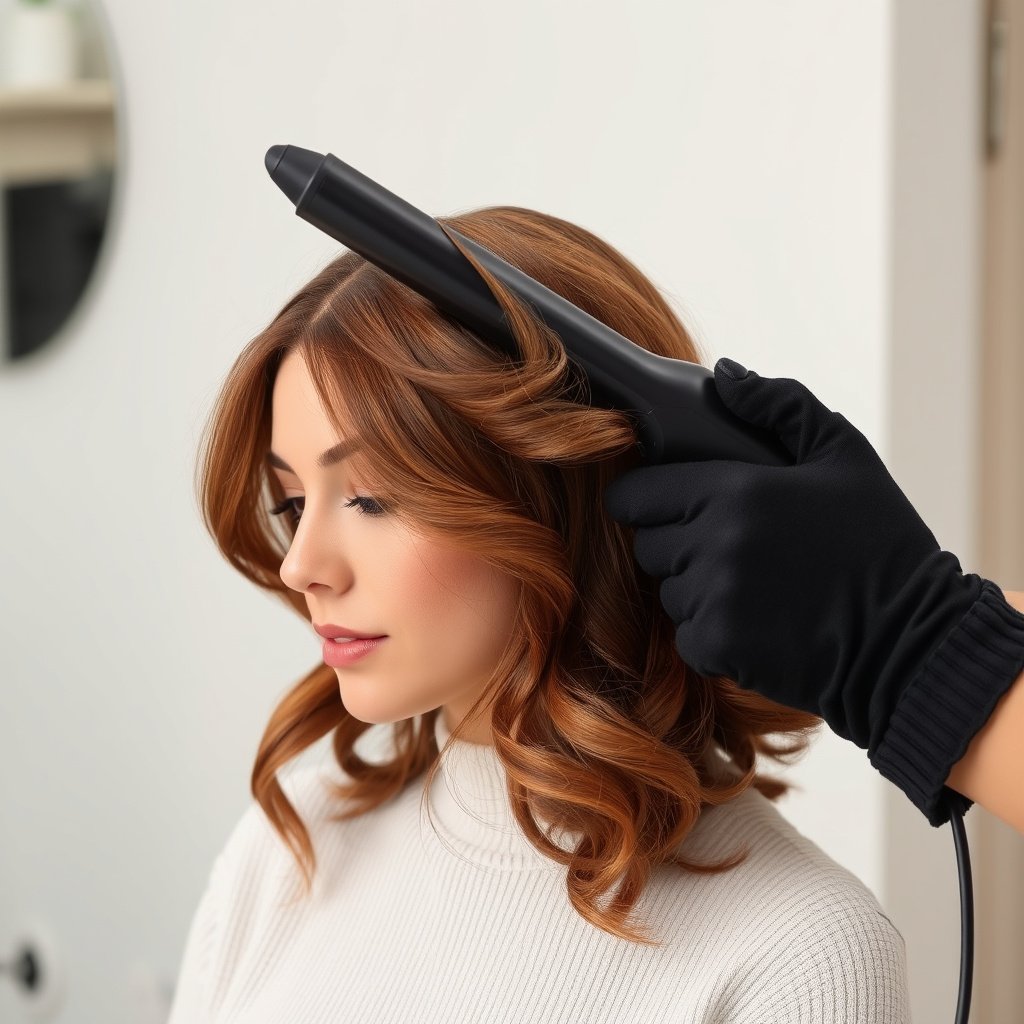
Heat Settings and Tools to Use
If curling a heat-friendly synthetic wig, use a low-temperature curling iron or wand set between 250°F and 350°F. Avoid high heat, which can quickly ruin synthetic fibers.
Specialized styling tools for synthetic wigs often feature adjustable heat settings designed for fiber protection, ensuring curls form without burning or melting the hair.
- Use heat-resistant curling irons
- Keep temperature below 350°F
- Work in small sections to avoid overheating
For more on this, see our related guide: Which Wig Is Best for Natural Hair? Expert Buying Guide.
Safety Measures During Heat Styling
Always apply a heat protectant spray formulated for synthetic wigs before using any hot tools. Keep the iron moving and avoid holding it on one section too long.
Test heat on a small hidden portion first, wear a glove to prevent burns, and never use steam or wet heat on synthetic fibers to prevent damage.
- Use synthetic wig heat protectants
- Test small sections before full styling
- Do not soak wig before applying heat
Maintaining Curls on Synthetic Wigs
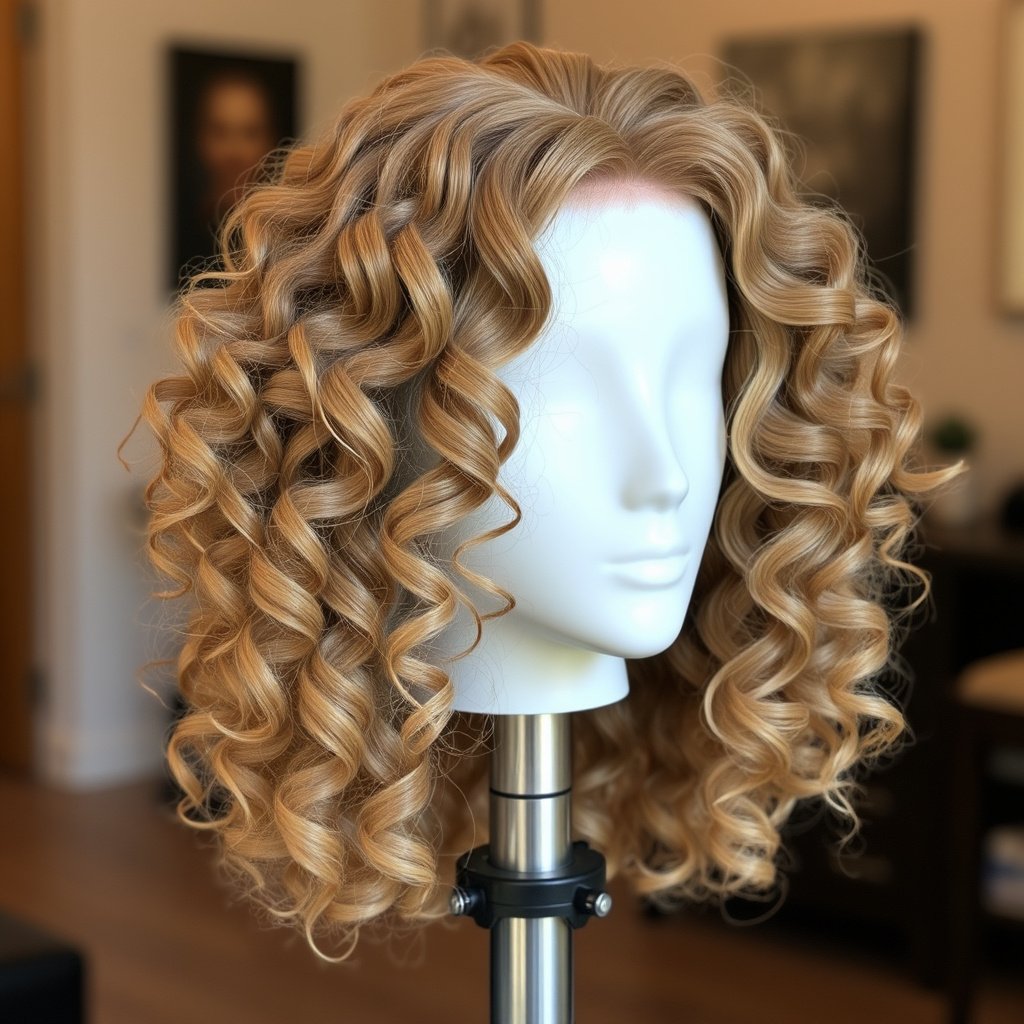
Products to Preserve Synthetic Wig Curls
Use styling sprays and mousse designed specifically for synthetic wigs to hold curls longer. Avoid heavy oils or alcohol-based products that can weigh down or dry out synthetic fibers.
Light sprays that add shine and define curls also help maintain bounce and prevent frizz throughout the day.
- Synthetic wig mousse
- Flexible hold hairsprays
- Avoid harsh chemicals
Proper Storage and Handling
Storing your synthetic wig on a stand maintains curl shape and prevents tangling. Keep the wig away from heat sources and humidity to avoid fiber deformation.
When brushing, use a wide-tooth comb or fingers to gently detangle curls from the ends up to keep curls intact.
- Store on wig stand
- Avoid brush on dry curls
- Keep away from heat and moisture
Troubleshooting Common Curling Problems
Frizz and Tangling Issues
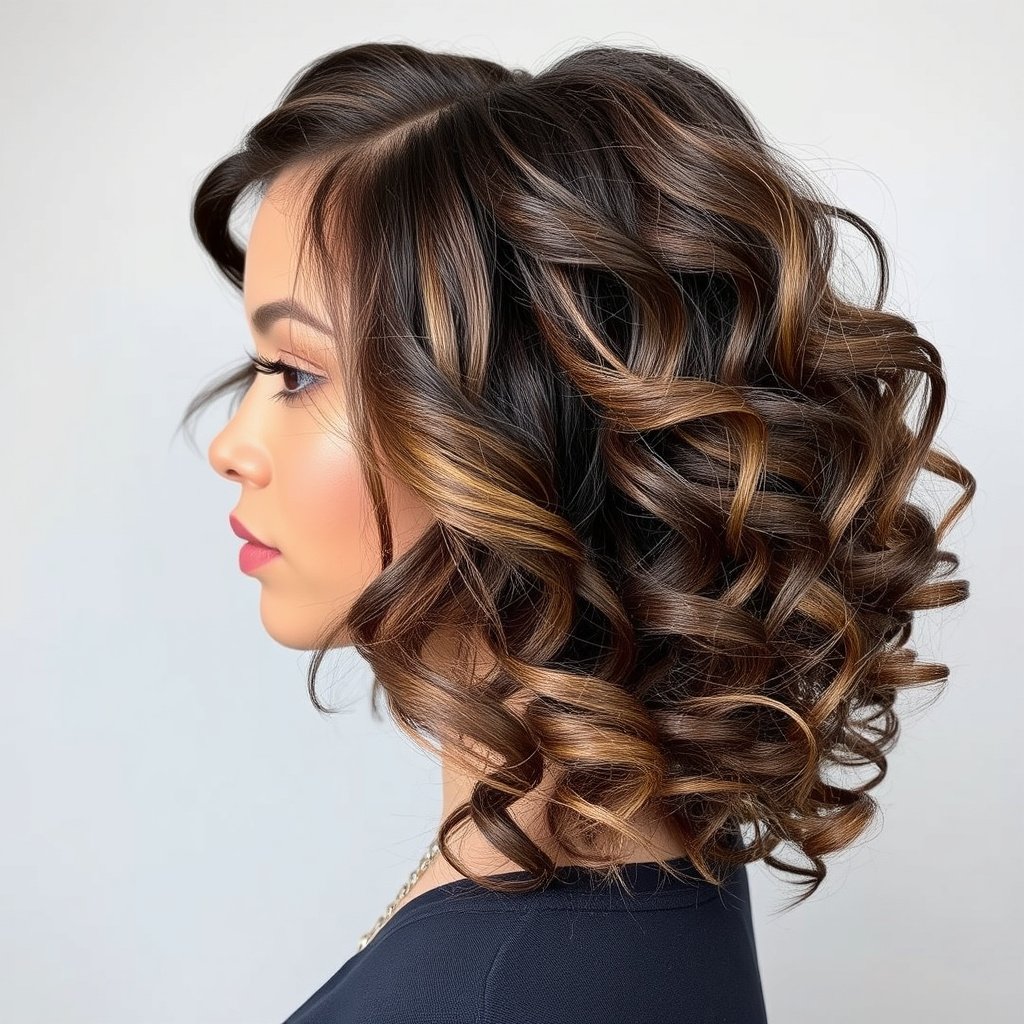
Synthetic wigs may become frizzy if overly manipulated or exposed to harsh weather. To reduce frizz, use detangling sprays and avoid brushing dry curls.
Regularly apply light conditioning sprays made for synthetic fibers to keep them soft and manageable.
- Use synthetic wig detangler
- Comb gently with fingers
- Apply conditioning spray
For more on this, see our related guide: Which Wig Is Best for Beginners? A Clear Guide to Finding Your Perfect Starter Wig.
Dealing with Heat Damage
If a synthetic wig is accidentally exposed to excessive heat, melted fibers appear shiny, stiff, or plastic-like. Unfortunately, the damage is usually irreversible.
To fix the look, consider cutting damaged ends and restyling using heatless methods or replacing the wig if damage is extensive.
- Trim damaged strands
- Switch to heatless styling
- Replace severely damaged wigs
Choosing the Right Synthetic Wig for Curling
Selecting Heat-Friendly Synthetic Wigs
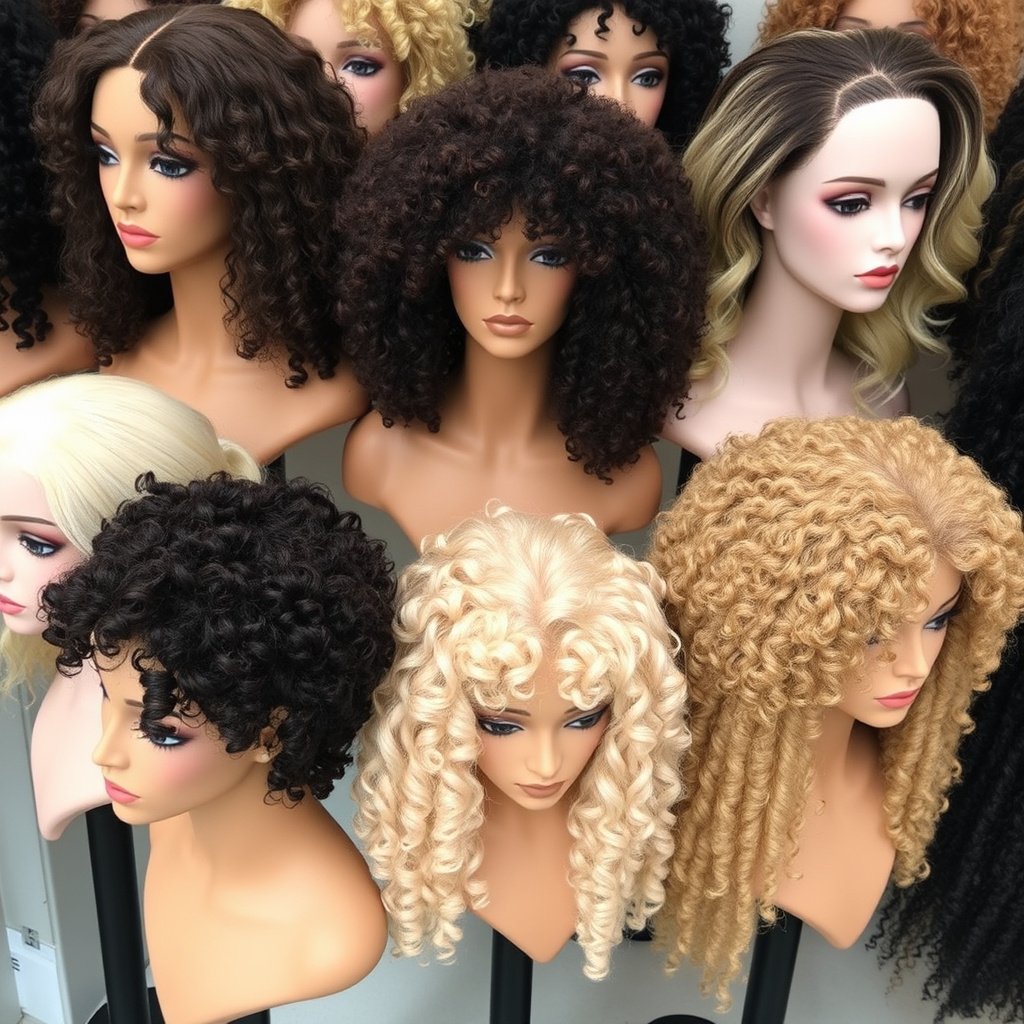
Opt for wigs labeled as heat-friendly if you plan to use curling tools. These wigs come with fibers engineered to withstand low to moderate heat and offer styling versatility similar to natural hair.
Prices for heat-friendly wigs tend to be higher, but the added durability and styling options justify the investment.
- Look for heat-friendly labeling
- Prioritize fiber quality
- Consider budget versus styling needs
For more detailed information about synthetic hair fibers and their properties, visit the Synthetic hair Wikipedia page. Synthetic hair.
Pre-Curled and Styled Synthetic Wigs
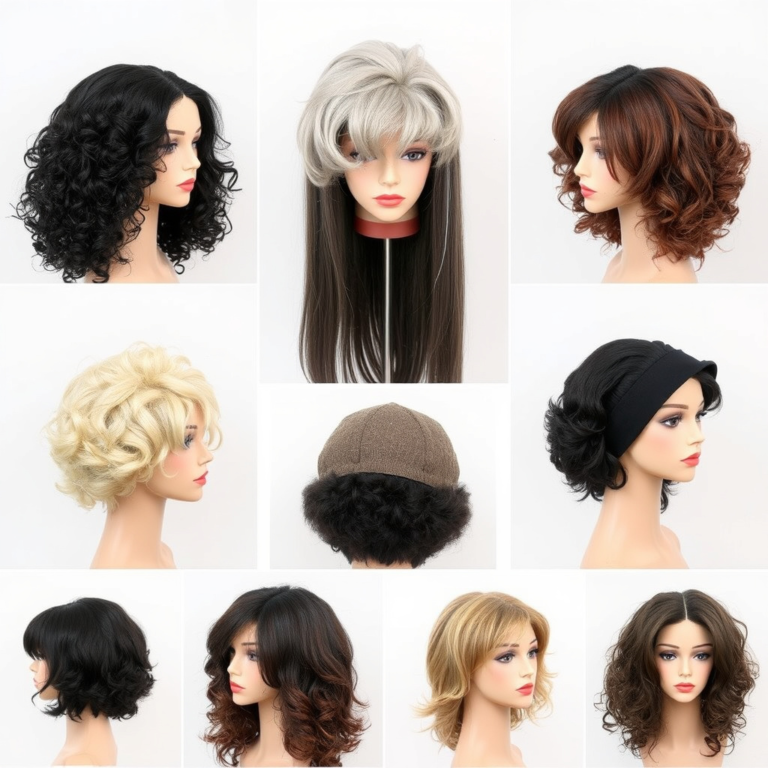
Pre-curled synthetic wigs come styled with curls or waves already set using heat or heatless methods during manufacturing. While less customizable, they maintain curl shape longer and require less daily styling work.
Choose a pre-curled wig if you're looking for convenience and consistent curl pattern without additional effort.
- Pre-curled for convenience
- Limited restyling options
- Good for quick, consistent looks
Comparison of Curling Methods for Synthetic Wigs
This table summarizes different curling techniques suited for synthetic wigs highlighting their benefits and limitations.
| Method | Heat Required | Effect on Fiber | Styling Duration | Suitability |
|---|---|---|---|---|
| Foam Rollers | No | Safe, no damage | Lasts up to 1 day | All synthetic fibers |
| Pin Curls | No | No damage | Lasts 1-2 days | All synthetic fibers |
| Braiding/Waves | No | No damage | Lasts multiple days | All synthetic fibers |
| Heat-friendly Curling Iron | Yes (Low heat) | Minimal if used properly | Lasts 1 day | Heat-resistant fibers only |
| Traditional Curling Iron | Yes (High heat) | High risk of melting | Possible short-term | Not recommended |
Frequently Asked Questions
Can I use regular curling irons on all synthetic wigs?
No. Regular curling irons produce too much heat and can melt or damage synthetic fibers unless the wig is explicitly labeled heat resistant.
How do I know if my synthetic wig is heat friendly?
Check the packaging or product description for heat-friendly labels or consult the seller. Some wigs also include temperature guidelines.
Are heatless curling methods effective on synthetic wigs?
Yes, heatless methods like rollers and braiding create lasting curls without risking fiber damage, making them safe for all synthetic wigs.
Will curling my synthetic wig shorten its lifespan?
Repeated heat styling can degrade fibers in non-heat-friendly wigs, shortening lifespan. Heatless methods are gentler and better for longevity.
How can I maintain curls in synthetic wigs?
Use synthetic wig-safe styling products, store the wig on a stand, and avoid brushing curls when dry to maintain shape and reduce frizz.
Key Takeaways
- Not all synthetic wigs handle heat; check fiber type before curling.
- Heatless curling methods are safest for all synthetic fibers.
- Heat-friendly synthetic wigs allow low-heat styling options.
- Proper maintenance preserves curls and wig longevity.
Conclusion
Deciding how to curl a synthetic wig starts with understanding the specific fiber type, as heat tolerance varies widely. Heat-friendly synthetic wigs give more flexibility but require cautious use of lower temperature curling irons. For traditional synthetic fibers, heatless methods like foam rollers, pin curls, or braiding provide safe, effective ways to achieve long-lasting curls without risk of damage. Proper application of styling products and careful storage further extend the integrity and look of your curls.
If you have a heat-friendly synthetic wig, controlled use of a curling iron or wand at safe temperatures can deliver stylish, defined curls and greater styling freedom. For those with regular synthetic wigs, embracing cold styling techniques and pre-curled options ensures your wig remains intact and attractive. Pre-curled synthetic wigs offer convenience but limit restyling, while heatless methods offer versatility and fiber preservation equally suited for any standard synthetic wig.
Before applying heat on synthetic wigs, always perform a small test patch and use products formulated for synthetic fibers. If you prefer minimal risk, stick to braiding, rollers, or pin curls to shape your synthetic wig safely. Finally, maintain curls with appropriate sprays and avoid harsh brushing to keep your synthetic wig looking fresh between wearings. For deeper insights into synthetic hair types and care, refer to trusted hair care resources that provide science-backed information.