How to Use a Wig Stand: A Step-by-Step Guide for Wig Care
Using a wig stand properly is essential for maintaining the shape, style, and lifespan of your wig. A wig stand provides stable support that mimics the human head, keeping your wig from becoming misshapen or tangled when not in use. Simply placing your wig on the stand after wearing it helps keep it fresh and ready for your next use.
Wigs can lose their form or collect creases when they're stored improperly. This can be frustrating and shorten the wig's usability. A wig stand solves that problem by holding the wig upright in a way that mimics natural wear, ensuring the fibers remain smooth and styled. This is particularly important for synthetic wigs or those with intricate styling.
In this article, you'll find detailed instructions on how to use a wig stand from setup to maintenance. We will explore different types of wig stands, when to use them, and tips for styling your wig directly on the stand. Whether you're new to wigs or looking to improve your wig care routine, this guide covers everything you need.
Choosing the Right Wig Stand for Your Needs

Types of Wig Stands Available
Wig stands come in several forms including foam heads, collapsible tripods, and adjustable mannequin heads. Foam heads are lightweight and affordable, ideal for synthetic wigs and short-term styling. Collapsible stands offer portability and are great for travel or limited space.
Mannequin heads provide the most realistic shape for detailed styling and long-term storage, often made from materials like plastic or canvas-covered foam. Knowing the type that fits your wig type and usage helps prolong the life and look of your wig.
- Foam Wig Head: lightweight, inexpensive
- Collapsible Tripod Stand: portable, space-saving
- Mannequin Head: durable, ideal for styling
Selecting a Stand Based on Wig Material
Synthetic wigs are more prone to retaining creases and can melt under heat, so a foam or tripod stand is generally recommended to avoid damage. These stands keep air circulating and prevent unnecessary pressure on delicate fibers.
Human hair wigs are heavier and benefit from sturdier stands, like mannequin heads, which support the weight evenly and withstand heat styling tools used during wig maintenance.
How to Place Your Wig on a Wig Stand

Preparing Your Wig and Stand
Before placing your wig on a stand, gently brush or detangle it to remove any knots or debris. Clean surfaces of the stand ensure no dirt transfers to the wig fibers.
Position the wig stand on a stable surface at a comfortable height, ensuring it won't tip over. This setup minimizes accidental falls or damage during handling.
For more on this, see our related guide: Do Wigs Damage Your Hair? The Complete Answer.
Proper Placement Technique
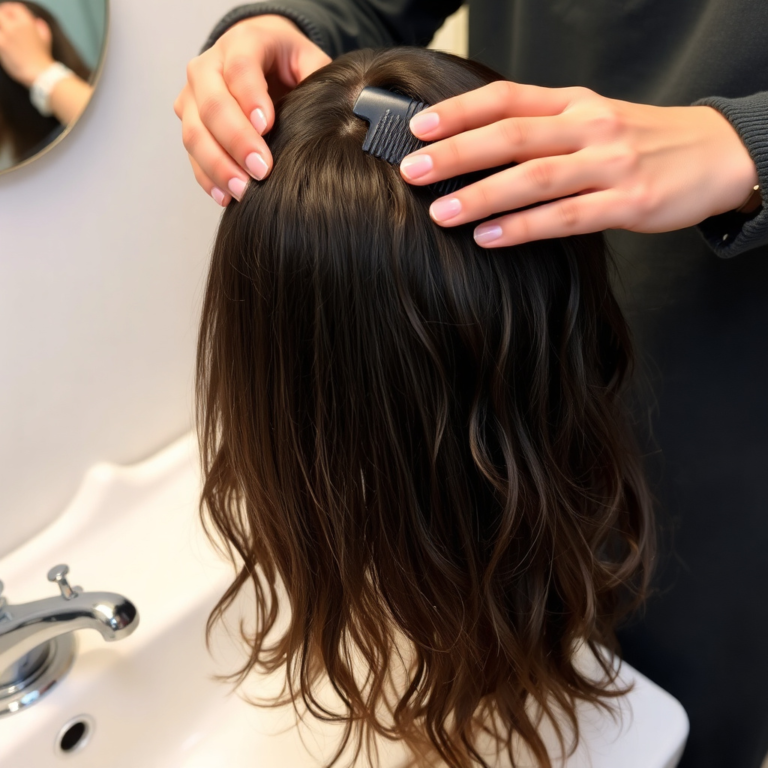
Start by aligning the wig's front hairline with the front of the wig stand to maintain proper orientation. Slowly ease the wig down onto the stand, taking care to spread the hair evenly without tugging or stretching the cap.
Once seated, adjust the wig straps or combs inside the cap if applicable, securing it so it doesn't slip off. This positioning helps maintain the wig’s natural shape and style.
- Align front hairline with stand front
- Gently spread hair evenly over the stand
- Secure wig inside with straps or combs
Styling Your Wig Using a Wig Stand

Using the Wig Stand for Heat Styling
A sturdy wig stand, especially mannequin heads, supports the wig during heat styling with tools like curling irons or straighteners. The elevated position allows for better access and control while styling.
Always verify the wig’s heat tolerance, especially for synthetic fibers, and use a low heat setting when styling to avoid damage. The wig stand helps keep the wig stable, preventing unwanted stretching or shifting.
- Use mannequin heads for heat styling
- Check heat tolerance of wig fibers
- Keep wig steady to avoid damage
Daily Styling and Maintenance Tips
Use the wig stand as your styling station for regular maintenance like brushing, detangling, and setting with sprays. This routine helps maintain your wig’s appearance and prevents tangling or matting.
Regularly remove the wig from the stand to allow ventilation; keeping it tightly mounted all the time can trap moisture and cause odor or fiber damage.
Storing Wigs Safely on a Wig Stand

Protecting Your Wig From Dust and Damage
When not in use for longer periods, cover your wig on the stand with a breathable fabric like a silk scarf or mesh cover. This prevents dust accumulation and reduces static buildup, protecting the wig's fibers.
Avoid storing wigs in direct sunlight or damp areas while on a stand to prevent fading and fiber degradation. Proper environment control extends the wig’s life span.
- Cover wig with breathable fabric
- Avoid direct sunlight exposure
- Keep wig in dry, cool places
For more on this, see our related guide: Are Lace Front Wigs Worth It? The Complete Answer.
Tips for Long-Term Wig Maintenance
Rotate wigs stored on stands occasionally to prevent the fibers from compressing or warping in one position. This simple step helps maintain the original styling and volume.
Clean your wig stand regularly to keep it free from dust and buildup that could transfer back onto your wig.
Cleaning and Caring for Wig Stands

Routine Cleaning of Foam and Plastic Stands
Foam and plastic stands should be wiped down regularly with a dry or slightly damp cloth to remove dust and sweat residues. Avoid soaking foam heads as it can degrade the material.
For plastic stands, mild soap and water can be used, but always dry thoroughly before placing your wig back on to prevent moisture issues.
For additional background on wigs and their types, the Wig article on Wikipedia offers detailed information. Wig on Wikipedia.
Maintaining Mannequin Stand Durability
Mannequin heads covered with fabric require gentle vacuuming or brushing to remove lint or dust without damaging the surface. Avoid harsh chemicals that might stain or weaken the cover.
Check for any loose parts or cracks in adjustable stands, tightening screws or replacing parts as needed to keep the stand stable and safe for your wig.
- Vacuum or brush fabric covers gently
- Avoid harsh cleaning chemicals
- Inspect and tighten stand components
Comparing Wig Stand Types for Different Uses
This table summarizes the key features and best uses of popular wig stand types to help you pick the right one.
| Type | Material | Best Use | Portability | Durability | Price Range |
|---|---|---|---|---|---|
| Foam Head | Foam | Short-term storage & synthetic wigs | High | Moderate | $10-$20 |
| Collapsible Tripod Stand | Metal/Plastic | Travel & temporary setups | Very High | Moderate-High | $15-$30 |
| Mannequin Head | Plastic/Foam with fabric | Styling & human hair wigs | Low | High | $25-$60 |
| Adjustable Plastic Stand | Plastic | Heat styling support | Moderate | High | $20-$40 |
Frequently Asked Questions
Can I use a wig stand for synthetic and human hair wigs?
Yes, you can use wig stands for both types, but foam or tripod stands are better for synthetic wigs, while sturdy mannequin heads suit human hair wigs that require heat styling.
How often should I clean my wig stand?
Clean your wig stand at least once a month to remove dust and dirt, or more frequently if you use it daily for styling. Regular cleaning prevents buildup that can affect wig fibers.
Is it necessary to use a wig stand every day?
It's beneficial to use a wig stand whenever the wig is not worn. This helps keep its shape and prevents tangling, especially if you wear the wig frequently.
Can I leave my wig on the stand outside of airflow areas?
Avoid leaving your wig in areas without good airflow, as trapped moisture can lead to odor and fiber damage. Make sure the storage area is dry and ventilated.
What should I avoid when placing a wig on a stand?
Avoid stretching the wig cap while placing it on the stand or pulling hair fibers down. This can distort the wig's fit and damage the hair strands over time.
Key Takeaways
- Use a wig stand to preserve the wig’s shape and style when not worn.
- Choose a wig stand type based on wig material and styling needs.
- Place wigs gently and align them properly on the stand to avoid damage.
- Regular cleaning of both wig and stand extends their longevity.
Conclusion
Understanding how to use a wig stand properly is fundamental to caring for your wig effectively. The wig stand acts as both a storage and styling tool, preventing damage, tangling, and loss of shape. Applying the right technique and picking a stand that matches your wig type can greatly extend the usability and appearance of your wig. Whether synthetic or human hair, each fiber type benefits from the gentle support and airflow a stand provides, helping maintain your investment.
For those with synthetic wigs, lightweight foam head or collapsible stands provide convenience and protection without risk to sensitive fibers. Those who style human hair wigs frequently or perform heat treatments should consider a robust mannequin head to withstand styling pressures. The choice depends on your daily routines: a portable tripod stand suits travel, while a heavier mannequin supports precise, repeated styling at home. Also, employing covers during storage keeps wigs clean and fresh.
To get started, identify your wig type and usage habits, then select and place the appropriate wig stand carefully. After each wear, gently place your wig on the stand, brush it, and cover it if storing long-term. Routine cleaning of both wig and stand further secures your investment. By following these steps, you’ll enjoy longer-lasting wigs that maintain their style and comfort effortlessly.