How to Use a Canvas Block Head: A Practical Guide for Woodworkers
A canvas block head is a specialized woodworking tool designed to deliver gentle but firm blows without damaging delicate surfaces. Using a canvas block head properly allows craftsmen to assemble joints, tap pieces into place, or adjust components without leaving marks or dents.
This makes the canvas block head invaluable for projects requiring precision and care, such as cabinetmaking, fine joinery, or assembling soft-wood furniture. Its soft but sturdy canvas wrapping absorbs impact differently from harder mallets or hammers, protecting valuable workpieces during crucial assembly stages.
This guide explains what a canvas block head is, how to choose and handle one, different use cases, and maintenance advice to get the most from this handy woodworking tool.
Understanding the Canvas Block Head and Its Features
What Is a Canvas Block Head?
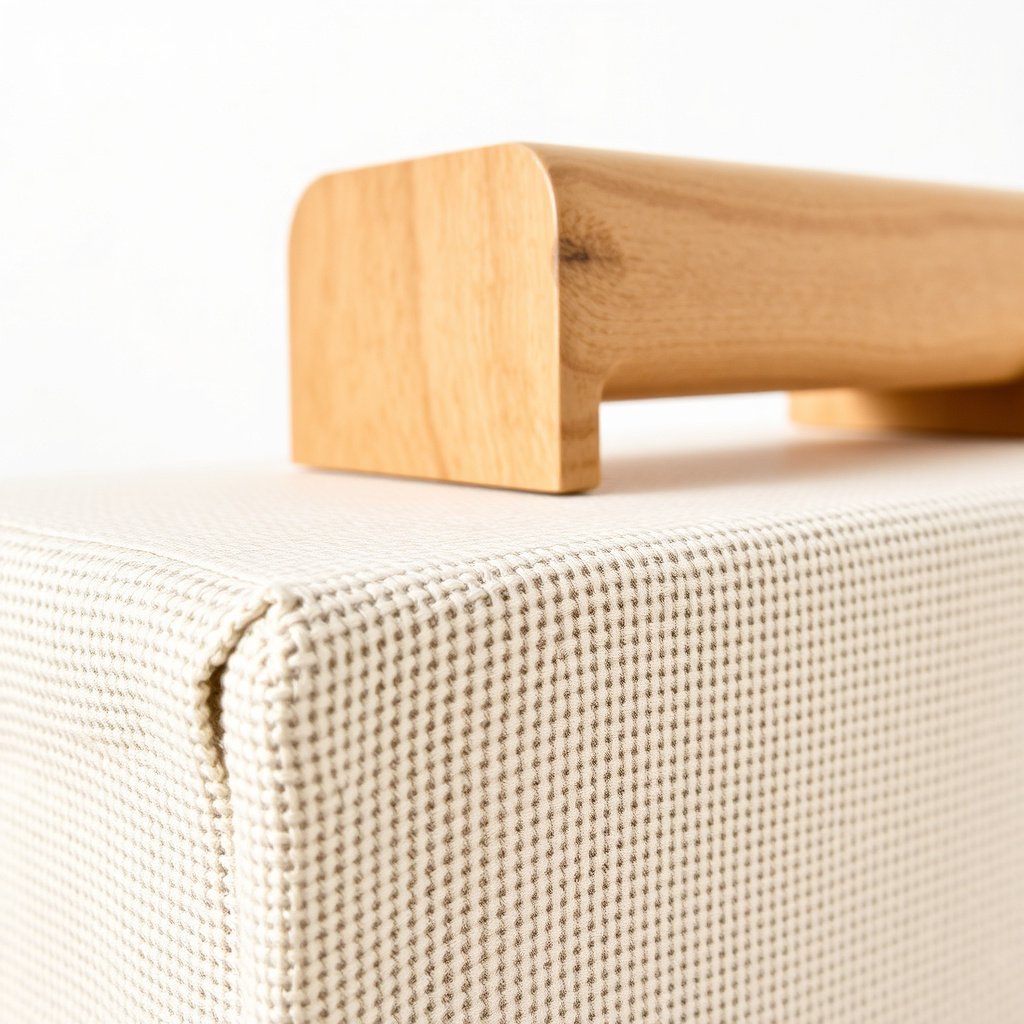
A canvas block head is essentially a mallet with a solid wooden or rubber core wrapped tightly in several layers of canvas fabric. This wrapping cushions the blow, providing a softer impact than traditional hammers or wooden mallets.
The canvas covering also helps distribute force evenly and prevents damage or marring to wood surfaces, especially when working with fine or thin materials.
Materials and Construction Details
The core is typically hardwood or dense rubber, chosen for weight and durability. The canvas layers are wrapped and often glued or sewn tightly, making the outer surface firm yet yielding.
Handles are usually hardwood for strength and balance, shaped ergonomically for control and comfort during repetitive use.
- Dense canvas wraps for cushioning
- Hardwood or rubber core for weight
- Ergonomic wooden handle
How to Use a Canvas Block Head Safely and Effectively

Proper Grip and Swing Technique
Hold the handle firmly but not too tightly to maintain control without fatigue. Position your wrist to swing smoothly, using your forearm for controlled power.
Aim carefully before striking to deliver blows precisely where needed, especially when seating joints or adjusting delicate parts.
- Grip handle mid-length
- Use smooth controlled swings
- Strike at target carefully
Typical Applications
Use the canvas block head for assembling glued joints, aligning dowels, or gently tapping trim pieces into place without splitting wood or denting surfaces.
It's also popular for leatherwork or metalworking tasks where softer impacts reduce risk of surface damage.
- Seating dovetail and mortise joints
- Adjusting trim and moldings
- Leather tooling or metal shaping
Comparison to Other Mallets and Hammers
Benefits over Traditional Wooden Mallets
Canvas block heads reduce marking on softwoods or finished surfaces unlike harder wooden mallets, making them better suited for fine joinery.
The layered canvas absorbs shock, resulting in less vibration to the hand and less bounce on impact.
For more on this, see our related guide: Ira Eyebrow Threading & Salon Service: What Services Can You Expect?.
Differences from Rubber or Rawhide Mallets
Rubber mallets often provide more rebound and softer strikes but may lack the firmness of a canvas-wrapped mallet for precise blows.
Rawhide mallets are softer but less durable than a canvas block head, which balances resilience and gentleness better.
Care and Maintenance of Your Canvas Block Head

Cleaning and Storage Tips
Keep the canvas surface clean by gently brushing dirt and dust free after use. Light soap and water can be used sparingly for tougher grime but avoid over-saturating the canvas.
Store the mallet in a dry environment away from excessive moisture to prevent canvas mildew and wood swelling.
- Brush off dust regularly
- Spot clean with mild soap if needed
- Avoid prolonged moisture exposure
When to Replace the Canvas Head
Evince visible fraying, tearing, or compression of the canvas covering reduces the mallet’s effectiveness and risks damaging workpieces.
Replacing the head or re-wrapping the canvas maintains impact softness and tool reliability.
- Frayed or torn canvas layers
- Compressed canvas that hardens
- Visible core damage
Buying Guide: Selecting the Right Canvas Block Head
Size and Weight Considerations
Choose a canvas block head size according to your project needs—lighter heads offer precision, heavier ones deliver more force without extra swing effort.
Handle length and grip shape also affect comfort and control during extended work sessions.
For more on this, see our related guide: What Is a Full Service Nail Salon?.
Brands and Price Ranges
Quality canvas block heads range from affordable entry-level models to premium handcrafted options.
Investing in a reputable brand sometimes pays off with better durability, consistent wrapping, and balanced handling.
- Affordable mid-range brands for hobbyists
- Premium handcrafted canvas mallets
- Reputable specialty woodworking tool makers
Advanced Tips for Using a Canvas Block Head in Joinery

Fine-Tuning Joint Fit
Use light taps with a canvas block head to progressively snug up a joint without forcing or damaging wood fibers.
This technique prevents accidental splitting and makes the joint flush and secure.
- Start with light taps
- Check joint fit regularly
- Avoid excessive force
For more technical background on mallets used in woodworking, this detailed Wikipedia entry provides useful explanations and history. woodworking mallets explained.
Combining with Other Tools
Pair a canvas block head with a wooden or nylon block to distribute force precisely on irregular shapes or sensitive components.
This approach prevents localized pressure points and enhances control when assembling complex joints.
- Use alongside wooden tapping blocks
- Employ for delicate trim setting
- Protect intricate surfaces with nylon blocks
Canvas Block Head vs Other Mallet Types Comparison
Here’s a quick comparison of common mallets alongside the canvas block head, highlighting their materials, impact softness, and ideal uses.
| Mallet Type | Material | Impact Softness | Best Use Case |
|---|---|---|---|
| Canvas Block Head | Wood/rubber core with canvas wrap | Medium-soft | Fine woodworking, joinery |
| Wooden Mallet | Solid hardwood | Hard | General woodworking, chiseling |
| Rubber Mallet | Solid rubber | Soft | Upholstery, metal shaping |
| Rawhide Mallet | Rawhide wrapped head | Very soft | Leatherwork, delicate assembly |
| Plastic Mallet | Rigid plastic | Medium | Light assembly, plastic components |
Frequently Asked Questions
Can I use a canvas block head for metalworking?
Yes, canvas block heads can be used in light metal shaping tasks where soft yet firm impacts are needed to avoid surface marring or deformation.
How often should I replace the canvas wrapping?
Replace the wrapping when it shows significant wear such as fraying, compression, or loss of cushioning effect to maintain proper impact softness.
Is a canvas block head suitable for heavy chopping?
No, canvas block heads are designed for delicate tapping and adjustment, not for heavy striking or chopping tasks in woodworking.
How does a canvas block head differ from using a wooden block as a striking surface?
The canvas block head absorbs and distributes impact more evenly than a plain wooden block, minimizing dents and protecting fragile surfaces better.
Can I use a canvas block head on finished furniture?
Yes, it is ideal for finished surfaces because its cushioned impact prevents scratches and dents that harder tools might cause.
Key Takeaways
- A canvas block head delivers gentle but effective blows to protect delicate wood surfaces.
- Proper grip and striking technique maximize control and reduce workpiece damage.
- It's best for finishing joinery, adjusting trim, and delicate woodworking tasks.
- Regular maintenance preserves canvas condition and tool effectiveness.
Conclusion
Using a canvas block head centers on balancing finesse with sufficient force to assemble, adjust, or align wood pieces without harming delicate surfaces. While it shares similarities with other mallet types, the distinctive canvas wrapping offers cushioning that makes it indispensable for fine joinery and cabinetry work. Understanding factors like size, weight, and construction helps tailor tool choice to project demands and user comfort, leading to better craftsmanship results.
For most woodworking enthusiasts and professionals, a canvas block head proves superior to harder wooden or rubber mallets when working with softwoods, finished surfaces, or tight-fitting joints. Entry-level woodworkers may find mid-sized, affordable models suit furniture assembly well, while advanced craftsmen benefit from premium handcrafted options for meticulous tasks. Using this tool alongside tapping blocks or nylon guards further expands its usefulness in protecting intricate components and complex assemblies.
Before purchasing, handle different mallets to assess comfort and striking feel; once acquired, maintain the canvas cover and wooden handle properly for long-lasting use. Incorporating a canvas block head into your workshop toolkit enhances joint fitting and trimming accuracy with minimal surface trauma. Trying one in your next project will likely reveal its quiet yet effective assistance in achieving clean, professional woodworking outcomes.