How to Use a Wig Head: A Practical Guide for Styling and Storing Wigs
A wig head is an essential tool for anyone working with wigs, making styling, cutting, and storage much easier. Using a wig head allows you to secure the wig firmly, giving you full control when shaping curls, trimming edges, or creating specific styles without the wig moving or slipping.
Beyond styling, wig heads help preserve the shape and condition of your wig by holding it in place when not in use, reducing tangling or damage. Whether you're a hairstylist, cosplay enthusiast, or simply a wig wearer, understanding how to properly use a wig head can extend your wig’s longevity and enhance your styling capabilities.
This guide will cover different types of wig heads, step-by-step instructions on fitting wigs, tips for styling and cutting on a wig head, and best practices for storing wigs. You’ll also find advice on materials and maintenance that can help you make the most of your wig head.
Choosing the Right Wig Head

Types of Wig Heads
Wig heads come in several materials, each suited for different uses. Foam wig heads are lightweight and ideal for general styling or temporary use but can be less durable when frequently pinned. Canvas-covered heads provide sturdier support and can handle more pins and heavier wigs securely.
Plastic wig heads are often used for display rather than styling because they are smooth and don’t allow pins but help maintain wig shape. Choosing between these depends on how you plan to use the wig head and the longevity needed.
- Foam: lightweight, pin-friendly, less durable
- Canvas: durable, excellent pin retention
- Plastic: best for display and storage
Size and Shape Considerations
Selecting a wig head that closely matches the size of your wig or natural head circumference helps maintain the natural shape and tension of the wig. A head that’s too small may stretch the wig, while an oversized one might cause the wig to lose shape.
Additionally, the shape and facial contours on some mannequin heads can assist in more realistic styling, allowing you to visualize how the wig will look on a real person.
Mounting Your Wig on the Wig Head

Prepping the Wig and Head
Before mounting, ensure the wig is clean and detangled. Adjust the wig head by attaching it securely to a stand or table clamp if available to prevent slipping during styling. This creates a steady base for working on the wig.
If using a canvas or foam head, you might want to spray it lightly with water or wig-specific adhesive spray to provide additional grip for the wig.
For more on this, see our related guide: Do Wigs Damage Your Hair? The Complete Answer.
Securing the Wig
Place the wig starting at the nape of the wig head and pull it over evenly to the front, matching the hairline. Use wig pins or T-pins to secure the wig along the edges, inserting them carefully to avoid damaging the wig cap or hair fibers.
Ensure that the wig is taut but not overstretched. Adjust pins as needed to hold the wig firmly without causing creases or unwanted tension.
- Use T-pins to anchor edges
- Avoid over-tightening to prevent damage
- Check placement from all angles before styling
Styling Your Wig on a Wig Head

Tools and Techniques for Styling
Using a wig head allows for hands-free styling, making it easier to curl, straighten, or braid the wig. Use heat tools carefully and always on low settings appropriate for synthetic or human hair wigs. Brushes designed for wigs help detangle without pulling.
Pin curls, rollers, or hair clips can be applied securely and allowed to set without wig movement. This setup enables precise styling and helps mimic natural hair behavior.
- Use wrist supports to prevent fatigue during styling
- Choose brush types suitable for synthetic or human hair wigs
- Always test heat tools on a small wig section first
Cutting and Trimming on a Wig Head
A wig head provides stability for cutting hair evenly. Use sharp hairdressing scissors and cut in small sections, regularly checking symmetry by stepping back and viewing from different angles.
Carefully mark any desired hairline or style changes before cutting. This makes precise adjustments easier, especially for lace front wigs where hairlines are key.
- Mark sections with clips or chalk
- Cut gradually to avoid mistakes
- Maintain natural hair flow directions
Maintaining and Storing Your Wig on a Wig Head
Cleaning and Care Tips
Regularly clean your wig head by wiping it down with a damp cloth, especially if using styling products on your wig to avoid buildup. Avoid putting hair or glue residues directly on foam heads as they can be hard to remove.
For synthetic wigs, follow manufacturer washing instructions and let wigs air dry on the head to preserve the shape.
For more on this, see our related guide: Are Lace Front Wigs Worth It? The Complete Answer.
Proper Storage to Extend Wig Life
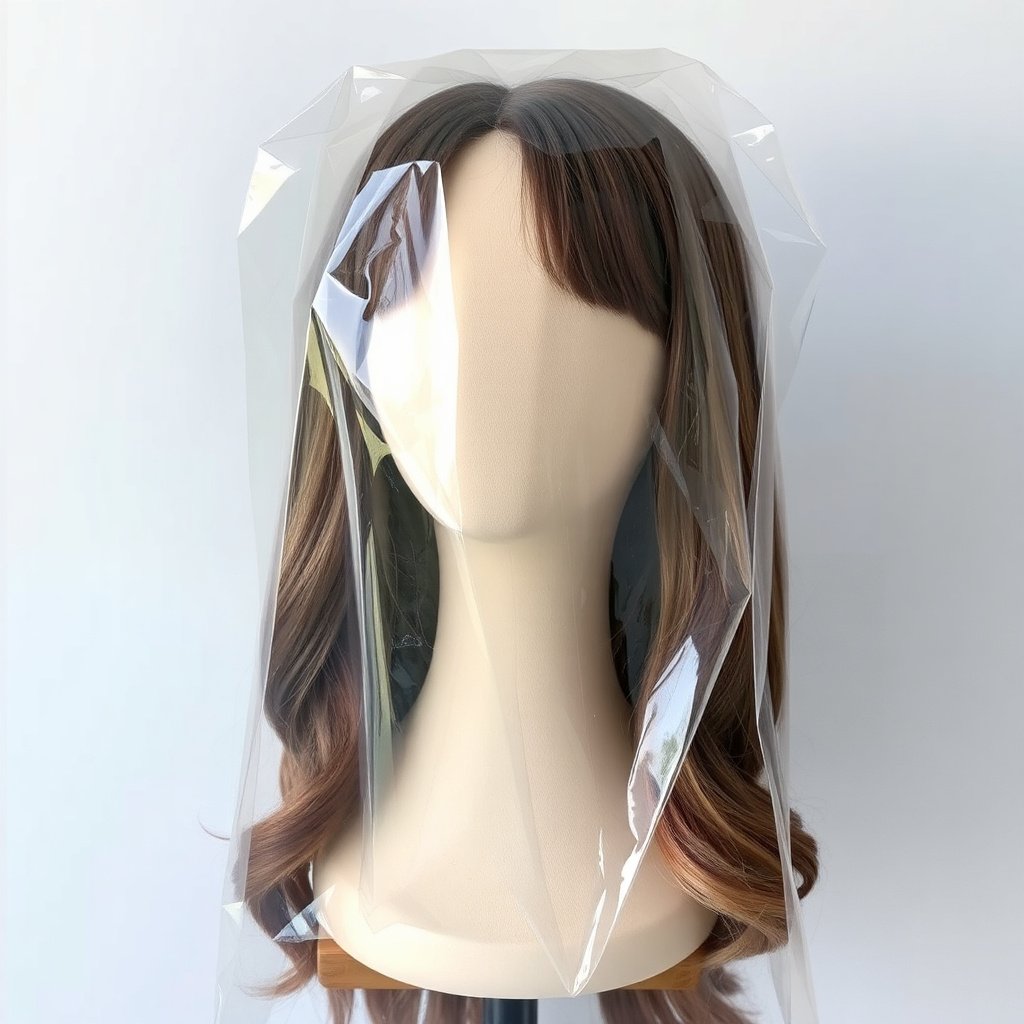
When not styling, keep wigs on a wig head to maintain their style and minimize tangling. Store heads in a dry, dust-free area. Consider using a protective cover or plastic bag to shield the wig from environmental damage.
If space is limited, removable heads with collapsible stands offer compact storage while still supporting wig shape.
- Store away from direct sunlight
- Use dedicated wig covers
- Avoid overcrowding multiple wigs
Advanced Tips for Using a Wig Head

Using Pins Without Damaging the Wig
Insert pins gently at the base of the wig cap rather than through hair fibers to avoid pulling hair out or causing visible holes. Using T-pins with rounded tips reduces the risk of snagging.
Rotate pins outward slightly to secure the wig without puncturing the head too deeply, preserving the wig head’s longevity.
- Pin at the hairline or cap base
- Avoid pinning through hair strands
- Use clean, rust-free pins
For a broader understanding of wigs and their history, this wig article on Wikipedia offers valuable background information. Wig article on Wikipedia.
Modifying a Wig Head for Custom Use
Some wig users customize foam heads by wrapping them with canvas fabric to increase durability and pin retention. Marking guides or lines on the head with fabric pens helps ensure symmetrical styling.
For display purposes, heads can be painted or accessorized, but such modifications are usually unnecessary for everyday styling.
- Wrap foam with canvas for pin durability
- Use light fabric markers for guidelines
- Avoid heavy decorations that impede work
Comparison of Wig Head Types for Different Uses
This table outlines key differences among popular wig head types to help pick the best fit for your styling or storage needs.
| Type | Material | Best Use Case | Durability | Pin-Friendly |
|---|---|---|---|---|
| Foam | Foam | Temporary styling and practice | Low | Yes |
| Canvas | Canvas-covered foam | Frequent styling and cutting | High | Excellent |
| Plastic | Plastic | Display and storage only | High | No |
| Inflatable | Plastic with inflatable bladder | Travel and portable use | Medium | No |
| Wooden | Light wood | Display and heavy use | Very High | Limited |
Frequently Asked Questions
Can I use any pin to secure a wig on a wig head?
It’s best to use T-pins with rounded tips designed for wig work to avoid damaging the wig fibers or wig head. Sharp or rusty pins can cause unwanted snags or holes.
How do I clean my foam wig head?
Clean a foam wig head by gently wiping the surface with a slightly damp cloth. Avoid soaking the foam or using harsh chemicals that can degrade the material.
Is it necessary to use a wig head for styling synthetic wigs?
Yes, using a wig head provides a stable base, helping you style synthetic wigs without them slipping or losing their shape during the process.
Can I store my wig on a plastic wig head long-term?
Plastic wig heads are great for display and short-term storage but may not allow pins, so they’re less suited for long-term styling-related storage.
How do I know what size wig head to buy?
Select a wig head that matches your natural head size or the wig’s size to maintain shape and fit. Measuring your head circumference helps in choosing the right size.
Key Takeaways
- Wig heads provide a secure base for styling, cutting, and storing wigs
- Choosing the right wig head material affects durability and pin usability
- Proper mounting techniques help prevent wig damage and maintain style
- Regular maintenance and storage protect wig longevity
Conclusion
Using a wig head streamlines wig styling, shaping, and care by providing a stable platform that keeps the wig secure. The choice between foam, canvas, or plastic heads depends on your specific needs in terms of pinning, display, and durability. Assessing how often you style or store your wig can guide your selection to maximize both convenience and wig life.
For those who style wigs frequently, a canvas-covered wig head offers excellent pin retention and resilience, supporting detailed work like trimming and heat styling. Foam heads suit occasional or beginner use, while plastic heads serve better for display or short-term storage without pinning. Consider your wig type as well, since human and synthetic fibers might require different handling.
To get the best results, investing a little time in mounting your wig carefully on the wig head, using proper pins, and maintaining your tools will pay off with long-lasting, well-kept wigs. As a practical next step, try aligning your chosen wig head with your wig type and styling routine, then gradually incorporate styling tips to enhance your wig management skills.