How Long Do Synthetic Wigs Last: Lifespan and Care Tips
Synthetic wigs typically last between 4 to 6 months with regular daily wear, and up to a year when worn less frequently and cared for properly. Their fiber materials are designed to mimic natural hair but degrade over time, especially with heat exposure and improper handling.
Understanding the average lifespan of synthetic wigs helps set realistic expectations for users investing in them. They offer affordability and style versatility but require specific maintenance routines to prolong their usability and appearance.
This article will explore factors affecting synthetic wig longevity, care techniques, common damage signs, types of synthetic fibers, and tips to choose a durable wig. You'll gain practical knowledge to enjoy your synthetic wig for as long as possible.
Factors Influencing How Long Synthetic Wigs Last
Quality of Synthetic Fibers
Synthetic wigs are made from various fiber types such as Kanekalon, Toyokalon, and modacrylic fibers, each with different durability levels. Higher quality fibers resist tangling, frizzing, and color fading better, leading to a longer lifespan.
Lower-grade fibers tend to become matted and lose their shape within a few months, especially with frequent wear. Selecting wigs with recognized fiber quality brands helps extend the wig's daily wearability.
Frequency and Conditions of Use
Daily use accelerates synthetic fiber wear compared to occasional use for events. Exposure to environmental elements like sun, humidity, and pollutants also affects fiber integrity and color retention.
Heat styling drastically shortens wig life unless the wig is heat-resistant. The lifespan depends largely on how often and in what conditions the wig is worn.
- Frequent wear shortens lifespan
- Avoid direct sunlight and harsh weather exposure
- Use heat on heat-friendly wigs only
Proper Synthetic Wig Maintenance for Longevity
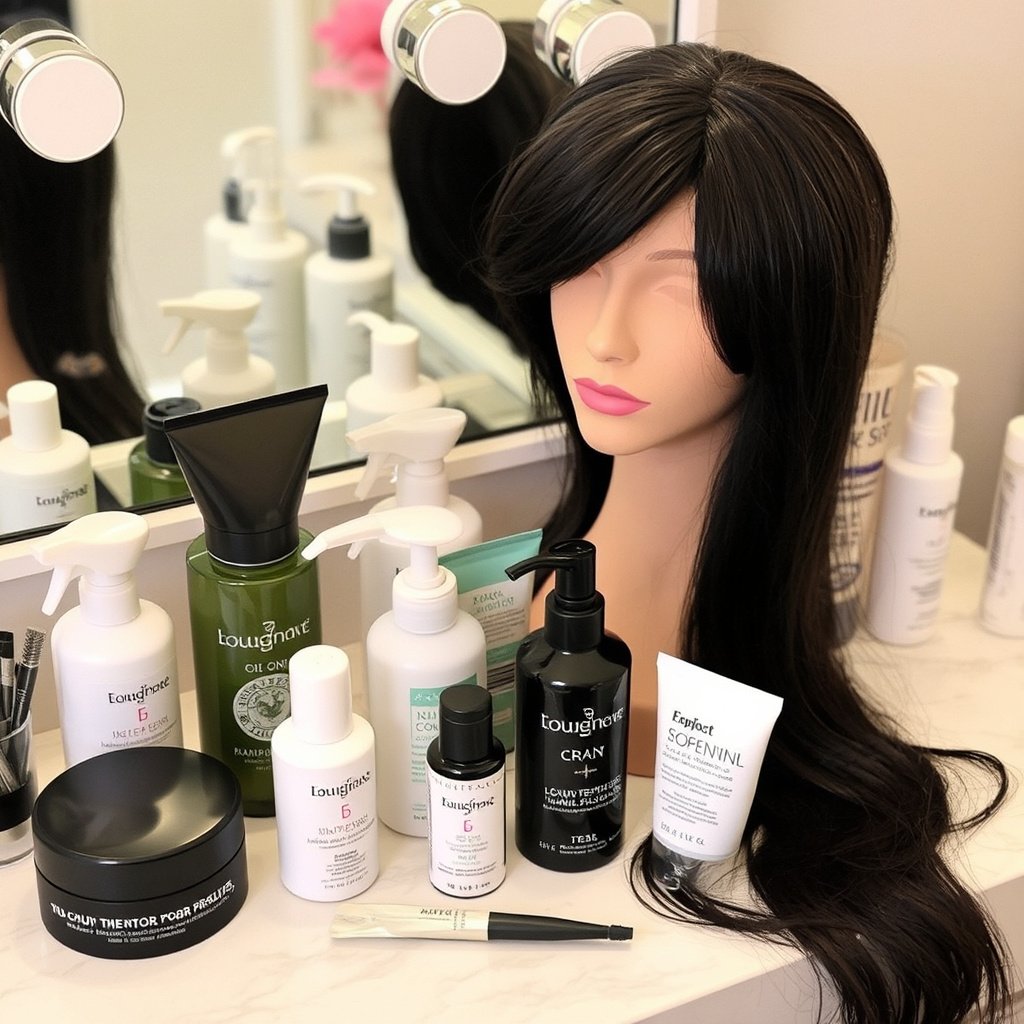
Cleaning and Washing Techniques
Washing synthetic wigs every 6 to 8 wears prevents buildup of oils and dirt, which degrade fibers. Use gentle, sulfate-free shampoo designed for synthetic hair, and rinse with cool water to maintain fiber shape.
Avoid rubbing or wringing the wig during washing to prevent fiber damage. Let the wig air dry on a wig stand to keep its style intact.
- Wash every 6-8 wears
- Use synthetic wig-specific shampoo
- Gentle rinsing with cool water
- Avoid heat drying
Styling and Storage Practices
Limit styling to wig-friendly tools and avoid heat unless the wig is heat-resistant. Brushing with a wide-tooth comb prevents tangling but do it gently to avoid fiber breakage.
Store wigs on a wig stand or mannequin to hold shape and avoid crushing. Keep wigs covered to protect from dust and sunlight that cause fading.
- Use wide-tooth combs
- Avoid heat tools unless specified
- Store on stands away from sunlight
Common Signs That Synthetic Wigs Are Wearing Out
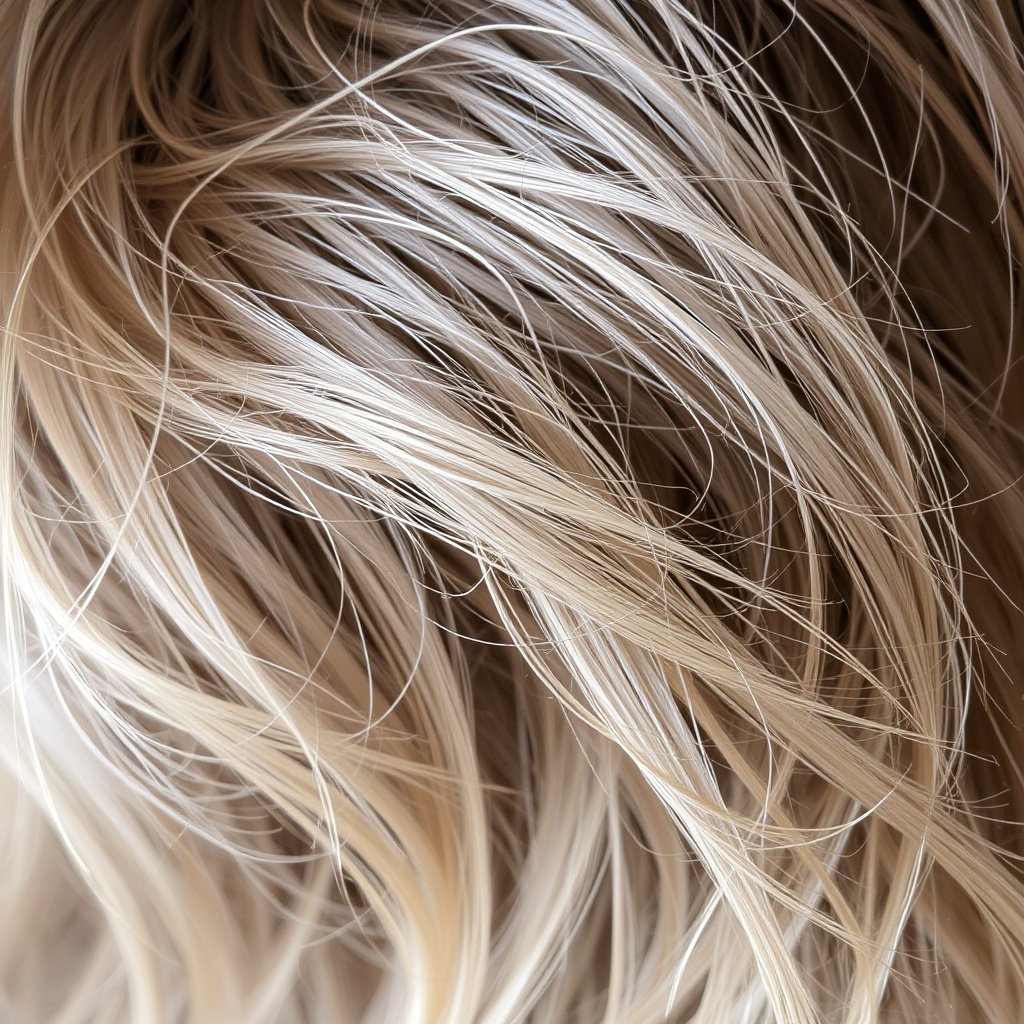
Fiber Damage and Texture Changes
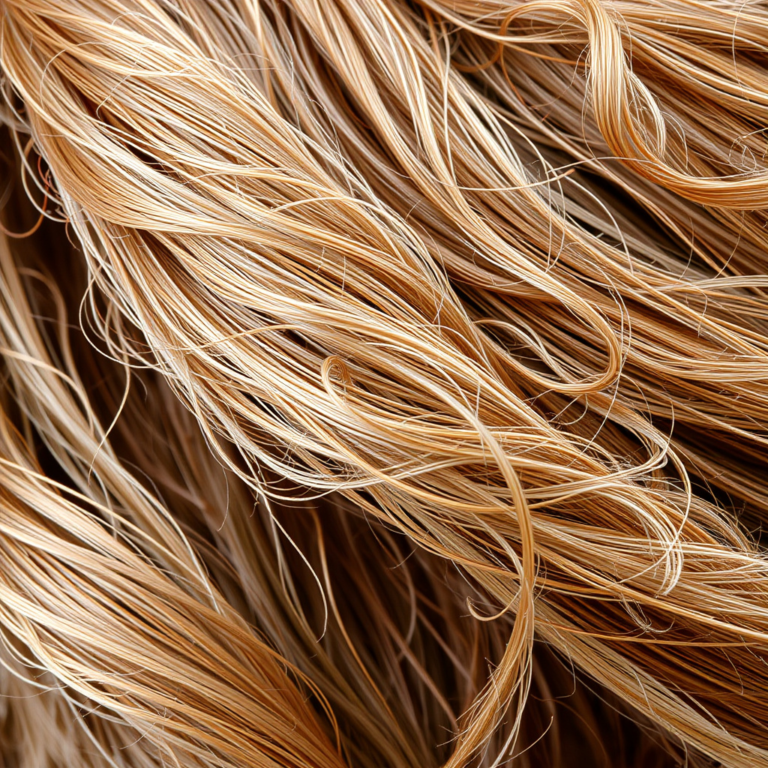
When synthetic fibers start to frizz, tangle excessively, or develop a rough texture, the wig's quality has deteriorated. These changes affect the appearance and manageability considerably.
Such fiber wear is usually irreversible, indicating that it might be time to replace the wig to maintain a natural look.
For more on this, see our related guide: How Long Do Synthetic Wigs Last? A Practical Guide to Durability and Care.
Loss of Style and Shine
Synthetic wigs often come pre-styled and shiny. When the wig loses its original style or the fibers appear dull and flat, this signals aging fibers.
Repeated washing and environmental wear reduce the shine and definition, which affects the overall aesthetic value of the synthetic wig.
Types of Synthetic Fibers and Their Expected Lifespans
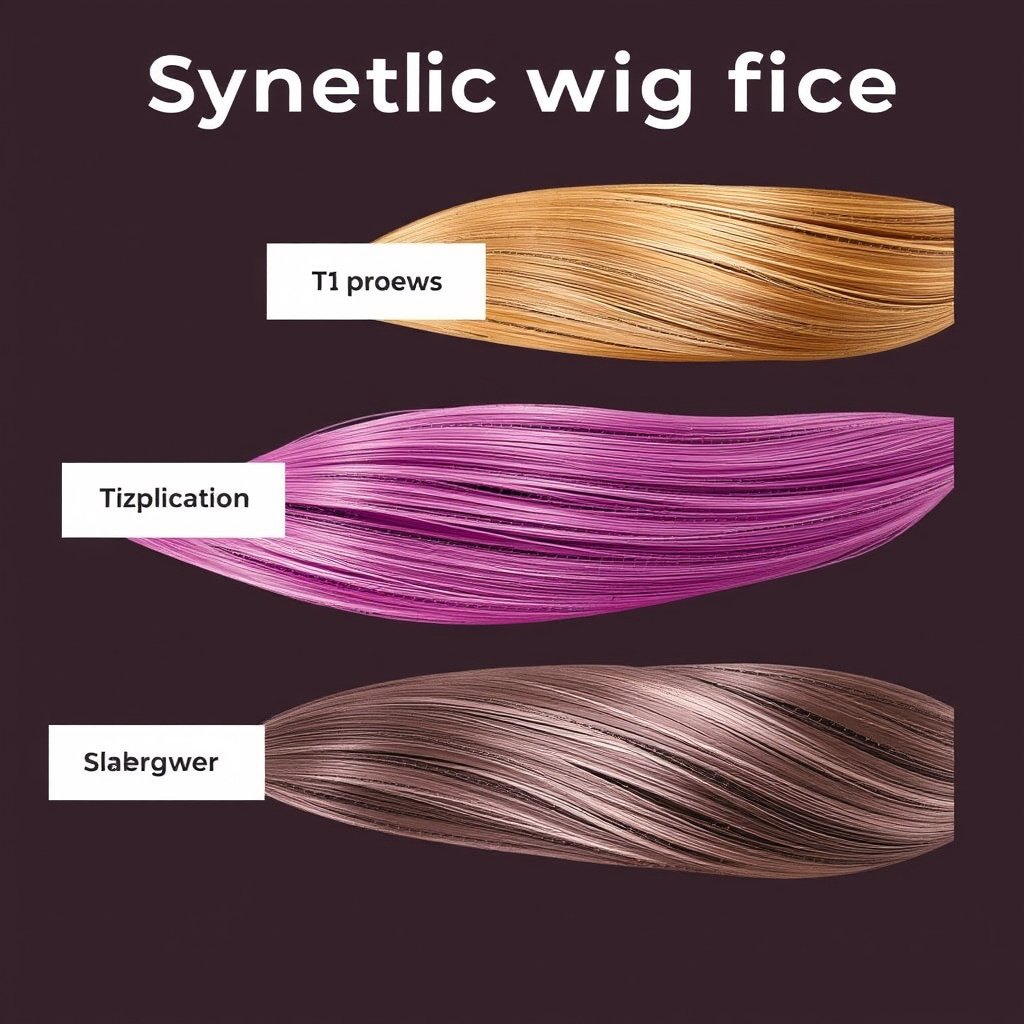
Standard Modacrylic Fibers
Modacrylic fibers are the most affordable and commonly used in synthetic wigs. They usually last 3 to 6 months with regular wear due to moderate heat resistance and fiber strength.
These fibers are beginner-friendly but require careful maintenance to avoid rapid deterioration.
High-End Kanekalon and Toyokalon Fibers
Kanekalon and Toyokalon are premium fibers that closely mimic natural hair texture and are more durable. Wigs made from these fibers can last up to a year with proper synthetic wig maintenance and careful use.
These are ideal for users wanting longer-lasting synthetic options with a realistic appearance.
How to Choose a Synthetic Wig for Longer Use

Consider Fiber Quality and Brand Reputation
Selecting reputable brands that specify fiber types like Kanekalon improves chances of obtaining a wig that lasts. Read product descriptions and reviews to identify fiber quality and user experiences.
Avoid discount wigs with unclear fiber info, as these often have lower durability.
- Check fiber specification
- Research brand reviews
- Avoid bargain wigs without fiber details
For more on this, see our related guide: How Long Do Human Hair Wigs Last? Lifespan and Care Tips Explained.
Match the Wig Style with Your Lifestyle
If you plan to wear wigs daily, choose styles with fibers that tolerate frequent styling and washing. For occasional use, a wider selection is acceptable but still consider fiber quality.
Avoid complex style wigs if you cannot dedicate time to maintenance, as damaged style reduces lifespan.
Extending Synthetic Wig Life with Smart Habits
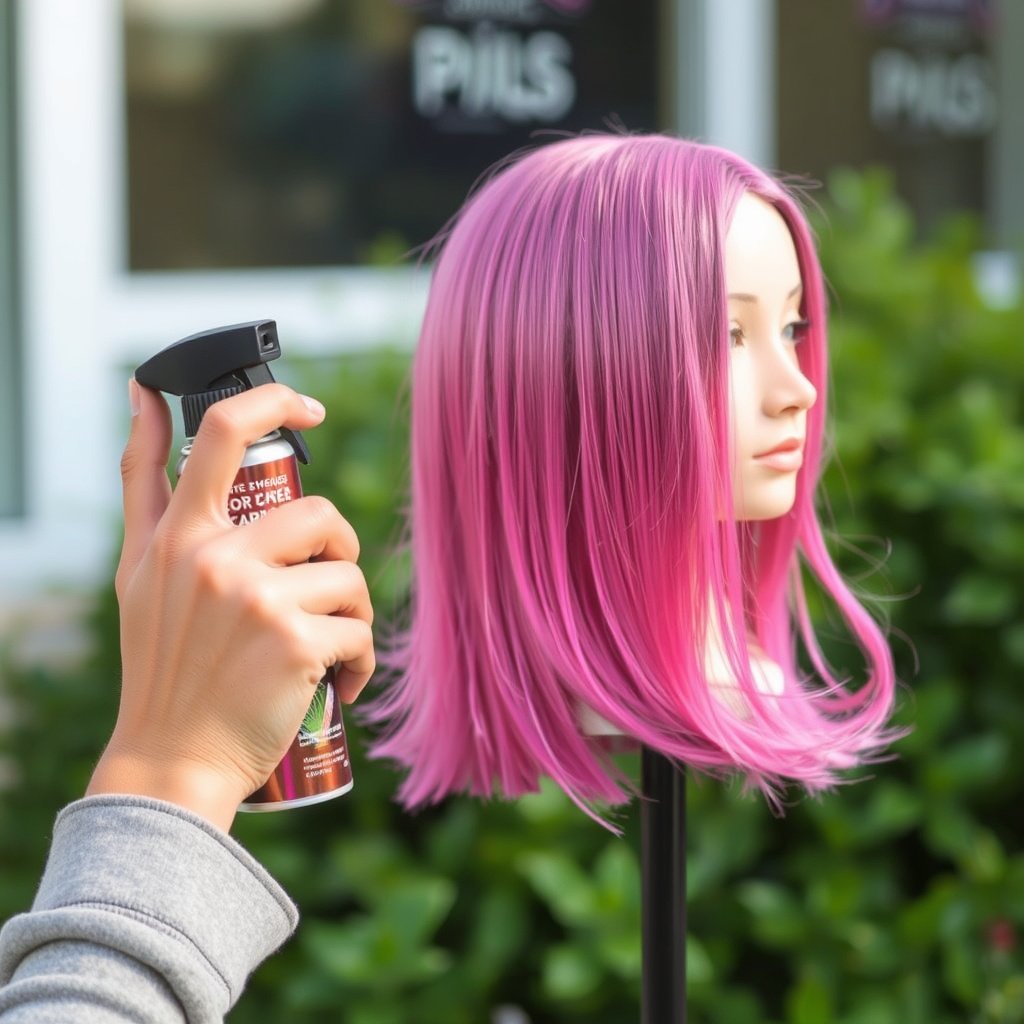
Minimize Heat and Friction Exposure
Heat accelerates synthetic fiber breakdown. Only use heat tools if the wig label explicitly allows it, and keep temperature low. Friction from hats or pillows causes tangling and fiber stress.
Reducing these exposures can prolong the period before the wig fibers degrade.
For a broader understanding of wig types and materials, see the synthetic wigs section on Wikipedia. Synthetic wigs information.
Regular Maintenance and Professional Services
Routine detangling, shampooing, and conditioning prevent buildup and matting on synthetic fibers. Visiting wig specialists for repairs or reshaping can rejuvenate wigs and extend their useful life.
Investing in maintenance saves money over time by delaying replacement.
Synthetic Wig Fiber Types and Longevity Comparison
Here’s a comparison of popular synthetic wig fiber categories with their average lifespan, heat tolerance, and cost to help you choose the best fit.
| Fiber Type | Average Lifespan | Heat Resistance | Cost Range |
|---|---|---|---|
| Modacrylic | 3-6 months | Low – avoid heat | $20-$50 |
| Kanekalon | 6-12 months | Moderate – low heat only | $50-$150 |
| Toyokalon | 8-12 months | Moderate – low heat only | $80-$200 |
| Heat-Friendly Synthetic | 6-12 months | High – up to 400°F | $70-$160 |
Frequently Asked Questions
Can synthetic wigs be styled with heat tools?
Only synthetic wigs labeled as heat-friendly should be styled with heat tools, and even then, low temperature settings are recommended to avoid fiber damage.
How often should I wash a synthetic wig?
Washing every 6 to 8 wears is ideal for synthetic wigs to remove oils and dirt without over-washing, which can shorten the wig’s lifespan.
Will synthetic wigs lose color over time?
Yes, synthetic wigs tend to fade with sun exposure and repeated washing, so avoiding direct sunlight and gentle care helps maintain their color longer.
Is it possible to repair a synthetic wig?
Minor repairs like restyling or smoothing tangles are possible, but fiber damage like frizz and matting is typically permanent and may require replacement.
How should I store my synthetic wig when not in use?
Store your synthetic wig on a wig stand or mannequin away from sunlight and dust to maintain its shape and prevent deterioration.
Key Takeaways
- Synthetic wigs generally last 4-6 months with regular wear and up to a year with careful use.
- Fiber quality and usage frequency significantly influence synthetic wig lifespan.
- Proper synthetic wig maintenance, including gentle washing and storage, extends durability.
- Choosing higher-quality fibers like Kanekalon offers longer-lasting synthetic wigs.
Conclusion
Deciding how long a synthetic wig lasts depends mainly on fiber quality, how often you wear it, and how well you maintain it. Recognizing that synthetic materials naturally degrade over time sets practical expectations and guides care routines that can extend its useful life. Since synthetic wigs vary from budget models to premium fibers, your purchase and maintenance approach should align with your wear habits and style needs.
For daily wearers desiring longevity, wigs made from Kanekalon or Toyokalon fibers combined with disciplined synthetic wig maintenance routines offer the best balance of appearance and durability. Occasional users might find modacrylic fiber wigs more economical but should expect shorter lifespan spans. Heat-friendly synthetic options provide styling flexibility but still require regular care to maximize use. Choosing according to your lifestyle ensures better satisfaction.
Ultimately, the next step is selecting a synthetic wig that matches your expectations for wear duration and style and then adopting consistent care habits. Wash gently, avoid unnecessary heat, and store thoughtfully to keep your wig looking fresh for months. When fibers show clear signs of wear like frizz or dullness, it’s time to update your wig to maintain a natural and polished look.