How to Cut a Wig: Step-by-Step Guide for a Flawless Style
Cutting a wig requires precision and care to achieve a natural and flattering hairstyle. The key is to trim the wig gradually, starting with small sections, using the right tools, and following the wig's natural hairline. Whether you want to shorten the length, add layers, or thin out bulky areas, cutting a wig yourself is entirely possible with some practice and patience.
Many people hesitate to cut a wig, fearing they might damage it or ruin its style. However, taking control of the cut allows you to personalize your wig to better match your face shape and style preferences. This skill particularly matters if your wig is synthetic or already styled since improper cutting can cause frayed ends or unnatural lines.
This guide will walk you through preparing your wig for cutting, selecting suitable scissors, cutting techniques for various wig fibers, and tips for styling afterward. By the end, you’ll feel confident customizing your wig's length and layers for a seamless, natural result.
Preparing Your Wig for Cutting

Cleaning and Securing the Wig
Before cutting, it's important to start with a clean wig. Wash synthetic wigs only if necessary using specialized shampoo to avoid damage. For human hair wigs, regular shampooing and conditioning ensure the fibers are manageable.
Once clean and dry, secure the wig on a wig stand or mannequin head. Use pins to fix the wig firmly, preventing it from shifting while you cut. This stability helps in achieving even cuts.
- Use wig-specific shampoo for synthetic fibers
- Allow wig to dry completely before cutting
- Pin wig around the circumference on the stand
Gathering the Right Tools
Using the correct scissors can make a big difference. Opt for sharp hair-cutting scissors over regular household scissors to avoid blunt ends and fraying.
Other helpful tools include thinning shears for blending layers, a fine-tooth comb for detangling, and sectioning clips to divide hair into manageable parts.
- Hair-cutting scissors
- Thinning shears
- Fine-tooth comb
- Sectioning clips
Techniques for Cutting Synthetic and Human Hair Wigs

Cutting Synthetic Wigs
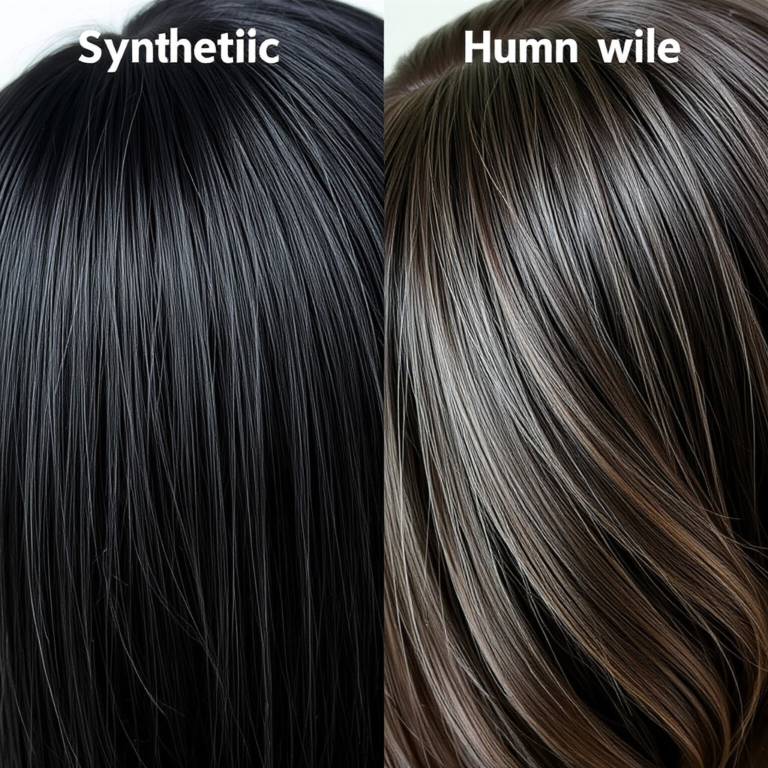
Synthetic wig fibers can melt or fray if exposed to heat or rough handling. To cut them properly, use sharp scissors and avoid straight blunt cuts; instead, snip at an angle for a softer edge.
Trim small amounts at a time, stepping back frequently to assess the shape. Remember that synthetic fibers do not grow back, so cautious trimming is essential.
- Use angled cutting to soften edges
- Cut in small sections gradually
- Avoid heat tools before cutting
For more on this, see our related guide: Pre Cut Lace Wigs: A Complete Buying Guide.
Cutting Human Hair Wigs
Human hair wigs respond more like natural hair, so you can use various cutting styles including layering and thinning. Wetting the wig slightly before cutting allows for more controlled styling.
Layering can add volume and movement, but ensure layers blend well to maintain a natural look. Thinning shears are useful to reduce bulk without shortening length drastically.
- Wet wig slightly before cutting
- Use layering to add dimension
- Employ thinning shears for volume control
Step-by-Step Cutting Process

Sectioning the Wig Hair
Divide the wig into sections using clips to work systematically. Begin from the back or the underside to maintain control and prevent over-cutting.
Work on one section at a time, combing the fibers smoothly to detect any uneven lengths or tangles before trimming.
- Create 3-4 sections using clips
- Start trimming from underneath layers
- Comb sections thoroughly before cutting
Trimming and Styling
Start with small snips along the ends, checking length often against your desired style. Use point-cutting techniques by snipping vertically into the ends for a natural finish.
After finishing the cut, style the wig gently with a comb or fingers. For synthetic wigs, avoid heat styling unless labeled heat-resistant.
- Trim small lengths incrementally
- Use point-cutting for texture
- Style gently post-cut
Maintaining Your Cut Wig

Regular Brushing and Care
Regular brushing with the appropriate brush slows tangling and maintains the cut’s shape. Use wide-tooth combs for synthetic fibers and boar bristle brushes for human hair wigs.
Store your wig on a stand to keep its shape and avoid crushing the styled layers.
- Comb wig daily to prevent knots
- Use wig stand for storage
- Avoid over-washing to retain style
For more on this, see our related guide: Pixie Cut Wigs: A Complete Buying Guide.
Re-cutting and Trimming Tips
Over time, minor trims may be needed to maintain the style. Only trim the ends lightly to preserve the integrity of the wig.
If mistakes occur, strategic restyling or professional wig cutting services are alternatives to fix issues without further damage.
- Trim ends every few weeks
- Seek professional help if necessary
- Use heat tools cautiously on human hair wigs
Advanced Styling and Customization

Adding Bangs and Layers
Bangs can be cut to complement your face shape, but approach cautiously by cutting longer than intended first. Texture the bangs with point cuts for softness.
Layering adds dimension, but the layers should be blended naturally. Start layering at the mid-lengths and work to the ends to avoid a choppy look.
- Cut bangs longer, trim as needed
- Blend layers carefully
- Point cut for softer edges
For more detailed history and types of wigs, the wigs on Wikipedia page provides extensive information. wigs on Wikipedia.
Color-Treated and Textured Wigs
Color-treated wigs may have fragile fibers, requiring gentler handling when cutting. Use hair-friendly scissors and consider cold cutting techniques to reduce fiber stress.
Textured wigs such as curly or wavy require cutting while dry to preserve curl pattern, trimming curls individually to maintain bounce and shape.
- Cut dry curly wigs to keep shape
- Use cold cutting on delicate fibers
- Handle color-treated wigs gently
Types of Wigs and Cutting Considerations
The choice of wig type affects cutting methods and tools. Here’s a comparison to help you understand the differences.
| Wig Type | Cutting Ease | Recommended Tools | Styling Flexibility | Maintenance |
|---|---|---|---|---|
| Synthetic Wigs | Moderate | Sharp hair-cutting scissors, thinning shears | Limited heat styling | Requires careful brushing and low washes |
| Human Hair Wigs | Easy | Hair-cutting scissors, thinning shears, heat tools | High heat styling tolerance | Regular washing and conditioning |
| Heat-Resistant Synthetic | Moderate | Sharp scissors, occasionally heat tools | Some heat styling possible | Similar care to synthetics |
| Curly or Textured Wigs | Challenging | Sharp scissors, dry cutting methods | Avoid excessive heat | Specialty brushes and careful detangling |
| Monofilament Wigs | Easy | Hair-cutting scissors | Good styling freedom | Gentle handling to protect scalp area |
Frequently Asked Questions
Can I cut a wig without a mannequin head?
While a mannequin head offers stability, you can cut a wig without one by placing the wig on a flat surface and securing it with clips or pins. However, working on a stand improves precision.
How often should I trim my wig?
Trimming every 4-6 weeks helps maintain the wig’s shape and removes frayed ends. Frequency depends on wear and style but regular light trims keep the wig looking fresh.
Is it safe to use regular scissors on wigs?
Regular scissors may cause blunt or jagged edges. It's better to use sharp hair-cutting scissors designed for hair to ensure clean cuts and avoid damaging wig fibers.
Can I use heat styling tools after cutting a synthetic wig?
Only if the synthetic wig is labeled heat-resistant. Otherwise, heat can melt or damage fibers. Always check manufacturer guidelines before applying heat.
Should I wet my wig before cutting?
Wet cutting is suitable for human hair wigs to allow precise shaping. For synthetic wigs, cutting when dry is safer to prevent fiber damage and maintain style integrity.
Key Takeaways
- Start with a clean, secured wig on a stand for accurate cutting
- Use sharp hair-cutting scissors and proper tools for styling
- Cut synthetic wigs dry and gradually to avoid fraying
- Regular trims and gentle maintenance prolong your wig's appearance
Conclusion
Cutting a wig yourself allows greater control over the final look, provided you take a careful, step-by-step approach. Starting with clean hair, the right tools, and a stable setup sets you up for success. Precision and patience in cutting small sections prevent errors that are difficult to fix, especially with synthetic fibers. Understanding the different techniques for synthetic versus human hair wigs helps you adapt your method to the wig you own, ensuring a natural, flattering outcome that matches your personal style.
If you’re new to wig cutting, begin with simple trims to shorten length or clean up ends before trying more advanced cuts like layering or bangs. Human hair wigs offer more flexibility for styling and can be wet-cut similar to natural hair, making them easier for experimentation. Synthetic wigs require delicate handling and cutting dry but benefit from heat-resistant options if you want styling versatility. For specialized textures like curly wigs, cutting while dry helps preserve the curl shape. No matter the wig type, maintaining your cut with regular gentle trims and proper care protects your investment and keeps your wig looking vibrant.
Taking the next step involves gathering the appropriate scissors, securing your wig on a stand, and setting aside dedicated time to work slowly through your cut. Watching tutorials or consulting professionals for one-time cuts can boost confidence. Remember, small, incremental trims give you control and prevent over-cutting. Mastering wig cutting empowers you to customize your look easily—no salon visit required.