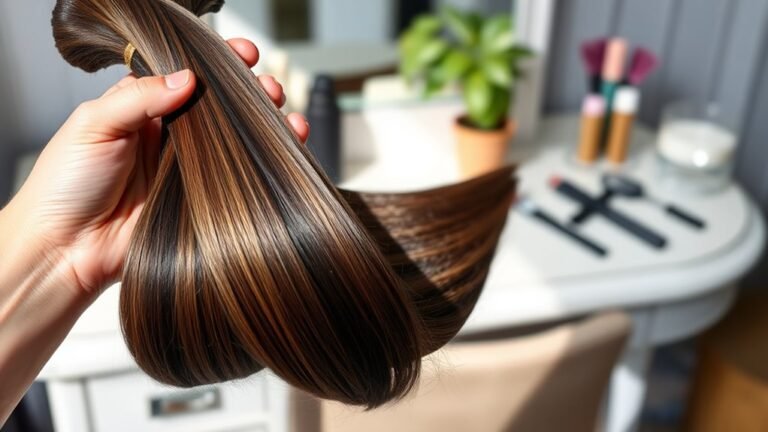
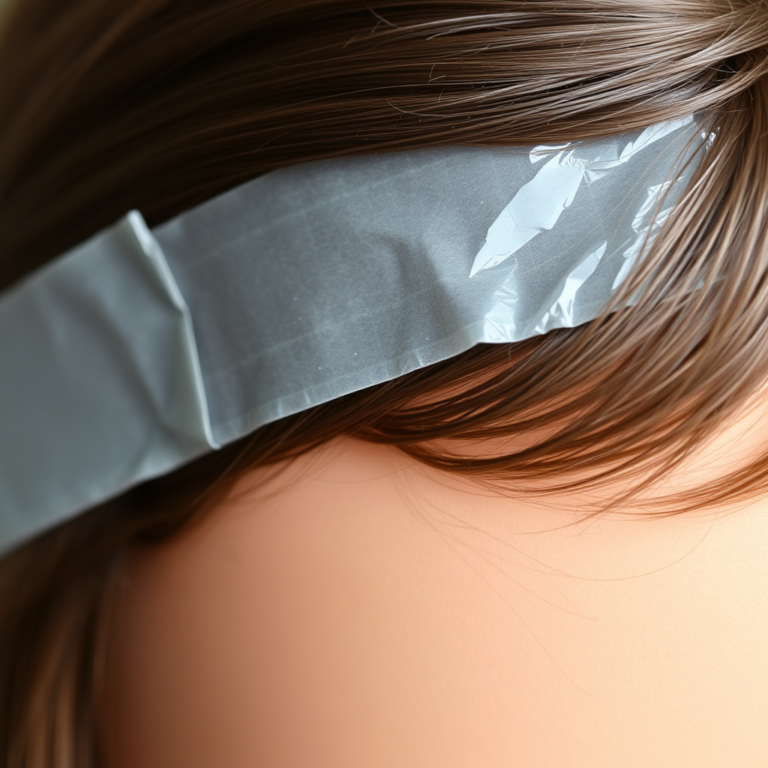
How to Cut Bangs on a Wig: A Step-by-Step Guide for a Perfect Look
Cutting bangs on a wig is best approached with patience and precision. Start by securing the wig on a stand to keep it stable, then section off the front hair where you want the bangs. Use sharp, hair-cutting scissors to trim small amounts at a time, shaping gradually for the desired style.
Wigs can dramatically change your look, and adding bangs can enhance this transformation. However, because wigs differ from real hair in texture and construction, careful handling is necessary to avoid uneven cuts or damaging fibers. Proper cutting methods help maintain the wig’s quality and natural appearance.
This guide will cover selecting the right tools, preparing your wig, stepwise cutting techniques, styling tips after trimming, and troubleshooting common issues faced when cutting bangs on a wig. By the end, you’ll be equipped with practical skills to refresh your wig’s look safely and effectively.
Preparing Your Wig and Tools for Cutting Bangs

Choosing the Right Wig and Workspace
Before cutting bangs, ensure your wig is clean and fully dry for precise trimming. Place the wig on a stable mannequin head or wig stand that allows easy access and keeps the wig firm during the process. Adequate lighting and a comfortable workspace help you see details clearly.
The type of wig—synthetic or human hair—affects how you’ll cut and style. Human hair wigs behave like natural hair and tolerate heat styling, while synthetic fibers require gentler handling and specific tools to prevent fraying.
- Work in a well-lit, clutter-free area
- Secure wig firmly on a stand
- Gather sharp hair-cutting scissors and fine-tooth comb
Selecting Proper Cutting Tools
Using scissors specifically designed for hair cutting is crucial for clean, precise trims. Avoid using household scissors since they can cause jagged edges and damage the wig fiber ends. Thinning shears or texturizing scissors can help create softer bangs.
A fine-tooth comb helps evenly section the hair and removes tangles for smoother cuts. Hair clips or pins keep the non-bang sections away. For synthetic wigs, check if temperature-safe scissors are recommended if any heat styling will follow.
- Sharp hair-cutting scissors
- Optional thinning shears
- Fine-tooth comb
- Hair clips
Step-by-Step Technique for Cutting Bangs on a Wig

Sectioning and Planning Your Bangs
Start by combing the wig's front hair forward and clipping the surrounding sections away to isolate the bang area. Decide on the bang style you want—blunt, layered, or wispy—and visualize the length before cutting.
Marking the initial cutting line with small clips or a washable marker can help maintain symmetry. It’s best to cut less than you think you want because you can always trim more but can’t add length back.
- Comb hair forward
- Isolate bang section with clips
- Visualize desired bang shape and length
Cutting Bangs Gradually and Safely
Trim small vertical pieces from the bangs starting at longer lengths. Use the point-cutting technique where scissors cut into the hair ends vertically, giving a natural finish rather than blunt lines. Constantly comb the bangs to check for evenness as you go.
Avoid rushing since uneven cuts are hard to fix later. After the initial cut, style the bangs with a wig-safe brush and adjust lengths in tiny amounts to perfect the shape. Regularly step back and assess your progress from different angles.
- Cut in small sections using point-cutting
- Comb and check symmetry frequently
- Style and refine gradually
Styling and Maintaining Bangs After Cutting

Styling Techniques for Natural-Looking Bangs
Use wig-friendly styling products such as leave-in conditioners or lightweight sprays to smooth down fibers and reduce frizz. A wig brush or wide-tooth comb helps maintain the bang’s shape without pulling or damaging fibers.
For human hair wigs, you can carefully use heat tools on bangs. Synthetic wig bangs require low-heat tools or steam styling to shape safely without melting or frizzing the fibers.
- Apply wig-safe styling products
- Use appropriate brushes or combs
- Heat style only if wig material allows
For more on this, see our related guide: 30 Inch Wigs: A Complete Buying Guide.
Routine Care and Storage Tips
After cutting and styling, store the wig on a stand to preserve its shape. Avoid excessive touching of bangs to prevent fiber breakage or flattening. Regular gentle washing following the wig’s care instructions keeps the bangs and whole wig clean and fresh.
When not in use, keep wigs away from direct sunlight and dust, which can degrade fibers and alter the cut’s look.
- Store on wig stand to maintain shape
- Wash gently when needed
- Protect from sunlight and dust
Common Mistakes and Troubleshooting When Cutting Bangs on a Wig

Avoiding and Repairing Uneven Bangs
Uneven bangs happen if too much hair is cut too quickly or sections aren’t properly isolated. To fix, trim longer areas carefully to blend the length, using thinning shears for a softer transition. For severe unevenness, consult a wig stylist.
Double-check symmetry often during the process to catch issues early before they become harder to correct.
Handling Fiber Damage or Frizz After Cutting
Damaged synthetic fibers can appear frizzy or rough after cutting. Applying a small amount of wig-specific smoothing serum can reduce frizz. Gently steaming the wig may help realign fibers but avoid excess heat to prevent melting.
For human hair wigs, split ends can be trimmed slightly or treated with conditioning products to maintain softness after bangs are cut.
Advanced Tips for Styling Bangs on Synthetic and Human Hair Wigs

Styling Bangs on Synthetic Wigs
Synthetic wigs respond best to cold styling methods. Use foam rollers or steam to shape bangs without heat damage. Products like wig mousse or shine spray add texture and replicate natural appearance effectively.
To refresh bangs, gently finger-comb and avoid brushing too vigorously to preserve fiber integrity.
- Use steam or cold rollers for styling
- Apply mousse for texture
- Avoid rough handling
For more on this, see our related guide: Pixie Cut Wigs: A Complete Buying Guide.
Managing Bangs on Human Hair Wigs
Human hair wigs allow for heat styling tools like flat irons or curling wands on bangs, enabling versatile looks. Regular conditioning and occasional trims keep bangs healthy and prevent split ends.
Styling sprays and hold serums help maintain bang shape throughout the day, especially in humid conditions.
- Heat style with caution
- Condition regularly
- Use holding products
Incorporating the Best Techniques for Wig Styling

Blending Bangs with Overall Wig Styling
Integrate your bangs with the wig’s overall hairstyle by mirroring the texture and volume of adjacent hair sections. Layered bangs generally blend well with layered wig cuts, while blunt bangs suit sleek styles.
Using consistent product types throughout helps maintain a cohesive look, enhancing the natural appeal of your wig.
For additional insights into wig care and styling techniques, consult this detailed source on wigs. Wig care and styling tips.
Customizing Bangs for Face Shape and Style Preferences
Customize bang length and style depending on your face shape—for round faces, side-swept bangs can add definition; for heart-shaped faces, wispy bangs soften angular features. Experiment with different lengths gradually to find what suits you best.
Taking time to customize bangs improves confidence in your wig styling results and adds personal flair.
Comparison of Cutting Methods for Bangs on Wigs
Here’s a comparison of common methods for cutting bangs on wigs, highlighting their pros and appropriate wig types.
| Method | Suitable Wig Type | Precision Level | Pros | Cons |
|---|---|---|---|---|
| Scissors (Point-Cutting) | Human & Synthetic | High | Natural edges, easy to refine | Requires skill for uniformity |
| Thinning Shears | Human Hair | Medium | Softens edges, reduces bulk | Can thin too much if overused |
| Electric Trimmers | Synthetic | Medium | Quick trims, uniform length | Less control over styling |
| Razor Cutting | Human Hair | High | Creates textured, soft bangs | Can cause fraying if mishandled |
| Layered Cutting | Human & Synthetic | High | Blends bangs with overall style | More complex technique |
Frequently Asked Questions
Can I cut bangs on synthetic wigs without damaging them?
Yes, if you use sharp scissors and cut slowly in small sections, you can safely cut bangs on synthetic wigs without causing fraying or fiber damage.
How do I fix bangs that are cut too short on my wig?
If bangs are too short, you can blend them into layered styles or use accessories like headbands until they grow out, as wigs cannot be re-lengthened once cut.
Is it better to cut bangs on a wig when it is wet or dry?
Cutting bangs on a wig while dry is generally better because wig fibers don’t behave like human hair when wet, preventing inaccurate length estimation.
What tools are recommended for styling bangs on synthetic wigs?
Cold styling tools such as foam rollers, steam, and wig-safe styling sprays are recommended to shape synthetic wig bangs without heat damage.
How often should I trim my wig bangs to keep them looking fresh?
Trimming wig bangs every few weeks or whenever you notice them growing uneven keeps your wig looking neat, especially for human hair wigs that can grow with natural hair.
Key Takeaways
- Cut bangs on wigs slowly in small sections to avoid mistakes.
- Use wig-specific tools and styling products for best results.
- Section the bang area carefully to maintain symmetry while cutting.
- Blending bangs with the overall style enhances natural appearance.
Conclusion
Cutting bangs on a wig requires thoughtful technique, the right tools, and gentle handling to maintain the wig’s integrity while reshaping its style. By placing a stable wig on a mannequin head, carefully sectioning the hair, and using sharp scissors with point-cutting, you prevent uneven cuts and fiber damage. Regularly assessing your work and making small adjustments refine the look and help you achieve the desired bang style without stress.
For beginners or those hesitant about direct cutting, using thinning shears or consulting professional wig stylists can make a significant difference. Synthetic wigs are best styled with cold methods after cutting, while human hair wigs offer more flexibility with heat tools. Whether you prefer blunt, layered, or wispy bangs, thoughtful customization based on your face shape and overall styling will ensure your wig looks natural and flattering.
If you’re ready to refresh your wig’s look, gather your tools, choose a comfortable workspace, and start trimming patiently. Take breaks to assess changes and style incrementally, and remember that small modifications bring the best results. With the methods detailed here and ongoing care, you’ll confidently update your wig bangs to match your personal style and keep your look vibrant.