
How to Add Layers to a Wig: Step-by-Step Styling Guide
Adding layers to a wig sharpens its overall look by creating movement and dimension, mimicking natural hair texture. To add layers, you cut the wig carefully with the right tools, section it properly, and then trim each layer progressively to achieve the desired length variations.
Layering a wig can redefine its volume and style, making it appear less bulky and more realistic. Whether your wig is synthetic or human hair, adding layers improves its manageability and personalizes the style to suit your face shape or preferences. This technique can breathe new life into older wigs or customize new ones.
This article covers all you need to know about adding layers to a wig: the tools you’ll require, how to prepare your wig, step-by-step layering methods, tips for different wig types, and styling advice. Following these instructions will help you transform your wig with confidence.
Preparing Your Wig and Tools for Layering

Essential Tools for Adding Layers
The right tools make layering a wig easier and reduce the risk of uneven cuts. You will need sharp hair cutting scissors, a fine-tooth comb to section the hair precisely, hair clips to hold sections in place, and a mannequin wig stand for stability during styling. Using scissors designed specifically for cutting hair is crucial to get clean, precise edges.
Some stylists also recommend thinning shears to remove bulk and create softer, feathered layers after the initial cut. Additionally, having a spray bottle filled with water can help control synthetic wigs and human hair wigs alike by dampening the strands for smoother cutting.
- Hair cutting scissors
- Fine-tooth comb
- Hair clips
- Mannequin wig stand
- Thinning shears (optional)
- Spray bottle with water
Preparing the Wig Before Cutting
Before layering your wig, place it securely on a wig stand to mimic natural head positioning. Make sure the wig is clean and detangled to allow smooth sectioning and cutting. For human hair wigs, lightly dampen the strands with water; for synthetic wigs, lightly misting can help but avoid soaking to prevent damage.
Section the wig starting from the back up to the crown to isolate manageable layers. Use clips to secure the top and side pieces so you can work systematically while maintaining control over the cut. Proper preparation ensures more consistent and controlled layering.
Step-by-Step Technique for Adding Layers to a Wig
Creating Base Layers
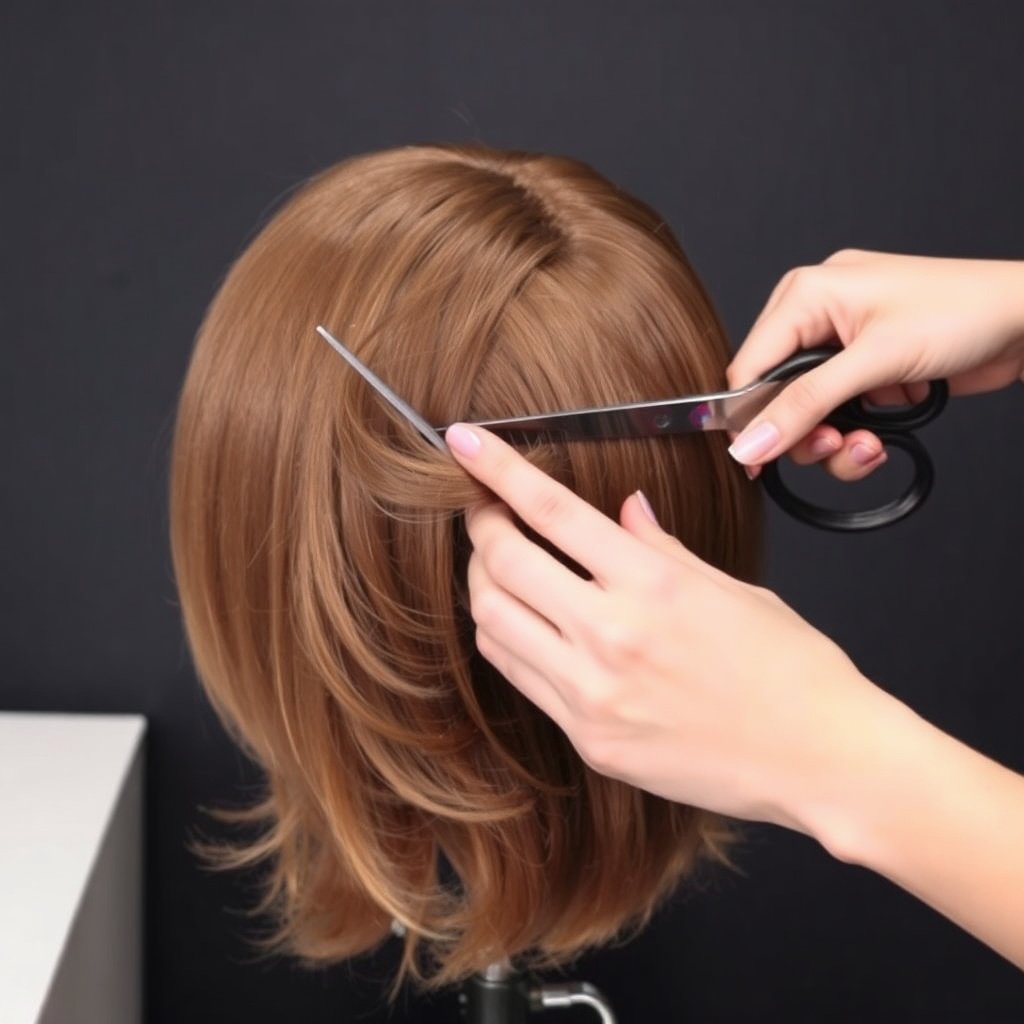
Begin by deciding the length range you want for your layers. Start at the back, comb a horizontal section, and cut the ends straight or slightly angled to form your baseline length. Use this initial cut as a guide for subsequent layers by working upward and forward in small sections.
Hold each section between your fingers and cut gradually shorter sections progressively toward the top of the wig. This overlapping and varying length creates natural-looking layers that enhance volume and shape.
- Start from back to front
- Use initial cut as length guide
- Cut short sections progressively on top
Refining and Blending Layers
After cutting the main layers, use thinning shears or point cutting to soften any blunt edges. Point cutting involves snipping vertically on the ends to create texture and break up heavy lines, making layers blend more naturally.
Comb through the wig frequently during this process to envision the overall style. Adjust as needed to avoid sharp steps or uneven lengths, especially around the sides and face framing areas where the layers can define your look.
- Use thinning shears for bulk removal
- Point cut ends to soften layers
- Comb often to check blending
Layering Techniques for Different Wig Types

Layering Human Hair Wigs
Human hair wigs behave similarly to natural hair and tolerate damp cutting, allowing for more precise layering and blending. Cutting while slightly damp gives a cleaner, more accurate shape. Human hair wigs respond well to heat styling after layering to finalize the look.
Given their durability, you can layer human hair wigs more aggressively if you want bold, defined styles. Just remember to cut conservatively at first since you can always trim more.
For more on this, see our related guide: Best Wigs for Hair Loss: Top Picks and Buying Tips.
Layering Synthetic Wigs
Synthetic wigs require more caution when layering because they don't stretch or style with heat easily. Cut dry or very lightly misted fibers to avoid damage, and use scissors cautiously to prevent fiber fraying. Layering synthetic wigs is great for subtle volume and shaping rather than drastic cuts.
For synthetic fibers, thinning and texturizing can enhance movement, but avoid thinning too much to prevent uneven patches or exposure of the wig cap.
Styling Tricks After Adding Layers to a Wig

Finishing Touches with Styling Tools
Once layering is complete, styling tools can help highlight the new shape. For human hair wigs, low-heat flat irons or curling wands enhance layers by adding bends and volume. Styling sprays designed for wigs can weigh down synthetic fibers while adding shine.
Volume-boosting mousse or lightweight spray conditioners help prevent flatness and bring out the layered cut's dimensional effect. Avoid heavy products that clog wig fibers or cause buildup.
- Low-heat heat styling for human hair wigs
- Light sprays for synthetic wigs
- Use mousse or lightweight conditioners
Maintenance Tips for Layered Wigs
Maintain the layered look by regularly detangling with a wide-tooth comb, especially at the ends where layers tend to tangle. Store the wig on a stand to preserve the cut shape and prevent flattening.
Re-cut split ends or uneven sections as needed to keep the layers crisp. Frequent gentle washing according to the wig type's care instructions helps retain the new style longer.
Common Mistakes to Avoid When Adding Layers to a Wig

Cutting Too Much at Once
One frequent error is cutting off too much hair on the first attempt. This can result in uneven layers or an excessively short cut that’s hard to fix. Always cut conservatively and build up layers gradually to avoid drastic mistakes.
If you’re unsure about the desired length, start by trimming only a small amount and reassess before proceeding further.
For more on this, see our related guide: Best Lace Front Wigs: Top Picks and Buying Tips.
Ignoring Wig Type Differences
Using human hair cutting techniques on synthetic wigs without adjustment can lead to damage or poor results. Each wig type requires a different approach in terms of wetness, heat use, and cutting style.
Failing to consider fiber type risks fraying, stretching, or dulling synthetic strands and can make styling more difficult.
Troubleshooting and Corrections for Layering Errors
Fixing Uneven Layers
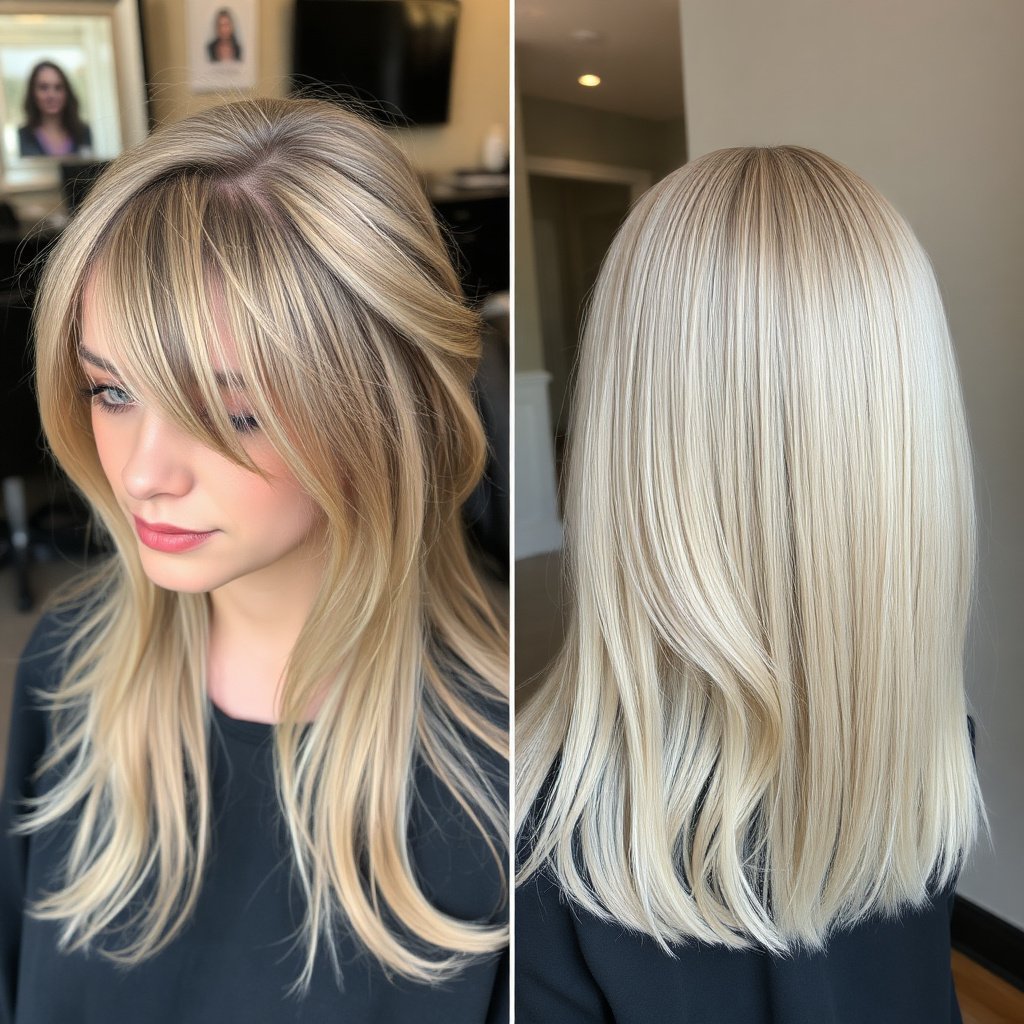
If your layers look uneven, carefully comb through the wig and identify where the inconsistencies are most pronounced. Gradually snip to even out lengths, focusing on blending harsh edges with point cutting or thinning shears to soften transitions.
Work incrementally and frequently check your work from different angles under good lighting for better accuracy.
For more background on wig types and care, consult reputable guides on wig styling basics. Wig styling basics.
Restoring Volume and Shape
Flat or lifeless layers can be revived with volumizing products and gentle blow-drying (for human hair wigs). For synthetic types, light teasing and the use of wig-friendly texturizing sprays can help regain body and dimension.
Avoid aggressive teasing which can tangle fibers; instead, build volume gradually for a natural finish.
Wig Types and Layering Suitability Comparison
This comparison highlights key differences between wig types in terms of layering methods and styling flexibility.
| Wig Type | Layering Ease | Heat Styling Compatibility | Cutting Method | Typical Longevity After Cutting |
|---|---|---|---|---|
| Human Hair | High | Full heat styling allowed | Wet or dry cutting recommended | Long-lasting with proper care |
| Synthetic Heat-Resistant | Moderate | Limited low heat usage | Dry cutting preferred | Moderate, depends on fiber quality |
| Synthetic Standard | Low | No heat styling | Strictly dry cutting | Shorter, sensitive to damage |
| Lace Front Human Hair | High | Full heat styling allowed | Wet or dry cutting | Long with careful handling |
Frequently Asked Questions
Can I add layers to a synthetic wig?
Yes, but you should cut synthetic wigs dry or lightly misted to avoid damage. Use scissors carefully and avoid aggressive thinning to maintain fiber integrity.
How often should I re-cut layers on my wig?
Depending on wear, re-cutting every few months helps manage split ends and maintain shape, especially with frequent styling.
Is layering a wig difficult for beginners?
Layering requires patience and steady hands but following step-by-step instructions and cutting conservative amounts makes it accessible for most users.
Should I cut my wig while it is wet or dry?
Human hair wigs are easier to cut slightly damp for precision, while synthetic wigs are best cut dry or with minimal moisture to prevent fiber damage.
What styling products work best for layered wigs?
Lightweight mousses, sprays designed for your wig fiber type, and minimal heat protectants help preserve layers without weighing hair down.
Key Takeaways
- Use sharp, appropriate scissors and proper tools for clean cuts.
- Prepare and section the wig carefully before layering.
- Cut gradually starting from the back, building layers progressively.
- Adjust your methods based on wig type and fiber sensitivity.
Conclusion
Successfully adding layers to a wig involves understanding both the technical process and the characteristics of the wig you are working with. By preparing your wig and tools properly, and cutting conservatively with gradual steps, you can avoid common pitfalls and create beautiful, natural-looking layers that enhance volume and style. Patience and steady technique are the best allies in this endeavor, making the finished result more rewarding.
For those using human hair or lace front wigs, wet cutting and heat-friendly styling offer more control and versatility for shaping layers. Synthetic wigs require gentler handling and dry cutting methods, resulting in subtler yet effective layering. Consider your wig fiber type when deciding on your layering approach to protect the wig’s longevity and maintain its appearance after styling.
If you are about to try adding layers to your wig, start slow with clean cuts, and keep checking your progress in a well-lit space. With practice, you can customize your wig to suit your face shape and personal style beautifully. Next, gather your tools and follow the detailed steps provided to confidently transform your wig’s look.