How Long Does a Sew-In Last? A Complete Guide to Sew-In Longevity
A sew-in can typically last anywhere from 6 to 8 weeks when installed and maintained properly. This method of hair extension involves weaving extensions into your natural hair, secured with stitching close to the scalp. With good care and regular touch-ups, you can keep the style looking fresh throughout this period.
Knowing how long a sew-in lasts helps in planning your hair care routine and scheduling appointments with your stylist. The longevity mainly depends on factors like hair growth rate, quality of installation, maintenance habits, and your hair's natural texture. Without proper care, a sew-in can deteriorate faster, leading to tangling or slipping.
This article will cover key factors influencing sew-in durability, ways to maintain your sew-in for extended wear, types of sew-ins available, and when to get touch-ups or removal. You'll also find a comparison of popular sew-in styles and answers to common questions about sew-in longevity.
Factors Affecting How Long a Sew-In Lasts

Quality of Installation
The skill and technique of your stylist play a major role in how long a sew-in lasts. A precise, tight weave close to the scalp ensures stronger hold and reduces slipping or loosening over time. Using higher quality thread and professional-grade tools also contributes to longer lifespan.
A rushed or poorly done sew-in can cause premature shedding, discomfort, and damage to natural hair. Always choose an experienced stylist familiar with your hair type and extension preferences to maximize durability.
- Tight, neat stitching
- Professional-quality thread
- Secure attachment without scalp tension
Hair Growth and Natural Texture
As your natural hair grows, the roots shift away from the stitched wefts causing the sew-in to loosen. Typically, hair grows about half an inch per month, so after 6-8 weeks, the new growth becomes noticeable, and the sew-in may require adjustment or removal.
Hair texture also matters; curlier or coarser hair may hold extensions better, whereas very fine or silky hair might lead to faster slippage. Understanding your hair's characteristics helps set realistic expectations on sew-in longevity.
- Average hair growth rate: 0.5 inch/month
- Curlier hair retains extensions longer
- Fine hair may slip sooner
Types of Sew-Ins and Their Durability

Traditional Sew-Ins
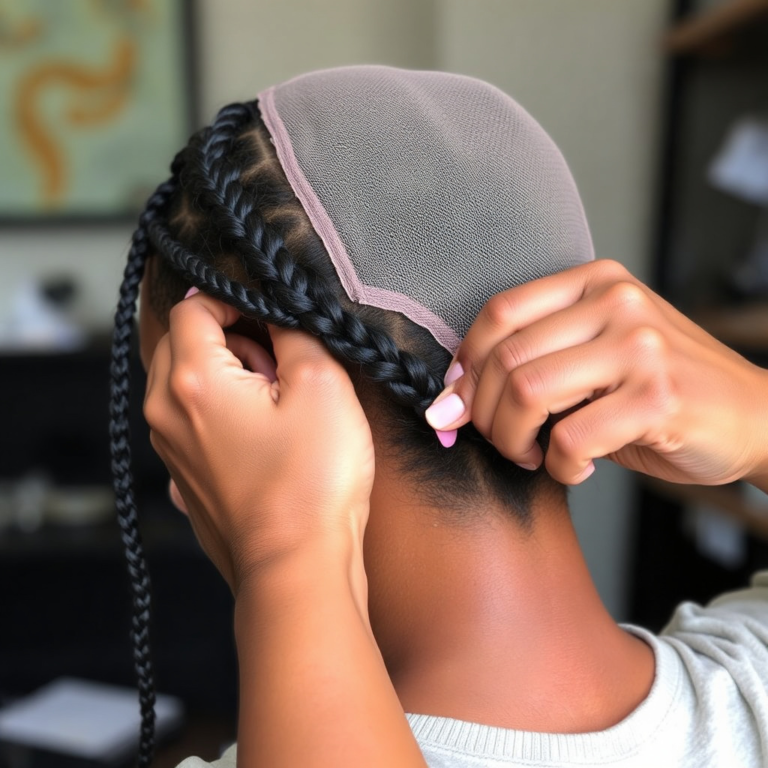
Traditional sew-ins involve braiding the natural hair into cornrows and sewing wefts directly onto these braids. These are popular for their strength and versatility to wear various hairstyles but typically last 6-8 weeks before needing removal.
Maintenance is essential with traditional sew-ins to avoid tangling and ensure scalp ventilation. They require regular moisturizing and careful washing to keep hair healthy underneath.
- Worn for 6-8 weeks
- Strong foundation with cornrows
- Requires regular upkeep
Invisible and Closure Sew-Ins
Invisible sew-ins use a more discreet method where the wefts are sewn under a closure or frontal piece, providing a natural hairline appearance. Closure sew-ins also include a lace or silk closure sewn on top of the braids.
These styles last about the same time as traditional sew-ins but often look neater and require professional installation. The hair under the closure tends to be protected better, which may prolong your sew-in's neat look.
- Natural hairline look
- Lasts 6-8 weeks
- Requires expert application
Sew-In Hair Maintenance Tips to Extend Wear

Cleaning and Hydration
Proper cleaning without disturbing the weave can extend your sew-in's life. Use sulfate-free shampoos applied carefully to the scalp and avoid heavy soaking of the extensions. Hydrating with leave-in conditioners and light oils keeps both natural hair and extensions moisturized.
Avoid product buildup which can stress the stitching and lead to loosening or tangling. A regular but gentle routine is key to preserve the sew-in’s appearance and scalp health.
- Use sulfate-free shampoos
- Apply leave-in conditioners lightly
- Avoid heavy product buildup
For more on this, see our related guide: How Much Hair Do I Need for a Sew In? the Complete Answer.
Nighttime and Styling Care
Wrapping your hair with a silk or satin scarf at night helps reduce friction that causes frizz and thread weakening. Sleeping on a silk pillowcase offers additional protection. Avoid excessive heat styling or tight hairstyles that tug on the sew-in to prevent premature loosening.
Detangling gently with your fingers or a wide-tooth comb minimizes damage. Regularly checking for any loose threads lets you address minor issues before they worsen.
- Use silk/satin scarf or pillowcase
- Avoid heat and tight styles
- Detangle carefully
When and How to Remove or Touch Up a Sew-In

Signs It’s Time to Remove or Refresh
Common signs include visible new hair growth along the scalp, tangling near the wefts, discomfort from tightened braids, or loosened extensions slipping out. Generally, after 6-8 weeks, it’s advisable to remove or refresh your sew-in to protect your natural hair health.
Waiting too long can cause matting and even hair breakage, so timely removal or touch-up appointments are critical for ongoing hair integrity.
- Noticeable new hair growth
- Extension slippage
- Braids causing scalp tension
Professional Removal and Reinstallation Tips
Always have a professional stylist remove your sew-in to avoid hair damage. They’ll cut the securing threads carefully and can advise on scalp treatment before reinstalling or transitioning to a new style.
Reinstallation frequency depends on hair growth and condition but typically ranges between 6 and 8 weeks. Giving your hair a short break between sew-ins may help improve hair health.
- Professional removal is safest
- Allow scalp treatment between installs
- Plan reinstallations every 6-8 weeks
Sew-In Hair Maintenance for Lasting Results

Securing Braids and Scalp Care
Maintaining clean, well-moisturized scalp and secure braids helps preserve the foundational structure of the sew-in. Use lightweight scalp oils or serums designed to nourish without causing build-up which can contribute to itching or hair loss.
Inspect your braids regularly for any slipping or unraveling, which can compromise the hold. Keeping your scalp healthy supports longer-lasting, comfortable wear.
- Lightweight scalp oils recommended
- Check braids weekly
- Promotes scalp health
For more on this, see our related guide: How Long Does a Weave Last? the Complete Answer.
Routine Securing and Re-tightening
Some stylists offer minor re-tightening sessions to reinforce the weave midway through wear, especially if you intend to keep the sew-in longer than 6 weeks. This service adds longevity by addressing weak spots without total removal.
Keep in mind re-tightening should be gentle and spaced out to avoid scalp strain or damage to the natural hair.
- Mid-wear re-tightening option
- Avoid frequent tightening
- Supports longer duration
Choosing the Right Sew-In for Your Hair Type

Sew-In for Fine or Thin Hair
For fine or thin hair, lightweight sew-ins with smaller braids and minimal extension weight help prevent stress and breakage. Invisible sew-ins using closures can provide natural-looking coverage while protecting delicate strands.
Consult your stylist about using softer thread types and avoiding tight braiding techniques to suit your hair’s fragility.
- Light, minimal weight extensions
- Use closures for protection
- Gentle braiding technique
For a broader understanding of sew-in styles and techniques, the Sew-in hairstyle overview on Wikipedia provides detailed background information. Sew-in hairstyle overview on Wikipedia.
Sew-In for Thick or Curly Hair
Thicker or curlier hair can typically support heavier extensions and tighter braids, resulting in longer-lasting sew-ins. Traditional sew-ins are popular in this category and can accommodate a wide range of styles with healthy scalp care.
Maintaining moisture is essential to prevent dryness and breakage under the braids, especially if wearing the sew-in for weeks.
- Tight braiding possible
- Can hold heavier extensions
- Moisture-focused care necessary
Sew-In Style Longevity Comparison
The following table compares common sew-in styles based on their typical lifespan, installation method, and maintenance needs.
| Sew-In Style | Typical Duration | Installation Method | Maintenance Level |
|---|---|---|---|
| Traditional Sew-In | 6-8 weeks | Braiding natural hair into cornrows and sewing wefts | Moderate |
| Invisible Sew-In | 6-8 weeks | Wefts sewn beneath closures or frontals for natural look | High |
| Closure Sew-In | 6-8 weeks | Addition of lace or silk closure sewn onto braids | High |
| Remy Hair Sew-In | Up to 8 weeks | Using premium Remy human hair with traditional method | Moderate |
| Synthetic Hair Sew-In | 3-5 weeks | Similar techniques but synthetic hair used | Low |
Frequently Asked Questions
How often should I wash my hair with a sew-in?
Wash your hair gently every 1 to 2 weeks using sulfate-free shampoos to keep the scalp clean and avoid product buildup, which can weaken the sew-in bonds.
Can I swim or exercise with a sew-in?
Yes, but use a swim cap in chlorinated pools and rinse hair thoroughly afterward. Avoid excessive sweating by tying hair up during exercise to protect the weave.
Will sew-ins damage my natural hair?
If installed and maintained properly without excessive tension, sew-ins should not cause damage. However, improper installation or neglect can lead to breakage or thinning.
Can I re-use the same sew-in extensions?
High-quality extensions can often be re-used if removed carefully and cleaned properly, but repeated use may reduce their softness and appearance.
What should I do if my sew-in feels tight or uncomfortable?
Contact your stylist for adjustment or removal if discomfort persists. Tight sew-ins can cause scalp pain and hair loss if not addressed.
Key Takeaways
- Sew-ins generally last 6-8 weeks with proper care and installation.
- Hair growth and natural texture impact sew-in longevity.
- Maintenance like gentle washing and nighttime protection extends wear.
- Professional removal and periodic touch-ups protect natural hair health.
Conclusion
Understanding how long a sew-in lasts involves considering factors such as installation quality, hair type, and maintenance habits. The 6- to 8-week timeframe is a practical guideline for most, balancing stylish wear with natural hair health. Knowing when to refresh or remove the sew-in prevents damage and keeps your hair looking its best. Incorporating a routine that supports scalp care and gentle handling will maximize the benefits of a sew-in hairstyle while minimizing risks.
For those with fine or thin hair, invisible or closure sew-ins are excellent options that reduce tension and improve natural appearance. On the other hand, traditional sew-ins work well for thicker or curlier hair textures, allowing for more versatile styling and stronger hold. High-quality extensions like Remy hair can enhance longevity if maintained properly. Each style and hair type pairing helps shape a tailored care plan for longer-lasting results.
If you’re planning to get a sew-in, start by finding a skilled stylist who understands your hair’s needs and can guide you through the process. Commit to a maintenance routine that includes gentle cleaning, hydration, and nighttime protection to keep your sew-in looking fresh. Monitor your scalp for any discomfort and schedule regular touch-ups or removal around week six to eight to protect natural hair integrity. Taking these steps ensures you enjoy your sew-in’s benefits fully and safely.