How to Wash a Quick Weave: Step-by-Step Care Tips
To wash a quick weave, you need to treat it gently to avoid loosening the tracks or causing tangling. Start by detangling with a wide-tooth comb, then use a diluted shampoo or a sulfate-free cleanser. Rinse carefully with lukewarm water and condition the weave without soaking the base attachment. Always air dry or use a blow dryer on low heat to keep the quick weave intact.
Managing a quick weave properly is vital because frequent washing or rough handling can weaken the weave’s adhesive and the hair strands themselves. Regular care helps maintain its natural look and feel while reducing buildup of oils and environmental debris. This care routine ensures your quick weave lasts longer and stays comfortable on your scalp.
This article will cover detailed tips on washing a quick weave, including what products to use, how often to wash, drying methods, and general maintenance advice for keeping your quick weave in the best possible condition.
Preparing Your Quick Weave for Washing

Detangling and Sectioning
Before washing, carefully detangle the quick weave using a wide-tooth comb starting from the ends upward to avoid pulling on the base. Break the hair into manageable sections by clipping them, which helps prevent tangling during the washing process.
Sectioning the weave allows for focused cleansing and makes it easier to rinse thoroughly without disturbing the adhesive or braids beneath. Use gentle strokes and avoid tugging to protect the integrity of the weave.
- Use a wide-tooth comb
- Start detangling at the ends
- Clip hair into sections
- Be gentle to protect adhesive
Choosing the Right Cleansing Products
Selecting mild or sulfate-free shampoos designed for synthetic or treated hair is crucial because harsh cleansers can strip moisture and cause frizz or matting. Avoid heavy oils or products that leave residue as they can weaken the bonding glue.
You can also dilute your shampoo with water to make it less concentrated, ensuring a gentler clean. Some people prefer cleansing conditioners or no-rinse cleansing sprays for quick refreshes between washes.
- Sulfate-free, gentle shampoo
- Dilute shampoo with water
- Avoid heavy oils
- Consider cleansing conditioners
Washing Techniques for Quick Weaves

Gentle Shampoo Application
Apply the diluted shampoo lightly, focusing on the hair strands rather than the base attachment. Use a downward motion to cleanse the hair while avoiding aggressive scrubbing, which can loosen the weave.
Pay attention to the scalp area without saturating the braided base too much, as excess moisture can weaken the bond holding the quick weave in place.
For more on this, see our related guide: How Long Does a Weave Last? the Complete Answer.
Thorough Rinsing and Conditioning
Rinse the shampoo out with lukewarm water flowing in a downward direction to help smooth the hair cuticles. Do not use hot water, which may affect the adhesive properties negatively.
Apply a light conditioner to the mid-lengths and ends, steering clear of the base. Leave the conditioner in for a few minutes before rinsing thoroughly to restore moisture and softness.
Drying and Styling After Washing Your Quick Weave

Drying Methods to Prevent Damage
Avoid rubbing the weave vigorously with a towel; instead, gently pat or squeeze excess water using a microfiber cloth. Air drying in a well-ventilated space is the safest option to prevent heat damage and maintain the quick weave’s structure.
If you opt for a blow dryer, always use the lowest heat setting and keep a distance to reduce stress on the fibers and adhesive.
- Pat dry with microfiber cloth
- Air dry in ventilated room
- Low heat blow dryer if necessary
Maintaining Style and Texture
Once dry, detangle the hair gently again and style with low-heat tools or no heat at all to prolong the life of the quick weave. Use lightweight products like serums or sprays designed for synthetic hair to add shine and reduce frizz without buildup.
Avoid excessive manipulation and sleep with a loose silk or satin bonnet to protect the weave overnight.
- Gentle detangling after drying
- Use lightweight styling products
- Protect overnight with satin bonnet
Frequency and Routine in Quick Weave Maintenance

How Often to Wash Your Quick Weave
Washing a quick weave too often can cause damage and loosen the adhesive tracks. Typically, washing every 1 to 2 weeks is recommended depending on lifestyle and exposure to sweat or dirt.
If you are active or expose your hair to pollutants frequently, you might increase washing frequency slightly but avoid soaking the base.
- Wash every 1-2 weeks
- Adjust based on activity level
- Avoid soaking the base
For more on this, see our related guide: Best Weave Hair: Top Picks and Buying Tips.
Incorporating Quick Weave Maintenance into Daily Care
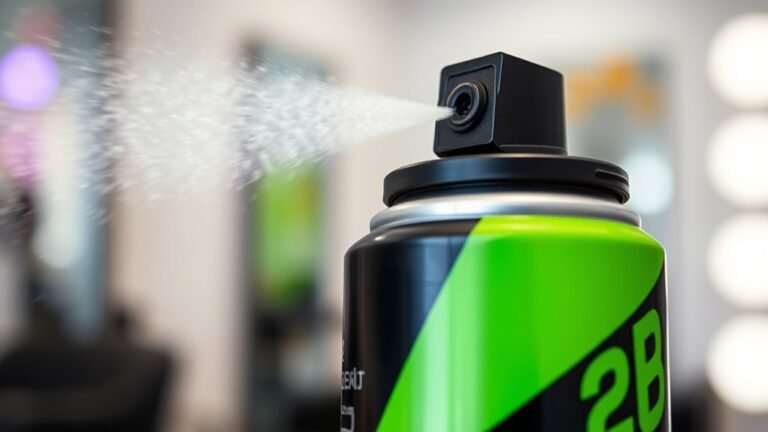
Maintain your quick weave daily by gently brushing, protecting with scarves or bonnets, and applying anti-frizz sprays to keep the weave tidy between washes.
Regularly moisturize the scalp and edges to prevent dryness without saturating the tracks, helping prolong the overall look and feel.
- Daily gentle brushing
- Use protective scarves/bonnets
- Moisturize scalp carefully
Common Mistakes to Avoid When Washing a Quick Weave

Overwashing and Excessive Scrubbing
Overwashing often leads to weakening of the adhesive bonds, causing premature loosening or shedding. Avoid aggressive scrubbing motions on the quick weave as this disturbs the underlying braids and fabric base.
Using harsh shampoos with sulfates or heavy oils can build up residue or dry out the hair fibers, diminishing the weave’s appearance over time.
For a broader overview of quick weave methods and care, refer to this quick weave care guide. quick weave care guide.
Improper Drying and Use of Heat
Applying high heat from blow dryers or styling tools directly to the quick weave can melt synthetic fibers or break down bonding glue. Letting the weave stay damp for long periods also invites mildew growth and scalp irritation.
Always use low heat settings and ensure complete drying to keep the quick weave healthy and durable.
Quick Weave Types Comparison
Here's a comparison of common quick weave types to help you select the best maintenance approach for your needs.
| Type | Material | Lifespan | Washing Frequency | Care Difficulty |
|---|---|---|---|---|
| Synthetic Hair Weave | High-quality synthetic fibers | 4-6 weeks | 1-2 weeks | Moderate |
| Human Hair Weave | Processed human hair | 6-8 weeks | Every 1 week | High |
| Remy Human Hair Weave | Cuticle-intact human hair | 8-10 weeks | 1 week | High |
| Yaki Texture Weave | Stronger synthetic or human blend | 6-8 weeks | 1-2 weeks | Moderate |
Frequently Asked Questions
Can you wash a quick weave with hot water?
No, hot water can weaken the adhesive holding the quick weave and cause the fibers to frizz or become damaged. Use lukewarm or cool water for washing.
Is it necessary to wash a quick weave regularly?
Yes, washing every 1 to 2 weeks removes buildup and keeps the hair looking fresh, but washing too often can cause damage.
Can I use regular shampoo on my quick weave?
It's better to use sulfate-free and gentle shampoos formulated for treated or synthetic hair to avoid drying or damaging the weave.
How do I avoid tangling during washing?
Detangle carefully before washing, section the hair, and use gentle downward motions when applying shampoo and rinsing.
Should I blow dry my quick weave after washing?
Air drying is preferred, but if blow drying, use a low heat setting and keep the dryer at a safe distance from the weave.
Key Takeaways
- Treat quick weave gently to protect adhesive and hair strands during washing.
- Use diluted, sulfate-free shampoos and avoid heavy oils or harsh chemicals.
- Wash quick weave every 1-2 weeks depending on lifestyle and exposure.
- Air dry or use low heat blow dryer to extend quick weave lifespan.
Conclusion
Washing a quick weave requires a balanced approach that cleanses the hair without damaging the adhesive or fibers. The key is to be gentle—detangle carefully, use mild shampoos, and avoid over-washing. Protecting the base from excess moisture and heat will keep the weave firmly in place and maintain its fresh look. Regular care can greatly enhance the quick weave’s durability and overall appearance.
Different types of quick weaves such as synthetic or Remy human hair require specific attention to cleansing and drying. Synthetic weaves generally allow for slightly less frequent washing but need mild shampoos, while human hair weaves may benefit from more frequent moisturizing conditioning. Tailoring your maintenance routine to the weave type and your daily activities ensures optimal results and necks down unwanted damage.
Once comfortable with the washing and drying steps outlined, create a care schedule that fits your lifestyle and stick to it. Use complementary maintenance tactics like gentle detangling and protective night wraps between washes. This combination of washing technique and routine upkeep will keep your quick weave looking polished and feeling comfortable for weeks.