How to Install a Headband Wig: Step-by-Step Guide for a Secure Fit
Installing a headband wig is a straightforward process that anyone can master quickly. Begin by preparing your natural hair—either braiding or using a wig cap—then place the wig on your head and adjust the headband to sit comfortably along your hairline. The key is ensuring the wig sits securely without the need for glue or adhesives.
Headband wigs offer a versatile alternative to traditional lace fronts because they’re easier to install and remove while providing a natural-looking hairline. This method eliminates the fuss of adhesive and reduces damage to your natural hair, making it a popular choice for everyday wear and quick styling changes.
This guide will walk you through choosing the right wig, prepping your natural hair, how to install the headband wig securely, common styling tips, maintenance advice, and troubleshooting frequent issues to help you get the best look from your headband wig.
Choosing the Right Headband Wig

Material and Cap Construction
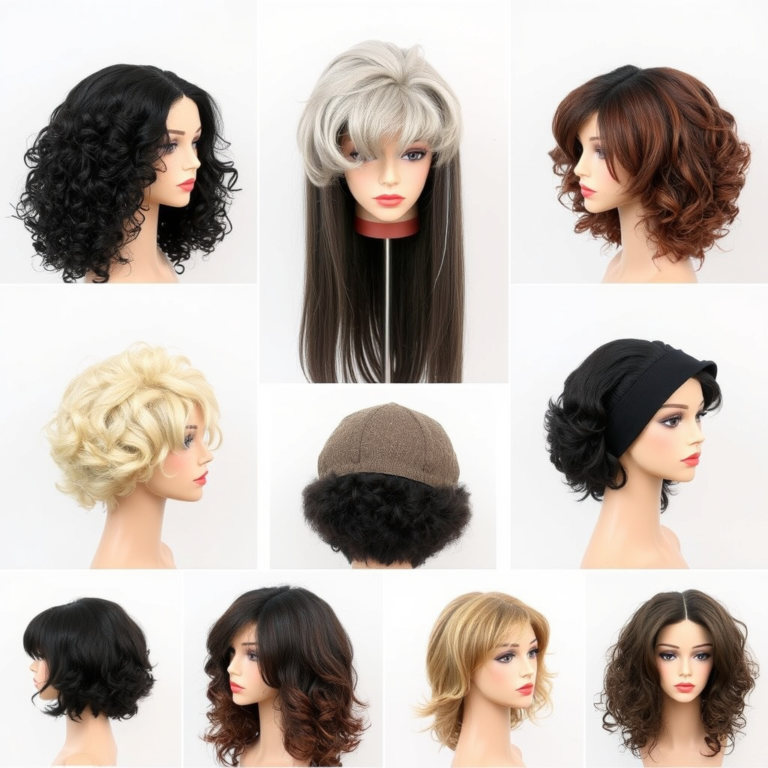
Selecting the right material for your headband wig affects comfort and longevity. Human hair wigs offer the most natural look and styling versatility but typically cost more. Synthetic wigs are affordable and require less maintenance, but they may have a shorter lifespan and limited styling options.
Cap construction varies; some headband wigs come with breathable mesh caps, which help prevent heat buildup, while others feature adjustable straps for a snug fit. Understanding these features helps you find a wig that fits comfortably for long wear.
- Human hair vs. synthetic fibers
- Breathable mesh caps for comfort
- Adjustable straps for size customization
Headband Styles and Colors
The headband itself can be a fashion statement or simply functional. Some wigs include plain elastic bands, while others feature decorative bands in different fabrics like velvet, printed cotton, or embellished designs. Choosing a headband color and style that complements your face shape and outfit enhances overall appearance.
Consider how the headband will blend with your wig style. If your wig has curls or waves, wider headbands might hold them better. Thin bands usually work well with straight hairstyles for a sleek finish.
- Plain vs. decorative headbands
- Color coordination with wardrobe
- Width choices for different hair textures
Preparing Your Natural Hair Before Installation
Hair Protection Techniques
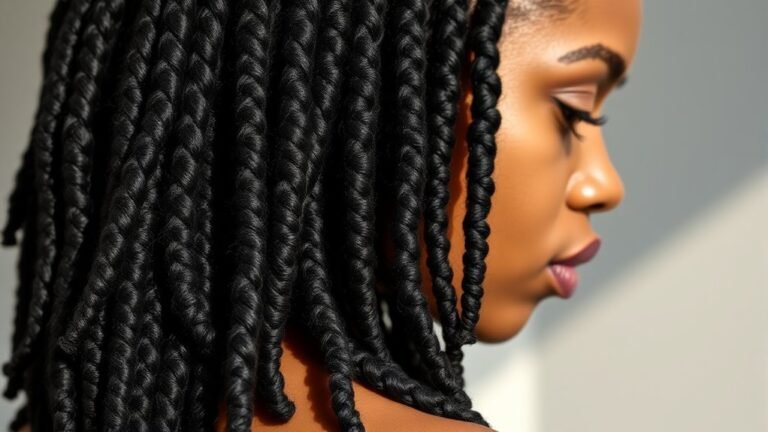
Before installing a headband wig, it’s essential to prepare your natural hair properly to protect it from damage and create a smooth base. Braiding your hair into cornrows or flat braids lowers bulk and helps the wig sit flat.
If braiding isn’t preferred, use a wig cap to hold your hair in place and prevent slipping. The cap also minimizes friction between your natural hair and the wig fibers, reducing breakage.
- Cornrow braids for flattening hair
- Using wig caps for security and protection
- Avoiding excessive tension to prevent hair damage
For more on this, see our related guide: Best Wigs for Black Women: Top Picks and Buying Tips.
Scalp Care and Cleanliness
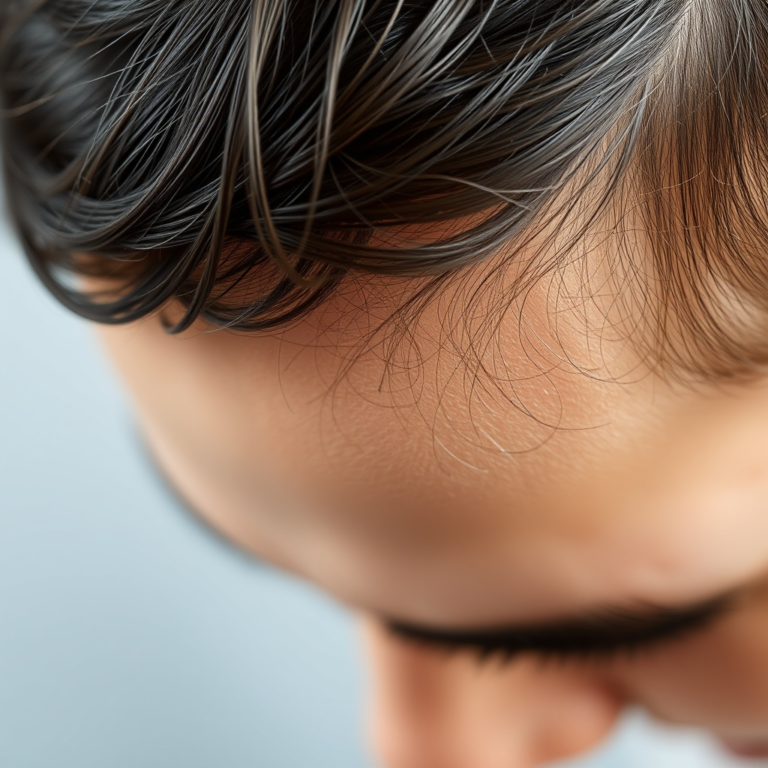
Keeping the scalp clean before wig application reduces oil buildup that can cause slippage. Wash and condition your hair thoroughly, and ensure the scalp is dry before installation to maximize wig grip.
Applying a light moisturizer or scalp serum beforehand can prevent dryness or itching under the wig, enhancing comfort throughout wear.
- Washing and drying hair before installation
- Using scalp serums for moisture
- Ensuring no greasy residues remain
Step-by-Step Headband Wig Installation
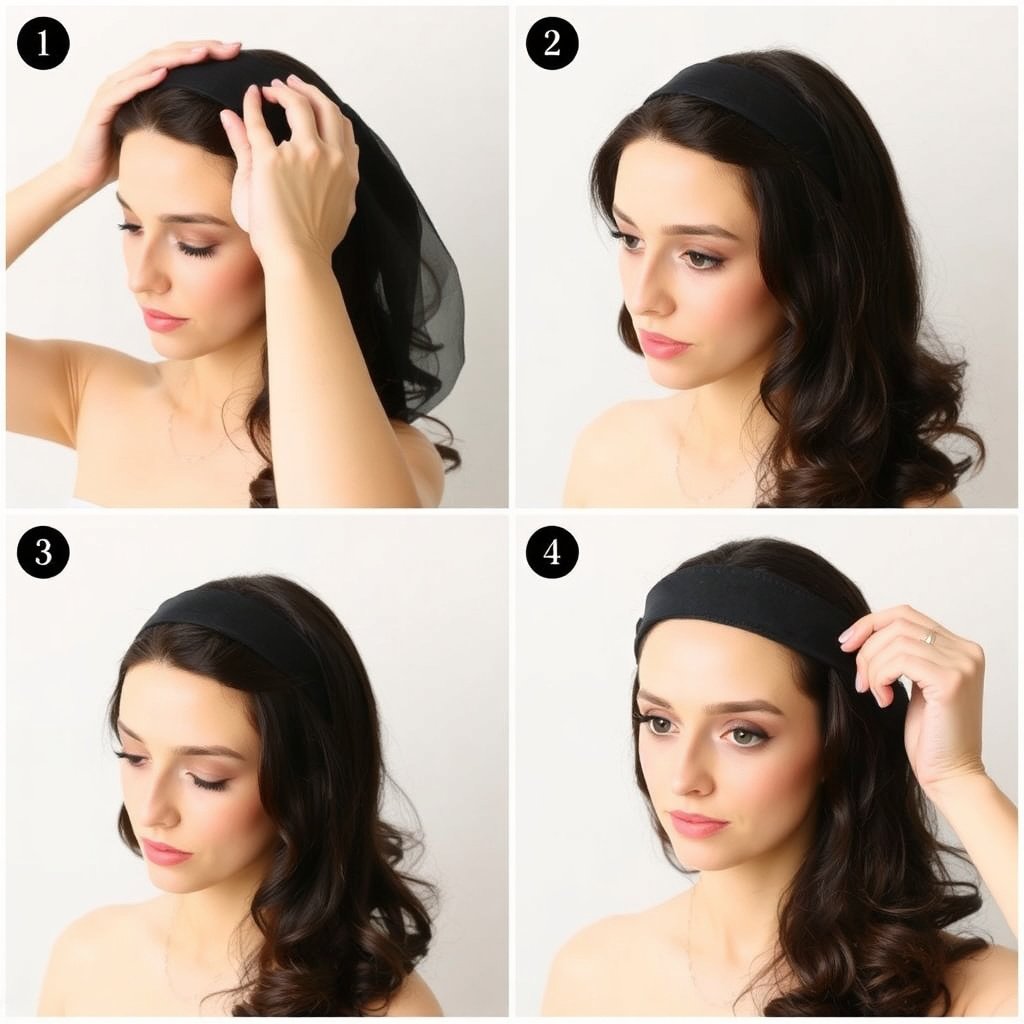
Initial Wig Placement
Start by holding your headband wig by the sides and placing it onto your head with the headband facing forward. Position the wig so the band sits comfortably on your forehead just above your natural hairline.
Make sure the wig cap covers your natural hair and lays flat without bumps. Adjust the inner straps, if available, to secure the cap snugly before fixing the headband in place.
- Place wig starting at forehead
- Adjust inner straps for secure fit
- Ensure wig cap covers all hair evenly
Securing and Styling the Headband
Once the wig is in place, pull the headband towards the nape of your neck and secure it tightly but comfortably. Smooth any flyaways around the edges with a comb or fingers to maintain a natural look.
Style the headband wig as desired. Because the headband holds the wig in place, you can part your hair freely or add slight curls or waves for volume without worrying about slippage.
- Pull headband snugly to neck
- Smooth flyaways around hairline
- Style wig freely without adhesive
Headband Wig Styling Tips
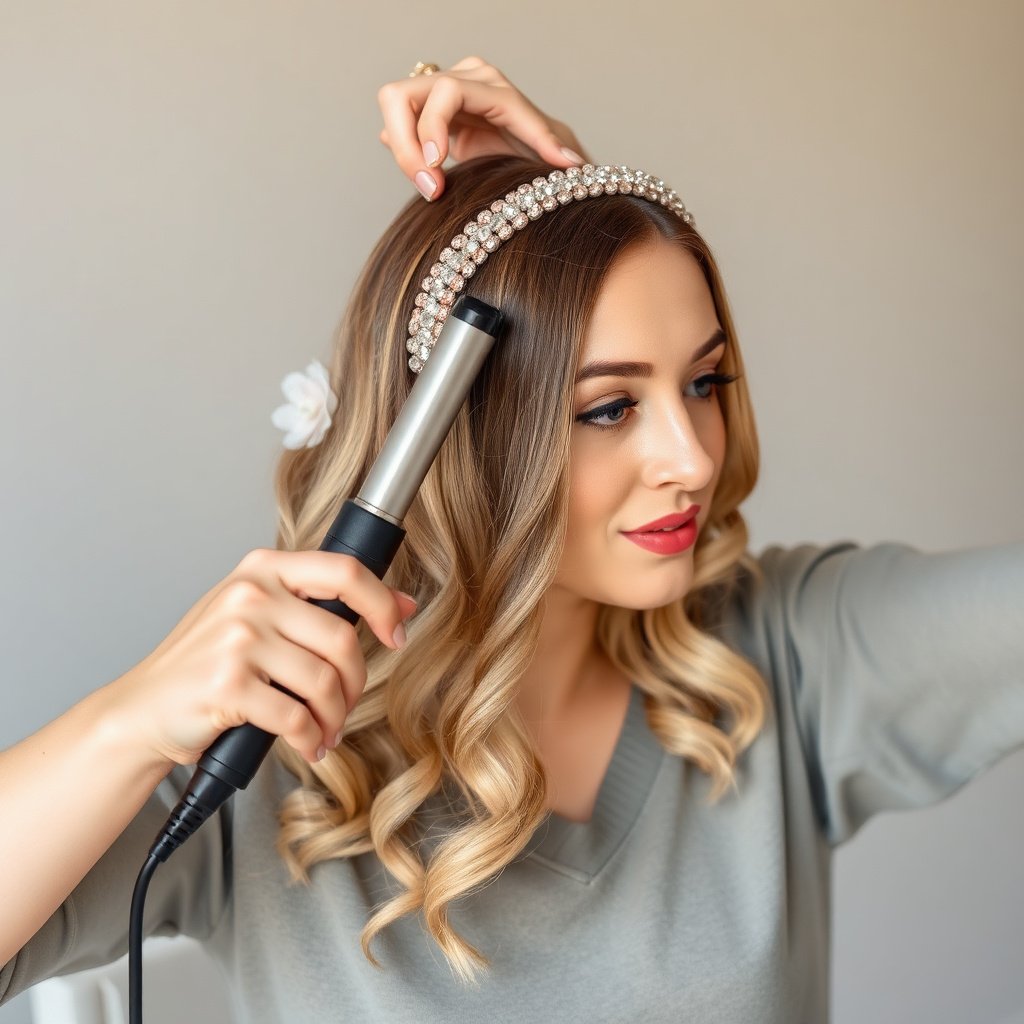
Enhancing Natural Appearance
To make your headband wig look as natural as possible, blend the headband with your outfit and makeup. Neutral-toned headbands minimize attention to the wig’s edge, and light makeup around the hairline softens any visible lines.
Experiment with parting the wig differently—side parts or middle parts—to frame your face in flattering ways. The headband wig’s flexibility allows quick changes that suit your mood or occasion.
- Color-matched headbands
- Makeup blending around hairline
- Different parting techniques
For more on this, see our related guide: Best Lace Front Wigs: Top Picks and Buying Tips.
Heat Styling and Maintenance
Human hair headband wigs can be styled with heat tools, but use a heat protectant to extend the wig’s life. Synthetic wigs require low-temperature tools or non-heat styling methods to avoid fiber damage.
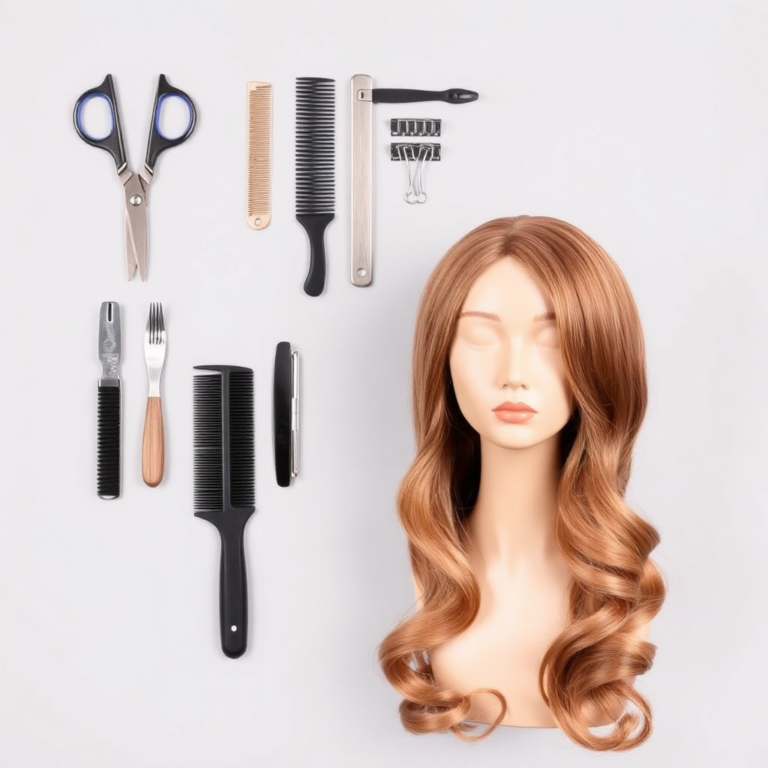
After styling, gently remove tangles with a wig brush and store the wig on a stand to retain shape. Washing the wig occasionally with wig-safe shampoo keeps it fresh and manageable.
- Use heat protectant sprays
- Avoid high temperatures on synthetics
- Regular gentle brushing and washing
Common Issues and Troubleshooting
Handling Slippage and Fit Problems
If you notice the wig slipping during wear, it may indicate the headband is too loose or your natural hair isn’t secured properly underneath. Tighten the inner straps or redo the braids to keep the wig firmly in place.
Using wig grips or double-sided tape beneath the wig cap can add extra security without adhesives directly on hair, especially for active days.
- Tighten wig straps
- Redo hair braids or use a wig cap
- Consider wig grip bands for extra hold
For more detailed background on wigs and their varieties, see this comprehensive headband wig information resource. headband wig information.
Dealing with Discomfort and Itching
Discomfort under the headband wig usually comes from tension or scalp sensitivity. Choose soft, breathable headbands and avoid overtightening to reduce pressure points.
If itching occurs, scalp sprays or anti-itch serums specifically made for wig wearers can provide relief and improve comfort throughout the day.
- Select soft, breathable materials
- Avoid overtightening straps
- Use scalp soothing products
Comparison of Headband Wig Types
Here’s a quick comparison of popular headband wig categories to help you pick the best option for your needs.
| Category | Material | Price Range | Installation Time | Styling Flexibility |
|---|---|---|---|---|
| Human Hair Headband Wig | 100% Human Hair | $100 – $300 | 10-15 minutes | High |
| Synthetic Headband Wig | Synthetic Fibers | $30 – $100 | 5-10 minutes | Moderate |
| Lace Front Headband Wig | Mixed Human & Synthetic | $150 – $350 | 15-20 minutes | Very High |
| Velvet Headband Wig | Synthetic or Human Hair | $50 – $200 | 5-15 minutes | High |
| Printed & Patterned Headband Wig | Varies | $40 – $150 | 5-10 minutes | Moderate |
Frequently Asked Questions
Can I install a headband wig without braiding my hair?
Yes, you can skip braiding by using a wig cap that holds your hair flat. However, braiding helps create a smoother base and can improve the wig’s fit and longevity.
How often should I wash my headband wig?
Washing frequency depends on usage and product buildup. Typically, washing every 10-15 wears keeps the wig clean while preserving its fibers.
Is it safe to sleep with a headband wig on?
Sleeping with a headband wig on can cause tangling and damage, so it’s best to remove it before bedtime and store it properly.
Can I swim while wearing a headband wig?
Headband wigs are not designed for swimming, as water can damage fibers and loosen the cap. It’s recommended to remove the wig beforehand.
What’s the best way to keep the headband clean?
Remove the headband portion and hand wash it periodically with mild detergent to maintain elasticity and appearance.
Key Takeaways
- Headband wigs offer easy installation without glue or adhesives
- Proper hair preparation improves fit and comfort
- Wig material and headband style affect appearance and durability
- Regular maintenance prolongs wig life and wearability
Conclusion
Choosing and installing a headband wig involves understanding your hair type, intended use, and comfort preferences. Evaluating wig materials such as human hair or synthetic and the style of headband allows you to find an option that fits your lifestyle. Preparing your natural hair correctly ensures a secure, natural appearance, while ongoing care keeps the wig looking fresh.
For those seeking flexibility and minimal installation effort, synthetic headband wigs work well for casual daily wear, whereas human hair versions offer styling freedom for more formal occasions. Styles like lace front headband wigs provide a balance of realism and ease but require slightly more installation time. Decorative headbands provide quick personality boosts without complicated setups.
If you’re new to headband wigs, start with simpler synthetic options and basic headbands to build confidence before trying more expensive or intricate styles. Experiment with various partings and headband placements to see what suits your face best. Maintaining your wig carefully and troubleshooting common fit or comfort issues helps you enjoy your look with confidence every day.