
Which Wig Is Best for Natural Hair? Expert Buying Guide
The best wig for natural hair is one that blends seamlessly with your own texture, protects your scalp, and allows your hair to breathe. Lace front wigs and 100% human hair wigs are top choices because they look natural and can be styled to match your unique hair. Synthetic wigs with good fiber quality are also an option for affordability and low maintenance.
Choosing the right wig matters because natural hair has distinct needs: minimizing damage, maintaining moisture, and preventing breakage are essential. A good wig can act as a protective style, giving your hair a chance to grow while still letting you explore new looks. Comfort and scalp health also play a big role since you’ll want to wear it for hours without irritation.
This article will explore different wig types suitable for natural hair, how to pick one that matches your hair texture and lifestyle, key materials to consider, and maintenance practices to keep both your wig and natural hair in great condition.
Understanding Wig Types for Natural Hair
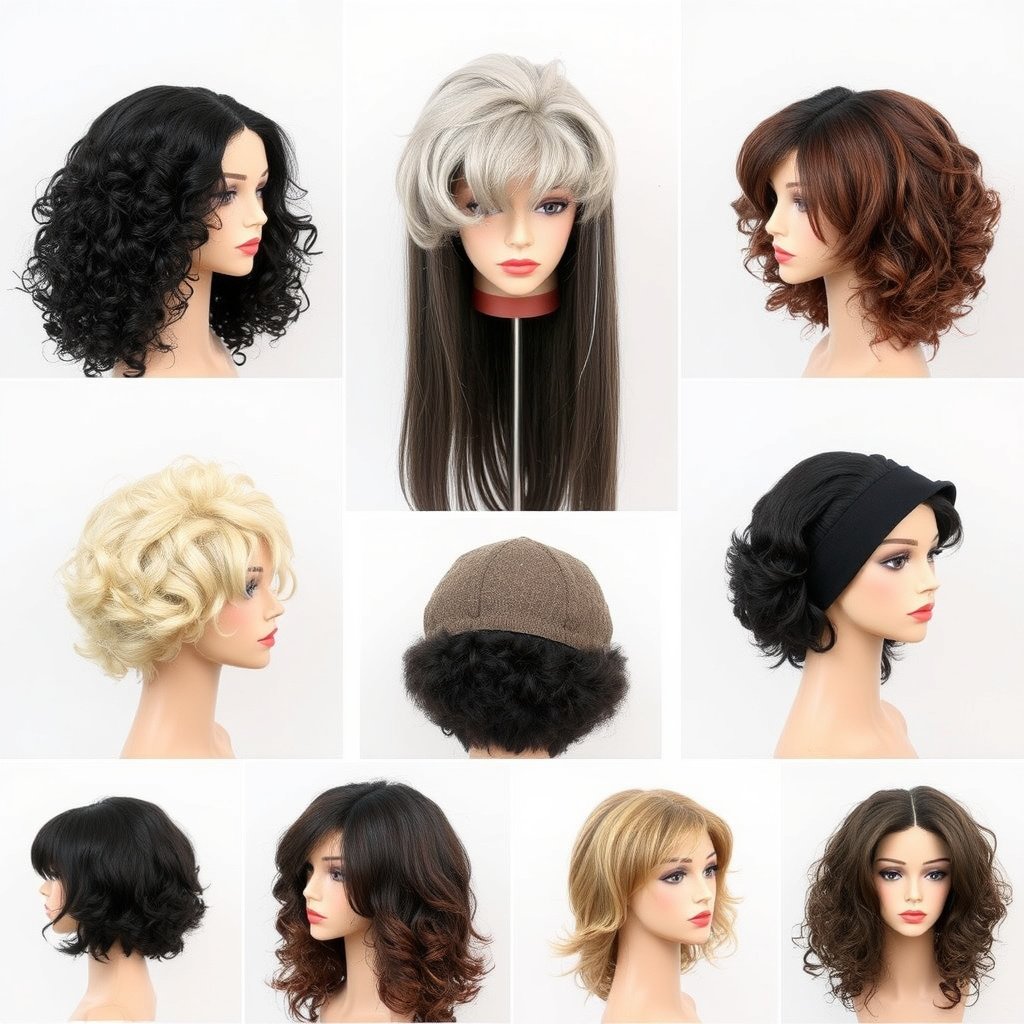
Lace Front Wigs: Appearance and Fit
Lace front wigs are widely praised for their realistic hairline that mimics natural growth, making them excellent for users seeking a natural look. The sheer lace in the front blends with your skin, and many are made with adjustable straps for a snug fit.
They come in a variety of textures to match natural hair, such as curly, wavy, and straight patterns. Lace front wigs also allow styling versatility, including the option to part the hair in different directions, which is ideal for natural hair lovers who want authenticity.
- Realistic hairline with sheer lace
- Adjustable straps for secure fit
- Versatile styling options
Full Lace Wigs for Ultimate Flexibility
Full lace wigs offer even greater flexibility compared to lace front wigs. The entire cap is made of lace, allowing the wearer to part and style the hair anywhere, including updos and ponytails, which is beneficial for those wanting to replicate natural hair movement.
Though they are generally more expensive, full lace wigs are breathable and lightweight, which helps maintain scalp comfort during extended wear. These benefits make them an excellent choice for people with sensitive scalps or those who prioritize the natural hair experience under their wig.
- Complete styling freedom
- Lightweight and breathable cap
- More expensive but more natural
Materials That Enhance Natural Hair Compatibility
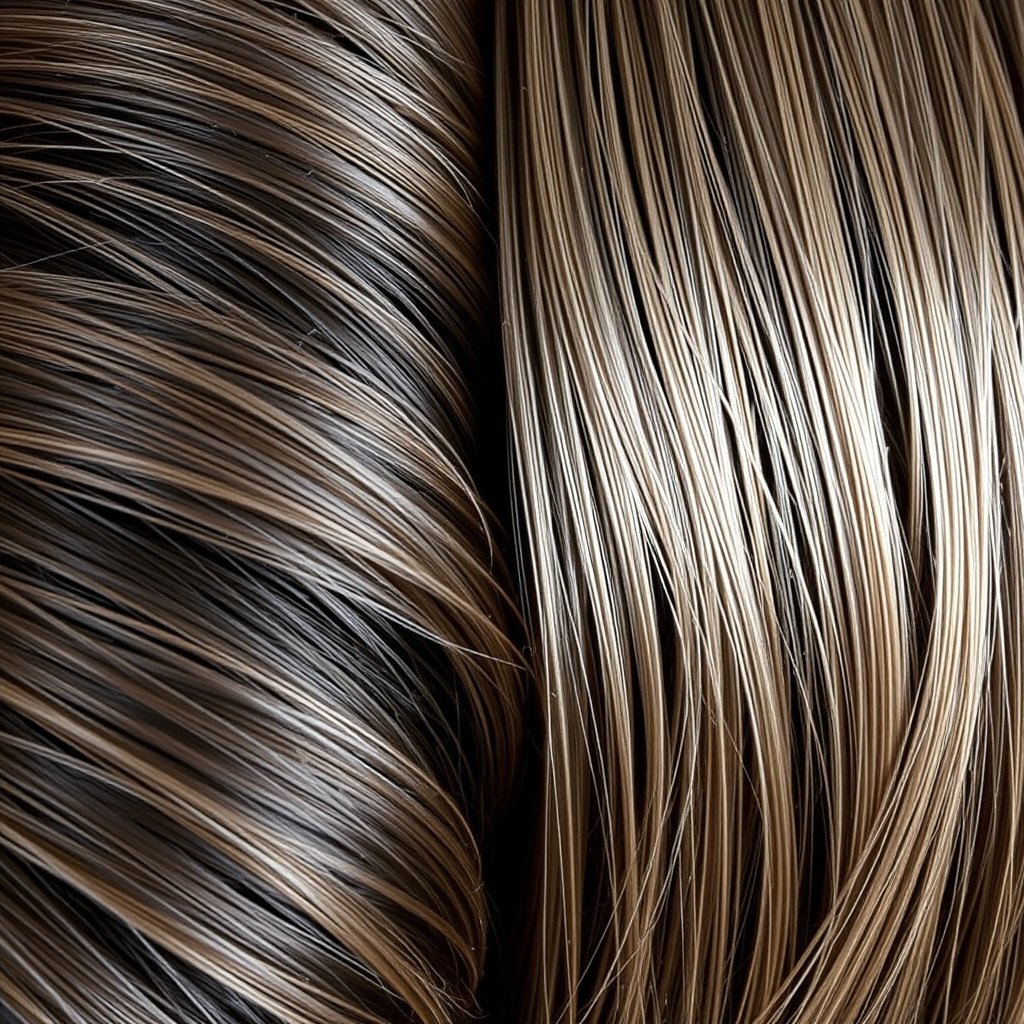
100% Human Hair Wigs: Texture and Longevity
Human hair wigs are often considered the highest quality option for natural hair because they offer authentic texture and can be styled with heat tools just like your own hair. Their durability can extend to months with proper care, making them cost-effective over time.
They blend effortlessly with natural hair textures like coily, wavy, or straight. Because they lack the unnatural shine common with many synthetics, human hair wigs provide a more discreet and unified look, enhancing confidence for everyday or special occasions.
- Authentic texture matches natural hair
- Styling versatility with heat tools
- Durable with proper maintenance
For more on this, see our related guide: Which Wig Is Best for Beginners? A Clear Guide to Finding Your Perfect Starter Wig.
High-Quality Synthetic Fibers: Affordable and Low Maintenance
Modern synthetic wigs use fibers like Kanekalon or Toyokalon that mimic the look and feel of natural hair with less glossiness than older models. They are pre-styled and maintain their shape through washing, which appeals to those needing convenience.
While synthetic wigs are more affordable, their limited heat resistance and styling options mean they don’t suit wearers who want to constantly change their look. However, for protective styling and short-term use, they offer a lightweight, easy-care solution.
- Less expensive than human hair
- Maintains style after washing
- Limited heat styling capability
Matching Wig Texture to Natural Hair Type
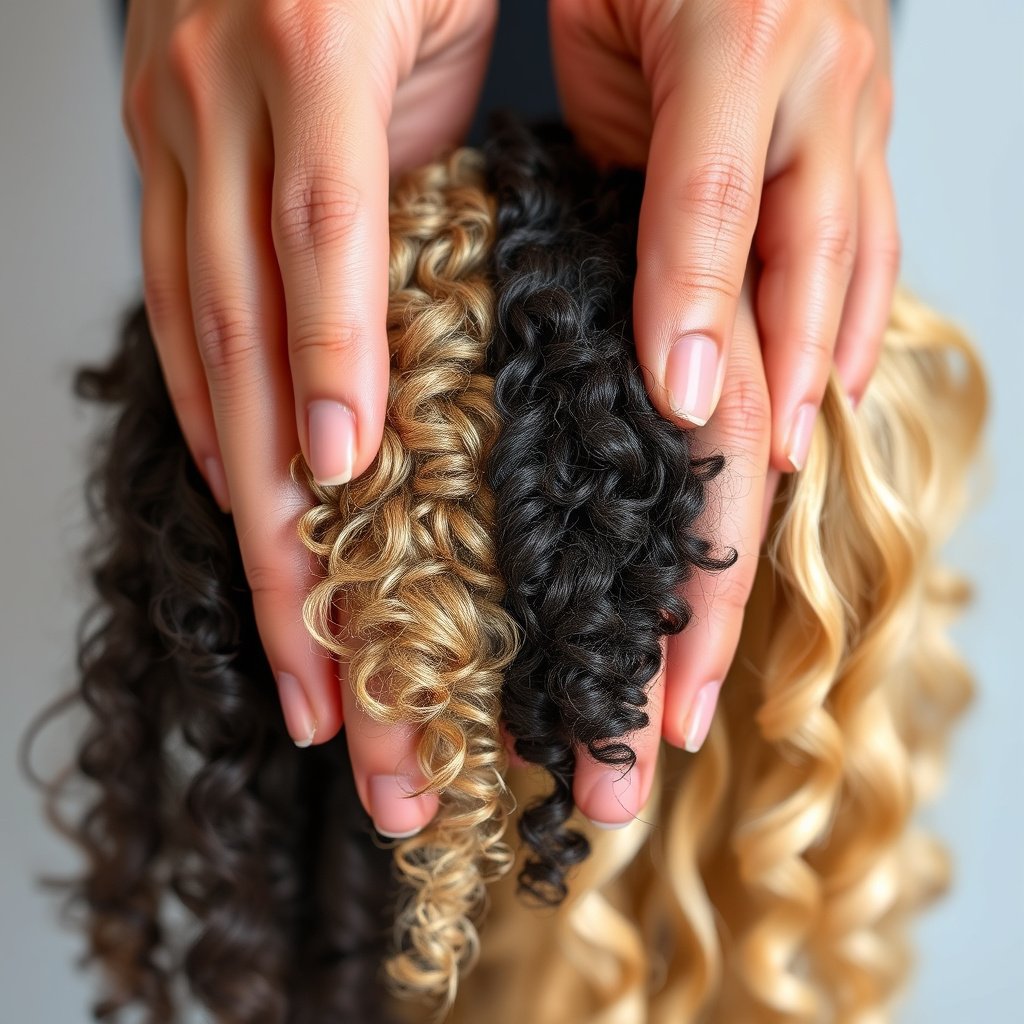
Choosing Curly and Coily Wigs
For naturally curly or coily hair, wigs that replicate similar curl patterns help maintain an authentic appearance and ease blending. Wigs with tighter curls or coils reduce contrast and give a fuller, more natural look.
Selecting wigs designed specifically for these textures also helps protect your natural hair. It prevents the need for heat or heavy manipulation to match the wig’s style, which can lead to damage over time.
- Wigs matching natural curl tightness
- Protects natural hair from damage
- Enhances blending for realism
Options for Straight and Wavy Natural Hair
Those with naturally straight or wavy hair should look for wigs that have gentle waves or straight textures to mirror their own hair. This minimizes distinct texture differences and enhances the overall seamless look of the wig.
Wigs that are easy to refresh with a light steam or styling products are advantageous, allowing the wearer to maintain the wig’s texture and achieve a worn-in look similar to natural hair.
- Soft wave or straight wig textures
- Easy to maintain and refresh
- Visual harmony with natural hair
Fit and Comfort for Prolonged Wear
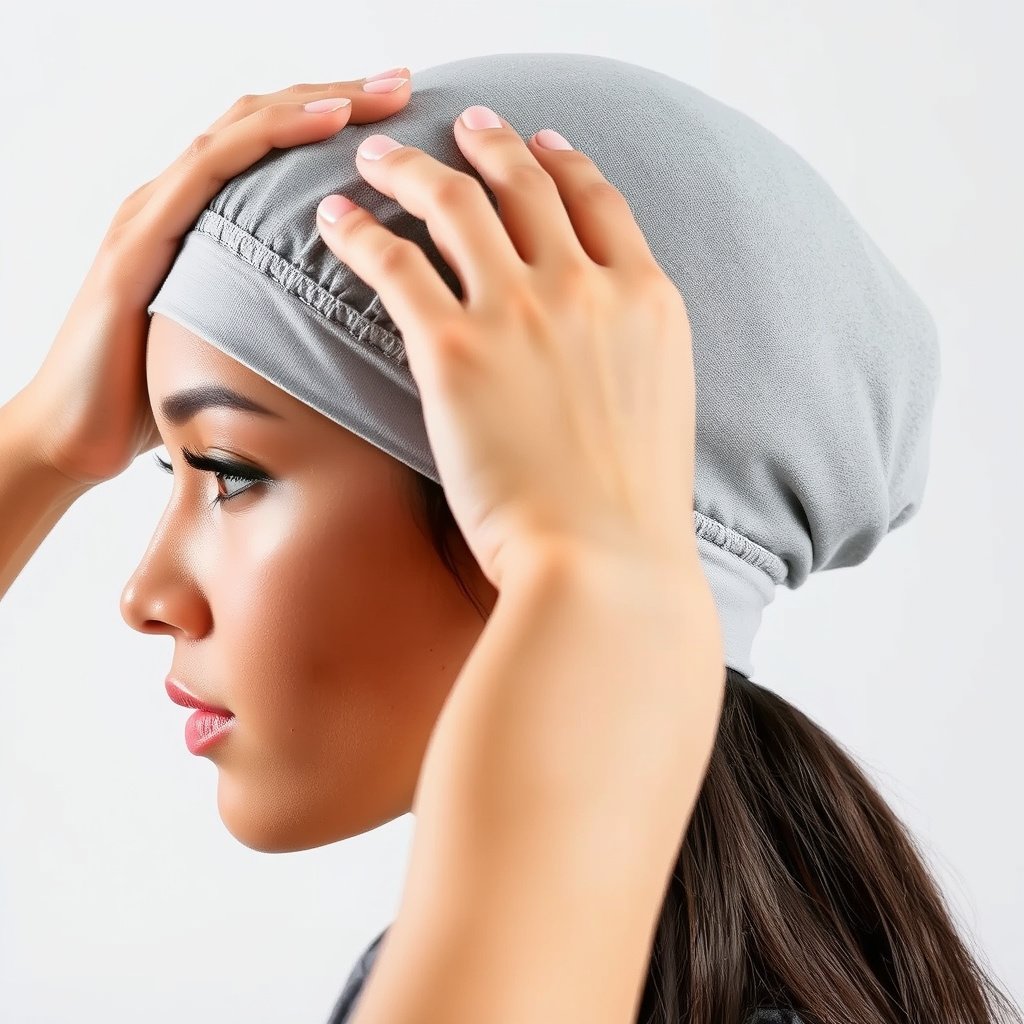
Cap Construction and Breathability
The cap’s construction influences airflow and comfort. Caps made with lace, mesh, or monofilament allow air circulation, reducing sweat buildup and scalp irritation during all-day wear. Caps with stretch panels adjust to head size for added comfort.
For natural hair, breathable caps are essential to avoid scalp dryness or itching. Look for wigs labeled as 'ventilated' or 'breathable' which help prevent heat retention under the wig.
- Lace or mesh cap materials
- Stretch panels for secure fit
- Improved airflow to scalp
For more on this, see our related guide: Human Hair vs Synthetic Wigs: Key Differences Explained.
Adjustable Straps and Wig Grip
Adjustable straps inside the wig cap customize the fit, preventing slippage during activity. Some wigs also feature silicone-lined edges or wig grips that offer additional hold without pulling on natural hair.
A well-secured wig reduces friction and mechanical stress on hair strands, an important factor for preserving the integrity of natural hair beneath the wig.
- Customizable sizing with straps
- Silicone grips for stability
- Minimized hair strain
Maintenance Tips for Wigs and Natural Hair
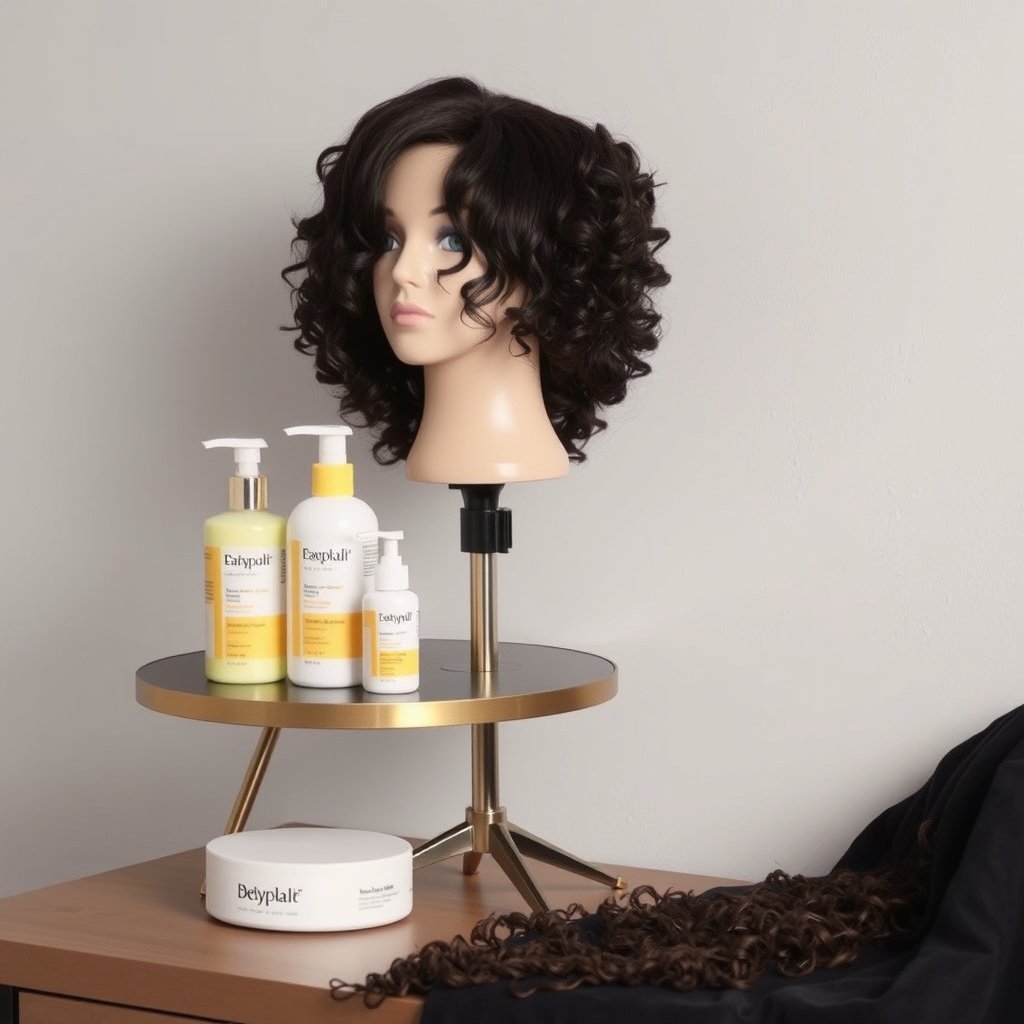
Cleaning and Conditioning Wigs
Regular washing of wigs prevents product buildup and extends lifespan. Human hair wigs require gentle sulfate-free shampoos and conditioners, while synthetic wigs need specific cleansing products designed for fibers to avoid damage.
Conditioning human hair wigs keeps strands soft and reduces tangling. For synthetic wigs, detangling sprays help maintain fiber integrity and appearance between washes.
- Use wig-specific shampoo and conditioner
- Condition for softness (human hair wigs)
- Detangle synthetic fibers gently
For a broader understanding of wig types and history, you can explore the detailed Wikipedia article on wigs. Wig.
Protecting Your Natural Hair Underneath
Keeping natural hair moisturized and protected during wig wear is vital. Using satin or silk-lined wig caps, moisturizing sprays, and gentle protective styles underneath prevents breakage and scalp dryness.
It is also beneficial to periodically remove the wig to allow your scalp to breathe, giving your natural hair a chance to recover.
- Use satin-lined caps to reduce friction
- Moisturize hair before wig application
- Take wig breaks for scalp health
Types of Wigs Best for Natural Hair: Comparison Chart
Compare key features of popular wig types suited for natural hair to find the best match for your needs and lifestyle.
| Wig Type | Material | Styling Flexibility | Breathability | Price Range |
|---|---|---|---|---|
| Lace Front Wig | Human Hair or Synthetic | High | Good | $100 – $400 |
| Full Lace Wig | Human Hair | Very High | Excellent | $250 – $600 |
| Synthetic Wig | High-Quality Synthetic | Medium | Moderate | $50 – $200 |
| 360 Lace Wig | Human Hair | High | Good | $200 – $500 |
| Hand-Tied Wig | Human Hair | Very High | Excellent | $300 – $700 |
Frequently Asked Questions
Can I wear a wig daily without damaging my natural hair?
Yes, but it requires proper hair care underneath. Keeping your scalp clean, moisturized, and using protective styles while wearing a breathable, well-fitted wig can prevent damage.
Are human hair wigs better for natural hair than synthetic wigs?
Human hair wigs typically blend better with natural hair textures and offer more versatile styling options; however, high-quality synthetic wigs can also be suitable for short-term or low-maintenance wear.
How do I select a wig that matches my natural hair texture?
Look for wigs labeled with your hair type—curly, coily, wavy, or straight. Matching the curl pattern helps the wig blend naturally with your hair and avoids extra styling.
What cap construction is best for sensitive scalps?
Lace and monofilament caps are lightweight and breathable, reducing irritation. Full lace caps are especially good for scalp comfort during extended wear.
How often should I wash my wig when wearing it regularly?
Wigs worn daily should typically be washed every 7-14 wears. This helps remove buildup while maintaining the wig’s appearance and hygiene.
Key Takeaways
- Lace front and full lace wigs offer the most natural look for natural hair.
- Human hair wigs best mimic texture and styling versatility.
- Matching your hair’s texture improves blending and comfort.
- Proper wig fit and maintenance protect both wig and natural hair.
Conclusion
Choosing which wig is best for natural hair involves balancing appearance, comfort, and hair health. Prioritize wig types like lace front or full lace that provide realistic hairlines and flexibility in styling. Matching the wig’s texture to your own natural hair minimizes noticeable contrasts and reduces the need for frequent alterations.
Human hair wigs are ideal when you want authentic look and styling options that can handle heat tools. Synthetic wigs, while more affordable, serve well for beginners or short-term wears if you prefer low maintenance. Cap construction also plays a key role — breathable, lace-based caps help prevent scalp issues and keep your natural hair safe underneath.
Ultimately, the best next step is to identify your daily lifestyle needs, budget, and hair goals, then choose a wig that aligns with these factors. Whether you select a 100% human hair lace front wig or a high-quality synthetic option, invest in proper care routines. Doing so not only preserves your wig’s appearance but supports the health of your natural hair beneath it.



One Comment