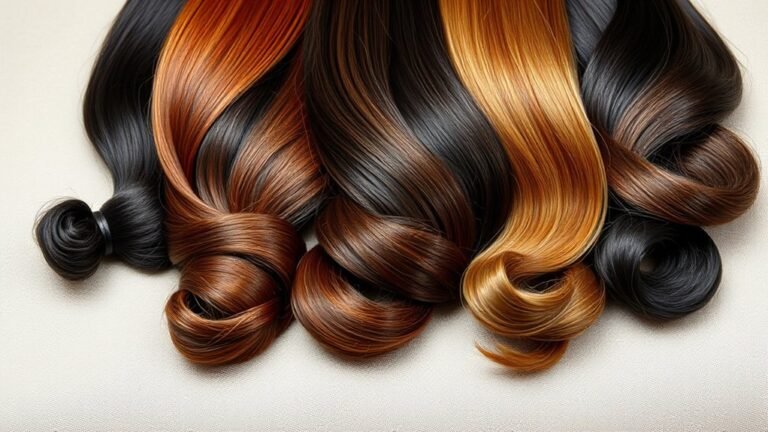
How to Dye a Human Hair Wig: Step-by-Step Guide for Lasting Color
Dyeing a human hair wig requires careful technique to achieve stunning, lasting color without damaging the strands. Unlike synthetic wigs, human hair wigs can be dyed much like natural hair, but the process demands attention to detail and proper preparation. By choosing the right products and following precise steps, you can transform your wig's color safely and effectively.
Changing the color of your wig adds versatility to your style and can refresh an older piece. Since human hair wigs are crafted from real hair, they respond well to traditional hair dyes, but getting the best results means avoiding uneven color, over-processing, and fiber damage. Proper care before, during, and after dyeing plays an essential role in maintaining the wig's integrity and shine.
This article covers everything needed to safely dye your human hair wig at home. You’ll learn about the supplies you need, how to prepare the wig, the dyeing process itself, post-dye care, and tips to preserve your wig’s lifespan and vibrancy.
Choosing the Right Dye and Tools for Your Human Hair Wig

Selecting Suitable Hair Dye for Human Hair Wigs
The best dye for human hair wigs is typically gentle, ammonia-free, and formulated for color-treated or delicate hair. Permanent or semi-permanent dyes work well, but bleaching should be avoided unless you’re experienced, as it can cause irreversible damage.
Avoid box dyes intended for synthetic fibers or harsh chemical treatments. Opt for professional-quality dyes or color-depositing masks designed for human hair to preserve texture and avoid dryness.
- Ammonia-free or low-ammonia dyes
- Semi-permanent or demi-permanent options
- Avoid bleach or harsh lighteners unless skilled
- Color-depositing shampoos as a gentle alternative
Gathering Essential Tools and Preparing Your Workspace
Set up a clean, well-lit area with a wig stand to secure your wig during dyeing. Use disposable gloves, dye brushes, mixing bowls, and plastic caps. Protect surfaces with towels or plastic sheets to manage spills.
Having a wide-tooth comb, old shirts to protect clothing, and a timer will help streamline the process and avoid mess or mistakes.
- Wig stand for secure positioning
- Gloves, dye brushes, and mixing bowls
- Wide-tooth comb for detangling
- Plastic sheet or towels to cover surfaces
Preparing Your Human Hair Wig for Dyeing

Cleaning and Conditioning the Wig Before Dyeing
Start by washing the wig with a sulfate-free, mild shampoo to remove any buildup, oils, or styling products. This helps the dye adhere evenly. After washing, apply a deep conditioner to restore moisture and softness, rinsing thoroughly afterward.
Allow the wig to air dry completely on a wig stand to maintain its shape. Dye adheres best to clean, dry hair without residue that could interfere with color uptake.
- Use sulfate-free shampoo
- Deep condition to prevent dryness
- Air dry completely on a wig stand
- Avoid heat drying before dyeing
For more on this, see our related guide: Are Lace Front Wigs Worth It? The Complete Answer.
Detangling and Sectioning the Wig
Once dry, gently detangle the wig using a wide-tooth comb starting from the ends to the roots. This step prevents damage and ensures smooth color application.
Section the hair into manageable parts with clips or ties. Dividing the hair into sections will help dye adhere evenly and allow controlled application, reducing missed areas.
- Use a gentle wide-tooth comb
- Work from ends to roots
- Section hair into 4–6 parts
- Secure sections with clips or ties
Step-by-Step Dyeing Process for Human Hair Wigs
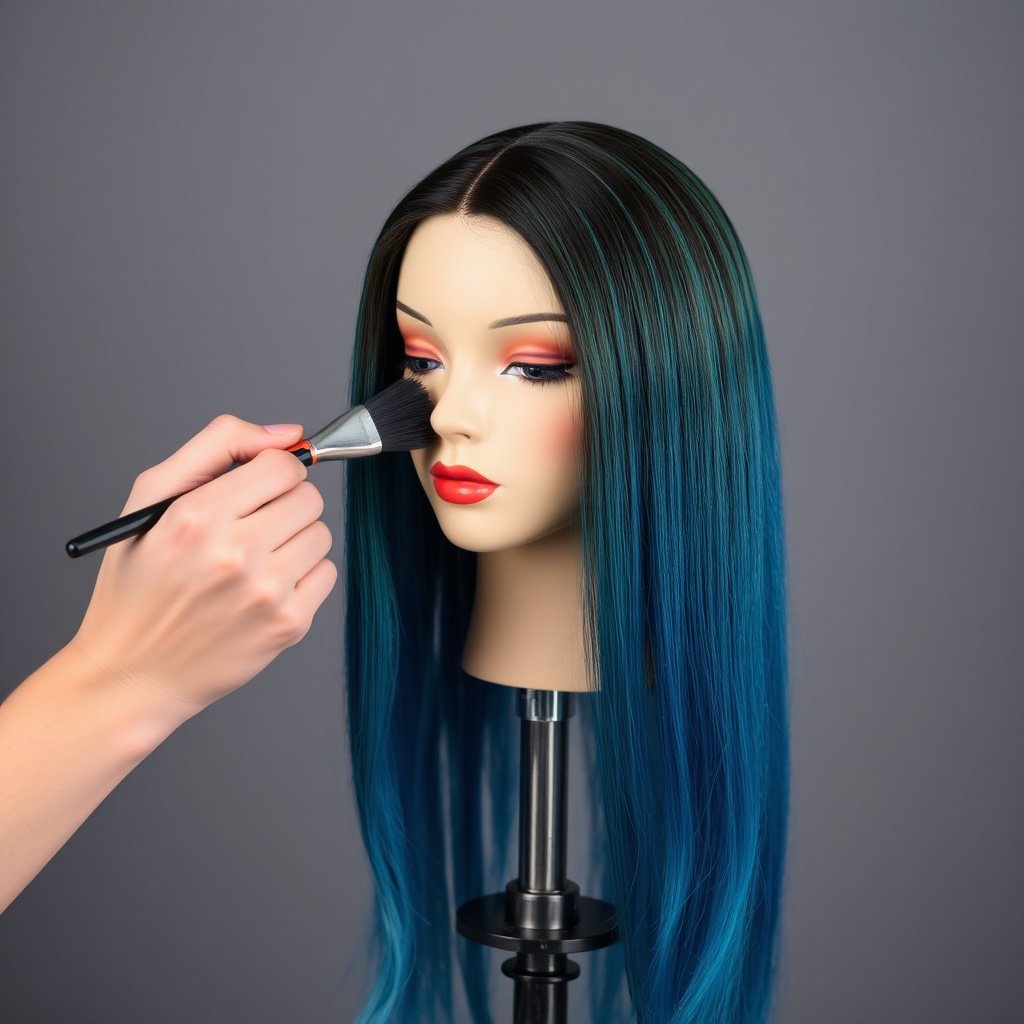
Mixing and Applying the Dye Evenly
Follow manufacturer instructions to mix the dye in a bowl, using gloves to prevent staining. Starting from the roots, apply dye evenly using a brush, working through each section to avoid clumps or missed spots.
Saturate the strands thoroughly but avoid excessive pooling to prevent uneven coloring. Use fingers to massage dye gently throughout the hair for better absorption.
- Mix dye according to instructions
- Apply root-to-tip for uniform coverage
- Use hands for even distribution
- Avoid over-saturating areas
Timing and Rinsing for Best Color Results
Allow the dye to process for the time recommended on the package, generally 30-45 minutes. Check the color development periodically to avoid over-processing, which can damage fibers.
Rinse the wig under cool water until the water runs clear, preventing buildup and locking in vibrant color. Follow with a gentle conditioner designed for color-treated hair.
- Check timing carefully
- Use cool water rinse
- Condition with color-safe products
- Avoid hot water to prevent fading
Aftercare Tips for Maintaining Your Dyed Human Hair Wig

Washing and Conditioning to Preserve Color
Use sulfate-free, color-safe shampoos and moisturizing conditioners to protect the wig's color and texture. Limit washing to once every 7-10 wears to prevent premature fading and dryness.
Incorporate weekly deep conditioning treatments or color-depositing masks to enhance color longevity and maintain softness.
- Sulfate-free shampoo and conditioner
- Wash sparingly to retain dye
- Deep-condition weekly
- Use color-depositing masks as needed
For more on this, see our related guide: Is Human Hair Wig Worth It? The Complete Answer.
Proper Storage and Styling After Dyeing
Store the wig on a wig stand or mannequin head to hold shape and avoid tangling. Keep it away from direct sunlight and heat sources that can fade color.
Use low-heat styling tools and avoid harsh chemicals post-dye to extend the wig’s lifespan and vibrancy.
- Store on wig stand away from heat
- Avoid prolonged sun exposure
- Use heat-protectant sprays when styling
- Limit chemical treatments after dyeing
Troubleshooting Common Issues When Dyeing a Human Hair Wig

Handling Uneven Color and Patchiness
Patchy dye results often stem from sections missed or insufficient saturation. Touch up patches with a small brush, blending carefully to match the surrounding hair color.
Proper sectioning and thorough combing before dyeing reduce uneven outcomes. If unevenness persists, consider consulting a professional for corrective coloring.
- Touch up uneven patches carefully
- Ensure thorough sectioning before dyeing
- Comb through dye evenly during application
- Seek professional help if needed
For detailed background on wig maintenance and dyeing, refer to this reliable resource on human hair wig care and dyeing guidelines. Human hair wig care and dyeing guidelines.
Preventing and Repairing Wig Damage
Over-processing with harsh dyes or bleaching can cause frizz, breakage, or loss of softness. If damage occurs, reduce heat styling and apply protein-rich treatments to rebuild strength.
Avoid repeating chemical processes too frequently to preserve the wig’s lifespan. Gentle handling during washing and styling helps restore health over time.
- Use protein treatments for damaged fibers
- Avoid excessive heat and chemicals
- Handle the wig gently when washing
- Limit frequency of dyeing sessions
Comparison of Hair Dye Types for Human Hair Wigs
Explore the differences among common hair dye types to choose the best option for coloring your human hair wig.
| Dye Type | Color Longevity | Damage Risk | Best For |
|---|---|---|---|
| Permanent Dye | High (6+ weeks) | Moderate to High | Bold, long-lasting color |
| Semi-Permanent Dye | 2-4 weeks | Low to Moderate | Subtle or temporary shades |
| Demi-Permanent Dye | 4-6 weeks | Low | Natural enhancement and gentle coloring |
| Color-Depositing Masks | Varies (1-2 weeks) | Very Low | Refreshing color between dye sessions |
Frequently Asked Questions
Can I use regular hair dye on a human hair wig?
Yes, you can use regular hair dye designed for human hair, but choose gentle, ammonia-free formulations to avoid damaging the wig fibers.
How often should I dye a human hair wig?
It’s best to wait at least 6 to 8 weeks between dyeing sessions to minimize damage and preserve the wig’s natural texture and longevity.
Is it necessary to shampoo a wig before dyeing?
Yes, shampooing removes oils and styling products that can block dye absorption, helping to achieve even color results.
Can I bleach a human hair wig at home?
Bleaching is risky and can cause irreversible damage if not done properly; it’s recommended to have a professional handle bleaching.
How do I maintain color after dyeing a wig?
Use sulfate-free, color-safe shampoos, condition regularly, avoid excessive heat styling, and store the wig away from sunlight to maintain vibrancy.
Key Takeaways
- Use gentle, ammonia-free dye formulated for human hair wigs
- Prepare the wig by washing and detangling before dyeing
- Apply dye evenly and time processing carefully
- Maintain color with proper aftercare and minimal washing
Conclusion
Approaching the process of how to dye a human hair wig with care and attention allows you to personalize your look while protecting your investment. Effective dyeing relies on selecting the right products, preparing the wig properly, and applying dye in a controlled and even manner. Awareness of timing and gentle handling throughout keeps the fibers healthy and vibrant.
For those seeking bold, lasting results, permanent dyes offer excellent color retention but require cautious use to avoid damage. If you prefer flexibility, demi-permanent or semi-permanent dyes are safer choices that fade naturally without harsh chemicals. Color-depositing masks can refresh color between dye sessions without risking dryness, making them ideal for regular upkeep.
Before starting, assess your comfort level with chemical treatments; if uncertain, consult a professional colorist experienced with wigs. Otherwise, equip yourself with the right tools, follow steps patiently, and maintain your dyed wig with color-safe products. This way, you can enjoy beautiful, customized hair color that looks natural and lasts.