What Is a Half Wig? Understanding This Versatile Hair Solution
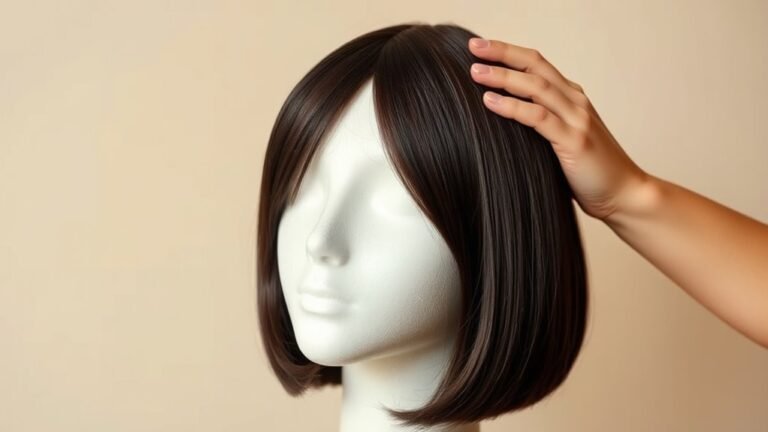
A half wig is a hairpiece designed to cover only part of the head, typically the crown or back, blending with your natural hair for added volume or length. Unlike full wigs, it allows you to maintain your own hairline and texture while enhancing your look quickly and comfortably.
This style has grown popular because it provides a seamless blend with your natural hair, requiring less time and effort to install compared to full wigs. It offers versatility for people who want to change their hairstyle or protect their natural hair without the commitment of a full wig.
In this article, you'll learn about the different types of half wigs, how to wear and care for them, their advantages and disadvantages, styling tips, and comparisons to other hairpieces. Whether you want to add volume or experiment with new styles, understanding what a half wig is will help you make informed choices.
Types of Half Wigs and Their Construction
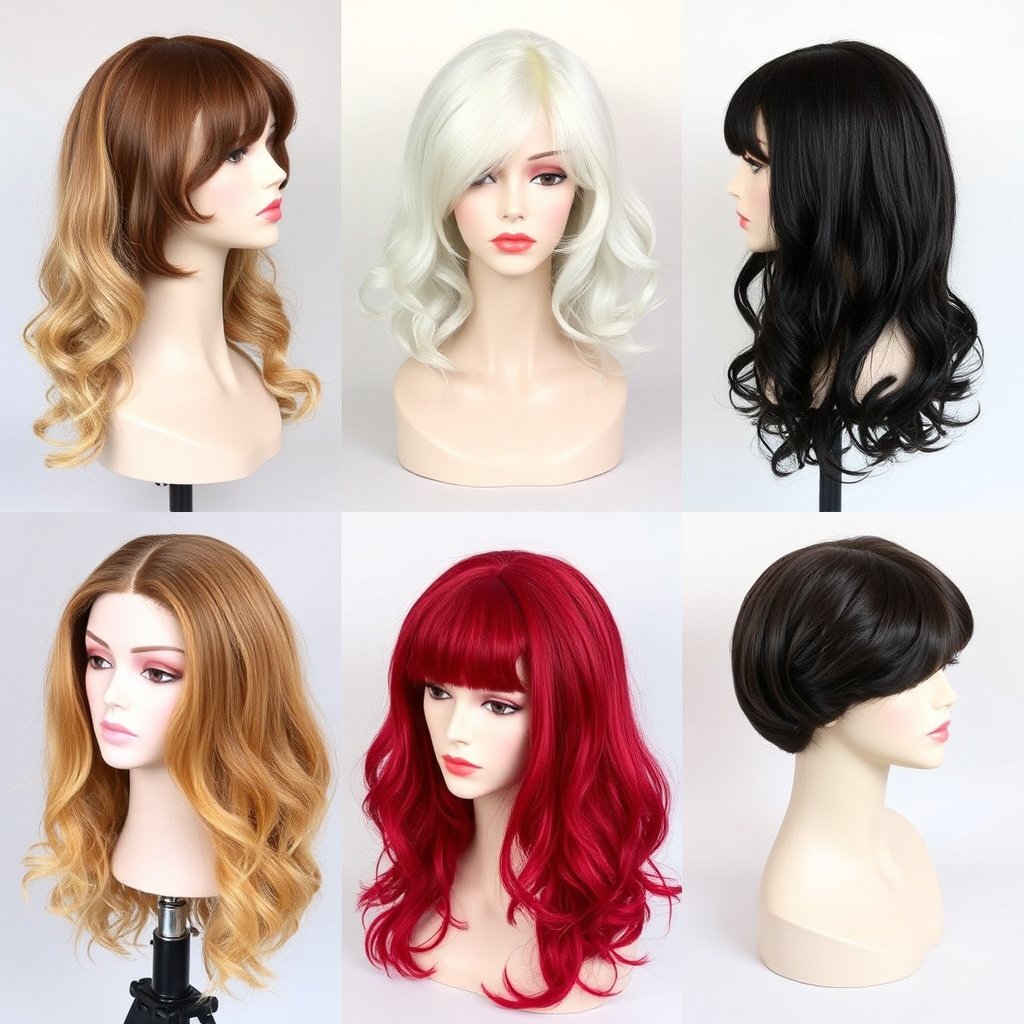
Clip-In Half Wigs
Clip-in half wigs attach to your natural hair using small comb-like clips sewn into the hairpiece base. They are easy to apply and remove, making them ideal for daily or occasional use.
Because of their temporary nature, clip-in half wigs allow you to switch styles effortlessly and avoid long-term wear stress on your natural hair.
- Easy application
- No glue or tape required
- Can be removed daily
Lace Front Half Wigs
Lace front half wigs feature a sheer lace material along the front hairline, enabling a natural-looking edge that blends with your skin. This makes the hairline appear more realistic compared to other half wig types.
They often need some adhesive or tape for secure fitting and offer gentle protection for your natural hair underneath.
- Realistic hairline
- Lightweight and breathable lace
- Requires adhesive for wear
Benefits of Using a Half Wig

Natural Appearance and Comfort
Half wigs blend with your own hair, allowing you to keep your natural hairline and texture visible for a more authentic look. They feel lighter and less restrictive than full wigs.
This style reduces scalp coverage, improving ventilation and comfort, especially in warm weather or for longer wear periods.
For more on this, see our related guide: Your Guide to Half Wigs: Choosing With Confidence.
Protects Natural Hair
By covering only part of your head, half wigs shield vulnerable sections of natural hair from styling damage like heat or harsh chemicals.
They also reduce the need for daily hair manipulation, helping to maintain hair health and encourage growth underneath.
How to Wear and Style a Half Wig

Preparing Your Natural Hair
Start by detangling and smoothing your natural hair, then flat iron or braid it down to create a low profile for the half wig to sit evenly.
Using a wig cap or styling gel can help manage flyaways and secure your hair under the wig for a sleeker look.
Attaching the Half Wig
Align the half wig on the crown or back of your head, securing clips or adhesive as needed. Make sure the wig blends seamlessly with your exposed natural hair along edges.
Once secured, lightly style or trim to match your desired look and blend the hair colors and textures smoothly.
Maintenance and Care for Half Wigs

Washing and Conditioning
Clean your half wig regularly with gentle shampoos and conditioners formulated for synthetic or human hair, depending on the wig material. Avoid harsh chemicals to preserve the fibers.
Air drying on a wig stand helps maintain the wig's shape and extends its lifespan compared to heat drying.
For more on this, see our related guide: Best Lace Front Wigs: Top Picks and Buying Tips.
Storage and Styling Tools
Store your half wig on a wig stand or mannequin head to prevent tangling and deformation. Keep it away from direct sunlight and dust.
Use wide-tooth combs or special wig brushes for styling to minimize shedding and breakage.
Comparing Half Wigs to Full Wigs and Hair Extensions
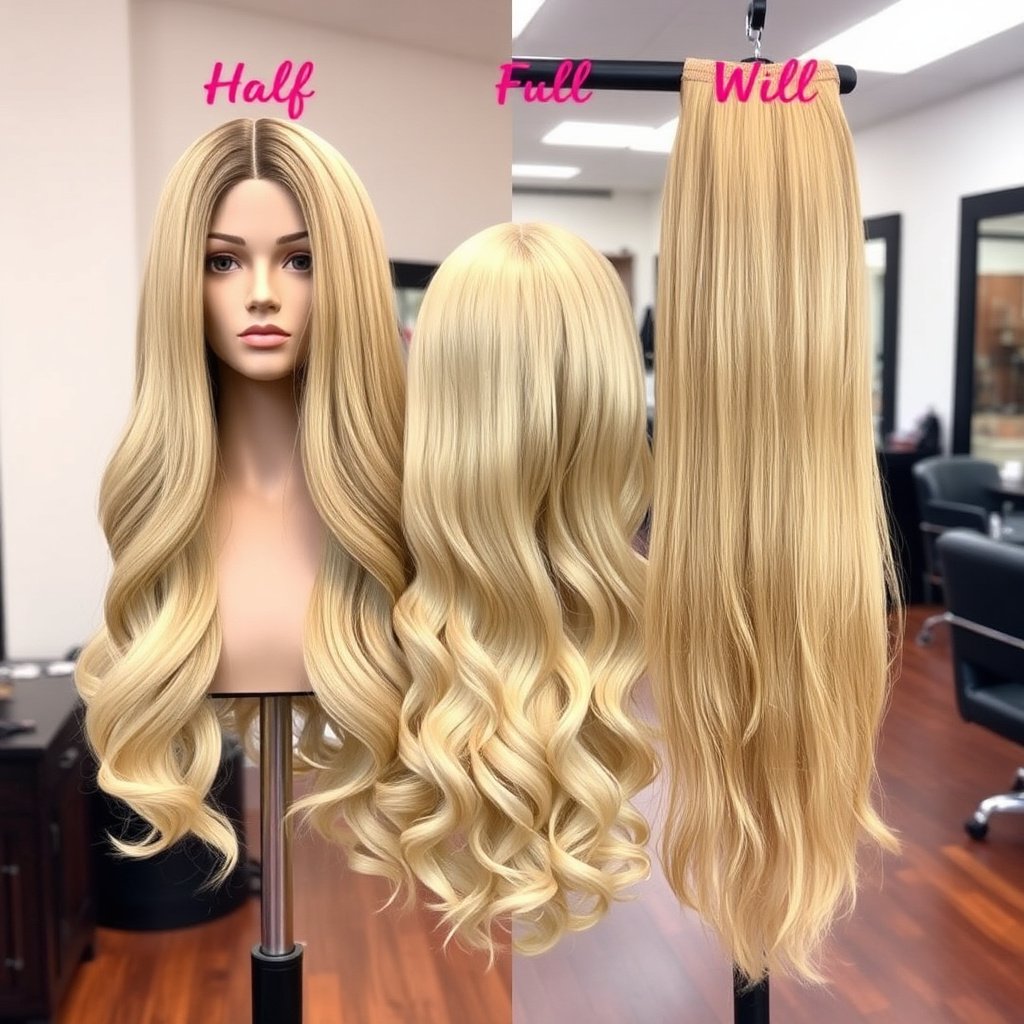
Half Wigs vs. Full Wigs
Half wigs cover only a portion of your head, allowing natural hair to show, whereas full wigs cover the entire scalp. Half wigs are often lighter, cooler, and easier to blend.
Full wigs provide complete coverage, ideal for hair loss or total style changes, but can feel heavier and require more maintenance.
For further details about various wig types and history, you can visit the Half wig information on Wikipedia. Half wig information on Wikipedia.
Half Wigs vs. Hair Extensions
Half wigs add volume and length quickly without the installation time that extensions require. They also avoid the tension or damage often linked to extension wear.
Extensions offer a more long-term, natural integration with your hair but need professional application and upkeep. Half wigs are more versatile for styling changes.
Half Wig Types Comparison
Here is a quick overview comparing popular types of half wigs to help distinguish their features and uses.
| Type | Attachment Method | Comfort Level | Realism | Maintenance |
|---|---|---|---|---|
| Clip-In Half Wig | Built-in clips | High | Moderate | Easy |
| Lace Front Half Wig | Adhesive or tape | Moderate | High | Moderate |
| Synthetic Half Wig | Varies | High | Moderate | Moderate |
| Human Hair Half Wig | Varies | Moderate | High | High |
Frequently Asked Questions
Can I swim or shower with a half wig on?
It is generally not recommended to swim or shower with a half wig attached, as water and chemicals can damage the wig and affect its hold. Remove it before such activities.
How long does a half wig typically last?
Depending on the material and care, synthetic half wigs can last 4-6 months with regular use, while human hair versions can last over a year if properly maintained.
Can half wigs be colored or heat styled?
Human hair half wigs can usually be colored and heat styled with caution. Synthetic wigs are limited in this ability and may melt or get damaged with heat.
Will a half wig damage my natural hair?
When used properly, half wigs do not damage natural hair. They can even protect your hair by reducing styling stress and exposure to heat or chemicals.
Are half wigs suitable for all hair types?
Yes, half wigs can work with all hair types, but matching the wig texture to your natural hair can improve blending and overall appearance.
Key Takeaways
- A half wig covers only part of the head, blending with natural hair for volume and style.
- Different types include clip-in and lace front half wigs, each with unique features.
- Half wigs protect natural hair and offer comfort and ease compared to full wigs.
- Proper care and styling enhance longevity and maintain natural-looking results.
Conclusion
Understanding what a half wig is and how it functions gives you an alternative to full wigs and hair extensions when you want to change your hairstyle or add volume. The decision depends on your lifestyle, hair health, and the look you want to achieve. Half wigs stand out by offering a balance of natural appearance and comfort, making styling changes more accessible without fully committing to a whole wig or risking hair damage from extensions.
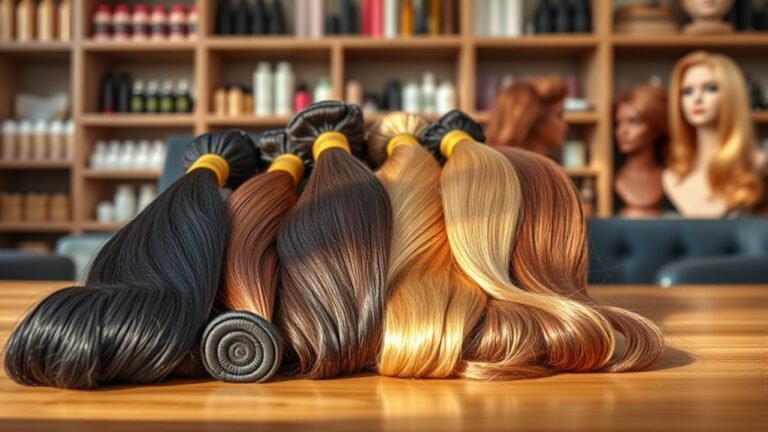
For those seeking quick installation and versatility, clip-in half wigs provide easy application and removal, perfect for everyday wear or special occasions. Lace front half wigs deliver a more realistic hairline, ideal for those who want to blend impeccably with their natural hair. Synthetic half wigs offer affordability and convenience, while human hair options give more styling flexibility and longevity. Choosing among these depends on your priorities like maintenance, realism, and budget.
If you want to enhance your existing hair with added volume and length without covering your scalp fully, start by selecting a half wig that matches your hair texture and lifestyle. Practice correct attachment and care techniques to maximize comfort and longevity. Ultimately, experimenting with half wigs can expand your hairstyles and protect your natural hair, making it a practical step towards achieving your desired look.