How Many Bundles Do I Need for My Roofing Project? A Practical Guide
To determine how many bundles of roofing shingles or other materials you need, you first measure your roof's total square footage and then divide that figure by the coverage provided per bundle. Typically, one bundle covers about 33.3 square feet, so if your roof is 1,000 square feet, you would need around 30 bundles.
Knowing the exact number of bundles required helps avoid costly overbuying or inconvenient shortages during installation. This calculation is especially important because roofing materials are sold by the bundle, and accurate estimates translate to better budgeting and less waste on roofing projects.
This article breaks down the steps for calculating bundle needs based on roof size, pitch, and waste factor. It also covers how different roofing materials affect bundle quantity and offers tips to refine your purchase based on common roofing types and project specifics.
Understanding Roof Measurements
Calculating Roof Square Footage
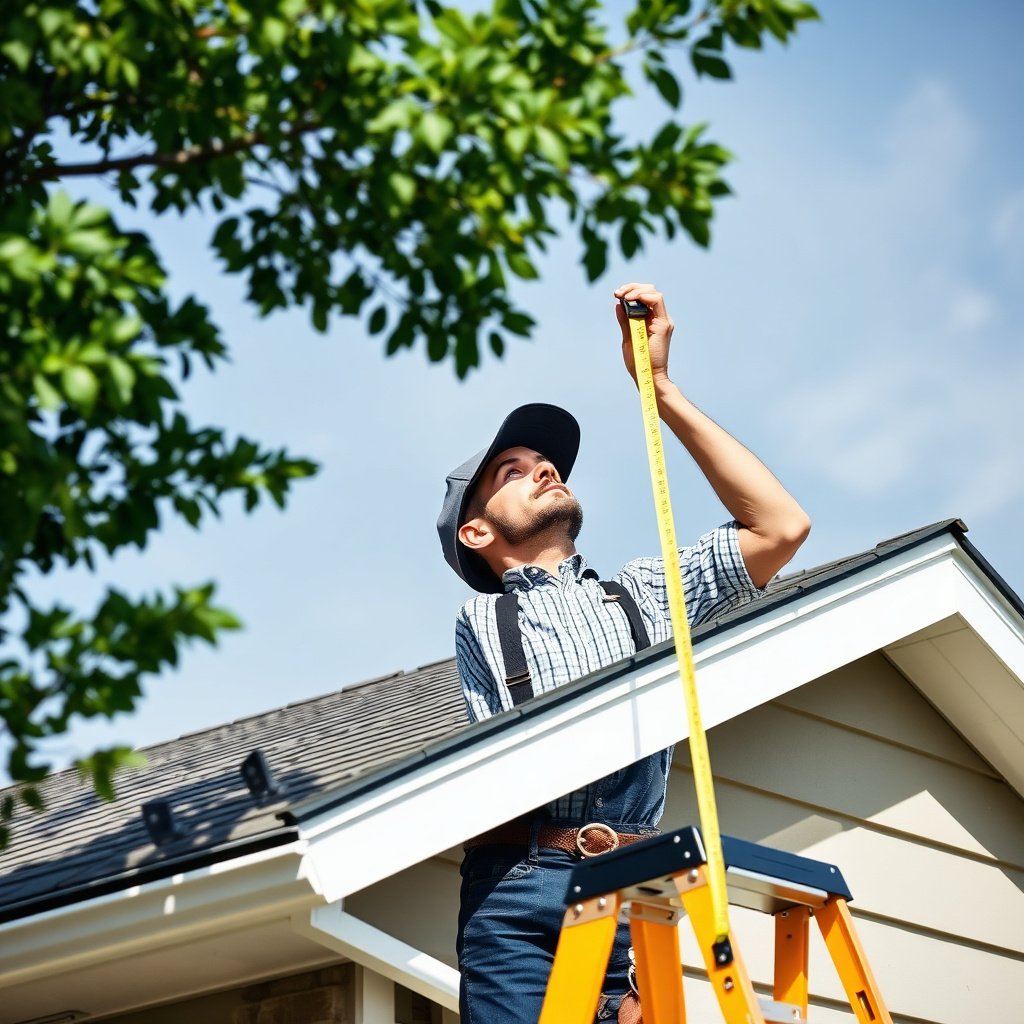
Roof square footage is the primary factor in determining how many bundles you’ll need. Measure the length and width of each plane on your roof, then multiply those numbers to find the area. Sum all the areas together for the total roof square footage.
For complex roofs with multiple pitches and sections, breaking the roof into rectangles or triangles before calculating area makes this easier. Roof square footage is often larger than the house’s floor area due to roof slope.
Accounting for Roof Pitch
Roof pitch impacts the actual surface area to cover. Steeper roofs have more surface area than flat ones of the same footprint. To adjust for pitch, multiply the flat roof area by a factor that corresponds to the pitch angle.
For example, a 6:12 pitch roof multiplies the area by about 1.12, meaning the surface area is roughly 12% greater. Accounting for pitch ensures the roofing material estimate covers the true surface measured along the slope.
Calculating Bundles from Roof Area
Standard Coverage per Bundle
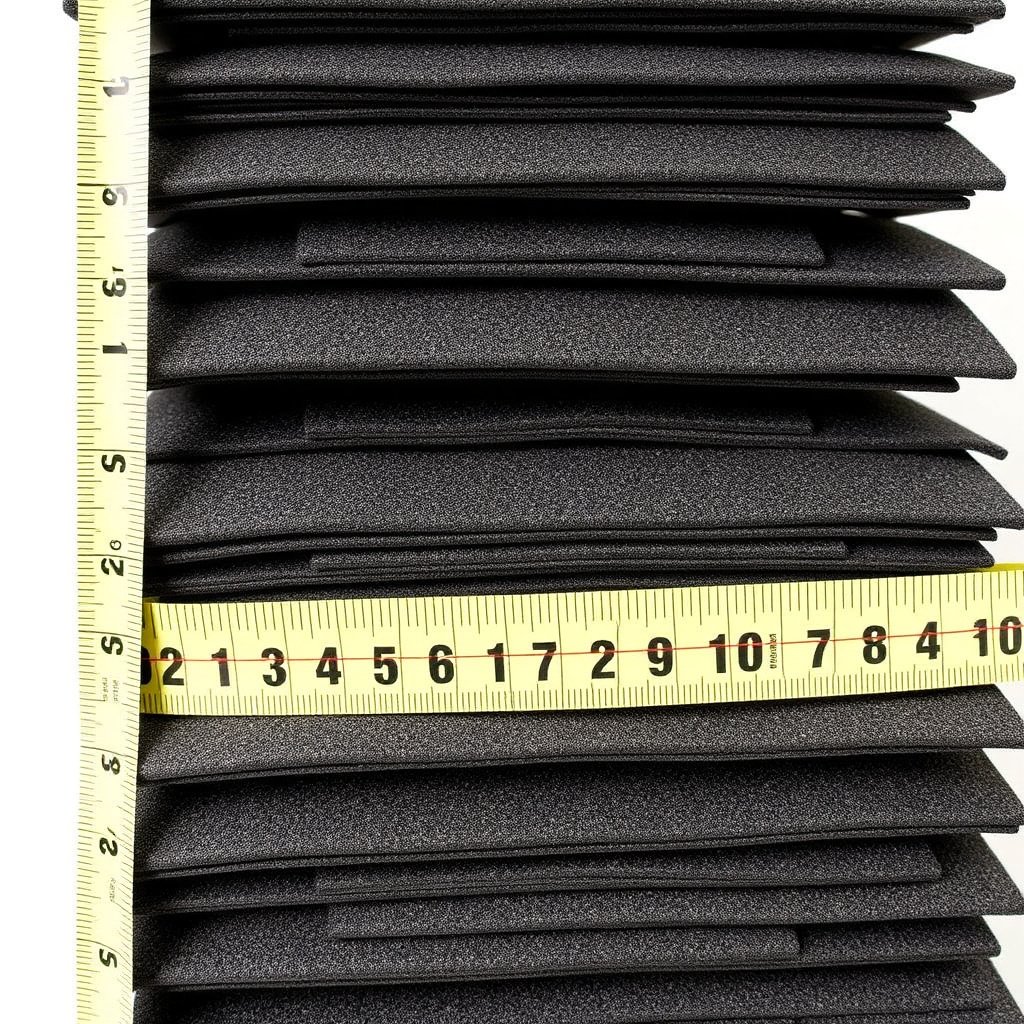
Most asphalt shingle bundles cover approximately 33.3 square feet of roof. This number is standard for several types, but some architectural shingles may cover slightly different areas.
Knowing the coverage per bundle lets you convert roof area to bundles needed by dividing the total roof area by 33.3. Always check manufacturer specs to verify coverage for the specific product.
For more on this, see our related guide: How Many Bundles Do I Need for a Wig? A Practical Guide.
Factoring in Waste and Overlap
Waste calculations are necessary because cutting shingles around edges, hips, and valleys leads to leftover scrap that can't be used elsewhere. A typical waste factor is 10-15%.
Add this percentage to your calculated bundles to avoid shortages. For instance, if your calculated need is 30 bundles, ordering 33 or 34 accounts for waste and mistakes.
- 10-15% waste factor is typical
- More complex roofs require higher waste allowance
- Order extra to have spare material for repairs
Impact of Different Roofing Materials

Asphalt Shingles Bundle Quantities
Asphalt shingles are sold by the bundle with consistent coverage. Three bundles usually make a roofing square, which equals 100 square feet. This packaging simplifies estimating as dividing total roof area by 100 gives number of squares, then multiply by 3 for bundles.
Understanding this helps you quickly translate roof area into bundles and avoid confusion during purchase.
Other Materials and Packaging
Materials like metal roofing, wood shakes, or tiles are often sold by weight or piece count rather than by bundles. This means calculations are based on coverage per piece or per pound, which requires different measuring techniques.
For these materials, consult specific product guidelines to determine quantity needed, as bundle-based estimation usually applies to asphalt-based products.
Refining Estimates with Roofing Material Calculation

Using Roofing Material Calculations for Accuracy
Roofing material calculation tools help factor roof area, pitch, waste, and product specifics simultaneously. These calculators provide more precise bundle estimates than manual rough math, reducing risk of under or overorders.
Some tools incorporate local roofing practices and account for roof complexity, delivering refined calculations tailored to your project.
For more on this, see our related guide: How Many Bundles Do I Need for a Full Sew In?.
Adjusting Estimates for Roof Features
Features like chimneys, skylights, and dormers reduce the total shingle area but add complexity that can increase waste. Removing the flat area of these features from total calculations and upping the waste factor can help balance estimates.
Careful adjustment for these features delivers a realistic bundle count, helping to avoid material shortages.
Tips for Ordering Roofing Bundles

Ordering Extra Bundles for Contingencies
Ordering a few extra roofing bundles beyond the calculated need accounts for future repairs and unexpected cuts. On average, adding 5-10% more than estimated is a practical safety net.
This approach minimizes the hassle of a return trip for more materials and ensures you have the correct match if repairs arise later.
For a broader understanding of roofing types and terminology, you can read about roofing basics. roofing basics.
Confirming Bundle Specifications Before Purchase
Manufacturers and distributors may vary the exact dimensions and coverage per bundle, so double-check package details for your selected product before finalizing your order.
Consider requesting sample bundles or detailed product specs from your supplier to verify what you’re purchasing aligns with your roofing calculation.
Roofing Bundle Requirements by Roof Size and Type
The table below compares typical bundle requirements for various common roof sizes and pitches using asphalt shingles.
| Roof Size (sq ft) | Pitch | Bundles Needed | Waste Factor Applied |
|---|---|---|---|
| 1000 | 4:12 | 30 | 10% |
| 1500 | 6:12 | 49 | 15% |
| 2000 | 8:12 | 72 | 15% |
| 2500 | 0:12 (Flat) | 83 | 10% |
| 3000 | 12:12 | 117 | 15% |
Frequently Asked Questions
How do I measure my roof to calculate bundles needed?
Measure the length and width of each roof section, calculate the area, and sum these areas. Adjust for roof pitch by multiplying the flat area by a pitch factor to determine the actual surface area.
What is the average coverage of one roofing bundle?
One bundle of asphalt shingles typically covers about 33.3 square feet, but always check product specs as some premium shingles differ slightly.
Should I order extra bundles beyond the calculated amount?
Yes. Adding 10-15% extra bundles accounts for waste, cutting mistakes, and future repairs to avoid shortages during your project.
Do metal or tile roofs use bundles the same way as asphalt shingles?
No. These materials are usually sold by weight or piece count, requiring a different calculation approach than bundle-based estimates used for asphalt shingles.
How does roof complexity affect bundle calculations?
More complex roofs cause more waste due to cuts around angles and features like chimneys, so increase your waste factor when calculating bundle needs accordingly.
Key Takeaways
- Calculate roof square footage including pitch to find surface area.
- Divide area by coverage per bundle (typically 33.3 sq ft) to estimate bundles.
- Add 10-15% for waste and cuts to avoid material shortages.
- Different roofing materials require different calculation methods.
Conclusion
Choosing how many bundles you need for a roofing project starts with an accurate measurement of your roof’s surface area, which means factoring in the pitch and layout complexity. The main keyword is integral here; knowing your roof’s exact size directly impacts the roofing bundle calculations, preventing costly miscalculations. Following the outlined steps—from measuring and adjusting for pitch to applying a waste factor—creates a strong foundation for precise purchasing decisions.
For typical asphalt shingle roofs, using the standard coverage of 33.3 square feet per bundle streamlines calculations. On a 1,500-square-foot roof with a medium pitch, expect to purchase around 49 bundles considering waste. Roofs with steep pitches or complex shapes will require more bundles proportionally. However, if you're exploring other roofing materials like metal or tiles, be conscious that bundle-based measurements often don’t apply and you need to switch to weight or piece-based estimations, emphasizing the importance of roofing material calculation accuracy.
To put this into practice, measure your roof thoroughly and use a roofing material calculator to fine-tune numbers. Then, confidently add an extra 10-15% to your count as a buffer. By approaching your roofing supply purchase systematically, you reduce waste, save money, and avoid installation delays. The next step is to gather your roof measurements and consult product specifications, so you can buy the right number of bundles without guesswork.