Nail Glue Guide: What to Know Before You Buy
Finding reliable nail glue that actually works can feel like a challenge. You’re not alone—many people struggle with choosing the right glue that holds well without damaging their nails or skin.
Whether you’re fixing a broken nail or applying artificial tips, the right product makes all the difference.
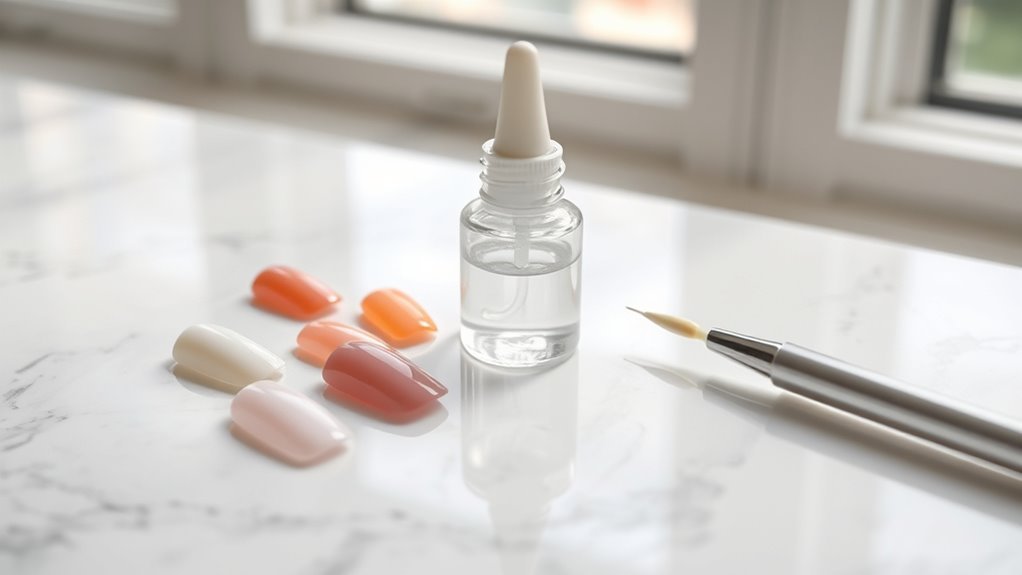
If you need reliable nail glue, look for strong adhesion and safe, hypoallergenic ingredients to protect your nails and skin.
Choose based on your nail type: acrylic glues for artificial nails or flexible gels for reduced breakage.
Apply sparingly on clean, dry nails, avoiding skin contact, and work in a ventilated space for safety.
Knowing how to properly apply, remove, and select the right brand keeps your nails healthy and flawless.
Keep going to uncover helpful tips and tricks.
Key Takeaways
- Nail glue contains cyanoacrylate, which provides a strong, fast-drying bond. However, frequent use may cause nail brittleness.
- Choose nail glue types based on your needs: acrylic for strength, gel for flexibility, hypoallergenic for sensitive skin, and waterproof for durability.
- Prep your nails by cleaning and drying them well. Apply glue sparingly, avoid skin contact, and work in a ventilated area for safe use.
- Use nail glue for quick minor repairs. When removing, soak in acetone gently and avoid forceful scraping to protect your nails.
- Select reputable, nail-specific brands that prioritize hypoallergenic and eco-friendly formulas. Also, consider user reviews and dermatologist advice.
What Nail Glue Is And How It Repairs Nails
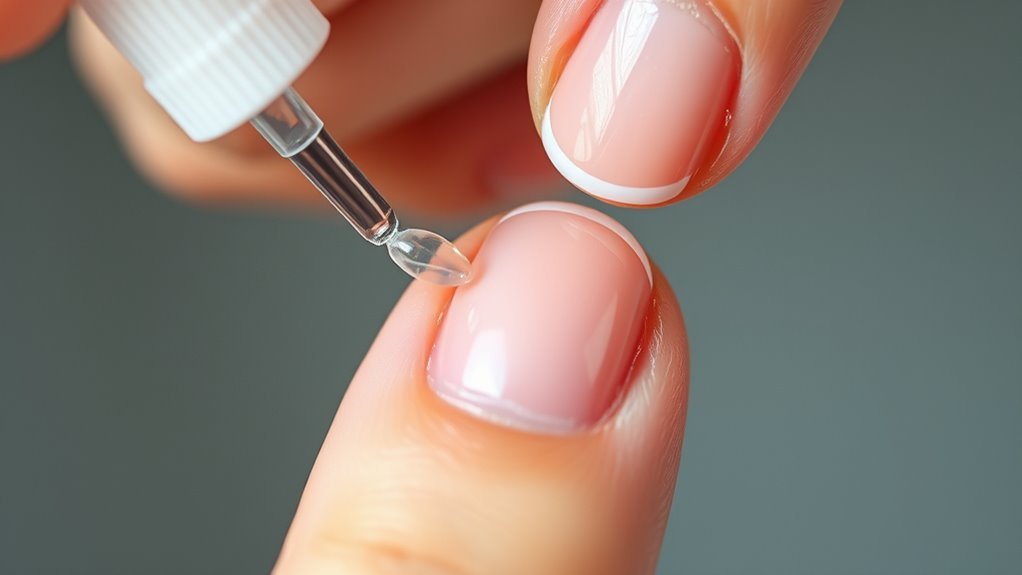
Nail glue is a fast-drying adhesive designed specifically to bond broken or loose nails back together. When you apply it, the glue seeps into the cracks or lifts, creating a strong seal that holds your nail in place while it heals or grows out.
Understanding the nail glue ingredients helps you make safer choices. Most formulas contain cyanoacrylate, which creates a durable bond but can sometimes cause irritation if overused. You should also be aware of the nail health impact. Frequent use might weaken your natural nails by drying them out or causing brittleness.
To protect your nails, apply glue sparingly and avoid prolonged exposure. By doing this, you can enjoy quick repairs without compromising your nail’s strength. Nail glue offers a convenient fix, but knowing its components and effects guarantees you use it wisely and maintain healthy nails in the long run.
Different Types Of Nail Glue And Their Uses
While understanding what nail glue is and how it works helps you use it safely, knowing the different types can make your repairs even more effective. Acrylic adhesives are strong and ideal for attaching artificial nails, while gel options provide a more flexible bond that moves with your nails, reducing breakage.
If you’re sensitive to certain chemicals, hypoallergenic choices protect your skin and nails from irritation. Brush applicators offer precision, making it easier to apply glue neatly, especially around cuticles.
For durability, waterproof formulas keep your nails secure even when exposed to water frequently. Quick dry varieties speed up the repair process, perfect when you’re in a hurry.
If you prefer products with a lower environmental impact, eco friendly solutions are available, combining performance with sustainability. By selecting the right type of nail glue for your specific needs, you’ll enjoy longer-lasting, cleaner, and safer nail repairs every time.
When To Use Nail Glue Vs. Other Repairs
You’ll want to choose nail glue when you need a quick, temporary fix because it bonds really fast. But keep in mind, it might not hold up for the long haul. If you’re looking for something stronger and more permanent, other methods like gel overlays or acrylics could be a better fit. It really helps to compare the strength and purpose of each option so you can pick the best way to restore your nails.
Temporary Vs. Permanent Fixes
Choosing between temporary and permanent nail fixes depends on the damage and how long you want the repair to last. Temporary solutions like nail glue are perfect for quick fixes or minor chips, especially when you’re facing longevity concerns but don’t need a long-term repair.
However, for severe cracks or nail bed damage, permanent fixes such as professional treatments or acrylic overlays work better.
Consider these points when deciding:
- Use temporary solutions for quick, short-term fixes or when you need a stopgap.
- Opt for permanent repairs if your nail damage affects functionality or aesthetics long-term.
- Assess how long you want the repair to last and the level of durability required.
This way, you’ll choose the right method without risking further damage or inconvenience.
Nail Glue Strength Comparison
Because nail glue provides quick adhesion and easy application, it’s ideal for minor repairs and short-term fixes. You’ll want to evaluate strength ratings and adhesive formulas when choosing the right glue. Some formulas work better for thin nails, while others hold thicker tips firmly.
Nail glue strength varies, so match it to your repair needs.
| Nail Glue Type | Strength Rating | Best Use Case |
|---|---|---|
| Light Formula | Medium | Small cracks, quick fixes |
| Gel Formula | High | Thick tips, longer wear |
| Brush-On Formula | Very High | Full nail reattachment |
| Flexible Formula | Medium High | Natural nails, flexibility |
Use stronger glues for permanent repairs, but lighter ones for easy removal or temporary fixes.
Alternative Repair Methods
Although nail glue is a convenient option for quick fixes and minor repairs, other methods like gel overlays, acrylics, or nail wraps might suit your needs better when dealing with extensive damage or long-term wear. You should consider DIY alternatives and home solutions when nail glue doesn’t offer enough durability or when you prefer natural remedies.
Repair kits and glue substitutes can provide stronger, longer-lasting results, especially for emergency fixes. Here are three situations to choose alternatives over nail glue:
- When your nail is severely cracked or missing, acrylics or gel overlays offer better structure.
- For sensitive skin or allergies, natural remedies and glue substitutes reduce irritation.
- If you want a longer-lasting solution, nail wraps or professional repair kits work best.
Knowing these options helps you pick the right fix every time.
Picking The Best Nail Glue For You
How do you find nail glue that suits your needs best? Start by considering ingredient safety. Look for glues free from harsh chemicals like formaldehyde or toluene, especially if you have sensitive skin. You want a formula that holds strong without causing irritation.
Next, think about what you’ll use the glue for. Some formulas dry faster, while others offer a stronger bond. So choose one that matches your lifestyle.
Don’t forget application tips when making your selection. A precision applicator can make a big difference, allowing you to apply glue neatly and avoid mess.
Also, check if the glue is compatible with your nail type. Natural nails, acrylics, or gels may require different adhesives.
How To Apply Nail Glue Safely
When you apply nail glue, taking proper precautions guarantees both a strong bond and healthy nails. To guarantee safe application, focus on mastering the right application techniques and adhering to essential glue precautions.
Start by prepping your nails. Clean and dry them thoroughly to help the glue stick better. Then apply a small amount of glue; too much can cause overflow and mess. When positioning your nail or tip, press gently but firmly for a few seconds to secure it.
Follow these three key steps for safe use:
- Work in a well-ventilated area to avoid inhaling fumes.
- Avoid skin contact; if glue touches your skin, wipe it off immediately.
- Store the glue properly, tightly capped, and away from heat or children.
How Long Does Nail Glue Take To Dry?
Once you’ve applied nail glue carefully, you’ll want to know how long it takes to dry so you can avoid smudging or weakening the bond. Typically, nail glue’s drying time is very quick, usually between 10 to 30 seconds. This rapid drying happens because the glue undergoes a curing process when exposed to air, which hardens and secures the nail or tip in place.
However, keep in mind that factors like humidity, temperature, and the amount of glue used can slightly affect the drying time. Applying too much glue can extend the curing process, making it tacky longer and risking a weaker hold. To get the best results, use a thin layer and hold the nail firmly for about 30 seconds after applying. That way, you guarantee the glue fully cures and forms a strong, lasting bond without any smudging or shifting.
Common Nail Glue Mistakes To Avoid
Five common nail glue mistakes can ruin your manicure quickly, but avoiding them helps guarantee a strong, lasting bond. First, misunderstanding proper application techniques leads to uneven glue distribution, weakening adhesion. Don’t overapply. Thin, even layers work best.
Proper application with thin, even layers ensures a strong bond and prevents weakened adhesion in your manicure.
Second, ignoring storage tips diminishes glue effectiveness. Keep it tightly sealed and stored in a cool, dry place to maintain ingredient stability. Third, falling for common misconceptions like using glue too frequently can damage your nails. Give them time to breathe between applications.
Here are three key mistakes to avoid:
- Using incompatible adhesives without adhesive comparisons. Choose glue suited for your nail type or repair needs.
- Overlooking ingredient awareness. Some glues contain harsh chemicals that may cause irritation.
- Relying solely on glue for repairs. Consider repair alternatives like nail wraps for longer-lasting results.
Avoid these pitfalls to keep your manicure flawless and strong.
How To Stay Safe When Using Nail Glue
Anyone using nail glue should prioritize safety to prevent accidents and skin irritation. Start by working in a well-ventilated area to avoid inhaling fumes. Always read the instructions carefully and follow recommended application techniques.
Use small amounts of glue; applying too much increases the risk of overflow onto your skin. To keep control, squeeze the glue sparingly and apply it directly to the nail or artificial tip, not your skin.
Wear protective gloves if you’re prone to skin sensitivity. Keep nail glue away from your eyes and mouth, and never use it near open flames as it’s flammable.
Store the glue in a cool, dry place out of reach of children and pets. If you accidentally get glue on your skin, avoid pulling it off harshly to prevent irritation or injury.
Removing Nail Glue Without Damage
Although nail glue is designed for strong adhesion, you can remove it safely without damaging your natural nails by following the right steps. Proper nail glue removal is essential to avoid peeling or weakening your nails. Here’s how you can do it effectively:
- Soak in Acetone: Use pure acetone or nail polish remover with acetone to soak a cotton ball, then place it on your nail. Wrap your finger in foil for 10-15 minutes to soften the glue.
- Gently Lift the Glue: After soaking, use a wooden cuticle stick to carefully lift the softened glue. Avoid forceful scraping to prevent damage.
- Moisturize and Care: Once removed, wash your hands and apply cuticle oil or moisturizer for damage prevention and nail health.
Top Nail Glue Brands To Try
When you’re picking out nail glue, you want brands that are known for strong, long-lasting bonds that won’t damage your nails. It’s all about finding that perfect balance between powerful adhesion and safe, gentle formulas. So, let’s dive in and check out some of the top nail glue brands you should definitely try.
Popular Nail Glue Brands
Wondering which nail glue brand will give you the best hold and finish? Choosing the right one can make all the difference. Here are three popular options to evaluate:
- Kiss Products and Kiss Nail – Known for reliability, these brands offer strong adhesion and quick drying, perfect for everyday use.
- Dashing Diva and Nailene Adhesive – Both provide durable bonds with formulas designed to prevent lifting and chipping.
- IBD Gel, Orly Glue, and Sally Hansen – These brands combine professional quality with easy application, suitable for both beginners and pros.
You might also come across Super Glue, Ardell Lash, and Glamnetic Adhesive, which serve niche purposes beyond nails but can be handy in a pinch. Stick with trusted nail-specific glues for the best results.
Long-Lasting Adhesive Options
Choosing the right nail glue brand sets the foundation for a flawless manicure. But if you want your nails to stay put for days, you’ll need an adhesive known for long-lasting strength.
Look for options that create long-lasting bonds, ensuring your nails won’t lift or chip easily. Brands like KDS, IBD, and Nailene offer excellent adhesive durability, standing up to everyday wear and tear.
These glues provide strong, quick-drying formulas that keep your nails secure without constant touch-ups. When you prioritize adhesive durability, you save time and avoid frustration from nails popping off unexpectedly.
To get the most out of your manicure, select a top nail glue brand specifically designed for long-lasting bonds. Your nails will thank you with a flawless, sturdy finish that lasts.
Safe Formulations For Nails
Because your nails deserve both beauty and care, selecting a nail glue with safe formulations is vital. You’ll want to investigate brands offering natural ingredients and hypoallergenic options to reduce irritation risks. Many cruelty-free brands also prioritize eco-friendly choices, making your purchase kinder to the planet.
Pay attention to formulation differences, as ingredient safety varies widely. Checking dermatologist recommendations and user reviews can guide you to trusted products.
Here are top considerations when choosing safe nail glue:
- Prioritize hypoallergenic and natural ingredient blends to protect sensitive skin.
- Choose cruelty-free and eco-friendly brands to support ethical and sustainable practices.
- Review dermatologist advice and user feedback to guarantee effectiveness and safety.
Frequently Asked Questions
Can Nail Glue Be Used for Crafts or Non-Nail Repairs?
Yes, you can use nail glue for craft applications and non nail uses, but you should be cautious. Nail glue bonds quickly and strongly, making it great for small, delicate projects.
However, it’s not ideal for porous or flexible materials, as it can become brittle. You’ll want to test it on a small area first and avoid using it on anything that needs flexibility or a large surface, since it’s designed specifically for nails.
Is Nail Glue Safe for Children to Use?
You shouldn’t let children use nail glue because it poses serious child safety risks. Over 30% of glue-related poisonings involve young kids. Nail glue’s strong chemicals can cause skin irritation or accidental ingestion dangers.
Instead, opt for glue alternatives designed specifically for children, like non-toxic, washable adhesives. These keep your child safe while still allowing creativity without the harmful effects nail glue carries. Always supervise any crafting activity involving glue.
How Should Nail Glue Be Stored for Longevity?
You should store nail glue in a cool, dry place to guarantee its longevity. Temperature control is key. Avoid heat and direct sunlight because they can cause the glue to thicken or dry out.
Keep the cap tightly sealed to prevent air exposure. Following these storage tips will help maintain the glue’s effectiveness and prevent it from hardening prematurely. This way, you get the most out of every bottle.
Can Nail Glue Cause Allergic Reactions?
Absolutely, nail glue can cause allergic reactions. Think of it like accidentally using a rotary phone in 2024. It’s unexpected but possible.
If you’re sensitive, you might notice allergic symptoms like redness, itching, or swelling around your nails. Skin irritation is common if your skin comes in direct contact with the glue.
Always do a patch test first to avoid any unpleasant surprises and keep your manicure safe and comfortable.
What Should I Do if Nail Glue Gets in My Eyes?
If nail glue gets in your eyes, act quickly to reduce eye irritation. First, rinse your eyes immediately with plenty of clean, lukewarm water for at least 15 minutes.
Avoid rubbing your eyes, as this can make irritation worse. If discomfort sticks around or you notice any changes in your vision, get medical help right away. Taking these steps helps prevent serious damage and keeps your eyes safe.
Conclusion
Now that you know the ins and outs of nail glue, you might think you’re ready to plunge in. But before you do, pause. There’s one essential secret that can make or break your nail game.
Using the wrong glue or applying it carelessly can lead to disaster. So take a moment to choose wisely and apply carefully. Your nails depend on it, and the results with the right nail glue might surprise you in the best way.