
How to Measure Your Head for a Wig: A Step-by-Step Guide
Measuring your head for a wig is a straightforward process that involves taking three key measurements: the circumference, front to nape length, and ear to ear distance. These measurements help ensure you choose a wig that fits comfortably and looks natural.
Having a properly fitting wig is essential for comfort and appearance. A wig that's too tight can cause discomfort and headaches, while one that's too loose may shift or feel insecure during wear. Accurately measuring your head prevents these issues and enhances the overall look.
This article will cover the essential measurements you need, the tools to use, practical tips for accuracy, and how to interpret those numbers when selecting or ordering a wig. By the end, you'll be confident in measuring your head for a perfect wig fit.
Key Measurements for Wig Fit
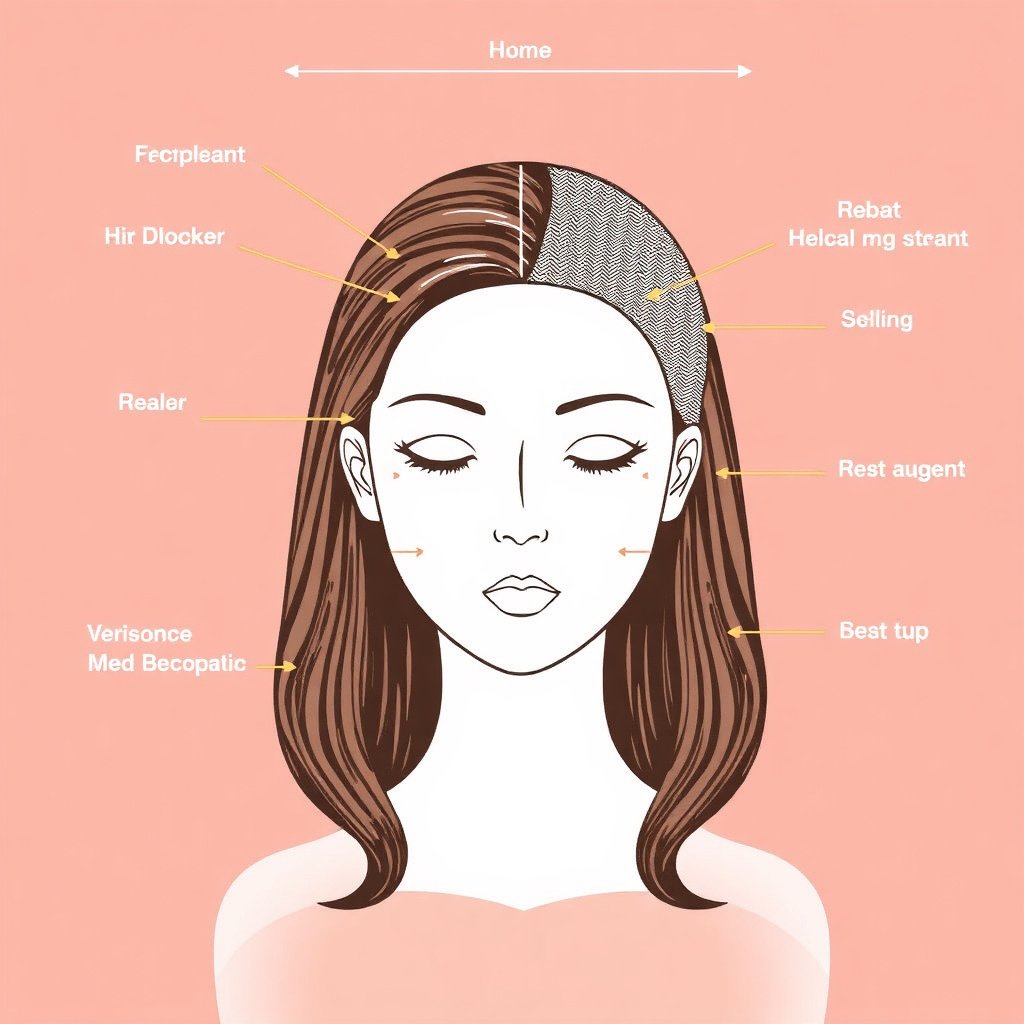
Measuring the Head Circumference
The most important measurement is the head circumference, which determines the wig cap size. Use a flexible measuring tape wrapped around your head, starting at the front hairline, going above the ears, around the back of the head at the nape, and back to the front.
Make sure the tape sits snugly but not tight and is level all around. Record this number in centimeters or inches as this helps you categorize sizes like small, medium, or large in wig sizing guides.
- Start at the forehead near the hairline
- Wrap tape above ears and around nape
- Keep tape level and snug
- Avoid pulling tape too tight
Measuring Front to Nape Length
This measurement captures the length from the middle of your forehead at the hairline down the center to the nape of your neck. It helps in choosing wigs with caps that fit your head's length and accommodate natural contours.
Using the same flexible tape, place one end at the hairline center of your forehead and run it straight back over the top of your head to the base of your skull, where your neck meets your hairline. This measurement ensures the wig cap won't be too short or long.
- Use the same measuring tape
- Measure along the scalp from forehead center to nape
- Maintain tape close to the scalp
- Record the measurement precisely
Additional Head Measurements for Better Fit

Measuring Ear to Ear Across the Forehead
This measurement goes from just above one ear, across the forehead, to the same point on the other ear. It helps ensure the wig's base covers the hairline properly and that the wig aligns with your natural ear position.
Wrap the measuring tape over the top of your head so it crosses the forehead about an inch above the eyebrows. This distance plays a role in how the wig frames your face and the placement of lace fronts if you use them.
- Measure over the forehead, not behind ears
- Start just above one ear's highest point
- Keep tape level and snug
- Note the distance carefully
Measuring Ear to Ear Across the Back of the Head
This measurement is taken from one ear’s highest point across the back of the head to the opposite ear. It indicates the width needed at the back of the wig cap.
Using the tape measure, go from ear to ear over the nape, making sure the tape is level and close to the scalp. This ensures the wig will fit the curve of your head comfortably and helps avoid gaps or tightness.
- Measure over the back of the head at nape level
- Keep tape close to the scalp
- Ensure tape is snug but not tight
- Record measurement accurately
Tools and Tips for Accurate Wig Measurements
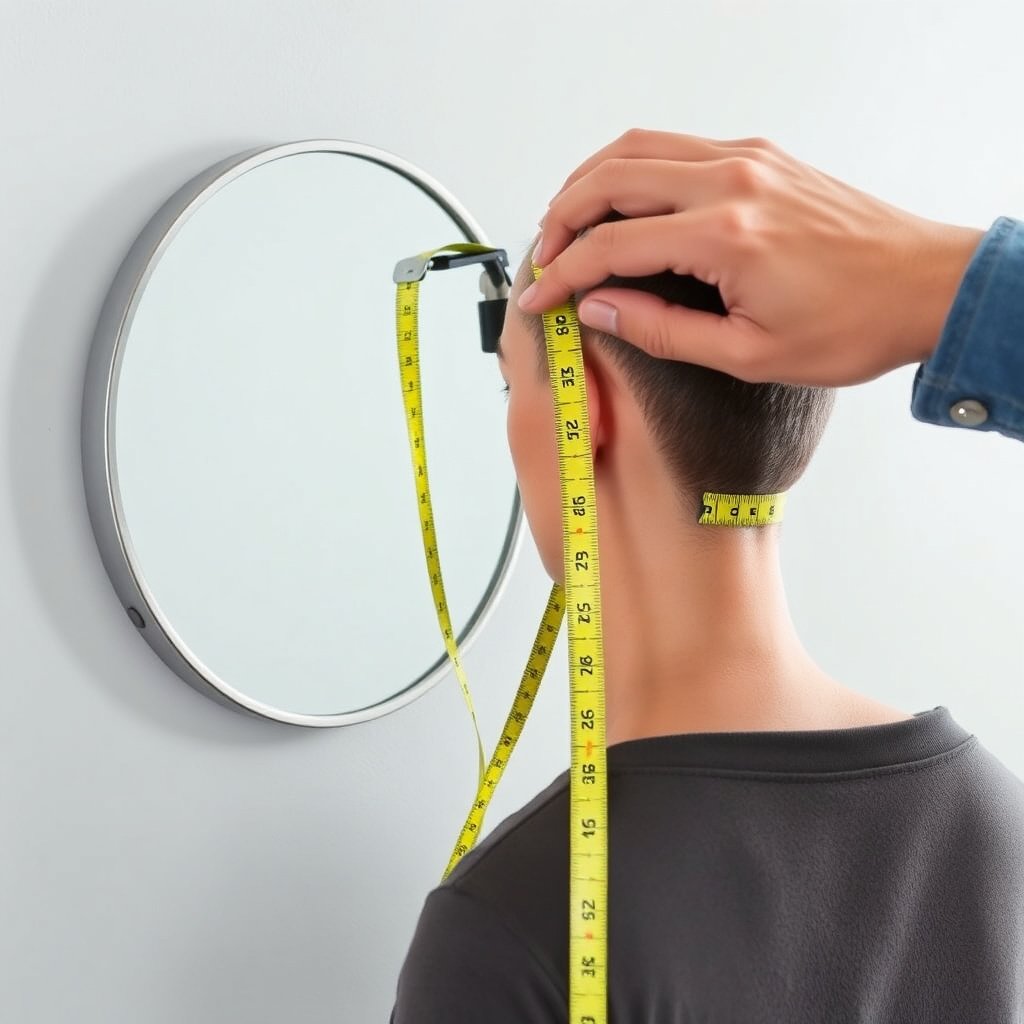
Choosing the Right Measuring Tools
A soft, flexible measuring tape designed for sewing is ideal for taking wig measurements. Avoid rigid rulers or metal tapes as they do not conform to the curves of the head, leading to inaccurate results.
A handheld mirror helps you check tape positioning, and having assistance from another person improves accuracy by ensuring the tape stays even and snug without twists.
- Use flexible, cloth or plastic tape measure
- Avoid stiff metal or plastic rulers
- Have a mirror to check tape alignment
- Get help for best results
For more on this, see our related guide: Do Wigs Damage Your Hair? The Complete Answer.
Tips for Consistent Measurement Accuracy
Take measurements more than once to verify consistency. Always measure with clean, dry hair styled as you intend to wear the wig because hair volume affects fit.
Keep the measuring tape level and close to the scalp without pulling. Write down each measurement immediately and label them clearly to avoid confusion when browsing wig sizing guides.
- Measure 2-3 times to confirm
- Measure on styled hair
- Keep tape level and snug
- Label and record measurements
Interpreting Measurements for Wig Selection

Understanding Standard Wig Sizes
Standard wig sizes—small, medium, large, and extra large—are based on head circumference and sometimes on front-to-nape length. Checking your measurements against manufacturer sizing charts helps you pick accurately.
For example, a medium usually fits head circumferences between 22 to 22.5 inches. If your measurement is near a size boundary, consider your hair volume and comfort preference to decide whether to size up or down.
- Small: ~21-21.5 inches circumference
- Medium: ~22-22.5 inches circumference
- Large: ~23-23.5 inches circumference
- Cross-check front-to-nape length
Adjusting for Custom or Specialty Wigs
Custom wig makers require exact measurements, including all head dimensions covered here, to create personalized fits. Specialty wigs like lace fronts or 360 lace have additional fitting considerations based on ear-to-ear and back measurements.
In these cases, providing thorough and accurate measurements is critical. It allows for cap designs that closely mimic natural hairlines and ear positioning for a realistic appearance.
- Provide all key measurements to manufacturer
- Discuss cap style and lace front options
- Include any unique head shape notes
- Seek professional fitting if possible
Common Measurement Mistakes to Avoid
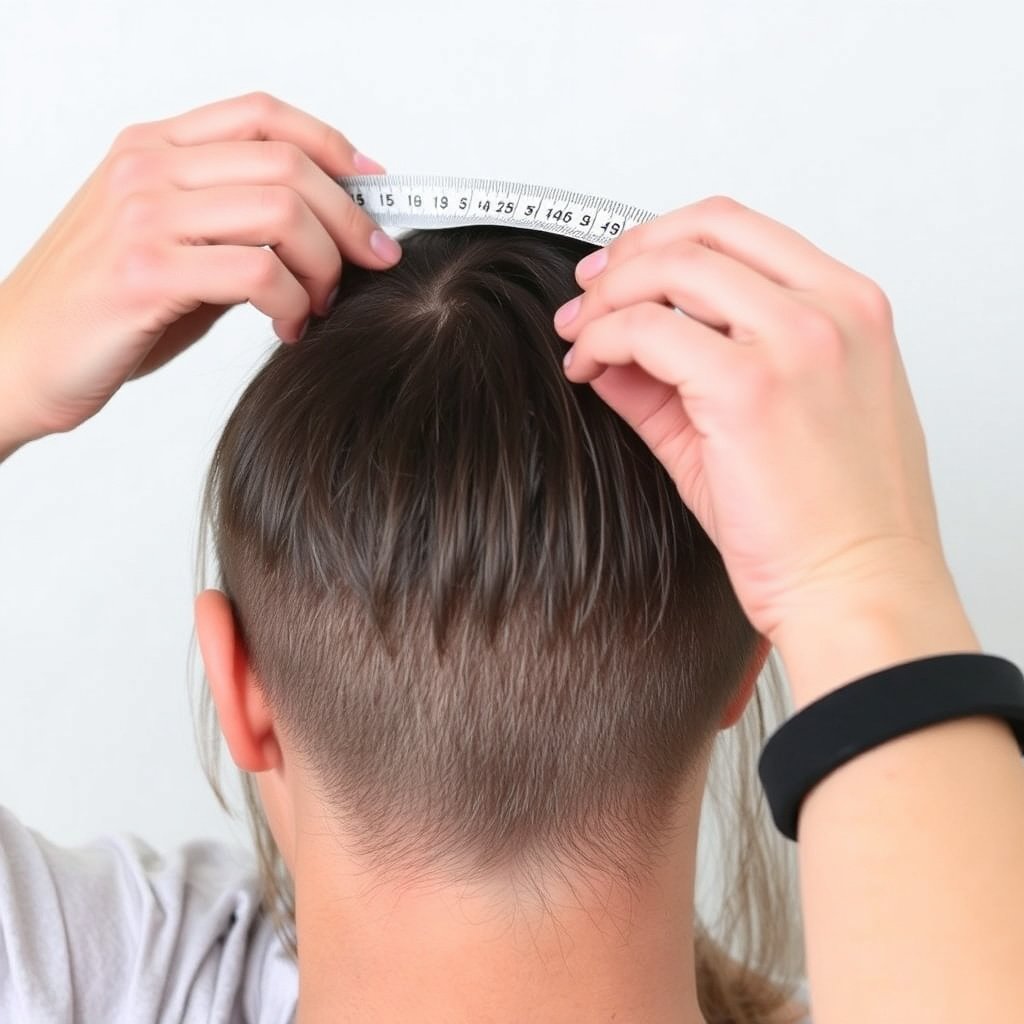
Avoiding Loose or Twisted Tape Errors
A loose measuring tape can exaggerate size, while a twisted tape causes uneven measurements. Both result in an ill-fitting wig that can feel unstable or too tight.
Ensure the tape lies flat without gaps or kinks. When possible, ask for help to maintain proper tension and alignment around your head to avoid these common issues.
- Check tape lies flat against scalp
- Avoid twists and folds
- Do not pull tape too tight
- Ask for assistance to maintain consistency
For more on this, see our related guide: Where to Buy Wigs Near Me: Your Local Shopping Guide.
Measuring Over Thick or Voluminous Hair
Measuring over thick or curly hair can give a misleadingly large size. It is best to measure with hair flattened or pulled back as you will likely wear the wig over less volume.
Consider the wig cap’s ability to compress hair; measuring uncompressed hair may lead to purchasing a wig that is too large and loose.
- Measure hair flattened or pulled back
- Account for wig cap compression
- Avoid measuring hair volume for sizing
- Check wig size guides for hair types
Maintaining Accurate Measurements Over Time

Why Regular Remeasurement Matters
Head shape and hairline can change due to aging, weight loss, or medical treatments, impacting wig fit over time. Regularly remeasuring helps adapt to these changes.
Measure your head every 6 to 12 months to check for differences, ensuring your wig remains comfortable and secure without unwelcome gaps or pressure points.
- Measure at least twice a year
- Track changes in head circumference
- Adjust wig size or style accordingly
- Consult a wig fitter if needed
For additional background on wig construction and measurement techniques, the Wikipedia article on wigs offers useful information. wig measurement techniques.
Storing and Recording Measurement Data
Keep a dedicated wig measurement record with dates and notes on hair style during measurement. This aids in referencing data for future wig purchases or adjustments.
Digital photos alongside measurements can also help visual comparisons and are useful when working with online wig vendors or wig makers for consistency.
- Maintain a measurement journal
- Record hair styles and measurement dates
- Use photos to document changes
- Share data with wig suppliers as needed
Wig Size Category Comparison
This table summarizes common wig size categories with their typical head circumference ranges and recommended head shape considerations.
| Size Category | Head Circumference (inches) | Front to Nape Length (inches) | Best For Head Shapes |
|---|---|---|---|
| Small | 20.5 – 21.5 | 13 – 13.5 | Petite, Narrow Heads |
| Medium | 22 – 22.5 | 13.75 – 14.25 | Average Heads |
| Large | 23 – 23.5 | 14.5 – 15 | Broad or Oval Heads |
| Extra Large | 24 and up | 15+ | Larger or Long Heads |
Frequently Asked Questions
Can I measure my head for a wig by myself?
Yes, but having an extra person helps ensure the tape stays level and snug for more accurate results, especially for hard-to-reach spots like the back of your head.
How tight should the measuring tape be when measuring my head?
The tape should be snug enough to stay against your skin without indenting or feeling tight. This balance gives accurate sizing without discomfort.
Should I measure my hair when it’s styled or natural?
Measure with your hair styled as you intend to wear the wig. Flatter hair usually provides better sizing, preventing loose fits caused by bulky natural hair.
How often should I remeasure my head for wig fitting?
It’s recommended to remeasure your head every six to twelve months to accommodate any natural changes in head shape or hairline over time.
What if my measurements fall between two wig size categories?
If you’re between sizes, consider your comfort preference and hair volume. Usually sizing up offers more comfort, but selecting a medium size often provides a better appearance.
Key Takeaways
- Accurate head measurements involve circumference, front-to-nape length, and ear-to-ear distances.
- Use a flexible tape and have a helper for best accuracy.
- Compare your measurements against wig sizing charts or a wig sizing guide.
- Regularly remeasure to maintain a comfortable wig fit.
Conclusion
Measuring your head for a wig is essential to finding a comfortable and natural-looking fit. By focusing on the three primary measurements—circumference, front-to-nape length, and ear-to-ear distances—you gain detailed insight into the appropriate wig size and style that matches your unique head shape. Accurate measurement prevents common issues such as discomfort or shifting and builds confidence as you select or order your wig.
When using this knowledge, take consistent measurements with the right tools like a flexible tape measure and consider hair volume or style you typically wear under a wig. For standard sizing, match your numbers against conventional wig size categories—small, medium, large, or extra large. For custom or specialty wigs, providing detailed measurements including the ear-to-ear and back of head distances ensures proper cap construction and realistic fit, especially with lace fronts or 360 lace designs, which depend heavily on these dimensions.
After mastering how to measure your head for a wig, the next step is to use your measurements when browsing wig styles and providers, whether in-store or online. Keep a record of your sizes to streamline future wig purchases or consultations with wig makers, and remeasure periodically, especially if you notice changes in fit or feel. This simple process maximizes comfort, aesthetics, and wig longevity.