How to Choose a Wig Color That Complements Your Style Perfectly
Choosing a wig color involves matching the shade with your skin tone, personal style, and the look you want to achieve. Start by identifying whether you have cool, warm, or neutral undertones, then pick a wig color that enhances your natural complexion. This direct method helps you avoid colors that might clash or wash you out.
Your wig color greatly influences your overall appearance, affecting how vibrant or natural your look feels. Selecting the right shade can boost confidence and complement your wardrobe, while the wrong color may feel artificial or unflattering. Understanding the relationship between hair color and skin tone matters because it helps create a balanced and harmonious look.
This article breaks down how to analyze your skin undertone, explore popular wig color options, consider maintenance needs, and provide tips on trying colors before committing. You’ll also find a helpful comparison of wig color categories and answers to common questions to guide your choice.
Understanding Skin Undertones for Choosing a Wig Color
Identifying Cool, Warm, and Neutral Undertones
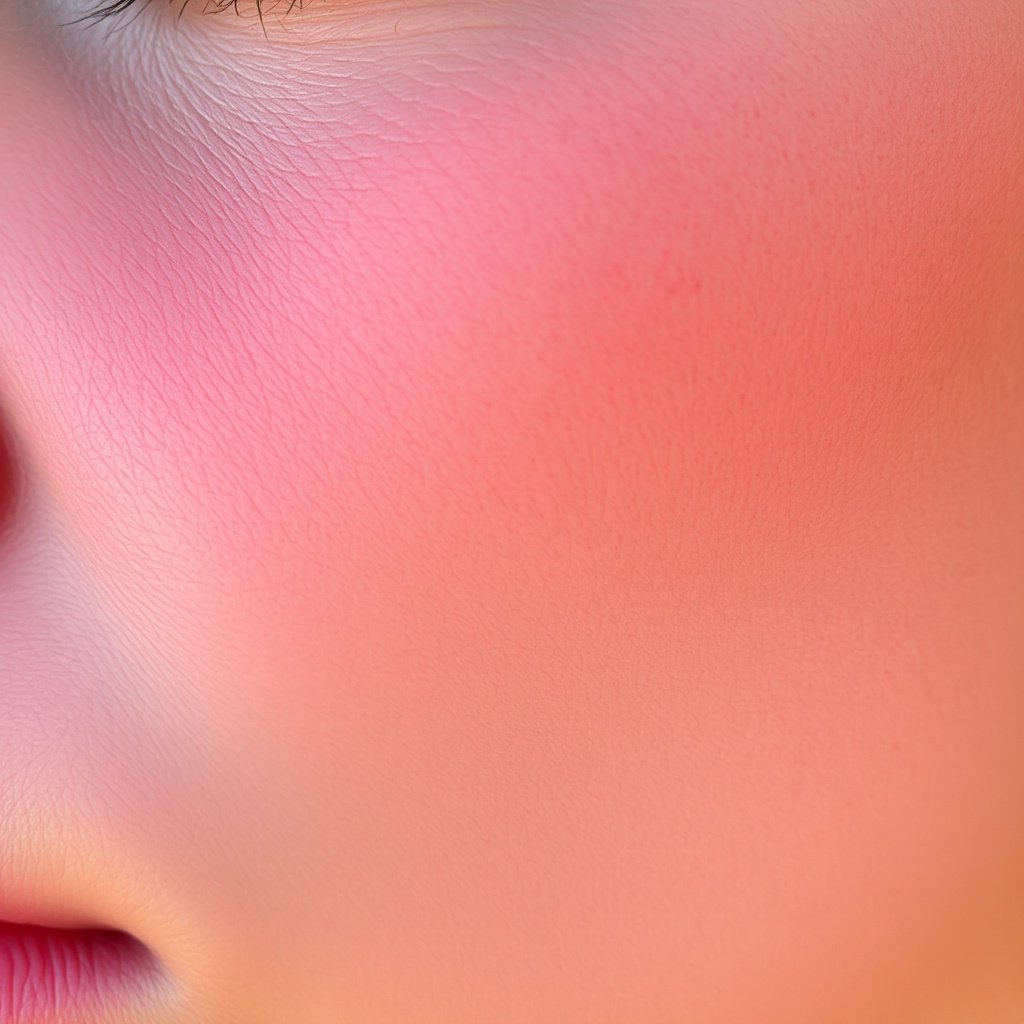
Skin undertones fall into three broad categories: cool, warm, and neutral. Cool undertones usually have hints of pink, red, or blue, while warm undertones lean towards yellow, peachy, or golden hues. Neutral undertones are a balanced mix of cool and warm, making them more flexible with color choices.
To find your undertone, observe the veins on your wrist under natural light: blue or purple veins typically indicate cool undertones, greenish veins suggest warm undertones, and a mix may point to neutral. Understanding this helps you select a wig color that blends naturally with your complexion.
- Look at veins under natural light
- Consider how your skin reacts to sun exposure
- Evaluate which jewelry tones flatter you most
Why Undertones Affect Wig Color Choices
Matching wig colors to undertones ensures the color complements rather than competes with your skin. Cool skin tones pair well with ash and jewel-toned wigs, while warm tones shine with golden, copper, and rich brown shades. Neutral undertones usually have the freedom to wear both palettes.
Ignoring undertones can result in a wig color that looks harsh or unnatural, such as overly warm shades on cool skin making you appear washed out. Taking undertones into account tailors your wig choice to highlight your unique features effectively.
Popular Wig Color Families and Their Impact
Natural Colors: Blonde, Brunette, Black, and Red
Natural wig colors like blonde, brunette, black, and red offer versatile looks that mimic real hair shades. These colors typically blend more seamlessly with your complexion and allow for easy matching with everyday clothing and makeup styles.
When choosing a natural color, consider your original hair color for subtle enhancement or try a slightly different shade to refresh your appearance. For example, a dark brunette wig with warm highlights can brighten warmer skin tones without drastic change.
- Blonde shades range from platinum to honey
- Brunette can vary from light ash brown to rich chocolate
- Red tones include copper, auburn, and vibrant red
Bold and Fantasy Colors for Statement Looks
Bright and fantasy wig colors such as blues, purples, pinks, or greens let you express creativity and make a strong style impact. These colors are less conventional and often require thoughtful pairing with your skin tone and wardrobe.
Choosing bold colors demands confidence and a plan for maintenance since vivid pigments may fade faster. Experimenting with color sprays or wigs in synthetic fibers can be a low-commitment way to explore these shades before investing in permanent options.
Matching Wig Color to Your Face Shape and Features
How Face Shape Influences Color Choices
Certain wig colors can accentuate or soften facial features depending on your face shape. For example, lighter colors can add volume visually for round faces, while darker tones offer slimming effects suitable for square or oval faces.
Selecting wig colors that harmonize with your facial structure helps balance your overall look. It’s also beneficial to combine color with cut and style choices tailored to your face shape to maximize effect.
For more on this, see our related guide: Are Lace Front Wigs Worth It? The Complete Answer.
Highlighting Eye Color and Skin Details
Your eye color is another key element to consider when choosing a wig color. Warmer hair tones, like copper or golden blonde, complement hazel and green eyes, while cooler shades such as ash brown or black pair well with blue or gray eyes.
Taking into account freckles, moles, or other skin details can also guide color choice, as certain wig hues contrast or blend with these features, influencing how striking your overall appearance becomes.
Maintenance and Practical Considerations When Choosing a Wig Color
Color Fading and Upkeep Frequency
Wig color maintenance varies by material and shade. Synthetic wigs typically hold color longer but offer less flexibility for dyeing, while human hair wigs can be recolored but require more care. Lighter colors may show dirt and fading more readily, needing more frequent washing and styling.
Understanding the upkeep involved helps avoid frustration and prolongs the wig’s lifespan. Choose colors aligned with the time and resources you can commit to care routines.
- Use color-safe shampoos for human hair wigs
- Avoid excessive heat on synthetic wigs
- Store wigs properly to prevent fading
Testing Colors Before Buying
Testing wig colors before purchase reduces mismatch risks. Wearing sample fibers or using virtual try-on apps can give you an idea of how a color works with your skin and style. Visiting salons or stores with expert advice can also help identify flattering colors.
Trying before buying is especially helpful when considering bold or fashion colors, providing confidence that your choice suits your features rather than relying on online images alone.
How to Coordinate Wig Color with Your Wardrobe and Lifestyle

Choosing Colors That Complement Your Wardrobe
A wig color choice should harmonize with the predominant colors in your wardrobe to create cohesive outfits. For example, if you wear a lot of cool tones like blues and grays, opting for ash or neutral wig colors suits best. Conversely, warm wig colors pair nicely with earth tones and reds.
Considering wardrobe colors ensures your wig looks intentional within your overall look rather than clashing or requiring you to adjust your clothing choices drastically.
- Analyze your most-worn colors
- Match or contrast thoughtfully
- Factor in accessories and makeup shades
For more on this, see our related guide: Is Human Hair Wig Worth It? The Complete Answer.
Lifestyle Factors Influencing Wig Color Decisions
Your daily routine and environment impact which wig colors make sense. If you work in conservative settings, natural tones are a safer choice, while casual or creative lifestyles may afford experimenting with vibrant hues more freely.
Also, consider how much time you want to invest in wig care; easier-to-maintain colors might suit busy schedules better, especially when you are new to wigs.
Choosing a Wig Color: Balancing Fashion Trends and Personal Comfort

Following Trends Without Compromising Your Look
Fashion trends in wig colors evolve quickly, from pastel tones to balayage effects. While trendy colors can be fun, they might not always flatter your features or fit your lifestyle long-term. Balancing trendiness with what suits you personally prevents dissatisfaction later.
Incorporate small trend elements through highlights or accessories rather than a complete color overhaul if unsure. This approach provides style updates with less risk.
For more on skin undertones and how they interact with hair color, see the detailed explanation of skin tones and undertones. skin undertones explained.
Prioritizing Comfort and Confidence
The most essential factor in choosing a wig color is how confident and comfortable it makes you feel. Even if a color checks all technical boxes, if it doesn’t resonate with your personality or boost your self-esteem, it won’t be successful.
Make your wig color decision reflect your identity rather than external expectations, adapting over time as your style evolves.
Wig Color Categories Comparison
Here's a comparison of common wig color categories to help you understand their key features and suitability.
| Category | Best Skin Undertone Match | Maintenance Level | Common Materials | Suitability for Beginners |
|---|---|---|---|---|
| Natural Colors | Cool, Warm, Neutral | Medium | Human Hair, Synthetic | High |
| Bold/Fantasy Colors | Typically Neutral or Cool | High | Mostly Synthetic | Medium |
| Highlights and Ombre | Warm and Neutral | Medium-High | Human Hair | Medium |
| Rooted/Natural Fade | Cool and Warm | High | Human Hair | Low |
Frequently Asked Questions
Can I dye a synthetic wig to change its color?
Synthetic wigs are generally not suitable for dyeing since synthetic fibers do not absorb regular hair dyes and attempting to do so can damage the wig.
How do I find out if I have a warm or cool skin undertone?
Check the color of your veins under natural light: greenish veins indicate warm undertones, blue or purple veins indicate cool undertones, and a mix may mean neutral undertones.
Are fantasy wig colors suitable for everyday wear?
Fantasy wig colors can be worn daily but depend on your personal style and environment; some workplaces might restrict vibrant hair colors.
How often should I wash and care for a colored human hair wig?
Wigs should typically be washed every 7-10 wears using color-safe products and kept moisturized and protected from heat to maintain color vibrancy.
What wig color looks good for dark skin tones?
Dark skin tones often look stunning with rich browns, deep reds, and vibrant warm shades that add warmth and depth without overwhelming the complexion.
Key Takeaways
- Match wig color to your skin undertones for a natural look
- Consider face shape and eye color to enhance your features
- Maintenance needs vary by color and fiber type
- Align wig color with your lifestyle and wardrobe choices
Conclusion
Choosing the right wig color is a thoughtful process that combines understanding your skin undertones, facial features, and personal preferences. This direct approach helps steer you toward colors that highlight your natural beauty and fit your identity rather than forcing trends or guesswork. By analyzing these factors, you can confidently select a wig color that enhances your presence and feels comfortable in daily wear.
For practical decisions, those with cool undertones might find success with ash blondes or jewel-tone browns, while warm undertones often glow with golden blondes and rich coppers. If you want a bold look, test fantasy colors through temporary synthetic wigs first. It’s also wise to weigh upkeep demands—natural colors on human hair wigs suit people who want styling freedom but are prepared to invest time, whereas synthetic wigs in natural tones require less maintenance and are excellent for beginners.
A useful next step is to visit a specialty wig retailer to try on colors and get personalized advice. Using tools like virtual try-on apps or requesting sample swatches online can provide additional perspective. Ultimately, selecting a wig color that reflects your style and lifestyle elevates not just your appearance but also your confidence, so take your time and enjoy the process.