
How to Choose the Best Shampoo for Natural Hair: Expert Tips and Top Picks
The best shampoo for natural hair is one that gently cleanses without stripping essential oils, controls frizz, and enhances your hair's natural texture. Shampoos with moisturizing ingredients like shea butter, coconut oil, and glycerin tend to nourish curls, prevent dryness, and support scalp health effectively.
Natural hair textures require care that balances moisture retention and cleansing power to maintain softness and definition. Using harsh shampoos can lead to dryness and breakage, which is why selecting a shampoo designed specifically for natural hair makes a significant difference in hair vitality.
This article examines key features to look for in shampoos for natural hair, compares different formulations, and reviews product categories tailored for various curl types and scalp concerns. You'll gain insight into choosing a shampoo that complements your unique hair traits while keeping curls healthy and manageable.
Key Ingredients to Look for in the Best Shampoo for Natural Hair
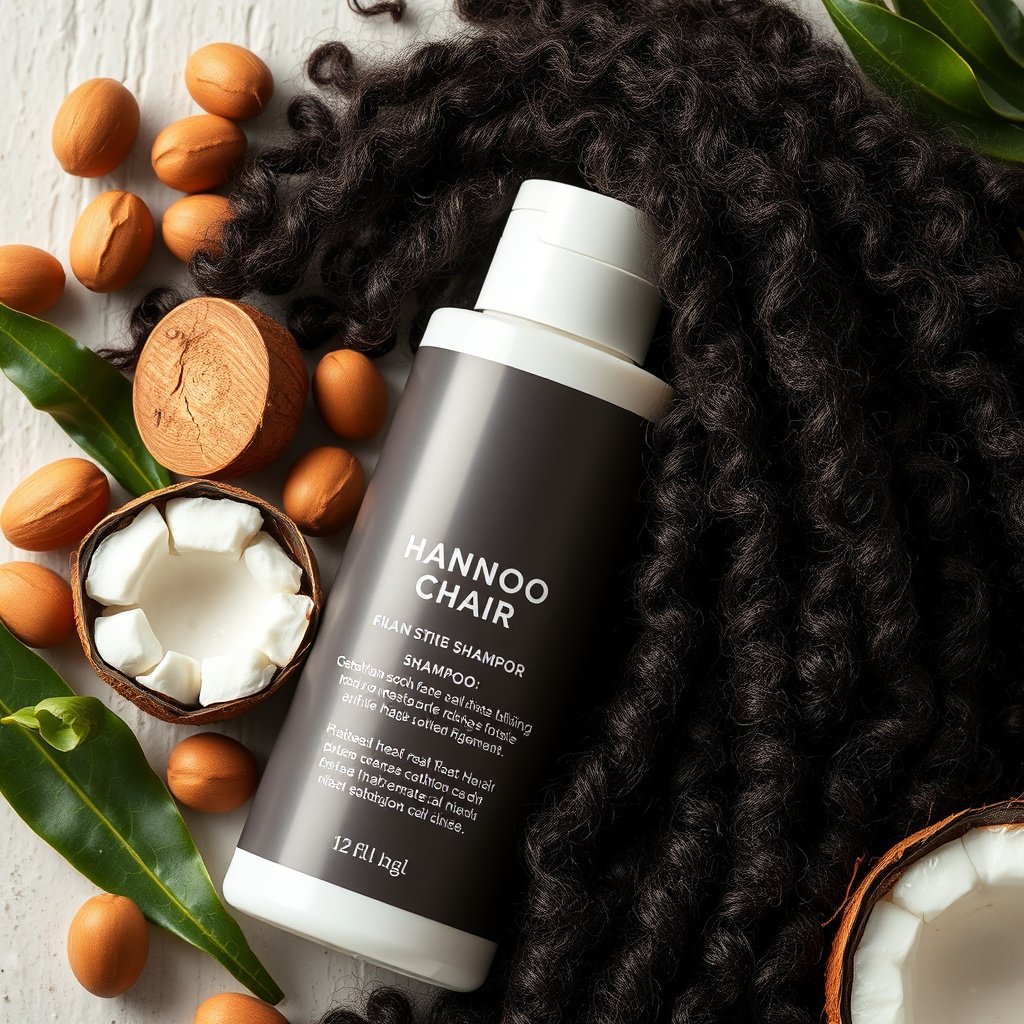
Moisturizing and Nourishing Components
Moisture is the foundation of healthy natural hair. Ingredients like shea butter, coconut oil, aloe vera, and glycerin are especially beneficial as they hydrate strands and help retain moisture without weighing hair down.
Look for shampoos featuring fatty acids and proteins from natural oils or botanicals that strengthen hair while improving its elasticity and softness, which reduces breakage and promotes curl definition.
- Shea butter for added hydration
- Coconut oil to nourish and reduce frizz
- Glycerin as a humectant
- Aloe vera for soothing the scalp
Gentle Cleansers and Scalp Soothers
Sulfate-free cleansers like decyl glucoside or cocamidopropyl betaine prevent harsh stripping of scalp oils that can cause dryness and irritation.
Adding soothing agents such as tea tree oil or chamomile extract helps maintain scalp health and mitigate itchiness or inflammation common with natural hair conditions.
- Sulfate-free surfactants for gentle cleansing
- Tea tree oil for scalp health
- Chamomile to calm irritation
How to Assess Shampoo Based on Your Natural Hair Type
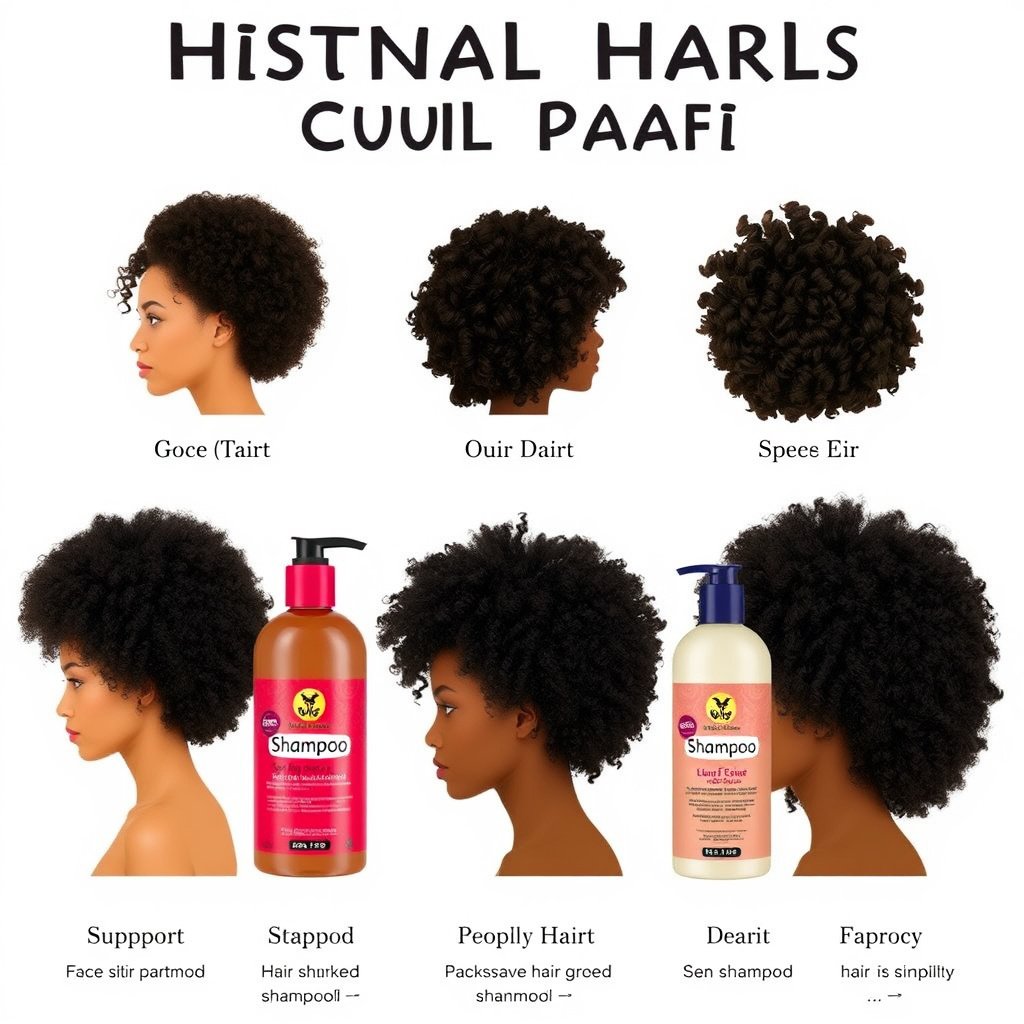
Selecting Shampoo for Loose to Tight Curls
Hair with looser curls (2A-3A) benefits from lighter moisturizing shampoos that avoid heaviness, preserving volume and bounce.
Tighter curls (3B-4C) need richer formulas that provide intense hydration and frizz control to support delicate coils and prevent brittleness.
- Lightweight shampoo for loose curls
- Hydrating, denser shampoo for tight curls
Considering Porosity and Scalp Condition
High-porosity natural hair absorbs moisture quickly but loses it rapidly, requiring shampoos with protein supplements to strengthen and seal cuticles.
If you have a dry or sensitive scalp, opt for shampoos with calming botanicals and avoid heavy buildup ingredients that might aggravate irritation.
- Protein-enriched shampoo for high porosity
- Soothing shampoo for sensitive scalp
Understanding Different Shampoo Formulations for Natural Hair
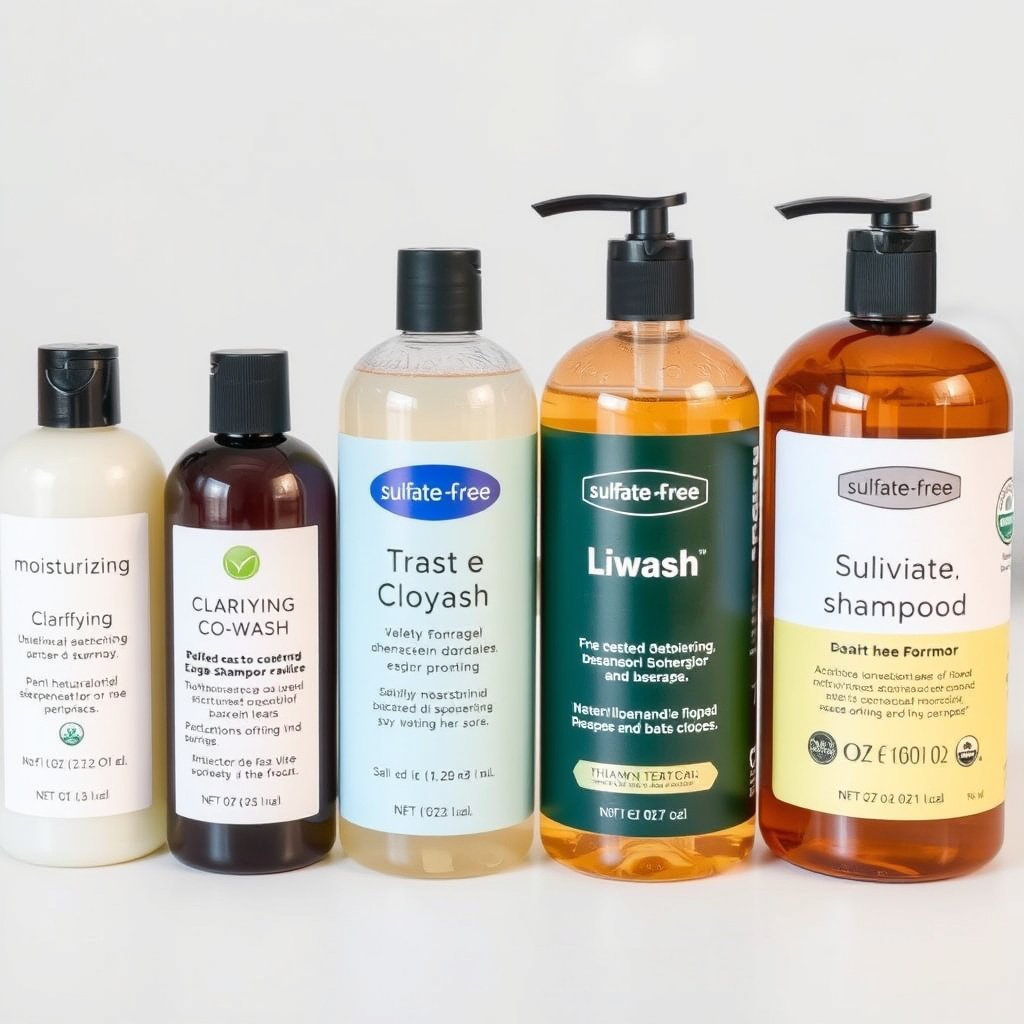
Moisturizing Shampoos vs Clarifying Shampoos
Moisturizing shampoos prioritize hydration and are ideal for regular use on dry natural hair, helping maintain softness and shine.
Clarifying shampoos remove product buildup and excess oils but can be drying if overused, so they should be reserved for occasional deep cleansing.
- Moisturizing shampoos for regular hydration
- Clarifying shampoos for buildup removal
For more on this, see our related guide: Can You Curl Human Hair Extensions? Expert Tips and Techniques.
Co-washing and Sulfate-Free Shampoos
Co-wash products use conditioning cleansers that gently wash natural hair without stripping moisture, suitable for very dry or brittle curls.
Sulfate-free shampoos avoid harsh detergents, preserving the natural oils vital for healthy curls and generally improving scalp comfort.
- Co-washing for low-lather gentle cleansing
- Sulfate-free for moisture preservation
Common Mistakes When Choosing Shampoo for Natural Hair
Using Harsh Shampoos That Strip Natural Oils
Many shampoos contain sulfates or strong detergents that remove too much natural oil, causing hair to become dry and prone to damage.
This stripping effect undermines the natural hair’s ability to stay moisturized and can worsen frizz or cause breakage over time.
Neglecting Scalp Health in Selection
Ignoring scalp needs when choosing shampoo can lead to problems like dryness, itchiness, or dandruff which affect overall hair health.
Balancing cleansing with soothing ingredients tailored for your scalp condition supports both hair growth and curl vitality.
Benefits of Using the Right Shampoo for Natural Hair

Improved Curl Definition and Manageability
Properly formulated shampoos help enhance natural curl patterns by maintaining moisture balance and reducing frizz.
This leads to easier styling, longer-lasting curls, and a healthier appearance overall.
For more on this, see our related guide: Can You Straighten Human Hair Bundles? How to Do It Safely and Effectively.
Healthy Scalp and Reduced Breakage
A gentle yet effective shampoo supports scalp cleansing without irritation, promoting strong hair follicles and minimizing shedding.
Consistent use of the right products fosters resilient hair strands less prone to splitting and damage.
Tips for Maximizing Your Shampoo Experience for Natural Hair
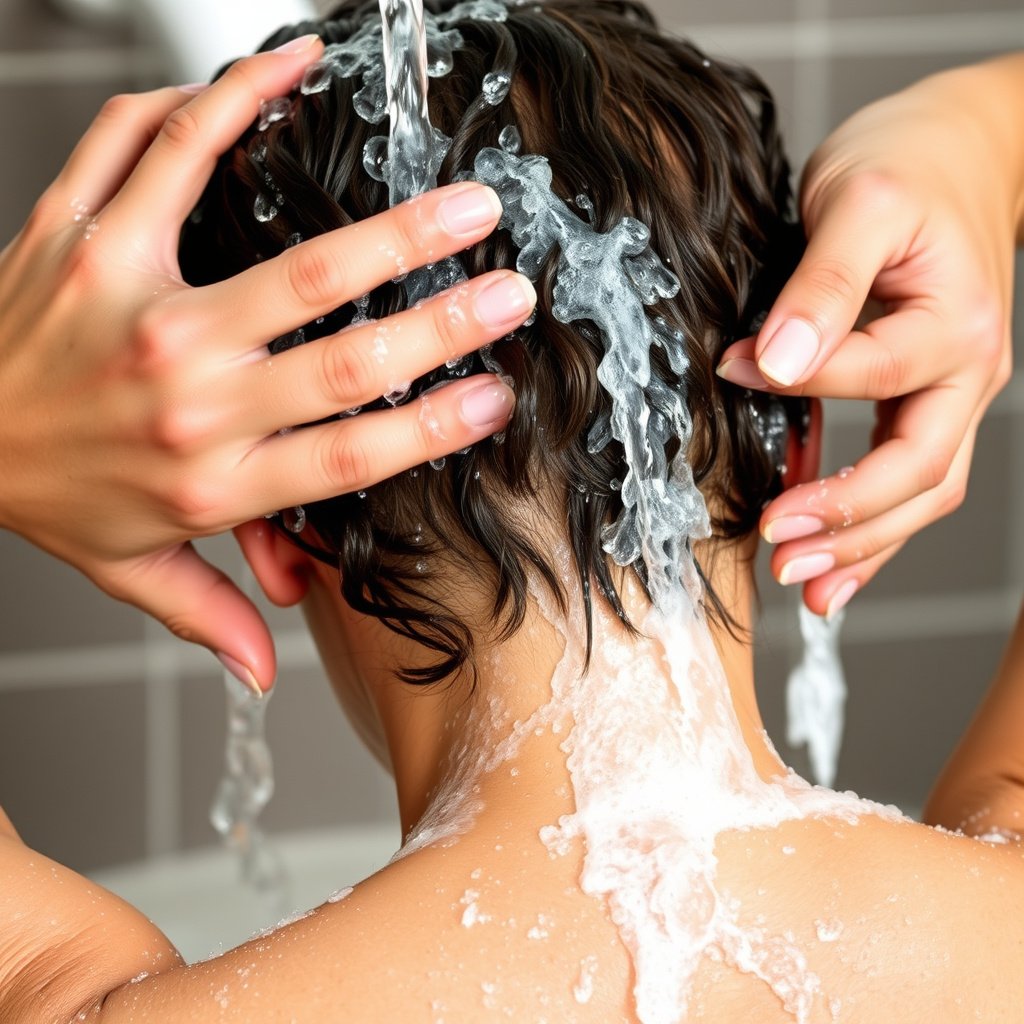
How Often to Shampoo Natural Hair
Frequency depends on hair type and lifestyle; typically, every 7-14 days is sufficient to cleanse without over-drying, but active lifestyles might require more frequent washing.
Listening to your hair’s needs and observing signs like buildup or dryness guides a balanced shampoo schedule.
For more detailed background on natural hair care practices, visit the natural hair care on Wikipedia. natural hair care on Wikipedia.
Complementing Shampoo with Conditioner and Treatments
Pairing your shampoo with a nourishing conditioner and occasional deep treatments helps maintain proper moisture levels and repair damage.
Using leave-in conditioners or oils after washing locks in hydration and adds extra protection to natural curls.
Shampoo Types for Natural Hair Category Comparison
This table compares common shampoo categories to help identify which aligns best with your natural hair needs.
| Category | Main Purpose | Key Ingredients | Ideal Hair Type | Frequency of Use |
|---|---|---|---|---|
| Moisturizing Shampoo | Hydration and softness | Shea butter, glycerin, oils | Dry, thick curls | Regular (weekly) |
| Clarifying Shampoo | Buildup removal | Citric acid, charcoal | Oily scalp, product users | Monthly or biweekly |
| Co-wash | Gentle cleansing with conditioning | Conditioning agents, mild surfactants | Very dry, brittle curls | Multiple times per week |
| Sulfate-Free Shampoo | Gentle cleaning, moisture retention | Decyl glucoside, aloe vera | All natural hair types | Regular use |
| Protein-Enhanced Shampoo | Strengthening and repair | Hydrolyzed proteins, keratin | High porosity, damaged hair | Weekly or as needed |
Frequently Asked Questions
Can I use regular shampoo on natural hair?
Regular shampoos often contain sulfates that strip natural oils, leading to dryness and breakage in natural hair. Choosing a shampoo formulated specifically for natural curls helps maintain moisture and hair health.
How often should natural hair be shampooed?
Typically, natural hair benefits from shampooing every 7 to 14 days, depending on scalp oiliness and activity level. Over-washing can cause dryness; listen to your hair’s needs.
What’s the difference between co-washing and shampooing?
Co-washing uses conditioning cleansers without harsh detergents, gently cleansing while adding moisture, ideal for very dry or fragile natural hair, whereas shampooing can remove buildup more thoroughly.
Are sulfates bad for natural hair?
Sulfates can strip essential oils from natural hair, causing dryness and irritation. Sulfate-free shampoos help preserve moisture and are better suited for maintaining healthy curls.
Can shampoo affect curl pattern?
Yes, shampoos that dry out hair or contain buildup-causing agents can weaken curls and cause frizz, while moisturizing shampoos support curl definition and elasticity.
Key Takeaways
- Choose moisturizing and sulfate-free shampoos to protect natural hair moisture.
- Match shampoo type to your curl pattern and scalp needs for best results.
- Avoid harsh detergents that can strip oils and cause damage.
- Use shampoo frequency and complementary treatments tuned to your hair’s response.
Conclusion
Selecting the best shampoo for natural hair revolves around understanding the balance between gentle cleansing and effective hydration. Natural hair textures rely heavily on moisture retention and scalp health to maintain softness and minimize frizz. This means prioritizing sulfate-free, moisturizing shampoos enriched with nourishing oils and humectants over conventional harsh formulas. Additionally, factors like hair porosity, curl tightness, and scalp condition guide which ingredients and shampoo types will promote healthier, more defined curls while reducing breakage.
When deciding on shampoo, consider the specific needs of your natural hair type. Those with loose curls may prefer lightweight moisturizing shampoos to avoid weighing down their hair, while tighter coils often require richer, more emollient formulations to combat dryness. For individuals with sensitive scalps, shampoos containing soothing botanical extracts such as chamomile or tea tree oil provide relief from irritation. Clarifying shampoos or co-washes serve targeted roles for deep cleansing or gentle maintenance between traditional washes, offering flexibility in hair care routines.
Ultimately, integrating a shampoo that aligns with your natural hair’s unique needs along with appropriate conditioners and treatments sets the foundation for strong, vibrant curls. Begin by evaluating your curl pattern, scalp health, and common hair challenges to narrow down shampoo options. Testing a few reputable sulfate-free and moisturizing products will help identify what leaves your hair feeling clean, soft, and manageable. With patience and attentiveness to your hair’s response, you can create a sustainable hair care regimen that celebrates and preserves your natural texture.
2 Comments