How to Choose the Best Shampoo for Natural Hair: Expert Guide
The best shampoo for natural hair is one that gently cleanses without stripping moisture, supports curl definition, and enhances overall hair health. Look for shampoos formulated with hydrating ingredients like shea butter, coconut oil, or aloe vera to maintain moisture balance.
Natural hair tends to be drier and more fragile due to its curl pattern, so the right shampoo can prevent breakage and frizz while promoting elasticity. Using harsh sulfates or drying agents can cause damage, making it essential to choose a product designed specifically for this hair type.
This article will explore key factors to consider when selecting a shampoo for natural hair. We will examine ingredient highlights, types of shampoos suitable for curls, how hair porosity affects choice, and compare popular product categories to help you find the best shampoo for your unique natural hair.
Understanding Your Hair Type and Its Needs
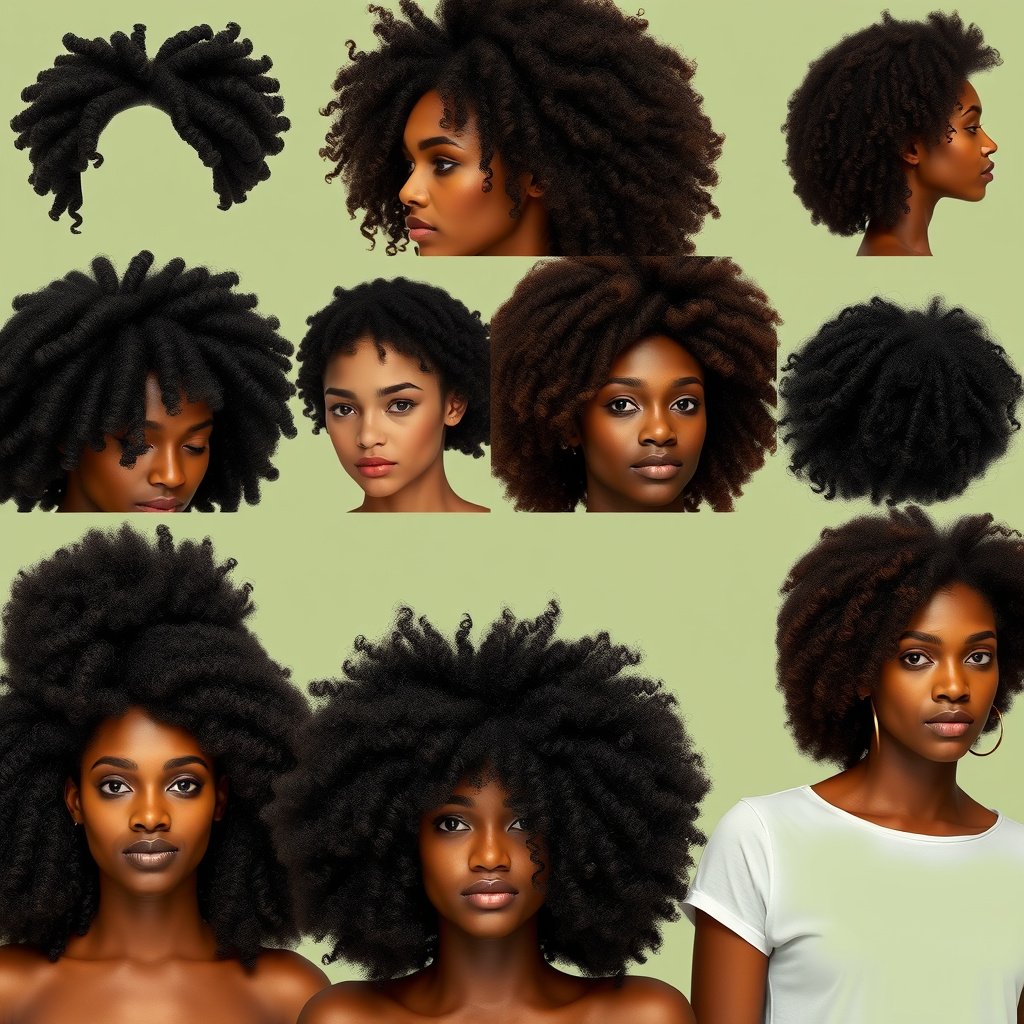
Identifying Your Natural Hair Texture
Natural hair textures range from wavy to coily, each with distinct needs regarding moisture and cleansing. Classifying your hair texture helps target the right shampoo to support definition and hydration without causing damage.
Curl patterns are usually classified from 2 (wavy) to 4 (coily/kinky). For tighter curls, hydration and gentle cleansing are critical since natural oils have a harder time traveling down the hair shaft.
- Type 2: Wavy hair requires lightweight hydration
- Type 3: Curly hair benefits from sulfate-free moisturizing shampoos
- Type 4: Coily/kinky hair needs intense moisture and scalp care
Hair Porosity and Its Role in Shampoo Selection
Hair porosity describes how well your hair absorbs and retains moisture. Low porosity hair resists moisture, while high porosity hair absorbs quickly but loses moisture fast.
Selecting shampoos with ingredients that match your hair's porosity can improve effectiveness. For example, light humectants suit low porosity hair better, whereas emollient-rich shampoos benefit high porosity hair.
Key Ingredients to Look for in Shampoos for Natural Hair
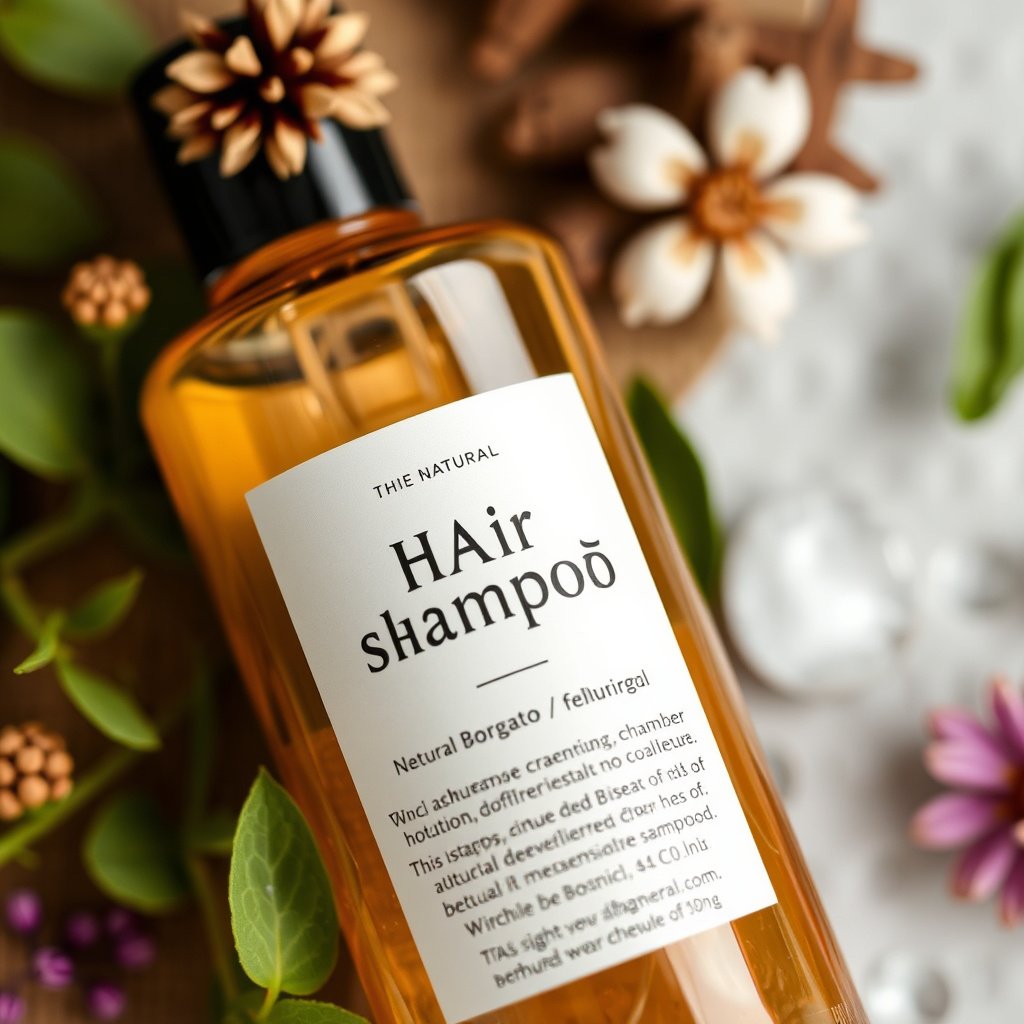
Hydrating and Nourishing Ingredients
Ingredients like shea butter, coconut oil, argan oil, and aloe vera deeply hydrate and seal moisture in natural hair. These actives maintain softness, reduce frizz, and enhance curl pattern without weighing hair down.
Avoid shampoos heavy in silicones or mineral oils that can cause buildup, especially on natural hair which benefits from breathable formulas that keep the scalp healthy.
- Shea Butter: Locks in moisture and softens hair
- Coconut Oil: Penetrates hair shaft for nourishment
- Argan Oil: Adds shine without greasiness
- Aloe Vera: Soothes scalp and improves moisture retention
Cleansing Agents Suitable for Natural Hair
Sulfate-free shampoos are preferred as traditional sulfates like sodium lauryl sulfate can strip natural oils, leading to dryness and brittleness. Milder surfactants, such as decyl glucoside or sodium cocoyl isethionate, cleanse effectively without harshness.
Clarifying shampoos with stronger detergents should be used sparingly depending on your scalp needs and product buildup, balancing a clean scalp with moisture retention.
- Decyl Glucoside: Mild, plant-derived surfactant
- Sodium Cocoyl Isethionate: Gentle, foaming agent
- Avoid Sodium Lauryl Sulfate and Sodium Laureth Sulfate if possible
Types of Shampoos and Their Benefits for Natural Hair
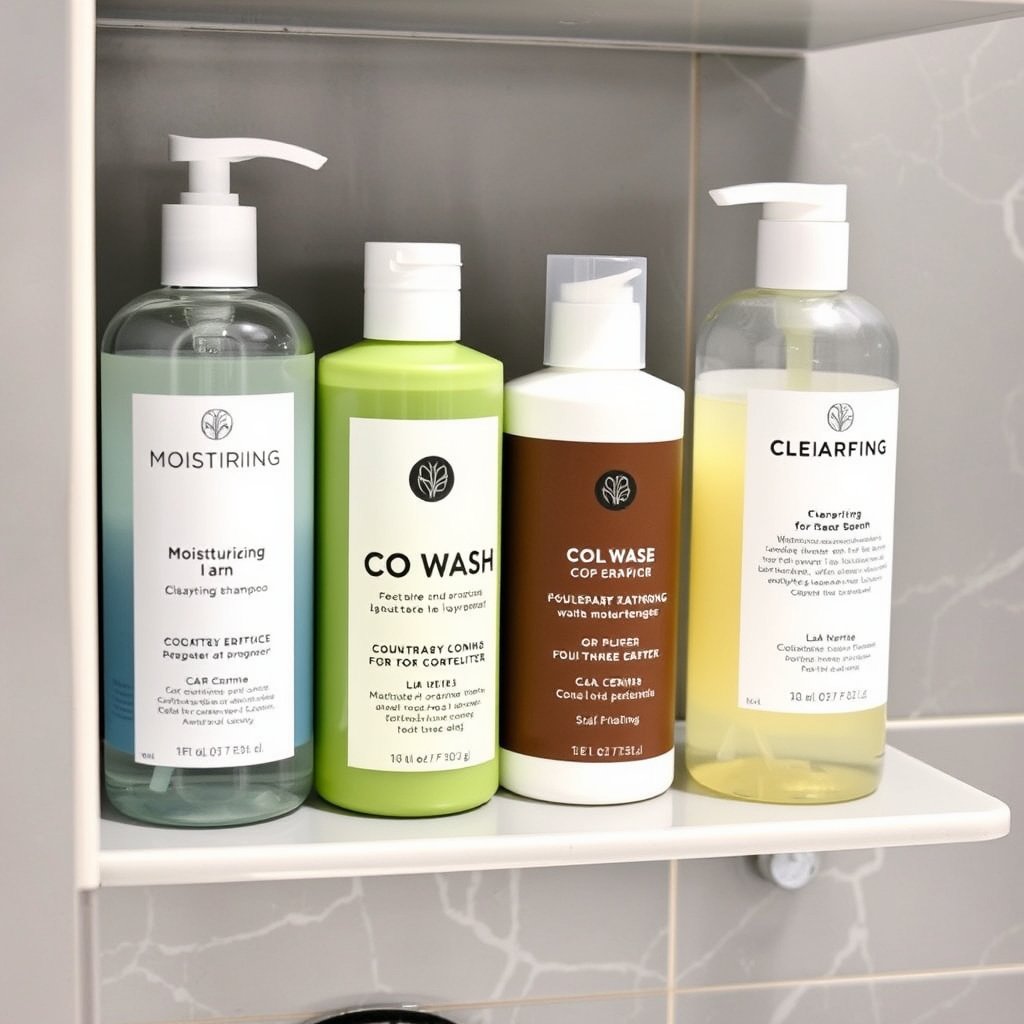
Moisturizing Shampoos
Moisturizing shampoos specifically target hydration and softness. They contain emollients and humectants to replenish moisture lost during washing and styling, reducing frizz and breakage common with natural hair.
These shampoos are ideal for routine washing to maintain shine and manageability, especially when combined with a nourishing conditioner.
- Retain natural oils
- Enhance curl elasticity
- Reduce tangling
For more on this, see our related guide: How to Choose the Best Shampoo for Natural Hair: Expert Tips and Top Picks.
Co-Washes and Their Role
Co-washes, or conditioner washes, use conditioning agents with minimal surfactants to cleanse gently. They are especially popular for dry, curly natural hair to cleanse without stripping essential oils.
While not a complete substitute for shampooing, incorporating co-wash days can improve moisture balance and minimize dryness.
- Low cleansing power
- Preserves natural oils
- Good for in-between shampoo days
How to Choose the Best Shampoo for Natural Hair Based on Your Routine
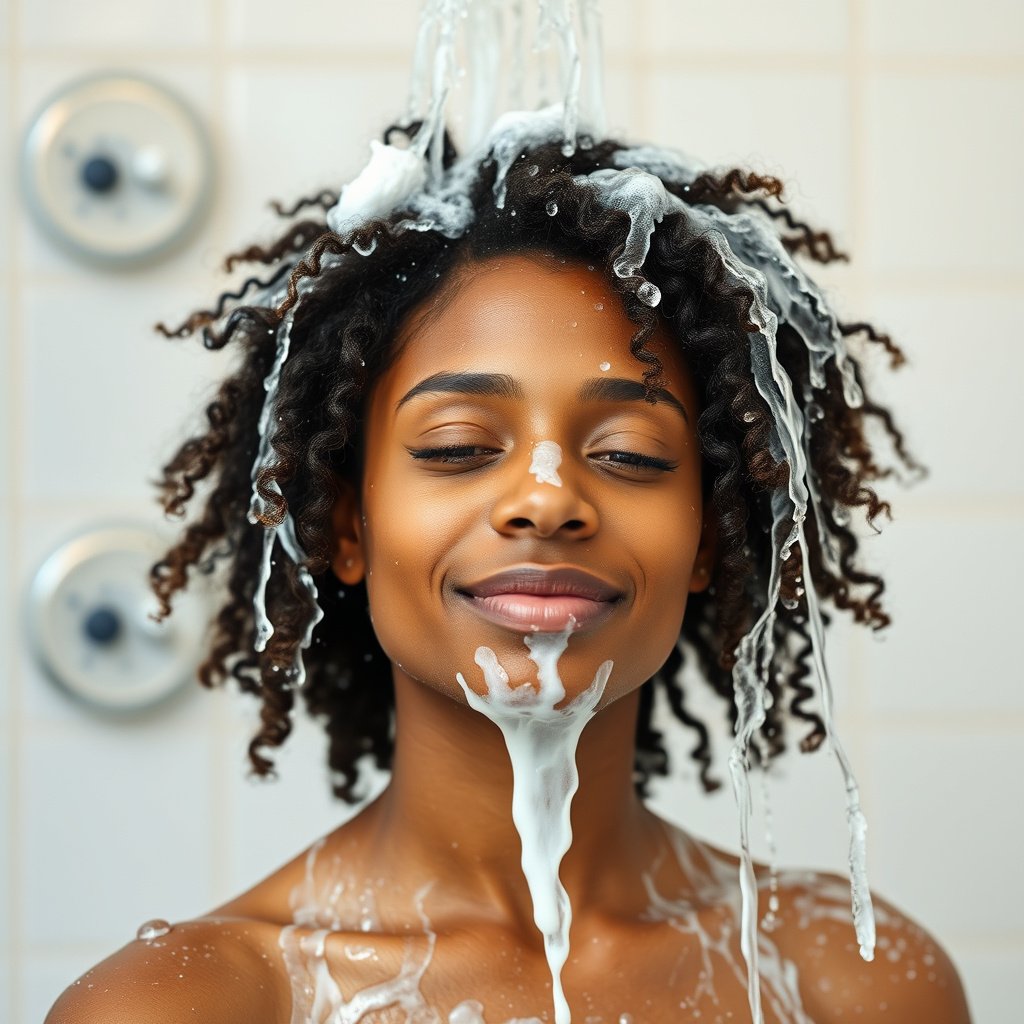
Considering Frequency and Styling Practices
Your shampoo choice should align with how often you wash and the styling products you use. Daily washing may require ultra-gentle formulas, while weekly washing can accommodate richer moisturizing shampoos.
Regular use of heavy styling gels or creams may necessitate occasional clarifying shampoos to remove buildup without damaging the natural hair structure.
Scalp Health and Shampoo Selection
Healthy scalp conditions support hair growth and prevent issues like dandruff and itching. Shampoos with tea tree oil, peppermint, or charcoal can help maintain scalp clarity and reduce irritation.
Addressing scalp needs is crucial, as an unhealthy scalp can weaken natural curls and cause unwanted shedding.
- Tea Tree Oil: Antimicrobial properties
- Peppermint: Soothes and invigorates scalp
- Charcoal: Detoxifies and controls oil
Shampoo Application Techniques for Natural Hair Care
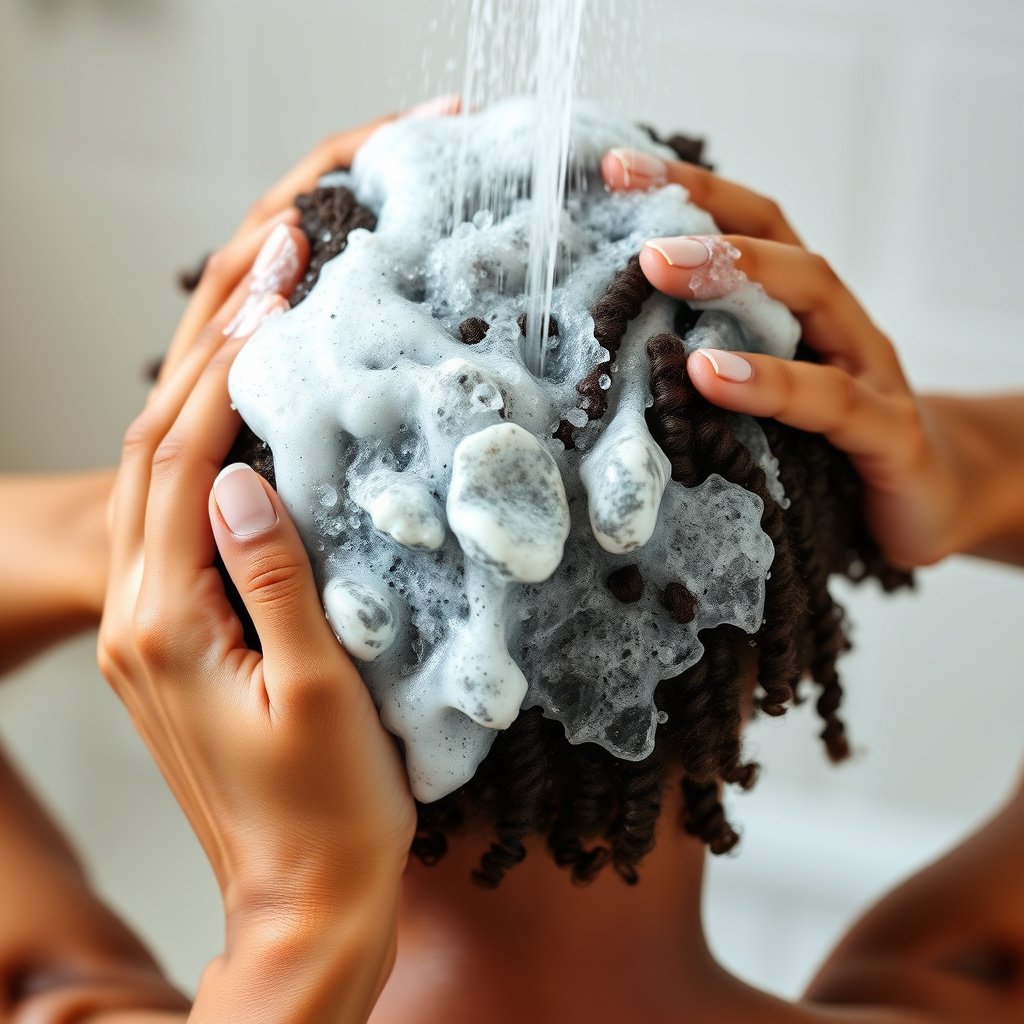
Proper Shampooing Method
Focus shampoo on the scalp where oil and buildup accumulate rather than the hair shaft. Use fingertips to massage gently, stimulating circulation without causing tangles or breakage.
Rinse thoroughly to remove all residues, which can otherwise weigh down curls and dull their appearance.
- Massage scalp, not hair lengths
- Use lukewarm water for rinsing
- Repeat only if necessary
For more on this, see our related guide: Can You Curl Human Hair Extensions? Expert Tips and Techniques.
Tips for Detangling and Post-Shampoo Care
Detangle hair while conditioner is applied to reduce breakage. Use wide-tooth combs or fingers for gentle management of curls. Follow with a hydrating leave-in product to lock moisture.
Avoid rubbing hair aggressively with towels; instead, blot or use a microfiber towel to minimize frizz.
- Detangle during conditioning
- Use gentle combs or fingers
- Blot dry with soft towel
Popular Shampoo Brands and Formulations for Natural Hair
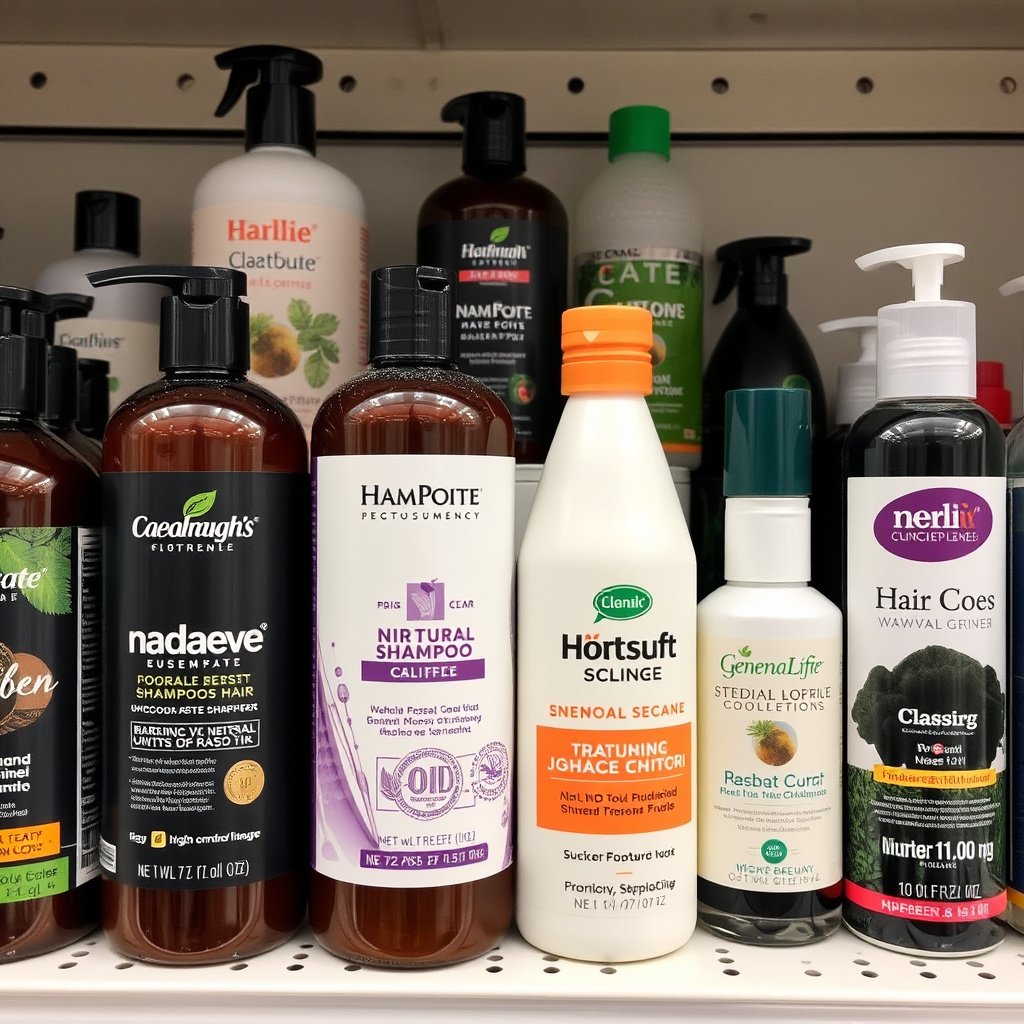
Well-Known Brands with Effective Formulas
Brands like SheaMoisture, Carol's Daughter, and As I Am have gained reputations for shampoos crafted for natural hair needs, featuring sulfate-free and moisturizing ingredients.
These brands offer lines targeting varied textures and scalp conditions, making it easier to find a shampoo suited for your individual needs.
- SheaMoisture: Rich in natural oils and butters
- Carol's Daughter: Focus on hydration and scalp care
- As I Am: Gentle cleansing with curl defining properties
To learn more about hair types and care principles, the Encyclopedia of Hair provides comprehensive background. Encyclopedia of Hair.
Innovations and Emerging Products
Recent trends include shampoos with probiotic ingredients to support scalp microbiome balance and formulas with minimal ingredients for sensitive users.
Innovations continue to improve product performance for natural hair by combining cleansing and conditioning in one step without compromising curl integrity.
Comparison of Shampoo Categories for Natural Hair
This table summarizes key features of various shampoo categories designed for natural hair, helping you recognize benefits and choose one that fits your routine.
| Category | Cleansing Strength | Moisturizing Level | Ideal For | Usage Frequency |
|---|---|---|---|---|
| Moisturizing Shampoo | Moderate | High | Dry or medium porosity natural hair | Weekly or biweekly |
| Sulfate-Free Shampoo | Gentle | Medium | Sensitive scalp and tightly coiled hair | Regular washing |
| Co-Wash | Very Gentle | Very High | Very dry natural hair, low scalp oil | In-between washes |
| Clarifying Shampoo | Strong | Low | Heavy product buildup, oily scalp | Occasional use (monthly) |
| Scalp Treatment Shampoo | Moderate | Medium | Scalp issues like dandruff or irritation | As needed |
Frequently Asked Questions
Can I use regular shampoo on natural hair?
Regular shampoos often contain sulfates that strip moisture, potentially causing dryness and damage to natural hair. It's better to use gentle, sulfate-free shampoos formulated to maintain hydration and curl integrity.
How often should I shampoo natural hair?
Shampoo frequency varies by hair type and lifestyle but typically ranges from once a week to biweekly. Too frequent washing can dry out natural hair, so balancing cleansing with co-washes or conditioning is beneficial.
Is co-washing better than shampooing for natural hair?
Co-washing is gentler and good for maintaining moisture but doesn't remove buildup effectively on its own. It works well as a supplement to regular shampooing, not a complete replacement.
What ingredients should I avoid in shampoos for natural hair?
Avoid harsh sulfates like sodium lauryl sulfate, alcohols that dry hair, and heavy silicones that build up and weigh curls down. Focus on gentle, hydrating formulas with natural oils and humectants.
Can a shampoo help improve scalp health for natural hair?
Yes, shampoos with tea tree oil, peppermint, or charcoal help soothe and cleanse the scalp, reducing itchiness and buildup while promoting a healthy environment for hair growth.
Key Takeaways
- Choose shampoos with moisturizing ingredients that nourish natural hair curls.
- Sulfate-free and gentle cleansing agents protect hair's natural oils.
- Consider hair texture and porosity when selecting shampoo formulas.
- Incorporate co-washing and scalp care products into your routine.
Conclusion
Choosing the best shampoo for natural hair involves understanding your hair's texture, porosity, and specific moisture needs. Prioritizing gentle cleansing with hydrating, natural ingredients preserves the hair’s natural oils, prevents damage, and supports curl definition. Evaluating your routine and scalp health also informs which shampoo category will deliver the best results without compromising hair integrity.
For those with tighter curls or coils, moisturizing shampoos or co-washes that supply rich emollients like shea butter or coconut oil are particularly beneficial. If scalp issues arise, selecting products with tea tree or charcoal can provide relief, while occasional clarifying shampoos help remove buildup for all hair types. Sulfate-free shampoos offer a balance for daily or weekly cleansing, maintaining moisture and enhancing manageability.
Start by testing shampoos suited to your hair type and observe how your curls respond over several washes. Pair your shampoo choice with consistent conditioning and gentle styling methods to maintain healthy, vibrant natural hair. For detailed information on hair types and care, resources like the Encyclopedia of Hair on Wikipedia offer valuable insights.