How Long Does a Synthetic Wig Last? A Durable Wig Lifespan Guide
Synthetic wigs generally last between four to six months with regular wear, but this lifespan varies based on usage frequency, maintenance, and quality. Average daily use and proper care can extend how long a synthetic wig remains in good condition before fibers become dull or tangled.
Understanding the expected durability of synthetic wigs helps wearers set realistic expectations and plan wig rotation or replacement schedules. This matters especially for those relying on synthetic wigs as an everyday solution or for special occasions since deteriorating fibers affect appearance and style retention.
This article explores how long a synthetic wig typically lasts, factors influencing its lifespan, maintenance routines to extend wear time, and comparisons with other wig types. You'll also find tips for choosing durable synthetic wigs and answers to common questions about wig longevity.
Factors That Influence How Long a Synthetic Wig Lasts

Quality of Synthetic Fibers
The quality of the synthetic fibers is the primary factor in a synthetic wig's durability. Higher-quality materials, such as heat-friendly fiber blends, tend to last longer than cheaper, basic polyester fibers. Quality fibers resist tangling and maintain sheen for extended periods.
Premium synthetic wigs often use advanced manufacturing processes that produce more resilient strands, which helps preserve the wig's natural look and reduces shedding. Choosing reputable brands can significantly improve how long a synthetic wig lasts.
- Heat-resistant fibers increase styling options
- Better fiber resilience prevents quick wear
- Natural-looking texture improves lifespan
Frequency and Type of Use
How often you wear your synthetic wig directly affects its lifespan. Daily wear accelerates fiber wear and causes faster tangling, while occasional use preserves the wig longer. The activities you do while wearing it also matter; exposure to wind, friction from hats or collars, and exposure to sunlight degrade fibers.
Storing wigs properly after use, especially when not used daily, helps maintain their structure and extends life. Proper storage reduces stress and avoids premature damage linked to continuous wearing and environmental exposure.
How to Extend the Lifespan of Synthetic Wigs

Washing and Conditioning Routine
Regular washing with wig-specific shampoos and conditioners using gentle techniques prevents product buildup and fiber damage. Overwashing, however, can strip essential coatings, so follow recommended schedules based on your use frequency.
Conditioners designed for synthetic fibers help restore softness and reduce tangling. Avoid hot water and harsh chemicals that can damage fiber integrity, shortening how long a synthetic wig lasts.
- Use sulfate-free wig shampoo
- Condition fibers after every wash
- Air dry on a wig stand to maintain shape
Proper Storage and Handling
Storing synthetic wigs on wig stands or in breathable bags protects the style and fiber condition. Avoid exposing wigs to direct sunlight or dust during storage, as these can lead to fiber fading and frizziness.
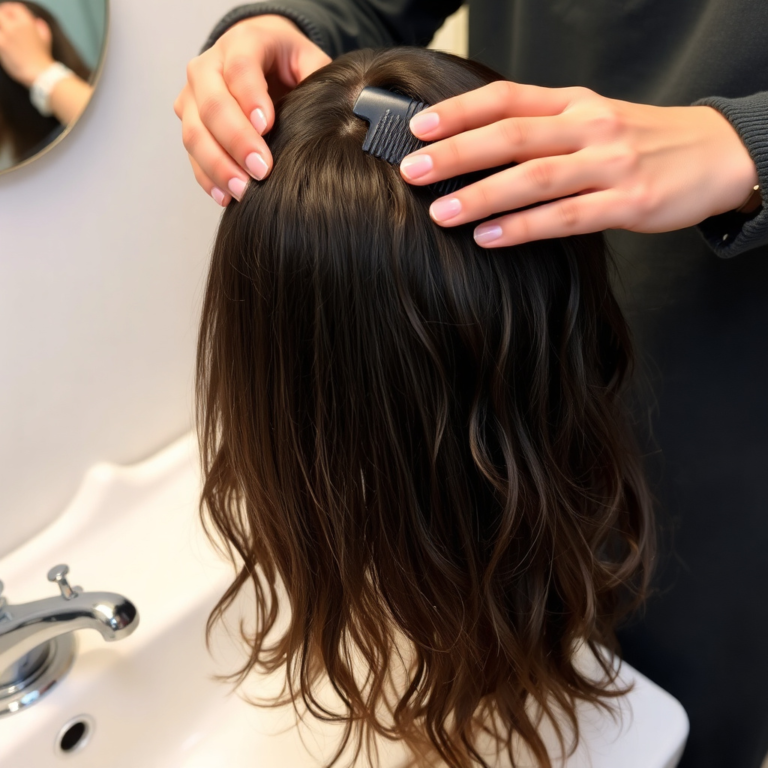
Handle wigs carefully when styling or removing to prevent fiber stretching and tangling. Using wide-tooth combs or fingers for detangling preserves wig fibers longer, extending overall lifespan.
- Store away from heat and sunlight
- Use a wig stand or mannequin head
- Detangle gently to prevent fiber breakage
Comparing Synthetic Wigs to Human Hair Wigs

Durability Differences
Human hair wigs generally last longer than synthetic wigs, often up to a year or more with proper care. Synthetic wigs typically have a shorter lifespan due to fiber wear and inability to regenerate or restore cuticles like real hair.
Although synthetic wigs have a limited lifespan, they maintain style without frequent restyling. Human hair wigs allow for more versatile styling but require more maintenance to avoid damage.
For more on this, see our related guide: Is Human Hair Wig Worth It? The Complete Answer.
Cost vs. Longevity Trade-offs
Synthetic wigs are more affordable upfront but usually need replacement every few months with regular use. Human hair wigs are pricier but spread cost over a longer lifespan.
Choosing between synthetic and human hair wigs involves balancing budget considerations against how long you want your wig to last and how much maintenance you are willing to do.
- Synthetic wigs: lower initial cost, shorter life
- Human hair wigs: higher cost, longer use
- Consider wear frequency and styling needs
Styling and Maintenance Tips for Longer Wear
Heat Styling on Synthetic Wigs
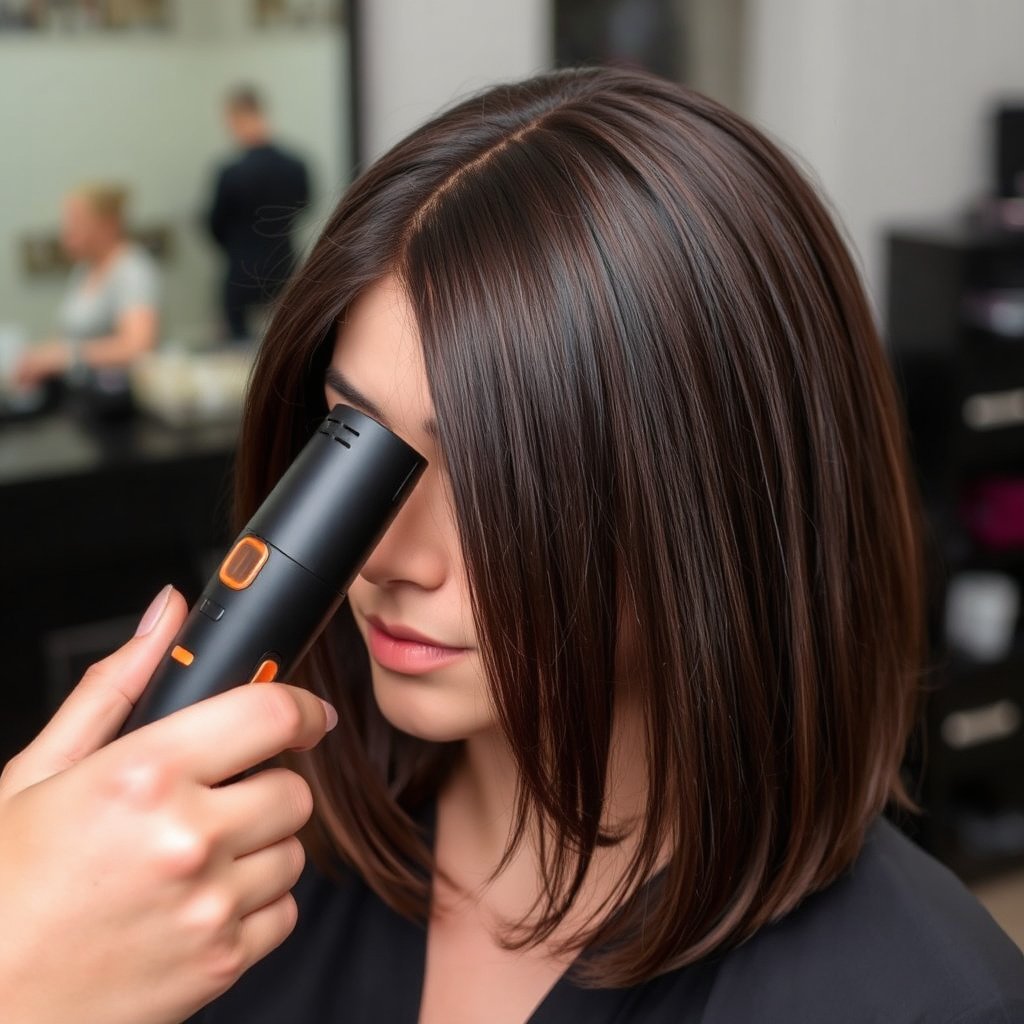
Not all synthetic wigs are heat-resistant. Using heat tools on appropriate synthetic wigs at low temperatures can refresh curls or straighten fibers without significant damage.
Always check manufacturer guidelines before heat styling and use protective sprays designed for synthetic fibers to avoid melting or frizziness, which reduce how long a synthetic wig lasts.
- Use heat tools below recommended temperatures
- Avoid frequent heat styling sessions
- Apply heat protectant sprays designed for synthetic fibers
Daily Care Practices
Brushing daily with the correct tools and avoiding abrasive motions cuts down on fiber stress. Avoiding sleeping or showering with the wig reduces unnecessary wear.
Following synthetic wig care tips ensures that the fiber structure stays intact and appearance remains natural longer, helping users maximize the wig's useful life.
- Use a wide-tooth comb or wig brush
- Avoid wetting wig daily
- Store properly after each use
Signs Your Synthetic Wig Needs Replacement

Visual and Tactile Indicators
When synthetic fibers become frizzy, matted, or excessively tangled despite regular detangling, it's a sign replacement is needed. Loss of original shine and stiffness to the touch also indicate fiber fatigue.
If the wig no longer holds its styled shape and looks dull or unnatural, even after washing and conditioning, the synthetic fibers have probably reached the end of their useful life.
- Persistent tangling and frizz
- Loss of natural sheen
- Inability to maintain style
For more on this, see our related guide: Where to Buy Lace Front Wigs: Your Local Shopping Guide.
Comfort and Fit Changes
Over time, wig caps may stretch or lose elasticity, leading to an uncomfortable fit. This can reduce the wig’s wearability and indicate it's time for a new unit.
Wig odor or accumulation of buildup not removable through standard cleaning can also signal replacement is necessary for hygiene and comfort.
- Cap stretch or shape loss
- Persistent odors after cleaning
- Reduced comfort during wear
Choosing the Right Synthetic Wig for Longevity
Fiber Types and Construction
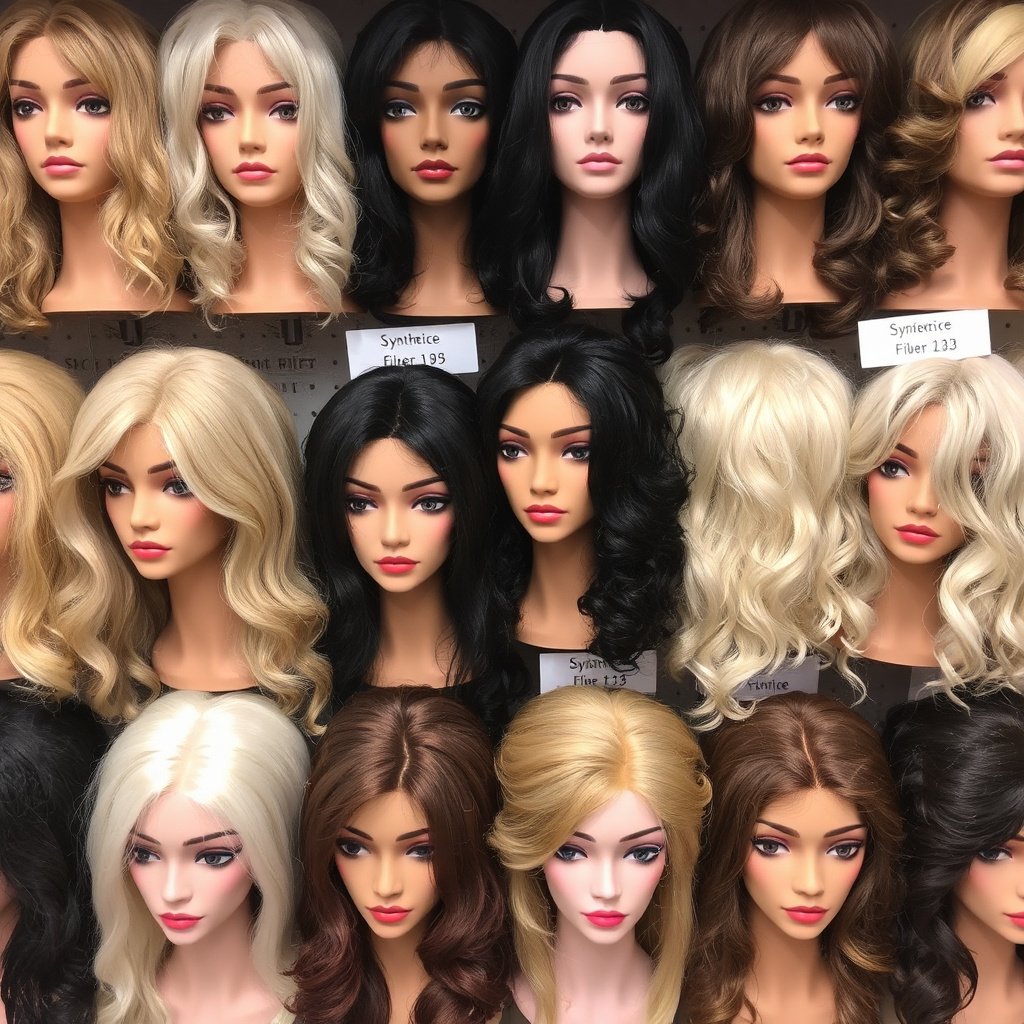
Heat-resistant fibers and monofilament caps generally provide longer-lasting synthetic wigs. Construction quality, including hand-tied wefts and lace fronts, affects durability and realistic appearance.
Selecting wigs made from premium synthetic materials designed for daily wear can enhance lifespan compared to those made from basic fibers intended only for occasional use.
- Monofilament cap for breathability
- Heat-friendly fiber blends
- Double-layered wefts for strength
For more detailed background on synthetic wigs and fiber types, you can explore this Synthetic wigs overview. Synthetic wigs overview.
Style and Color Impact on Wear
Certain styles such as straight cuts or loose waves tend to last longer because they experience less tangling than curly or heavily textured synthetic wigs. Lighter colors may show wear and fading more quickly, influencing how long a synthetic wig lasts aesthetically.
Choosing styles and colors that match your lifestyle can reduce visible signs of aging in wigs and extend their practical use.
- Straight or gently waved fibers resist tangling
- Medium or darker tones age better visually
- Avoid overly elaborate styles for daily wear
Synthetic Wig Lifespan Category Comparison
This table compares popular synthetic wig categories based on typical lifespan, cost, and maintenance needs to help find the best fit for your lifestyle.
| Wig Type | Average Lifespan | Average Cost | Maintenance Level | Best For |
|---|---|---|---|---|
| Basic Polyester Synthetic | 2-4 months | $20-$50 | Low | Occasional use, budget buyers |
| Heat-Resistant Synthetic | 4-6 months | $50-$150 | Moderate | Frequent wear, styling versatility |
| Monofilament Cap Synthetic | 5-7 months | $100-$200 | Moderate | Natural look, daily wear |
| Premium Fiber Blend Synthetic | 6-9 months | $150-$300 | High | Realistic style, long-term use |
Frequently Asked Questions
How often should I wash my synthetic wig?
Synthetic wigs should typically be washed every 6-8 wears to remove product buildup and maintain fiber condition without causing excess wear.
Can I use regular shampoo on synthetic wigs?
Regular shampoos can damage synthetic fibers; always use shampoos specifically formulated for synthetic wigs to protect fiber integrity.
Is it possible to style synthetic wigs with heat tools?
Only heat-resistant synthetic wigs should be styled with heat tools, and always follow manufacturer guidelines for temperature limits to prevent damage.
What storage methods help extend synthetic wig life?
Store synthetic wigs on wig stands or in breathable containers away from direct sunlight and dust to preserve shape and fiber quality.
How can I tell if my synthetic wig needs replacing?
Signs include persistent tangling, loss of shine, inability to hold style, cap stretching, or odors that don’t improve after cleaning.
Key Takeaways
- Synthetic wig durability depends heavily on fiber quality and care.
- Proper washing, conditioning, and storage extend wig lifespan.
- Heat-resistant synthetics allow gentle styling without damage.
- Recognize signs like tangling and dullness to know when to replace.
Conclusion
Determining how long a synthetic wig lasts boils down to balancing factors like fiber quality, frequency of wear, and maintenance routines. Knowing these elements helps set better expectations about lifespan and maximizes value from investments in synthetic wigs. Routine care and appropriate use preserve fibers, aiding natural look retention until replacement is necessary.
For daily wearers, investing in heat-resistant or premium fiber blend synthetic wigs tends to offer the best combination of durability and style flexibility, making them suitable for those who want longer use without constant replacement. Casual users may prefer basic polyester synthetics for budget-friendly options but should anticipate more frequent wig renewal times due to shorter fiber life.
Your next step should be to assess your wig usage patterns and maintenance willingness to select a synthetic wig that aligns with your longevity needs. Following synthetic wig care tips, such as gentle washing and proper storage, will help ensure you get the most wear possible from your wig. Understanding when to replace a worn-out synthetic wig keeps your appearance fresh and confident.