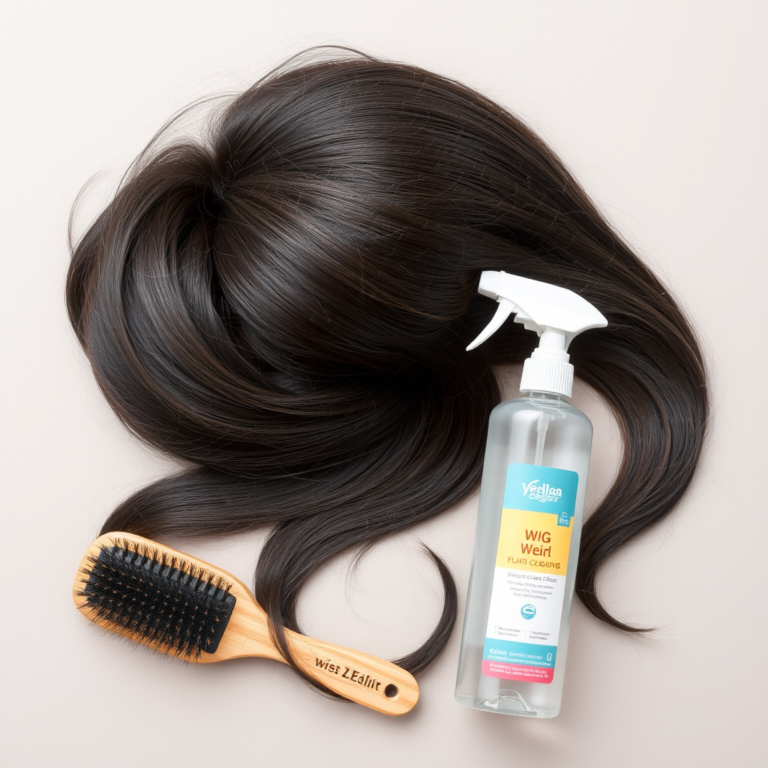
How to Wash a Synthetic Wig: Step-by-Step Guide for Lasting Freshness
Washing a synthetic wig correctly involves using cool water and a gentle shampoo specifically designed for synthetic fibers to avoid damage. Begin by soaking the wig briefly, gently swishing it without rubbing, rinse with cold water, apply conditioner lightly, then air dry on a wig stand for best results. This method preserves the fiber's texture and keeps the wig looking fresh.
Synthetic wigs are popular for their affordability and low maintenance, but they require careful handling during washing to maintain their shape and shine. Using regular shampoos or hot water can cause fibers to tangle, frizz, or lose their original style. Understanding the proper washing procedure helps prolong the life of the wig.
This article covers essentials like preparing your wig for washing, the ideal shampoos and conditioners to use, drying techniques, styling tips after washing, and common mistakes to avoid. You’ll gain clear instructions that make caring for synthetic wigs straightforward and effective.
Preparing to Wash Your Synthetic Wig

Detangling the Wig Before Washing
Before washing, carefully untangle your synthetic wig using a wide-tooth comb or a wig brush. Start from the tips and work upwards to avoid pulling on the fibers. Detangling prevents further knots and fiber damage during the washing process.
Be gentle and patient in this process. Aggressive combing can stretch or break synthetic strands since these fibers are more delicate than natural hair.
- Use a wide-tooth comb or special wig brush
- Avoid brushing wet wig to prevent fiber breakage
- Start from ends, then move up to roots
Choosing the Right Washing Area and Tools
Select a clean sink or basin that is large enough to comfortably hold the wig submerged in water. Use lukewarm or cool water — hot water can distort synthetic fibers. Gather gentle shampoo designed for synthetic wigs, a towel, and a wig stand or mannequin head for drying.
Having all necessary items ready before you start streamlines the process and minimizes the risk of damaging the wig by rushing or using inappropriate supplies.
- Clean basin or sink
- Synthetic wig shampoo and conditioner
- Towel for blotting
- Wig stand for drying
Washing Technique for Synthetic Wigs

Using the Right Shampoo and Water Temperature
Always use shampoos formulated for synthetic wigs or mild baby shampoos. These cleansers are specially formulated to be gentle and avoid stripping the fibers. Fill the basin with cool water to protect the wig's shape.
Avoid hot or warm water as it can damage the synthetic fibers, causing them to melt or lose their style permanently. Cool water helps keep the fibers smooth and intact.
- Use synthetic wig or gentle shampoos only
- Cold or cool water temperature
- Avoid traditional hair care products
For more on this, see our related guide: Do Wigs Damage Your Hair? The Complete Answer.
Gently Washing the Wig
Dip the wig into the basin and gently swish it back and forth for a few minutes to allow the shampoo to clean the fibers. Do not rub or wring the wig; this can cause tangling or fiber damage.
After rinsing thoroughly with cool water, avoid shaking the wig vigorously. Instead, gently press to remove excess water and prepare for conditioning.
- No rubbing or wringing
- Gentle swishing motion
- Thoroughly rinse with cool water
Conditioning and Drying Your Synthetic Wig

Applying Conditioner Properly
Use a conditioner made specifically for synthetic wigs to add softness and reduce static. Apply a small amount evenly, focusing on the ends rather than the roots, and leave it on for a few minutes before rinsing with cool water.
This step helps keep the fibers manageable and prevents frizzing, which is common in synthetic wigs if left untreated.
- Use synthetic wig conditioner
- Apply mainly to ends
- Leave conditioner for 3-5 minutes
Best Practices for Drying
Never use a blow dryer or heat source on synthetic wigs as this can melt the fibers. Instead, blot the wig gently with a towel to remove excess water and set it on a wig stand to air dry naturally in a well-ventilated area.
Air drying on a wig stand helps the wig maintain its shape and style without unwanted flattening or stretching.
- Avoid heat drying methods
- Use towel blotting, not wringing
- Air dry on wig stand
Styling and Maintaining Washed Synthetic Wigs

Post-Wash Styling Tips
Once dry, gently detangle again with a wide-tooth comb or wig brush. Synthetic wigs can hold styles like curls or waves without heat, so use your fingers or foam rollers to reshape if needed.
Avoid heat styling tools unless the wig is specifically labeled heat-resistant synthetic fibers; otherwise, heat will cause permanent damage.
- Use gentle combing
- Avoid heat styling unless heat-friendly
- Use non-heat styling methods
For more on this, see our related guide: Are Lace Front Wigs Worth It? The Complete Answer.
Ongoing Care to Extend Wig Life
Store wigs on wig stands or in satin bags to avoid tangling. Wash only when needed—generally every 6-8 wears—to prevent over-washing. Use detanglers designed for synthetic fibers to maintain softness between washes.
Regular care combined with proper washing techniques preserves the look and feel of synthetic wigs over time.
- Store on wig stand or in satin bag
- Wash every 6-8 wears
- Use detanglers for maintenance
Common Mistakes to Avoid When Washing Synthetic Wigs
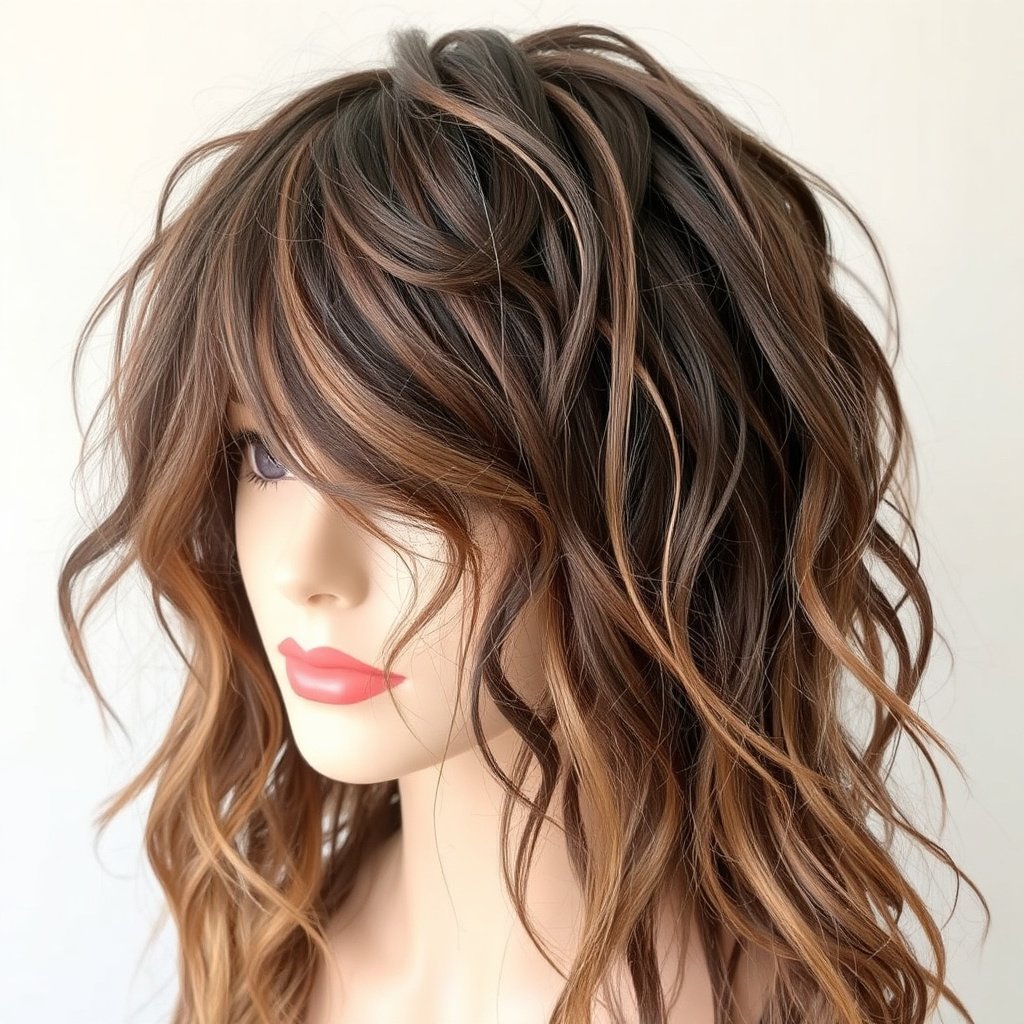
Using Hot Water or Harsh Products
Hot water and regular hair shampoos can cause synthetic fibers to blister, lose color, or become frizzy and tangled. This often leads to permanent damage making the wig unusable.
Stick to cold water and gentle, synthetic-specific products to keep the integrity of the wig intact.
For further reading on synthetic wig materials and care, consult the Synthetic wig care guidelines on Wikipedia. Synthetic wig care guidelines.
Rough Handling During Washing and Drying
Rubbing, wringing, or twisting the wig while washing or drying can cause tangling and fiber breakage. Similarly, heat drying tools degrade the synthetic fibers rapidly.
Use gentle motions and air drying to avoid these common pitfalls.
Synthetic Wig Washing Methods Comparison
Here’s a comparison of popular synthetic wig washing techniques and their pros and cons based on ease, fiber care, and drying time.
| Method | Water Temperature | Fiber Safety | Drying Time | Best for |
|---|---|---|---|---|
| Hand Wash with Shampoo | Cold | High | 4-6 hours (air dry) | All synthetic wigs |
| Dry Shampoo Spray | N/A | Moderate | No drying needed | Light refresh between washes |
| Machine Wash (not recommended) | Cold | Low | 1-2 hours | Rarely advised, risk of damage |
| Heat-Resistant Synthetic Wash and Restyle | Cold | High | 4-6 hours | Heat-friendly synthetic wigs |
Frequently Asked Questions
Can I use regular shampoo to wash my synthetic wig?
No, regular shampoos can be too harsh and damage synthetic fibers. Use shampoos formulated for synthetic wigs or a gentle baby shampoo to avoid frizz and fiber loss.
How often should I wash my synthetic wig?
Washing every 6 to 8 wears is ideal to prevent buildup without over-washing, which can dry out the fibers and shorten the wig’s life.
Is it safe to use a blow dryer on a synthetic wig?
Generally, no. Most synthetic fibers melt or warp under heat. Only heat-resistant synthetic wigs can tolerate low-heat styling tools.
How do I remove tangles without damaging the wig?
Use a wide-tooth comb or wig brush starting at the ends and gently working up to the roots while the wig is dry or damp, never wet to minimize fiber stress.
What is the best way to store a synthetic wig after washing?
Place the wig on a wig stand or in a satin bag to maintain its shape and prevent tangling or static until the next wear.
Key Takeaways
- Always use cold water and synthetic wig shampoo when washing.
- Avoid rubbing or wringing; be gentle to maintain fibers.
- Air dry wigs on a stand to preserve shape and style.
- Limit washing frequency to every 6-8 wears to extend life.
Conclusion
Approaching how to wash a synthetic wig with care centers on selecting appropriate products and techniques that protect the delicate fibers. Using cold water and a synthetic-specific shampoo is the foundation for preserving both look and longevity. Emphasizing gentle handling during washing and drying prevents fiber breakage and tangling, ensuring the wig remains comfortable and attractive for continued use.
For those seeking specific recommendations, hand washing in a basin with cool water suits nearly all synthetic wig types, while light refreshes with dry shampoo can reduce the need for frequent full washes. Heat-resistant wigs allow occasional low-heat styling but still benefit greatly from the washing practices outlined here. Following these tailored care routines caters to different wig uses and lifestyles effectively.
Ultimately, the best next step is to incorporate these washing tips into your regular wig maintenance routine. Keeping a synthetic wig clean the right way balances appearance, fiber health, and durability. By treating your wig thoughtfully, you can enjoy its style and comfort much longer with minimal hassle.