Your Guide to Knotless Braids: Choosing With Confidence
Struggling to find the perfect knotless braids that look great and feel comfortable? You’re not alone. Many people find it tricky to choose the right style that suits their hair type without causing damage or discomfort.
The good news is, with a little guidance, you can confidently pick knotless braids that enhance your look and protect your hair.
You can choose knotless braids confidently by understanding your hair type and selecting the right size and length for comfort and style. Opt for lightweight extensions like Kanekalon to reduce scalp tension and damage.
Avoid rushing color choices or neglecting maintenance. Proper care with moisturizing and gentle cleansing keeps your braids fresh. Knowing when to refresh or remove them protects your hair’s health.
Keep going to uncover more tips on perfecting your knotless braids experience.
Key Takeaways
- Knotless braids start with natural hair, which helps reduce scalp tension and offers a lightweight, natural-looking style. They work well with various hair types.
- When choosing braid size and length, think about your lifestyle, comfort, and the styles you want to try. It’s all about balancing how much maintenance you’re willing to do with how you want them to look.
- Pick extensions by considering their texture, color, and material. Kanekalon is great for durability, while human hair offers more styling flexibility and a natural appearance.
- Avoid common mistakes like not prepping your hair properly or skipping scalp care. Focus on a routine that keeps moisture in with lightweight oils and gentle cleansing.
- Take down or refresh your braids if you notice scalp irritation, frizz, or looseness. Keep your edges healthy by avoiding tight braids and using protective care at night.
What Are Knotless Braids and Why Choose Them
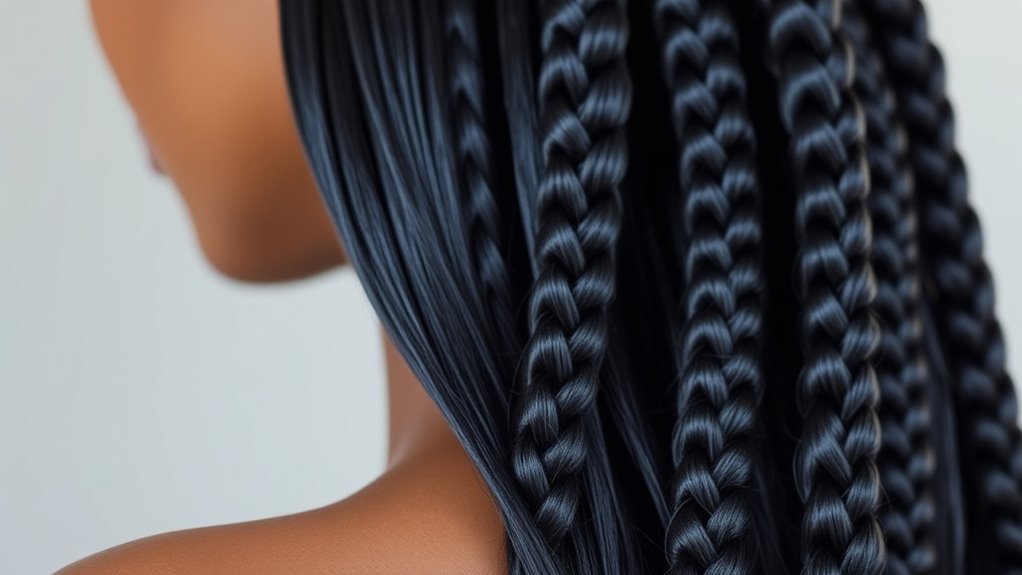
Knotless braids are a modern twist on traditional braiding techniques that start with your natural hair instead of adding knots at the roots. This method reduces tension on your scalp, which means you’ll experience less breakage and discomfort. One of the key knotless benefits is the lightweight feel, making your braids easier to wear daily.
You’ll love the styling versatility that knotless braids offer. Since they don’t have bulky knots, you can easily part, twist, or pull them into various hairstyles without worrying about damage or heaviness. They also tend to look more natural and blend seamlessly with your own hair.
Choosing knotless braids means you’re prioritizing scalp health while enjoying a flexible, stylish look. Whether you want a low-maintenance style or a trendy new look, knotless braids give you the best of both worlds with comfort and creativity.
How to Pick the Right Size and Length for Knotless Braids
Choosing the right size and length for your knotless braids can really make a difference in both comfort and style. So, think about whether you want each braid to be thick or thin. Also, consider how long you want them to fall.
It’s all about finding that perfect balance that suits your look and lifestyle. Let’s dive in and figure out what works best for you!
Determining Ideal Braid Size
How do you decide on the perfect size and length for your braids? Start by considering braid thickness since it directly affects style versatility. Thinner braids offer more flexibility, allowing you to experiment with intricate styles or updos.
They also tend to last longer because they put less tension on your scalp. On the other hand, thicker braids make a bold statement and require less daily maintenance, but they limit your styling options.
Your lifestyle and hair type play a role too. Thicker braids might feel heavy if you have fine hair, while thinner ones can be delicate. Ultimately, choosing the right braid size is about balancing your desired look with comfort and versatility.
Keep these factors in mind to confidently pick the ideal braid thickness for you.
Selecting Appropriate Braid Length
Once you’ve settled on the ideal braid thickness, the next step is to figure out the right length for your braids. Choosing the perfect braid length depends on your personal style and how you want your look to flow.
Consider lifestyle factors. If you’re active or prefer low-maintenance styles, shorter braids may suit you better. Hair health is vital too; longer braids can weigh down your scalp, potentially causing tension or breakage.
Seasonal trends often influence braid length choices, with shorter styles favored in warmer months for comfort. Also, think about your maintenance preferences. Longer braids typically require more care to keep neat.
Which Hair Types and Extensions Work Best for Knotless Braids?
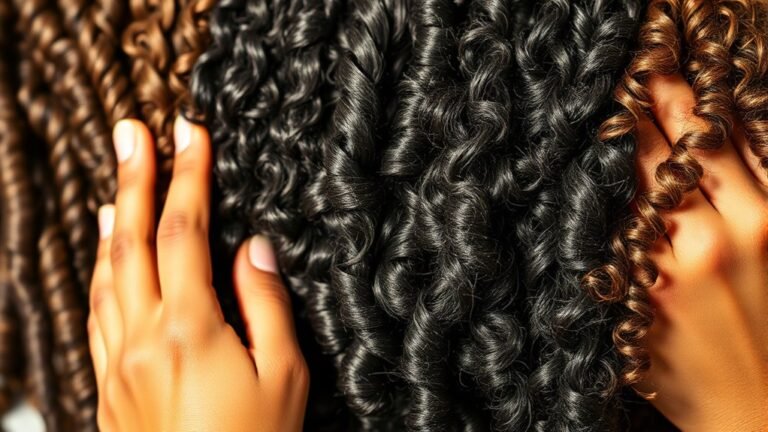
What makes certain hair types and extensions ideal for knotless braids? It’s all about texture compatibility and how well the extensions blend with your natural hair. You want extensions that mimic your hair’s texture to guarantee a seamless look and protect hair health by reducing tension.
Synthetic hair like Kanekalon is popular for its durability and extension longevity, while human hair offers more styling versatility but requires extra care.
Installation techniques for knotless braids rely on a gradual feed-in method, so choose hair that’s lightweight and easy to manipulate. This approach minimizes scalp stress and supports healthier hair growth.
Knotless braids use a gradual feed-in technique with lightweight hair to reduce scalp stress and promote healthy growth.
Maintenance routines are simpler when your extensions are manageable and don’t tangle easily. Overall, selecting extensions with the right texture, lightweight feel, and durability will help you enjoy beautiful, long-lasting knotless braids without compromising your hair’s health.
Mistakes to Avoid When Choosing Knotless Braids
Choosing knotless braids can be tricky if you overlook common pitfalls that affect both the look and health of your hair. One common misconception is that any hair type works similarly well for knotless braids. In reality, your natural hair texture and strength matter when selecting extensions and braid size.
Another mistake is rushing the process of choosing colors without considering how they complement your skin tone or outfit preferences. Avoid picking shades that clash or fade quickly, as this can diminish your style’s impact.
Also, don’t underestimate the importance of braid length and thickness. Too heavy or tight can cause tension and damage. Steer clear of assuming knotless braids require less maintenance; they still need proper care to last.
How to Prepare Your Hair Before Getting Knotless Braids
Avoiding common mistakes when selecting knotless braids sets the stage for a better experience, but preparing your hair properly before installation plays a big role in the final outcome. Start by thoroughly cleansing your scalp to remove buildup. This allows for better scalp care during and after braiding.
Follow up with a lightweight, moisturizing conditioner to boost hair hydration without weighing your strands down. Next, gently detangle your hair to prevent breakage during the braiding process.
Avoid heavy oils or products that can make your hair slippery and difficult to braid. Instead, opt for a leave-in conditioner or hair moisturizer that keeps your hair soft and manageable.
Finally, guarantee your hair is completely dry before the stylist begins. Moisture trapped under braids can lead to scalp irritation or mildew. Taking these steps helps protect your hair and scalp, making your knotless braids last longer and look healthier.
Styling Knotless Braids for Everyday and Special Occasions
When you style your knotless braids, you can easily switch between casual looks for daily wear and more polished styles for special occasions. For everyday styling, opt for simple updos like a high ponytail or a messy bun. These looks keep your braids neat and out of your face, perfect for work or errands. You can also wear your braids down with a middle or side part for a relaxed vibe.
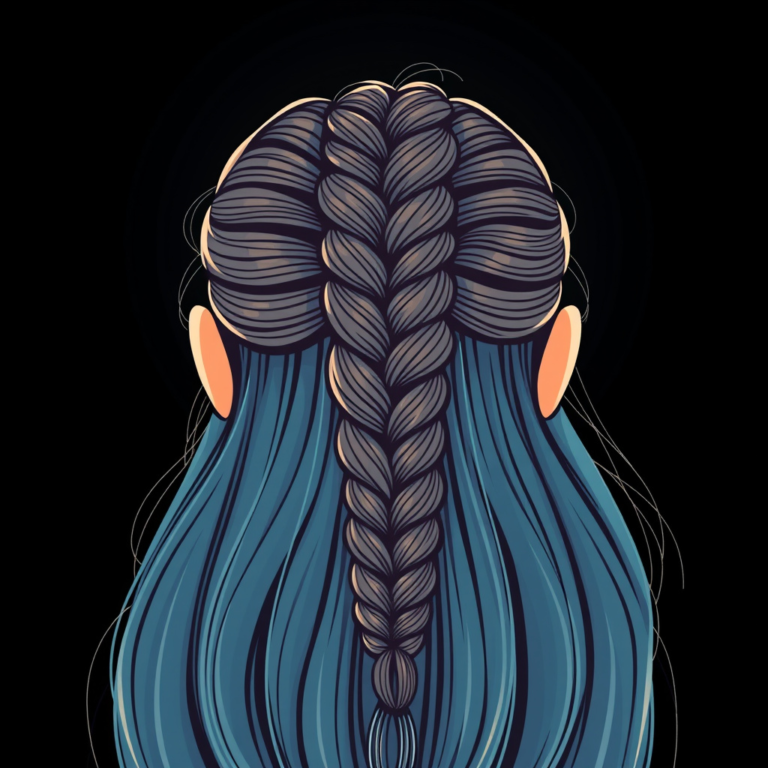
When it’s time for a special occasion, uplift your knotless braids with elegant styles. Try half-up, half-down twists or sleek braided crowns for a sophisticated touch. Adding accessories like beads, cuffs, or decorative pins can instantly improve your look. You might also experiment with braided buns or intricate updos that highlight the texture and length of your braids. With these versatile options, you’ll feel confident styling your knotless braids, no matter the event.
How to Care for Your Knotless Braids to Keep Them Fresh
To keep your knotless braids looking fresh and vibrant, you’ll need to establish a consistent care routine. Focus on moisture retention by applying lightweight oils or leave-in conditioners to your scalp and braids regularly.
Protective styling, like loose buns or ponytails, prevents unnecessary tension and breakage. Prioritize scalp care with gentle massage and itch relief products to avoid discomfort.
Choose products carefully and avoid heavy creams that cause buildup. Incorporate daily routines such as spritzing your hair with water or a hydrating mist to maintain freshness.
At night, use a satin or silk scarf or bonnet for protection. This reduces friction and frizz.
When washing, use gentle wash techniques with diluted shampoo and careful rinsing to cleanse without disturbing your braids. Employ proper detangling methods around the edges to prevent damage.
These steps promote braid longevity, keeping your knotless braids healthy and looking great longer.
When to Remove or Refresh Your Knotless Braids
You’ll want to remove your knotless braids when you start to see a lot of frizz, or if your scalp feels irritated. Also, if you notice new hair growing out at the roots, that’s a good sign it might be time. But don’t worry, you can keep them looking fresh longer by doing little things like re-braiding the edges or moisturizing regularly. Just keeping an eye on how long you’ve had them will help you figure out when it’s time for a full refresh or to take them out completely.
Signs To Remove
How do you know it’s time to remove or refresh your knotless braids? Paying attention to removal signs helps you avoid damage and braid discomfort. If your scalp feels itchy or sore, or your braids start to look frizzy and loose, these are clear indicators it’s time to act.
| Removal Signs | What to Watch For |
|---|---|
| Scalp irritation | Persistent itching or pain |
| Braid condition | Frizz, loosening, or unraveling |
| Hair growth | Braids pulling near roots |
Ignoring these signs can lead to breakage and scalp issues. Listen to your hair and scalp’s signals to keep your knotless braids looking fresh and protect your natural hair health.
Refreshing Techniques
Recognizing when your knotless braids need attention sets the stage for effective rejuvenating techniques. Braid revitalization isn’t just about removing them; it’s about smart maintenance techniques that extend their life and keep your style fresh.
Thanks to technique innovations, you can now opt for partial touch-ups instead of full removal. This saves time and protects your hair. Styling updates can also revitalize your look without a complete redo. Plus, exploring new color options during revitalization adds a fun twist.
Consider these approaches:
- Rebraiding loose sections to maintain neatness
- Adding colored extensions for a subtle change
- Applying scalp treatments during touch-ups for healthy hair
These methods guarantee your knotless braids stay vibrant and well-maintained between full installations.
Maintenance Timeline
Although knotless braids are low-maintenance, knowing when to remove or rejuvenate them is key to protecting your hair and keeping your style looking sharp. Typically, you should plan to remove your braids after 6 to 8 weeks to prevent buildup and breakage.
If your scalp feels itchy or dry, use gentle hair products designed for braids to soothe and moisturize without causing residue. Rejuvenating your knotless braids around the 4-week mark can also extend their lifespan, especially if you use proper braid techniques that minimize tension.
Always listen to your hair’s needs. If you notice frizz or loose braids, it’s time for a touch-up. Following this maintenance timeline guarantees your hair stays healthy and your knotless braids remain flawless.
Tips for Maintaining Healthy Hairline With Knotless Braids
When you wear knotless braids, protecting your hairline is essential to prevent breakage and promote healthy growth. Hairline care plays a vital role in maintaining the benefits of protective styles like knotless braids. You want to avoid tension and harsh styling that can damage your edges.
To keep your hairline healthy, consider these tips:
To keep your hairline healthy, follow simple care tips that prevent breakage and support growth.
- Avoid tight braiding near the edges. This reduces stress and prevents pulling that can lead to thinning.
- Moisturize regularly. Use lightweight oils or leave-in conditioners to keep the hairline hydrated without buildup.
- Protect at night. Wrap your hair with a silk or satin scarf to reduce friction and retain moisture.
Synthetic vs. Human Hair: Choosing Extensions for Knotless Braids
Taking care of your hairline sets a strong foundation for wearing knotless braids, but choosing the right type of extensions also plays a big role in how your style looks and feels. When deciding between synthetic and human hair, consider hair texture and color choices first.
Human hair offers a natural look and more styling options, including heat styling, but comes with higher cost considerations. Synthetic hair is budget-friendly and holds styles longer but can feel less natural and limit heat styling.
Installation techniques differ slightly; synthetic hair may require gentler handling to avoid damage, and human hair often blends seamlessly with your natural strands. Maintenance products vary too—opt for moisturizing and protein-rich formulas with human hair, while synthetic extensions need specialized shampoos to maintain their sheen.
For safety precautions, always follow brand recommendations, especially to prevent scalp irritation or extension slippage. By weighing these factors, you’ll confidently select the best extensions for your knotless braid journey.
Frequently Asked Questions
Can I Swim or Exercise With Knotless Braids?
Yes, you can swim and exercise with knotless braids, but you’ll need some swimming precautions to protect your style. Before swimming, wet your braids with clean water and apply a leave-in conditioner to minimize damage from chlorine or saltwater. After swimming, rinse thoroughly and gently dry.
For exercise, keep sweat from building up by tying your braids up and washing your scalp regularly. These exercise tips will help keep your knotless braids looking fresh and healthy.
How Long Does the Knotless Braiding Process Take?
The knotless braiding process usually takes about 4 to 8 hours, depending on your hair length and the knotless braid styles you choose. Since knotless braids are gentler on your scalp, they require less tension, which can speed up the process.
To keep your style fresh, focus on knotless braid maintenance like moisturizing and protecting your scalp. This way, your braids stay neat and comfortable for weeks.
Are Knotless Braids Suitable for Children?
Yes, knotless braids are definitely suitable for children. You might worry about discomfort, but knotless braid benefits include less tension on the scalp, making them gentle for young, sensitive heads.
These child-friendly styles reduce breakage and are easy to maintain, so your child can stay stylish without fuss. Plus, they last longer and feel lighter, letting your little one enjoy their look comfortably every day.
Can I Dye or Bleach Knotless Braids?
You generally shouldn’t dye or bleach knotless braids because the dye techniques and bleach effects can weaken both your natural hair and the extensions. Bleach can cause damage and breakage, while dye might not take evenly on synthetic hair.
If you want color changes, consider using colored extensions from the start or opt for temporary hair chalks or sprays. Protect your hair’s health by avoiding harsh chemical treatments on your braids.
What Products Should I Avoid While Wearing Knotless Braids?
You should avoid products with harsh ingredients like sulfates, alcohol, and heavy silicones while wearing knotless braids. These can dry out your scalp and cause buildup, leading to breakage or itching.
A common mistake is using heavy oils or greasy creams that weigh down your braids and attract dirt. Instead, opt for lightweight, moisturizing products with natural ingredients to keep your scalp healthy and your braids looking fresh.
Conclusion
Choosing knotless braids is like finding the perfect rhythm in a song; it flows naturally and feels just right. By picking the right size, length, and extensions, and caring for your hair properly, you’ll enjoy beautiful, low-tension braids that protect your scalp and hairline.
Avoid common mistakes, prep well, and maintain your braids to keep them fresh and healthy. With the right approach, your knotless braids will shine with confidence and style. Embracing these tips ensures your knotless braids look amazing and last longer.