
How to Apply Makeup for Beginners: A Simple Step-by-Step Guide
Applying makeup for beginners starts with understanding the order and purpose of each product. Begin with a clean, moisturized face, then apply primer to smooth the skin. Follow with foundation for an even complexion, concealer for imperfections, and finish with powder to set the look. Add eyeshadow, eyeliner, and mascara to enhance your eyes, followed by blush and lipstick to complete your appearance.
Mastering basic makeup techniques for beginners helps build confidence and ensures a natural, polished look. Learning which products to use and when to apply them streamlines the process, making it less intimidating. Practicing these steps regularly will gradually improve precision and creativity.
This guide will cover essential makeup tools, facial prep, foundation application, eye makeup, contouring basics, and final touches. Whether for everyday wear or special occasions, these fundamentals equip you to create a balanced and fresh makeup look from start to finish.
Essential Makeup Tools and Preparation

Choosing the Right Makeup Tools
Selecting appropriate makeup tools is vital for beginner success. Synthetic brushes offer smooth application for cream or liquid products, while natural bristles are better for powders. A makeup sponge helps blend foundation seamlessly. Invest in clean brushes and a lash curler to perfect eye makeup.
Using the correct tools aids in controlling product placement and blending, producing a more natural finish. Makeup tools should be cleaned regularly to prevent breakouts and maintain product performance.
- Foundation brush or sponge
- Eyeshadow brushes (flat and blending)
- Eyelash curler
- Blush brush
- Clean makeup wipes or remover
Preparing Your Face for Makeup
Start by washing your face with a gentle cleanser to remove oils and dirt. Follow up with a lightweight moisturizer suited to your skin type to keep makeup from looking cakey.
Applying a primer creates a smooth canvas by minimizing pores and fine lines, helping makeup adhere longer. Choose a primer based on your skin needs, such as mattifying for oily skin or hydrating for dry skin.
Mastering Foundation and Concealer Application

Choosing and Applying Foundation
Selecting a foundation that matches your skin tone and type is essential. Test shades on your jawline to find the best match. Liquid foundations usually offer buildable coverage and a natural finish ideal for beginners.
Apply foundation in small dots across your face, then blend outward using a damp makeup sponge or brush for even coverage. Avoid heavy layers to keep the look fresh and natural.
- Match foundation shade to jawline
- Apply in natural light
- Blend outward for seamless finish
Using Concealer to Hide Imperfections
Use concealer to cover dark circles, blemishes, and redness. Choose a shade slightly lighter than your foundation for under-eye areas to brighten.
Apply concealer in a patting motion with your ring finger or a small brush. Blend edges carefully to avoid harsh lines, and set with translucent powder if needed to prevent creasing.
Applying Basic Eye Makeup for Beginners
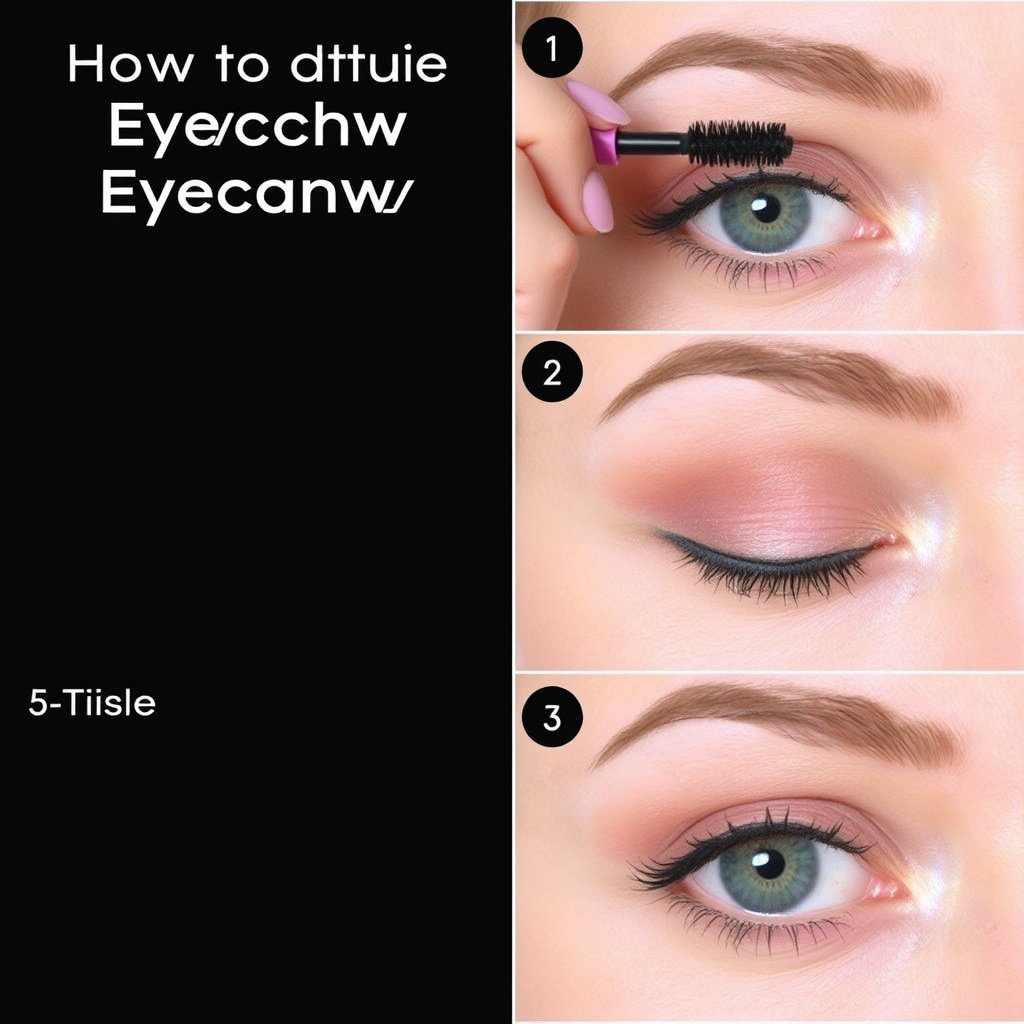
Selecting and Applying Eyeshadow
Choose neutral eyeshadow shades to start, such as soft browns or taupes, which complement most skin tones. Use a flat brush to apply the lightest shade on the entire eyelid.
Add a medium tone to the crease with a blending brush to create depth. Blend edges thoroughly for a smooth gradient and avoid harsh lines.
- Light shade base
- Medium shade crease
- Blend thoroughly
For more on this, see our related guide: How to Install a Lace Wig: A Step-by-Step Guide for Beginners.
Eyeliner and Mascara Tips
For beginners, pencil or gel eyeliners provide easy control. Apply a thin line close to the lash line to define eyes without overwhelming them.
Finish with a coat or two of mascara starting at the roots and wiggling upward to separate lashes and add volume. Use an eyelash curler beforehand for extra lift.
Blush, Bronzer, and Highlighting Basics
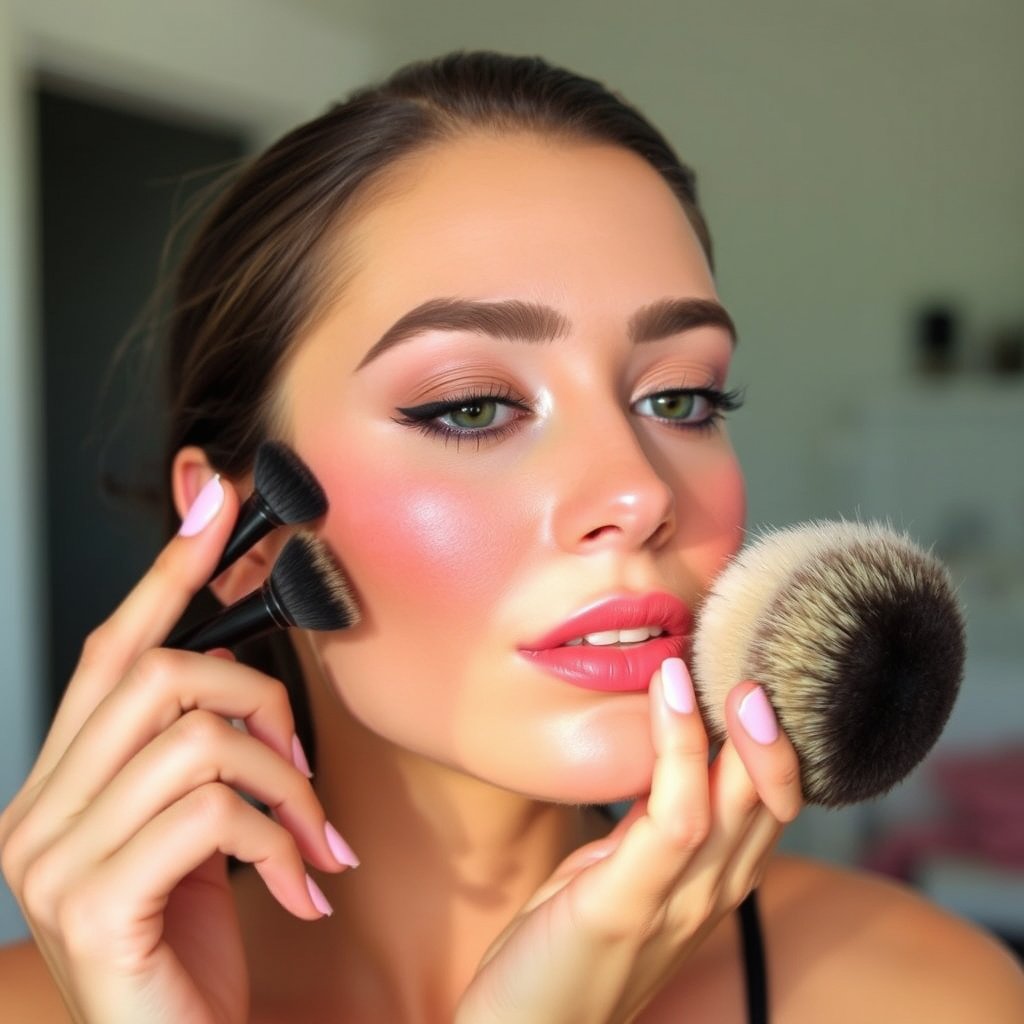
Adding Natural Color with Blush and Bronzer
Blush gives cheeks a healthy flush, while bronzer adds warmth and subtle contouring. Choose shades that complement your skin tone for natural results.
Apply bronzer lightly along the hairline, jawline, and under cheekbones. Smile to find the apples of your cheeks and sweep blush upward toward temples.
- Bronzer placement: forehead, cheeks, jaw
- Blush placement: apples of cheeks
- Use light layers for buildable color
Highlighting to Enhance Features
Highlighting draws light to specific facial points for a glowing finish. Use a subtle highlighter on the cheekbones, brow bones, and down the bridge of the nose.
Avoid over-applying to keep the look fresh and natural. Blend edges well to prevent obvious lines.
Finishing Touches and Makeup Maintenance

Setting Your Makeup for Longevity
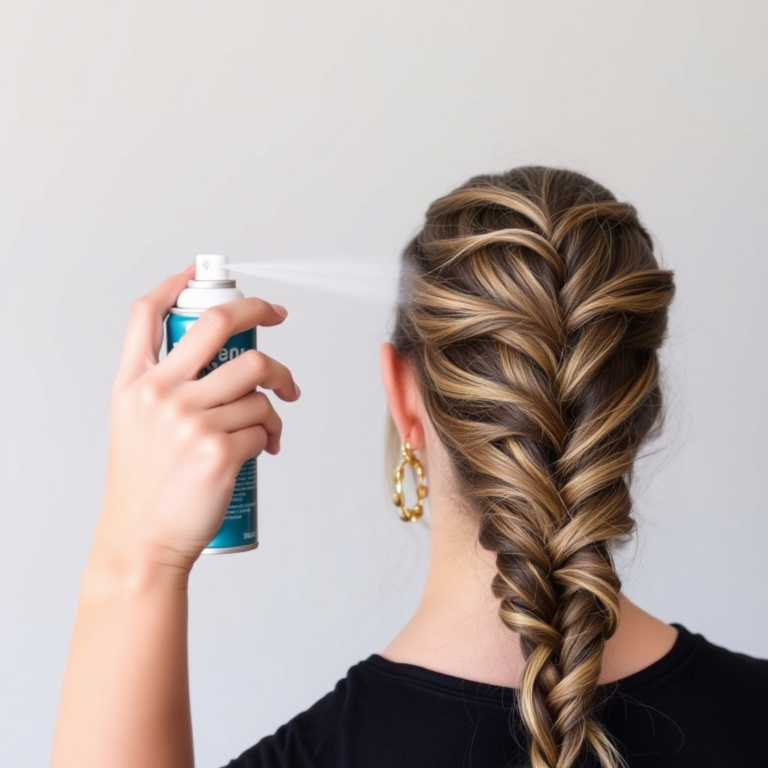
To keep makeup intact throughout the day, use a setting spray or lightly dust translucent powder over the face. This helps reduce shine and prevents makeup from moving.
Setting powder is best for oily skin types, while setting sprays suit normal to dry skin. Choose one based on your skin's needs.
- Translucent setting powder for oily skin
- Setting spray for natural finish
- Reapply as necessary during the day
For more on this, see our related guide: How to Install a Lace Wig: A Step-by-Step Guide for a Natural Look.
Touching Up Makeup on the Go
Carry blotting papers and a compact powder to manage shine and shine without layering more foundation. A small lipstick or tinted lip balm can refresh your lip color.
Blotting papers absorb excess oil without disturbing makeup, making them ideal for quick adjustments during the day.
- Blotting papers for shine control
- Compact powder for touch-ups
- Lip balm for hydration and color refresh
Common Mistakes Beginners Should Avoid
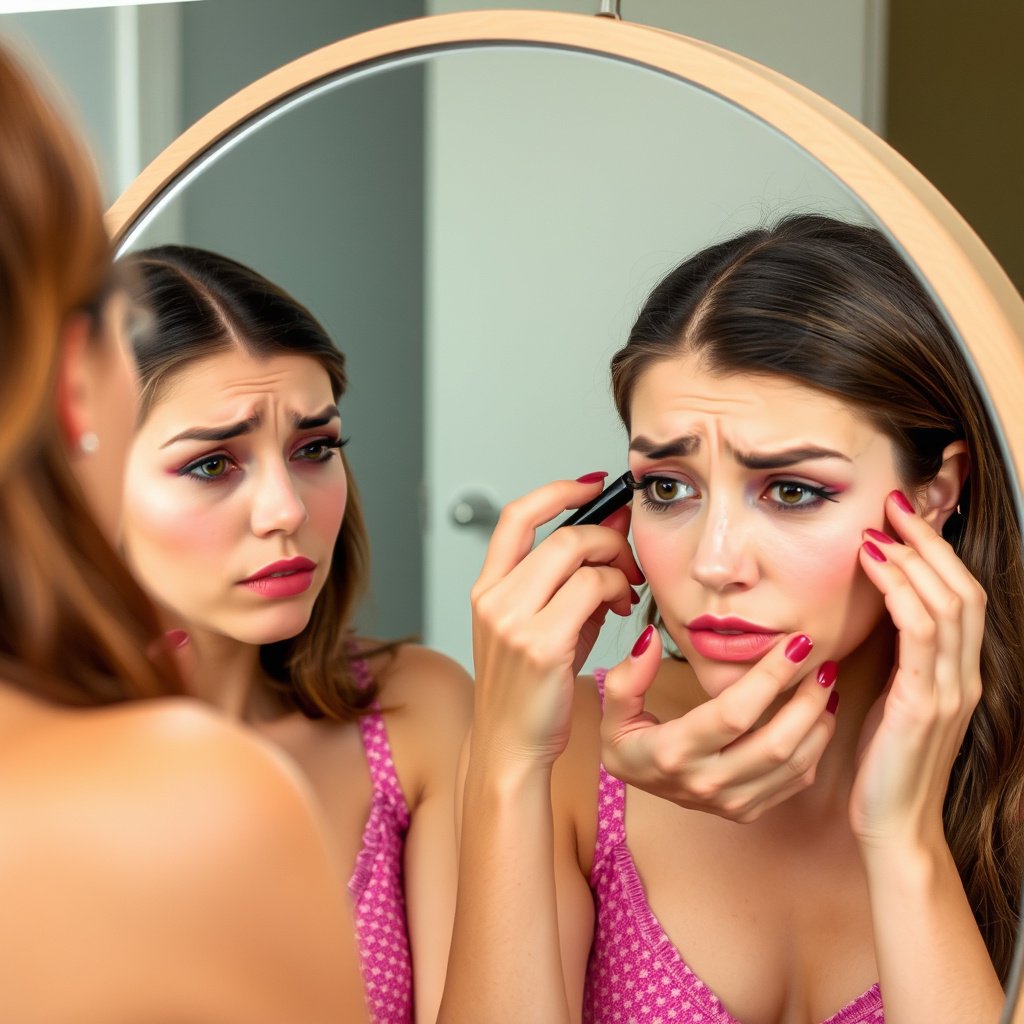
Avoiding Heavy Hand and Wrong Color Choices
Applying too much product, especially foundation or blush, can quickly look unnatural. Use light layers and build coverage gradually.
Pick makeup shades that suit your skin tone; colors that are too dark or bright may overwhelm and distract rather than enhance your features.
- Apply makeup gradually
- Test colors before full application
- Use natural lighting for checks
For more comprehensive information on makeup application techniques, the Wikipedia page on makeup offers detailed insights. makeup application techniques.
Preventing Poor Blending and Harsh Edges
Blending is key to a polished makeup look. Harsh lines between products like bronzer, blush, and eyeshadow can appear jarring.
Use clean brushes or sponges to blend each layer softly, ensuring smooth transitions and an overall cohesive look.
- Blend all edges softly
- Use the right brush for blending
- Check makeup in natural light
Beginner Makeup Product Types Comparison
Here's a comparison of different product forms beginners commonly use, highlighting ease of application, finish, and skin suitability.
| Product Type | Ease of Application | Finish | Best For |
|---|---|---|---|
| Liquid Foundation | Easy with sponge or brush | Natural, buildable | Most skin types |
| Powder Foundation | Quick and simple | Matte, light coverage | Oily skin |
| Cream Blush | Blends with fingertips | Dewy, natural | Dry or normal skin |
| Powder Blush | Requires brush | Matte to satin | Oily or combination skin |
| Pencil Eyeliner | Good control, beginner-friendly | Defined | All skill levels |
| Gel Eyeliner | Requires brush skill | Intense, lasts long | Intermediate to advanced |
Frequently Asked Questions
How do I choose the right foundation shade?
Test foundation shades along your jawline in natural light. The correct shade blends seamlessly into your skin without leaving a visible line.
Can I use one brush for all makeup?
While possible, using specific brushes for foundation, eyes, and cheeks improves application and blending, giving a more polished look.
How do I avoid makeup looking cakey?
Apply moisturizers and primers before makeup, use light layers of products, and blend well to maintain a fresh, natural appearance.
Should beginners use eyeshadow palettes or single colors?
Starting with neutral single eyeshadows is easier for beginners and allows mastering blending before trying multi-shade palettes.
How often should makeup brushes be cleaned?
Clean your makeup brushes weekly to remove product buildup, oils, and bacteria, which helps maintain healthy skin and better makeup application.
Key Takeaways
- Start makeup with proper skin preparation and choose tools matching your products.
- Apply foundation and concealer in light layers for a natural finish.
- Use neutral eyeshadows and subtle liner for beginner-friendly eye makeup.
- Set your makeup and carry essentials for touch-ups to maintain your look.
Conclusion
Learning how to apply makeup for beginners involves a step-by-step process starting with skin preparation, followed by foundation, concealer, eyes, and finishing touches. Approaching each step with care helps create a balanced, fresh look without overwhelming the face. Consistent practice of basic makeup techniques for beginners builds skill and confidence, making the routine quicker and more enjoyable over time.
If you prefer everyday subtle looks, focus on neutral eyeshadows, tinted moisturizers, and cream blushers, which are forgiving and easy to blend. For occasions, practice layering foundation and adding more defined eyeliner or false lashes. Liquid foundations and pencil eyeliners often offer a good balance of ease and effectiveness for most beginners. Understanding product types and their appropriate use is crucial before investing in high-end makeup.
The best next step is to gather a few essential tools and start practicing these basic steps in natural light. Experiment with different shades and products to learn what works best for your skin tone and preferences. Regular cleaning of your tools and mindful product layering will improve results. For more detailed information on skin and cosmetics, consider visiting reputable sources such as dermatology foundations or makeup industry guides.




One Comment