
How to Install a Lace Wig: A Step-by-Step Guide for a Natural Look
Installing a lace wig involves a few precise steps: preparing your hair, securing the wig cap, applying adhesive or tape, and carefully laying down the lace to create a natural hairline. With the right method, you can achieve a seamless, realistic appearance that lasts.
Many want to wear lace wigs to change their look or protect natural hair, but improper installation can cause discomfort or an unnatural appearance. Learning how to install a lace wig correctly ensures comfort, durability, and confidence in your style.
This article covers the essential materials you need, step-by-step installation instructions, securing methods, styling tips, and maintenance advice so you can wear your lace wig like a pro, whether for daily wear or special occasions.
Preparing Your Natural Hair and Scalp for Lace Wig Installation
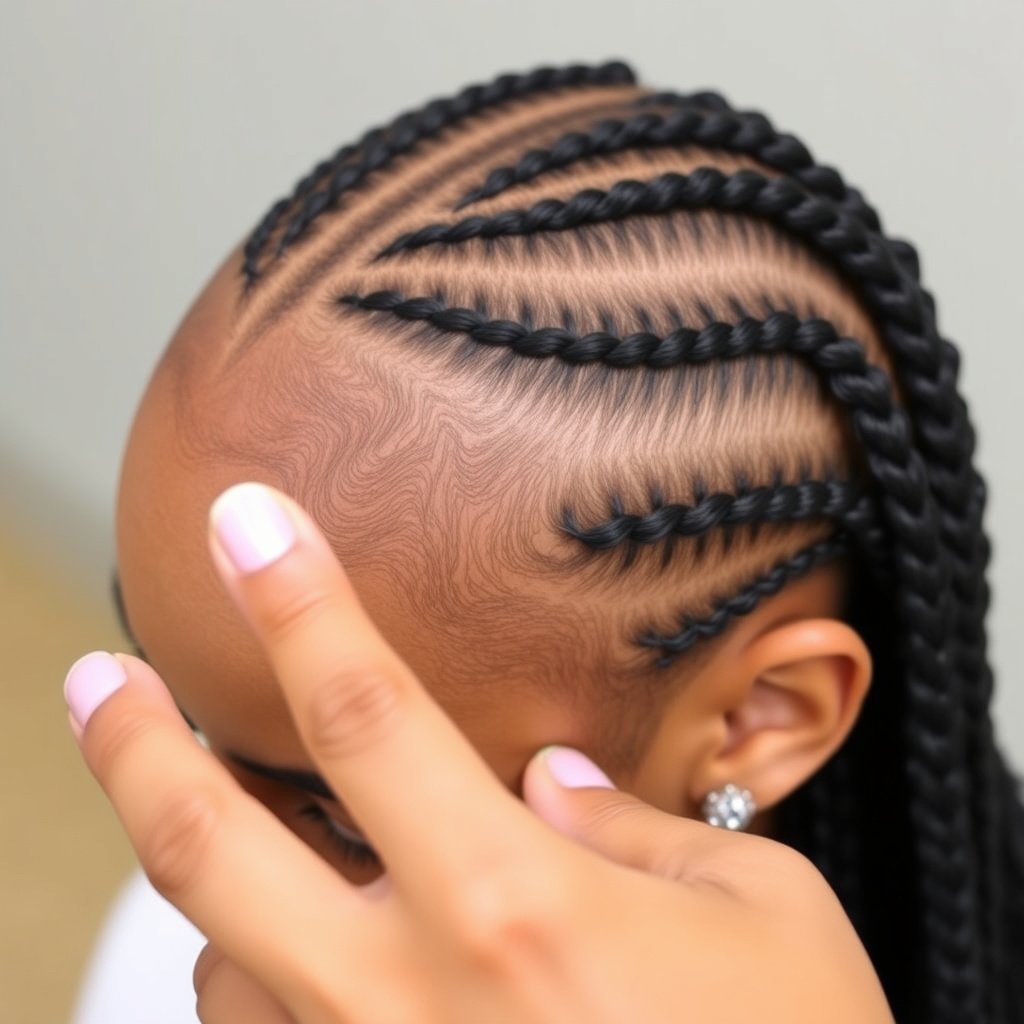
Braiding and Securing Natural Hair
Braiding your hair into cornrows or flat twists creates a smooth base to lay the wig cap on and prevents bulges that can be visible under the lace. The tighter and flatter the braids, the more natural your wig will appear and the longer it will stay secure.
For those with shorter hair, simply brushing the hair flat and securing it with gel or a wig cap might suffice, but braids are best for medium to long textured hair to avoid uneven surfaces.
- Cornrows for long hair
- Twists for medium hair lengths
- Using gel for short hair
Cleaning and Protecting the Scalp
A clean scalp free from oils and dirt promotes better adhesion of the lace wig glue or tape and reduces irritation risk. Wash your scalp gently and allow it to dry completely before installation.
Use scalp protectants or barrier sprays designed for wig wearers to shield sensitive skin from adhesives without sacrificing hold.
- Gentle shampoo for the scalp
- Scalp barrier sprays
- Allow scalp to fully dry before application
Choosing and Preparing the Lace Wig for Installation
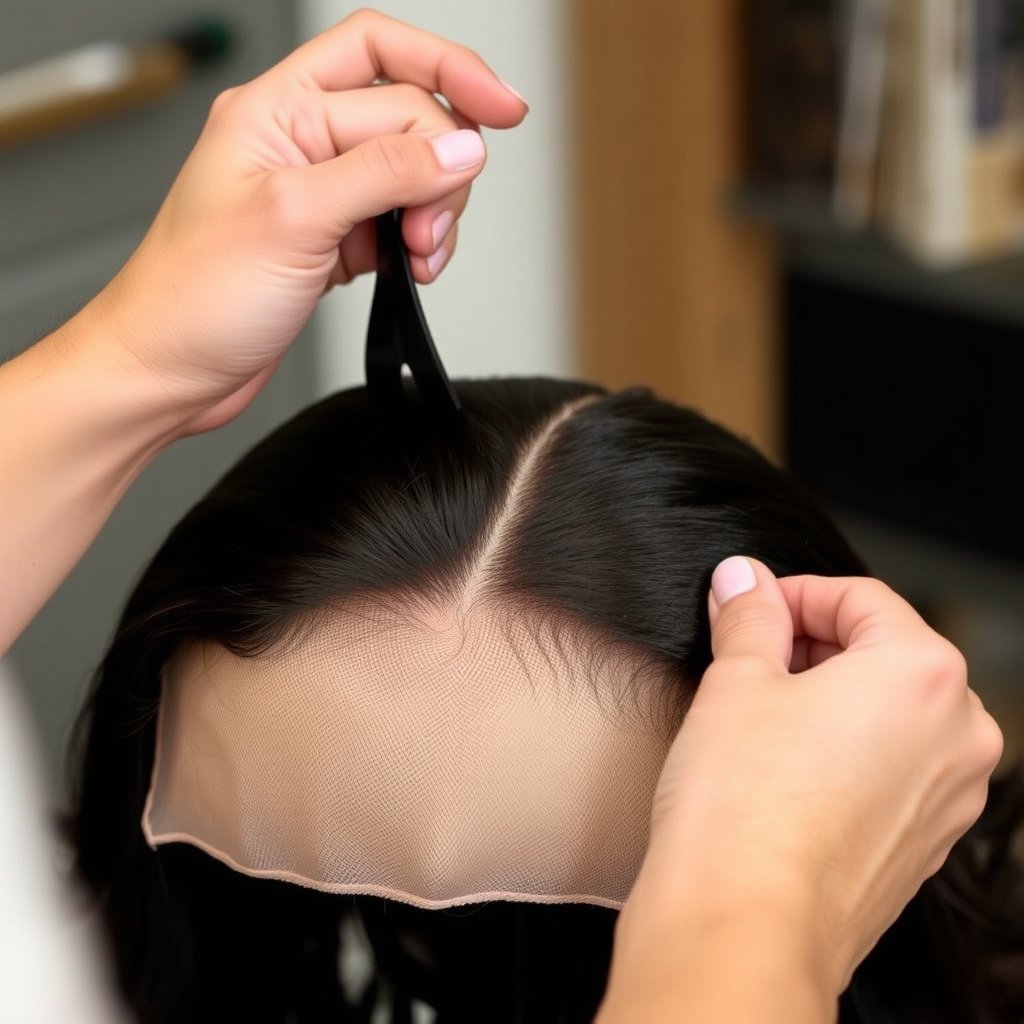
Selecting the Right Lace Type and Density
Lace wigs come with different lace materials such as Swiss lace, HD lace, and French lace, each offering various levels of durability and transparency. Swiss lace is durable, HD lace blends best with skin tones, and French lace offers thickness for added strength.
Density refers to the amount of hair on the wig. A natural density, typically around 130%-150%, mimics real hair thickness whereas higher densities create a fuller look but can feel heavier.
- Swiss lace – durable
- HD lace – transparent
- French lace – thick and strong
- Density options: 130%, 150%, 180%+
Customizing the Lace for a Natural Hairline
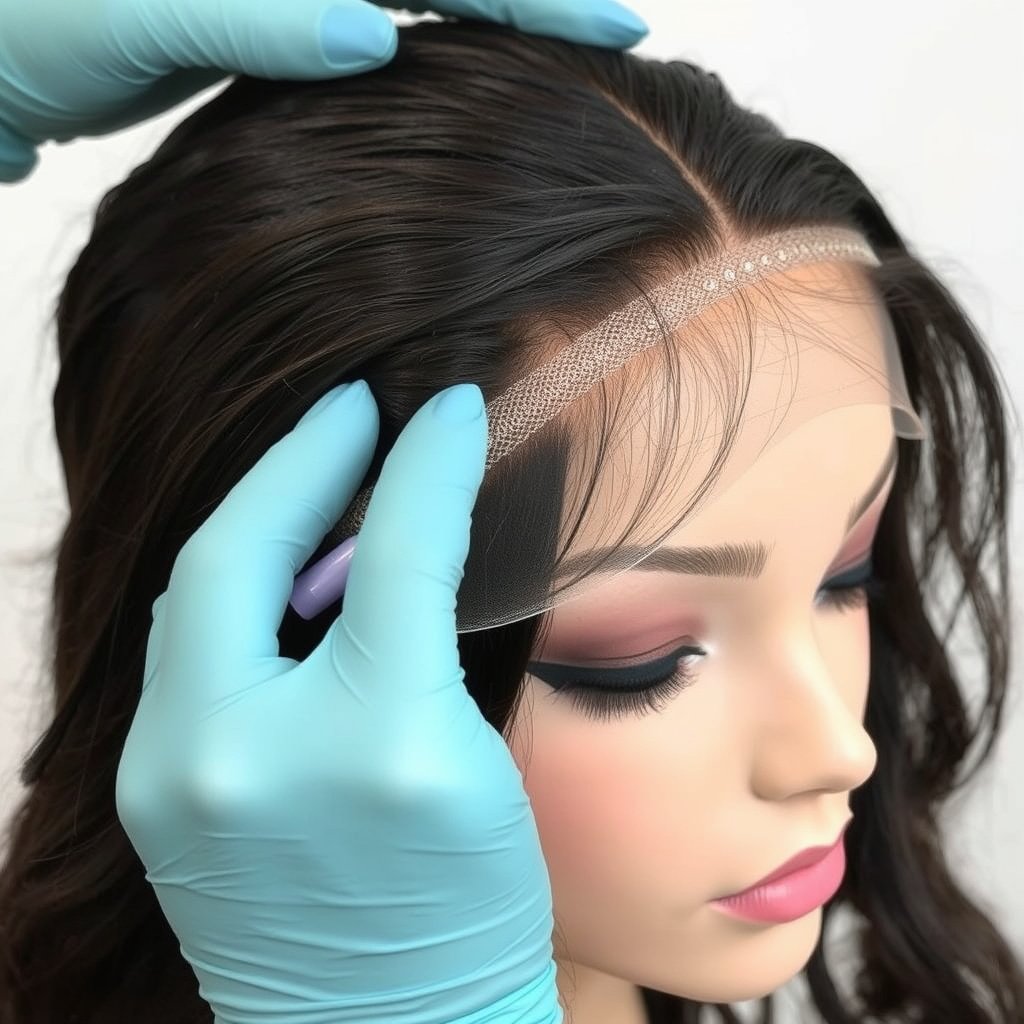
Before installation, carefully trim the excess lace along the hairline of the wig. Cut the lace as close to the hairline as possible without cutting hairs to create a realistic edge.
Plucking the hairline and baby hairs in advance can reduce bulk and add softness, helping the lace blend seamlessly into your skin.
- Use sharp scissors
- Leave a tiny margin to avoid cutting hair strands
- Pluck hairs for softer hairline
- Create baby hairs if desired
Application Methods for Installing a Lace Wig
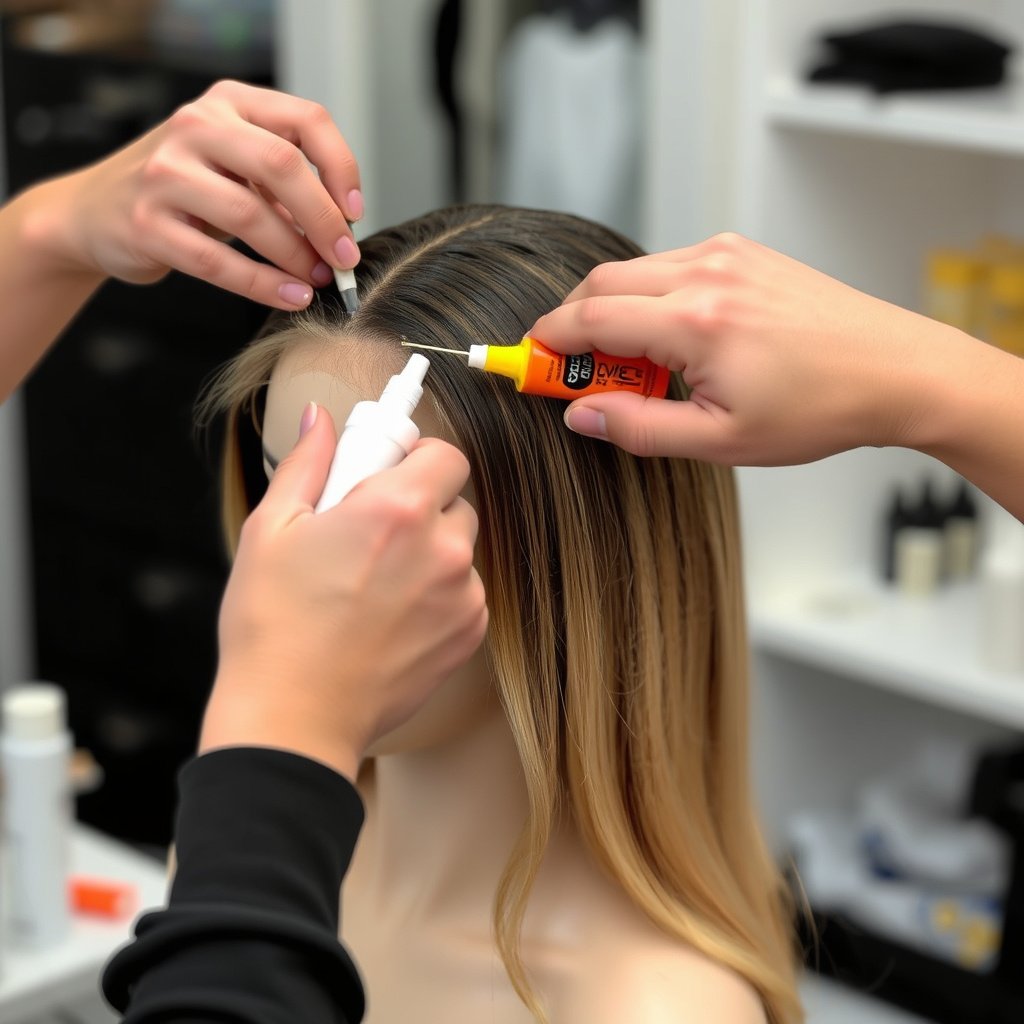
Using Lace Wig Adhesive Glue
Applying adhesive glue along the perimeter of your hairline provides a strong hold ideal for long-term wear, especially in windy or humid conditions. After applying the glue, allow it to become tacky before carefully pressing the lace down.
Clean any excess glue immediately with adhesive remover to avoid buildup or irritation. This method requires patience and practice to ensure the lace lays flat without lifting.
- Apply thin layer of glue
- Wait until glue is tacky
- Press lace down gently
- Remove excess glue promptly
Using Double-Sided Wig Tape
Double-sided wig tape offers a mess-free alternative with easy application and removal. Cut tape strips to size and stick them around the hairline, pressing the lace wig firmly on top.
Tape works best for shorter-term wear and can be replaced daily or as needed, providing a comfortable hold without the risks of glue adhesives.
- Cut tape strips to length
- Apply tape to clean scalp
- Press lace firmly onto tape
- Replace tape regularly
Securing and Styling Your Lace Wig Post-Installation

Laying Baby Hairs for a Seamless Hairline
After the lace is secured, use a fine-tooth comb or toothbrush with lightweight gel or edge control to lay baby hairs. This softens the hairline and helps disguise the transition between the lace and your skin.
Avoid heavy products that can flake or cause buildup on the lace, which might reveal the lace edges over time.
- Use lightweight edge gel
- Comb baby hairs gently
- Avoid heavy gels that flake
Blending the Lace with Makeup
To hide any visible lace, apply foundation or concealer that matches your skin tone directly to the lace edges. Use a small brush for precision and blend well into your forehead and temples.
This simple makeup trick further creates the illusion that the hair is growing naturally from your scalp.
- Use skin-tone foundation
- Apply with small brush
- Blend edges seamlessly
Maintaining and Removing Your Lace Wig Safely
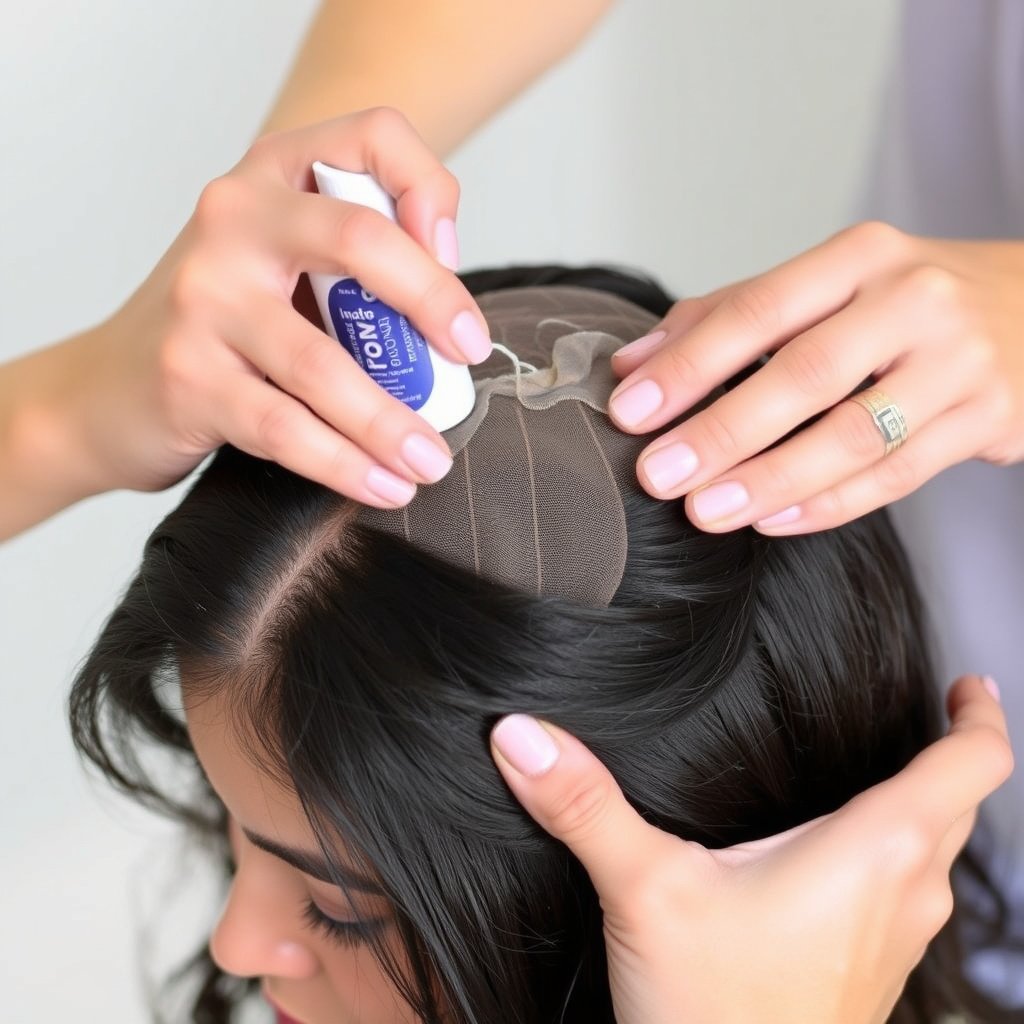
Cleaning and Storing Your Lace Wig
Regular washing using sulfate-free shampoos and deep conditioning keeps your lace wig soft and manageable. Always detangle gently and air dry on a mannequin head to maintain its shape.
Store the wig on a stand or in a silk bag to prevent tangling and damage between wears.
- Use gentle sulfate-free shampoos
- Deep condition weekly
- Air dry on wig stand
- Store in breathable bag or stand
Safe Removal Without Damaging Hair or Lace
Apply adhesive remover along the hairline and sides to dissolve glue or tape bonds before lifting the lace wig gently. Avoid pulling forcefully to protect your natural hair and the wig’s delicate lace.
After removal, clean residual adhesive from the lace with appropriate solvents to prepare it for the next use.
- Use adhesive remover
- Gently lift lace wig
- Avoid tugging or pulling
- Clean residual glue carefully
Troubleshooting Common Lace Wig Installation Issues
Preventing Lace Lifting and Edge Peeling
Lace lifting often happens due to oily skin or insufficient adhesive application. Clean the scalp thoroughly before installing, use the right amount of glue or tape, and press the lace firmly for better adhesion.
If lifting occurs during wear, reapply small amounts of adhesive or tape on the troublesome spots to secure the lace again.
- Clean scalp before application
- Apply adhesive evenly
- Press lace into place firmly
- Touch up adhesive as needed
To understand more about the history and types of lace wigs, check out this detailed lace wig overview. Lace wig.
Dealing with Itching, Irritation, or Allergic Reactions
Sometimes adhesives or wigs cause scalp irritation. Choose hypoallergenic, skin-safe products and do a patch test before full application. Scalp protectors help reduce irritation during wear.
If itching persists, remove the wig immediately and consult a dermatologist to rule out allergic reactions or infections.
- Use hypoallergenic adhesives
- Patch test new products
- Use scalp protectors
- Consult dermatologist if needed
Lace Wig Installation Methods Comparison
Here’s a clear comparison of the main adhesive options you can use for lace wig installation and their key attributes.
| Method | Hold Duration | Ease of Application | Removal | Skin Sensitivity |
|---|---|---|---|---|
| Adhesive Glue | Up to 2 weeks | Moderate – requires skill | Requires adhesive remover | Potential irritation if harsh glue |
| Double-Sided Tape | 1-3 days | Easy – quick to apply | Peels off easily | Generally skin-friendly |
| No Adhesive (Wig Grip Bands) | Up to 8 hours | Very easy | Simple removal | No irritation risk |
| Elastic Strap Attachment | Up to 24 hours | Easy | Remove by unclipping | No irritation |
| Silicone-Based Adhesive | 1 week | Moderate | Solvent needed | Lower irritation risk |
Frequently Asked Questions
How long does a lace wig installation usually last?
The duration depends on the adhesive method used. Glue installations can last up to two weeks, while tape generally lasts 1 to 3 days. No-adhesive methods usually require daily reapplication.
Can I sleep with my lace wig on after installation?
Sleeping with a glued lace wig is generally not recommended as it can cause tension on your scalp and damage the lace. For tape or no-adhesive methods, overnight wear is safer but still requires care.
What should I do if my lace wig edges start lifting?
Apply a small amount of adhesive or tape to the lifting areas and press the lace firmly. Regular scalp cleaning before application reduces lifting risks.
Is it necessary to pluck the hairline before installing a lace wig?
Plucking creates a softer, more natural hairline, but it’s optional. Pre-plucked wigs save time, while DIY plucking requires careful, gradual work.
How do I avoid irritation from lace wig adhesive?
Use skin-safe, hypoallergenic adhesives and perform a patch test before use. Scalp protectants help reduce irritation, and proper removal with adhesive remover prevents damage.
Key Takeaways
- Proper hair and scalp preparation is essential for a natural lace wig installation.
- Choosing the right lace type and density affects both appearance and comfort.
- Adhesive glue and double-sided tape offer different hold durations and ease of use.
- Maintenance and gentle removal preserve both the wig and your natural hair.
Conclusion
Knowing how to install a lace wig correctly starts with understanding your hair type, scalp condition, and the look you're aiming for. Preparing your hair and scalp ensures the lace wig sits smoothly, while selecting the appropriate adhesive method affects both comfort and hold. Attention to detail when trimming the lace and styling baby hairs contributes significantly to a natural finish. Each step plays a role in achieving a flawless appearance without sacrificing the health of your natural hair or scalp.
For beginners or daily wearers seeking convenience and gentle application, double-sided tape or no-adhesive options like wig grip bands work well. Those wanting longer-lasting installations, especially for events or extended wear, often prefer adhesives like glue or silicone-based formulas. Customizing the lace hairline by trimming and plucking, combined with thoughtful adhesive application, creates the most realistic results. Remember to maintain and store your lace wig properly to extend its lifespan and keep the hair looking fresh.
When you’re ready to install your lace wig, gather all materials beforehand and take your time during each step. Practice improves your technique, so consider trying the process a few times in non-critical settings. If irritation or lace lifting occurs, address these with scalp care products or adhesive adjustments promptly. By following the guidance above, you can confidently enjoy the versatile beauty a lace wig offers while protecting your natural hair.




2 Comments