How to Wash a Wig: Step-by-Step Guide for Clean, Fresh Results
Washing a wig correctly is vital to maintain its appearance, texture, and lifespan. To wash a wig, start by gently detangling it, then soak it in cool water mixed with a wig-friendly shampoo. Rinse thoroughly, condition if needed, and air dry on a wig stand to keep the fibers intact and looking natural.
Wigs accumulate oils, dust, and styling products over time, which can dull their look and weaken the fibers. Proper washing removes buildup while preserving the wig’s style and shine. Whether synthetic or human hair, each type requires a carefully tailored approach to cleaning that respects the material’s sensitivity.
This article breaks down in detail how to wash different kinds of wigs, the right products to use, drying tips, and how often you should clean your wig to keep it fresh and vibrant. You’ll also find advice on preventing damage and prolonging the life of your investment.
Preparing Your Wig for Washing
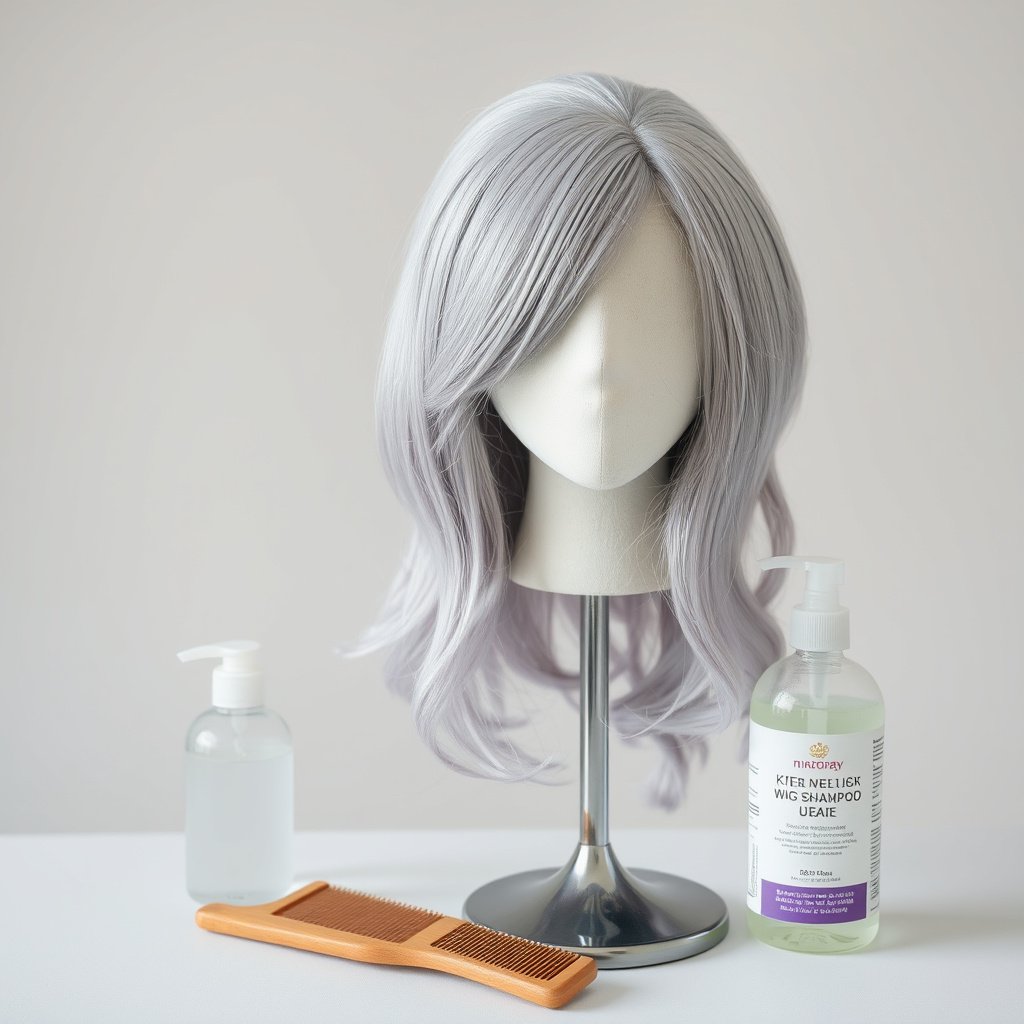
Detangling Before the Wash
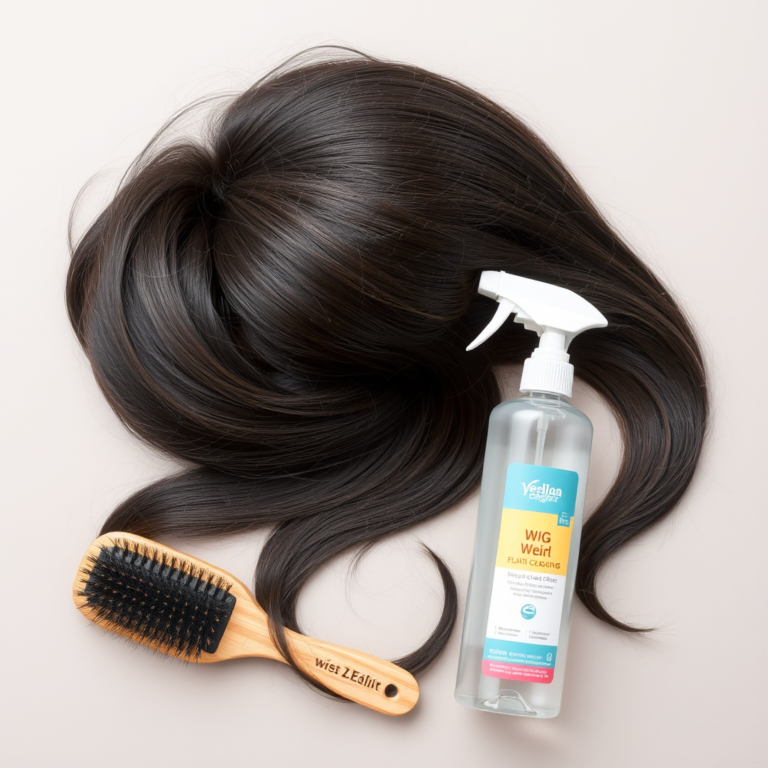
Before washing, carefully detangle the wig to avoid knots turning into stubborn mats during the cleaning process. Use a wide-tooth comb or a wig brush specifically designed for your wig type. Start at the ends and gently work upwards to the roots to minimize stress on the fibers.
Detangling not only makes washing easier but also helps maintain the smoothness and style of the wig. For synthetic wigs, avoid brushing when wet to prevent damage; detangle dry hair cautiously.
- Use a wide-tooth comb or wig brush
- Start detangling from the ends
- Avoid harsh tugging to prevent fiber breakage
Choosing the Right Products
Selecting products specifically formulated for wigs is essential. Human hair wigs can tolerate gentle sulfate-free shampoos and moisturizing conditioners, while synthetic wigs require specially designed shampoos without harsh chemicals to protect their shape and fibers.
Avoid regular hair products containing alcohol or heavy sulfates, which can damage both synthetic and human hair wigs. The best shampoo for wigs often labels as safe for synthetic fibers or human hair, depending on your wig type.
- Check product labels for wig or synthetic hair suitability
- Avoid products with alcohol or sulfates
- Use conditioner sparingly on synthetic wigs
Washing Process for Synthetic and Human Hair Wigs
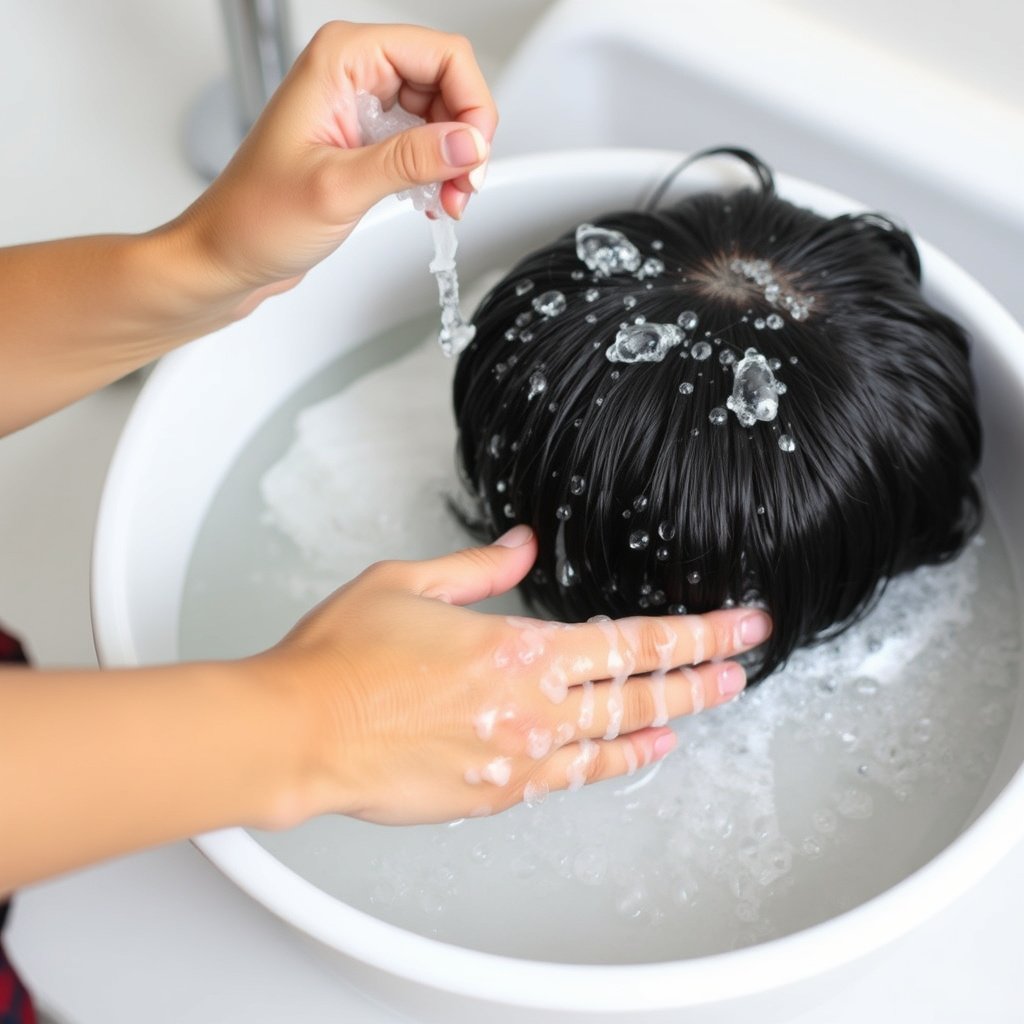
Step-by-Step Wash for Synthetic Wigs
Fill a basin with cool water and add a small amount of wig shampoo. Place the synthetic wig in the water and gently swish it without rubbing or twisting to prevent tangling. Let it soak for about 5 minutes to lift dirt and oils.
Rinse the wig thoroughly under cool running water. If conditioner is used, apply lightly and rinse again. Finally, press the wig gently with a towel to remove excess water, keeping the fibers intact and preventing damage.
- Use cool water only
- Avoid scrubbing or twisting fibers
- Soak for 5 minutes for gentle cleaning
For more on this, see our related guide: How to Install a Lace Wig: A Step-by-Step Guide for a Natural Look.
Step-by-Step Wash for Human Hair Wigs
Human hair wigs can tolerate a bit more handling. Use lukewarm water and a gentle sulfate-free shampoo. Wet the wig fully and apply shampoo with your fingertips, working from root to ends with mild pressure. Rinse thoroughly to remove all shampoo residues.
Follow with a moisturizing conditioner, focusing on the ends. Leave it in for a few minutes and rinse. After gently squeezing excess water, blot the wig with a towel and avoid wringing to maintain hair strength and shine.
- Use lukewarm water, not hot
- Apply mild shampoo gently
- Condition focusing on the tips
Drying and Styling Your Wig

Air Drying Techniques
Air drying is the safest method for drying wigs to preserve fiber integrity and shape. Place the wig on a breathable wig stand to maintain volume and let moisture evaporate naturally. Avoid direct sunlight or heat sources that can fade colors or warp synthetic fibers.
Patting gently with a towel before drying helps reduce water but never rub or twist. For speedier drying, a fan set on low can circulate air, but heat-driven dryers are typically unsuitable for synthetic wigs.
- Use a breathable wig stand
- Avoid sunlight and heat exposure
- Do not rub or wring the wig
Styling After Washing
For synthetic wigs, some light finger styling is recommended only once completely dry. Avoid heat styling tools unless your wig is marked heat-resistant. Human hair wigs can be styled with heat tools on low settings after thorough drying.
Using wig-specific styling products helps maintain texture without adding build-up or residue. Always test products on a small section first to check for any adverse effects.
- Use heat tools cautiously on human hair wigs
- Avoid heat on synthetic unless heat-friendly
- Use wig-specific styling products
Frequency and Maintenance Tips
How Often to Wash Your Wig
The washing frequency depends on use and environment. Generally, wash your wig every 6-8 wears or when dirt and oils become noticeable. Overwashing can strip fibers and shorten wig lifespan, so adjust based on wear habits and exposure to sweat or styling products.
Synthetic wigs may need less frequent washing as they resist oil absorption better, while human hair wigs can benefit from more regular cleansing to maintain softness and manageability.
- Wash every 6-8 wears or as needed
- Avoid overwashing to prevent fiber damage
- Consider environment and sweat exposure
For more on this, see our related guide: How to Wear a Wig: A Complete Guide for a Natural Look.
Storage and Daily Care
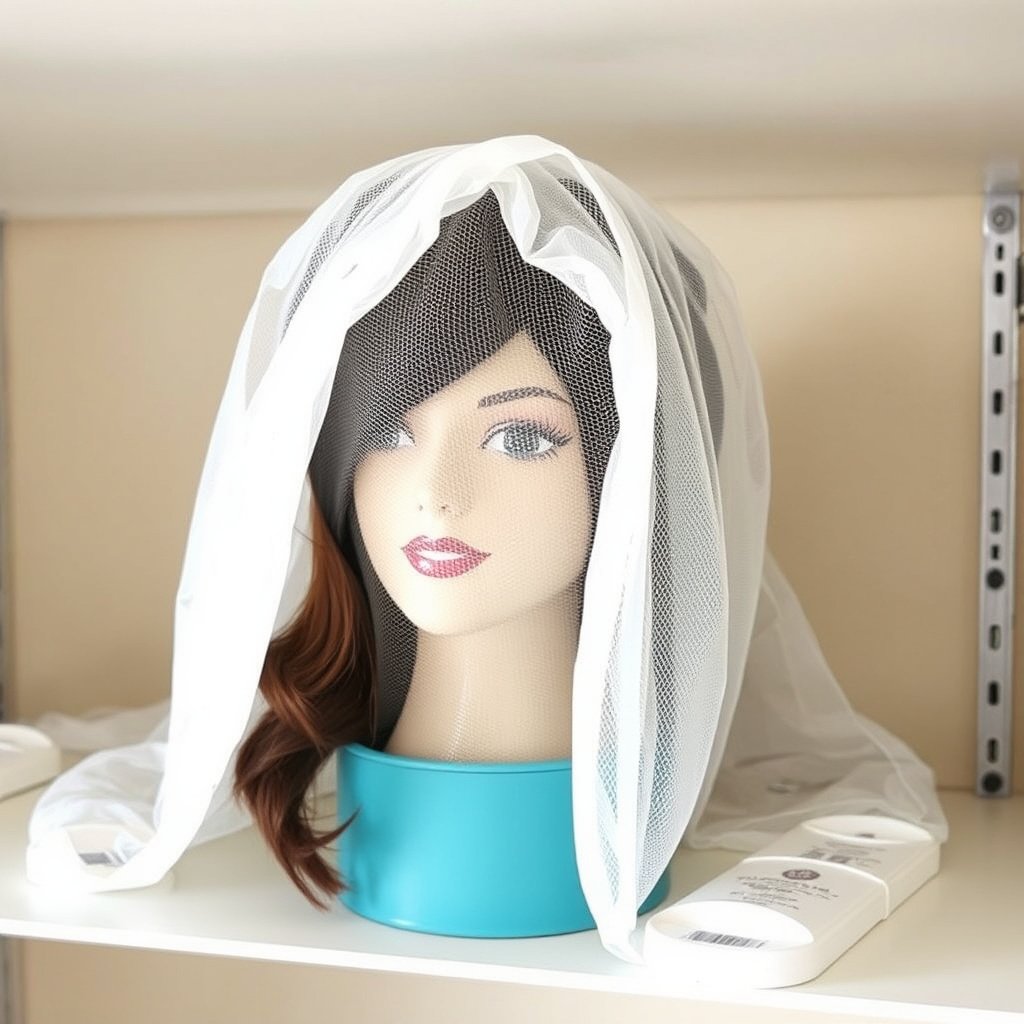
Proper storage extends your wig’s life. Keep it on a wig stand or in a netted bag off direct sunlight when not in use. Sleeping with your wig on requires a silk or satin scarf to reduce friction and tangling.
Daily care includes gentle brushing, keeping the wig dry when possible, and avoiding heavy product buildup. These habits will help maintain a fresh look and delay the need for washing.
- Store on a wig stand or in protective net
- Use silk or satin scarves for sleeping
- Brush gently and avoid heavy product buildup
Common Mistakes to Avoid When Washing a Wig
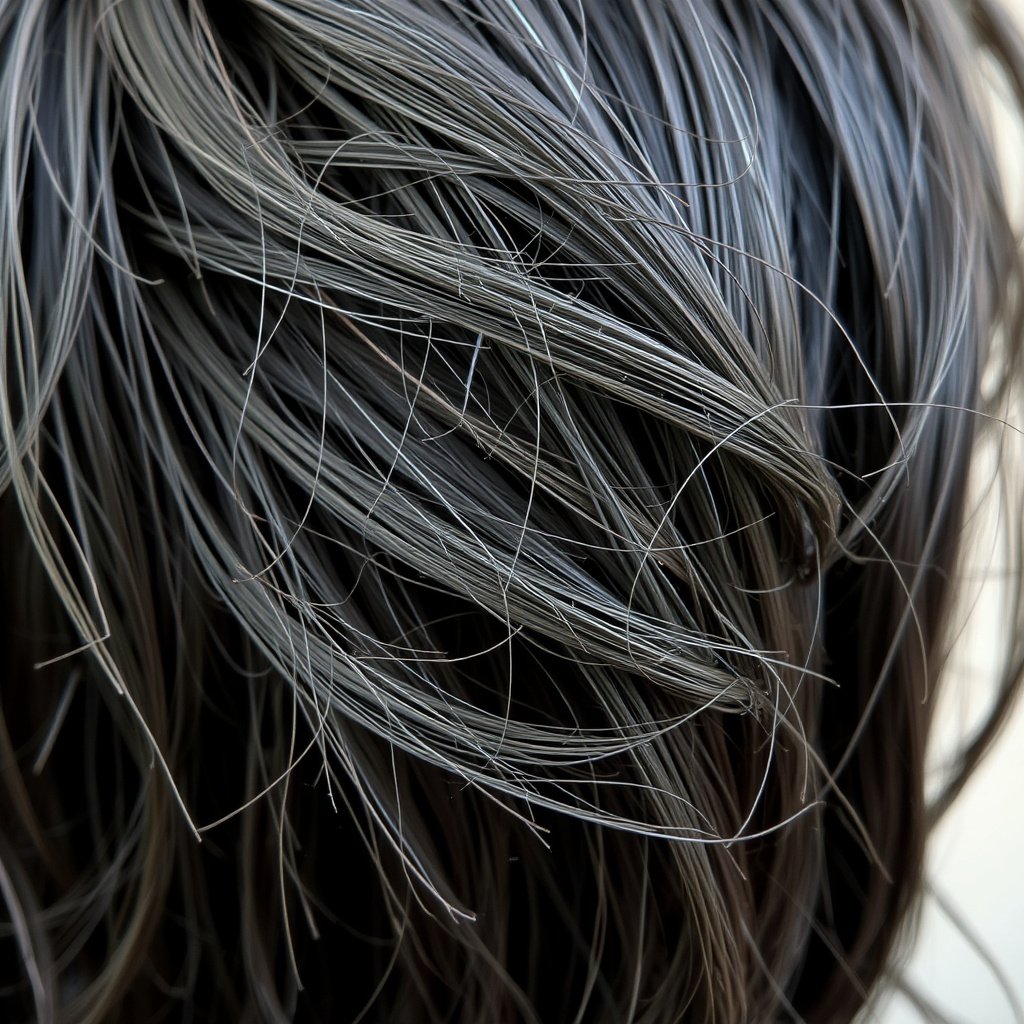
Avoiding Heat Damage and Fiber Breakage
Using hot water or heat styling immediately after washing synthetic wigs can cause irreversible damage such as melting fibers or frizzing. Avoid drying wigs with a hairdryer set on high or placing them near heaters.
Twisting or aggressively scrubbing wigs during washing also weakens fibers, leading to breakage and reduced lifespan. Always handle wigs gently throughout the washing and drying process.
- Avoid hot water and heat sources
- Do not rub or twist fibers
- Handle gently to prevent fiber breakage
For more detailed info on wig materials and care, consult the wig care guidelines available on Wikipedia. Wig care guidelines.
Choosing the Wrong Products
Using regular shampoos and conditioners with harsh chemicals can dry out the wig fibers and dull colors, especially for synthetic wigs. Products containing alcohol or sulfates strip moisture and degrade synthetic strands quickly.
Selecting wigs shampoos not meant for your wig type worsens tangling and frizz. Always pick products labeled for synthetic or human hair wigs to maintain softness, shine, and manageability.
- Avoid shampoos with sulfates and alcohol
- Use products specific to your wig type
- Regular hair products can damage wigs
Types of Wigs and Washing Considerations Compared
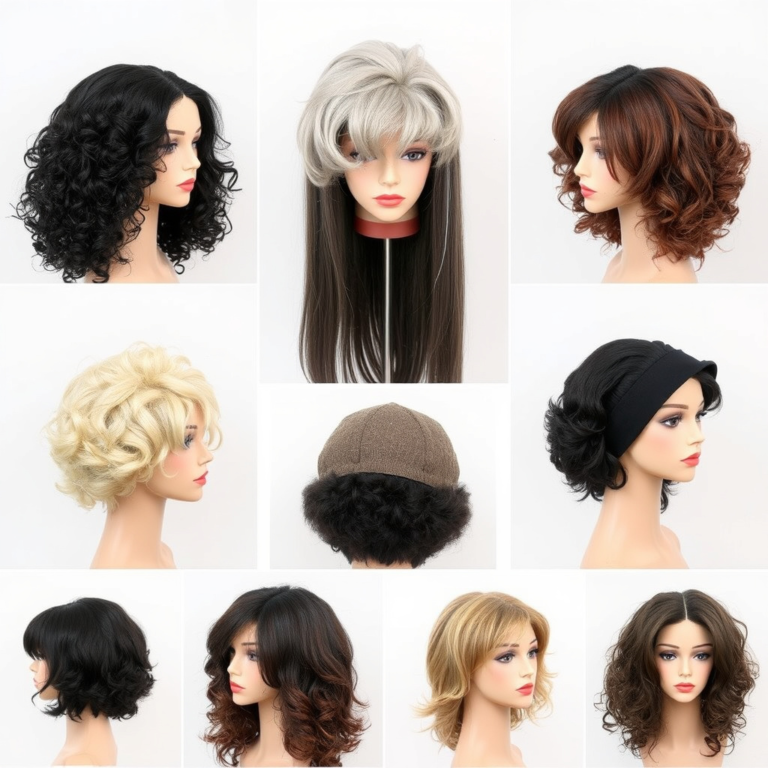
Here’s a quick overview comparing popular wig types and their specific washing and maintenance needs.
| Wig Type | Water Temperature | Recommended Shampoo | Drying Method | Styling Options |
|---|---|---|---|---|
| Synthetic | Cold only | Synthetic wig shampoo | Air dry on stand | No heat unless heat-resistant |
| Human Hair | Lukewarm | Sulfate-free shampoo | Air dry or low heat | Safe with low heat styling |
| Heat-Resistant Synthetic | Cold to lukewarm | Synthetic wig shampoo | Air dry | Low temp heat styling okay |
| Lace Front Human Hair | Lukewarm | Gentle sulfate-free | Air dry recommended | Low heat styling |
| Monofilament Human Hair | Lukewarm | Moisturizing shampoo | Air dry preferred | Heat styling possible |
Frequently Asked Questions
Can I wash my wig in a washing machine?
Machine washing is generally discouraged as it can cause tangling, fiber damage, and loss of wig shape. Hand washing ensures gentle handling and better preservation of the wig’s style.
How do I know if my wig is synthetic or human hair?
Synthetic wigs usually look shiny under light and maintain style when wet, while human hair wigs absorb water, feel softer, and can be heat styled and dyed. Checking the label or vendor info helps confirm.
Is it necessary to use conditioner on synthetic wigs?
Conditioners formulated for synthetic wigs can help reduce tangling but should be used sparingly. Many synthetic wigs do not need heavy conditioning as their fibers do not absorb moisture like human hair.
How long does a wig take to dry after washing?
Air drying times vary by fiber and wig density but generally range from 4 to 12 hours. Synthetic wigs tend to dry faster than thick human hair wigs. Avoid heat drying to prevent damage.
Can I use regular hair products on my wig?
Regular hair products may contain chemicals that harm wigs, especially synthetic fibers. It’s best to use products designed specifically for wigs to protect texture and longevity.
Key Takeaways
- Always detangle gently before washing to prevent mats and damage.
- Use shampoos and conditioners specifically made for your wig type.
- Air drying on a wig stand preserves shape and fiber quality.
- Wash frequency depends on wear but generally every 6-8 uses.
Conclusion
Washing a wig carefully is essential to keep it looking natural, soft, and long-lasting. Starting with detangling and using the right water temperature and products helps prevent fiber damage. Handling the wig gently throughout washing and drying maintains its style and comfort. This step-by-step approach ensures your wig stays clean without sacrificing quality.
Different wig types require slightly different care: synthetic wigs need cold water and synthetic-specific shampoos, while human hair wigs benefit from lukewarm water and gentle sulfate-free formulas. Heat-resistant synthetic wigs offer more styling flexibility. Knowing your wig’s fiber type directs you to the proper washing method and products so you can avoid common pitfalls like heat damage or wrong product use.
As a next step, gather the proper wig shampoo recommended for your wig's fiber type, prepare your washing setup with a wig stand, and follow a gentle washing routine regularly based on how often you wear the wig. Keeping these habits will extend your wig’s lifespan, maintain its appearance, and save you from unnecessary replacements.