
Closure vs Frontal: Which Hairpiece is Best for Your Style?
When deciding between a closure vs frontal hairpiece, fundamentally, it depends on the style and coverage you want. Closures typically cover a smaller area at the crown, giving a natural scalp appearance, while frontals provide full hairline coverage from ear to ear allowing versatile styles.
Understanding how each option affects your look and maintenance can help you shape your hairstyle exactly as you want. For example, closures are easier to blend with relaxed installations, while frontals support a broader range of parting styles and protective styles.
This article walks through the main features, benefits, and disadvantages of closures and frontals, guiding you through how to choose the right hairpiece based on your lifestyle, styling preferences, and budget.
Understanding Closure Hairpieces
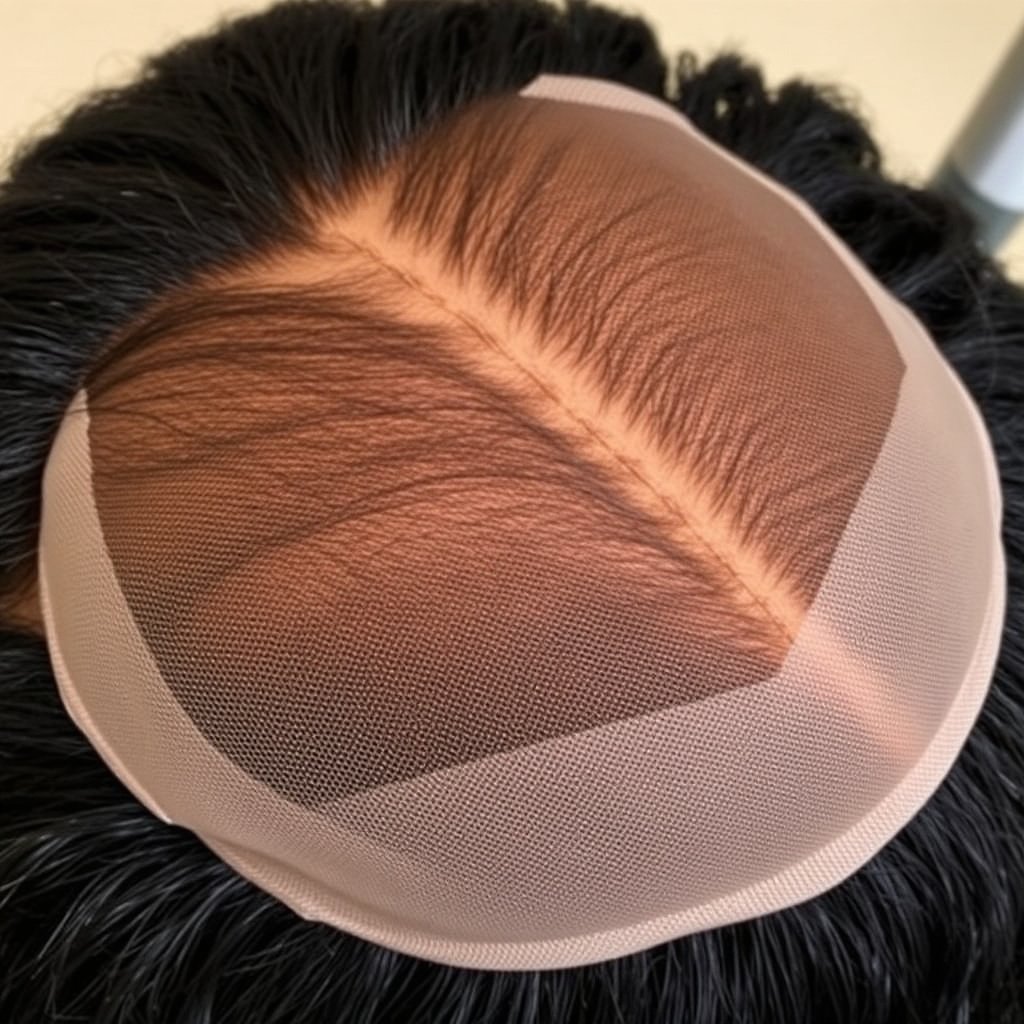
What Is a Closure?
A closure is a hairpiece usually measuring 4×4 or 5×5 inches made of lace or silk with hair individually hand-tied to mimic natural growth on the scalp. It’s placed at the crown or top of the head to close off a weave or protective style, giving a neat, natural scalp look.
Closures are popular because they allow for natural parting in a limited area and protect natural hair underneath from heat and manipulation. They're best for styles where the majority of your hair remains braided or woven underneath.
Pros and Cons of Closures
Closures are less expensive than frontals and involve simpler installation, making them a budget-friendly option. Their smaller size means less lace exposure, which can be easier to conceal, especially for beginners.
However, the limited parting space restricts versatility in styling; closures typically only allow a middle or side part within the closure area. They also offer less protection for hair along the hairline compared to frontals.
- Affordable option
- Natural scalp look in crown area
- Limited styling versatility
- Doesn't cover hairline fully
Exploring Frontal Hairpieces

What Is a Frontal?
A frontal is a larger hairpiece, usually 13×4 or 13×6 inches lace, that covers the entire hairline from ear to ear. It is designed to create a seamless transition between the weave or natural hair and the hairline, allowing versatile styling and parting options.
Because frontals cover the full front hairline, they allow for styles like slick backs, deep side parts, and high ponytails, mimicking the natural hairline more closely and protecting delicate edges.
Advantages and Disadvantages of Frontals
Frontals provide the most styling flexibility and full hairline coverage, which is ideal for dramatic or protective styles that require revealing the hairline. They help protect natural hair at the edges from damage.
The larger lace area means more lace to maintain and conceal, which can be challenging for some users. Additionally, frontals tend to be more expensive and require careful installation to avoid lifting or damage.
- Full hairline coverage
- Allows versatile parting and styles
- Higher cost
- Requires detailed installation
Material Types and Lace Quality

Lace Materials in Closures and Frontals
Most closures and frontals use either Swiss lace or HD lace. Swiss lace is thicker and more durable but more visible on the scalp, while HD lace is thinner and offers a more undetectable look but requires gentle handling.
Choosing the right lace depends on your scalp sensitivity, desired natural look, and budget. HD lace frontals, though pricier, offer the best camouflage for sensitive skin or natural scalp tones.
- Swiss lace: durability, visible thinner
- HD lace: invisibility, fragile
For more on this, see our related guide: Frontal vs. Closure: Which Is Better?.
Hair Texture and Origin
Closures and frontals come with various hair textures like straight, wavy, and curly, sourced from different regions including Brazilian, Peruvian, and Malaysian hair. Each origin offers different density, softness, and longevity.
Selecting a hair texture that matches your natural hair enhances the seamlessness of your installation and helps with blending. Quality hair also affects how well the hairpiece responds to styling and maintenance.
Installation Techniques for Closure vs Frontal
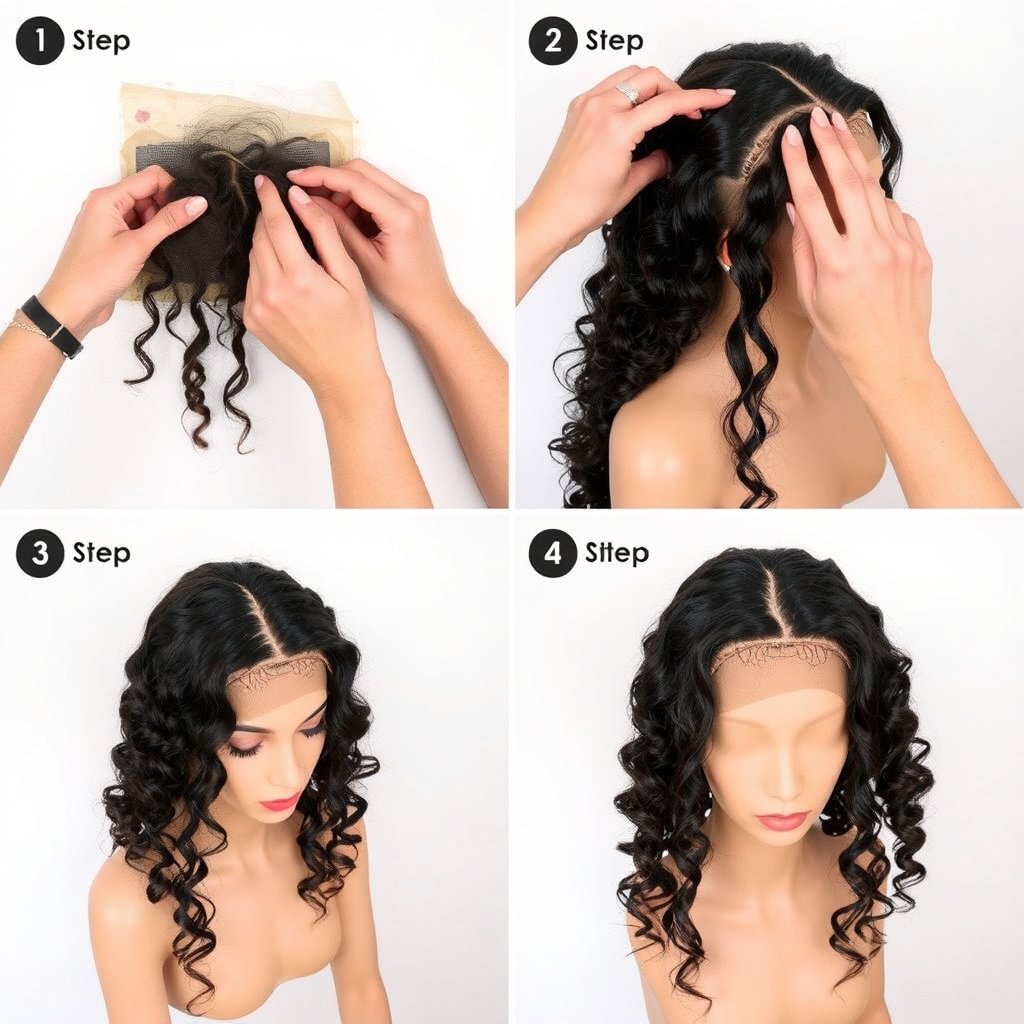
Closure Installation Methods
Closures are typically sewn or glued down at the crown area, requiring minimal lace coverage and offering a quicker installation process. Many people braid their hair underneath and sew the closure on top, blending edges with foundation or concealer.
Because the lace area is smaller, closures can be easier and less time-consuming to install and maintain, making them a good option for beginners or those wanting a lower-maintenance style.
Installing a Frontal Properly
Frontals require a precise, secure fit along the entire hairline from ear to ear. Installation can involve sewing, gluing, or taping. Proper positioning ensures the lace lays flat with no gaps or lifting, preserving natural appearance.
Due to the larger lace size, installation takes longer and requires more expertise. Sealants and protective practices during installation help extend frontal lifespan and prevent damage to natural hair.
- Needs secure, full hairline fit
- Requires more time and skill
- Uses sealants for durability
Maintenance and Longevity
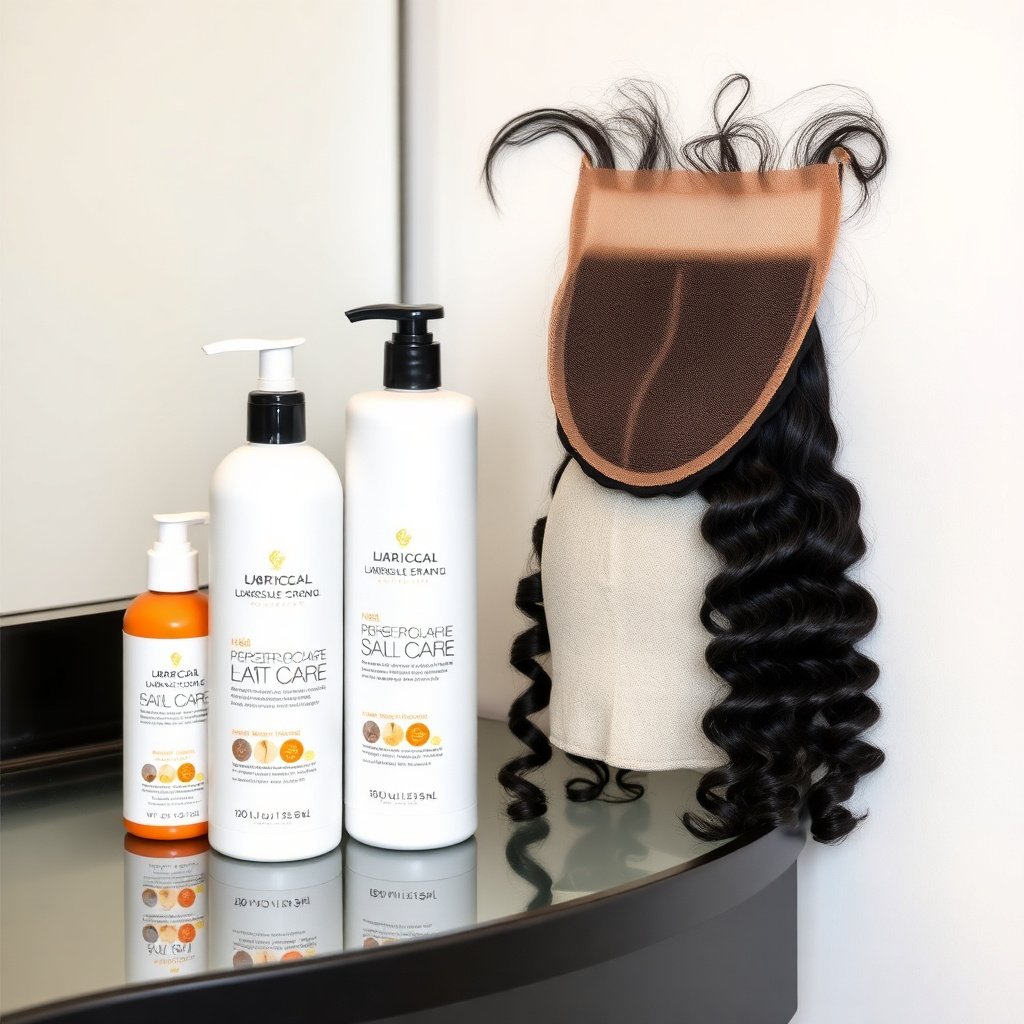
Caring for Your Closure
Maintaining a closure involves gentle washing, minimal heat styling, and regularly moisturizing the hair to reduce tangling and shedding. Avoid heavy adhesives that might damage the lace or your scalp.
Closures typically last between 6 to 12 months with proper care, depending on hair quality and installation method. Removing the closure gently prevents lace tears and preserves the hairpiece.
- Use sulfate-free shampoos
- Avoid heavy glues
- Store carefully when not worn
For more on this, see our related guide: What Is a Frontal Wig? Complete Guide to Understanding and Choosing One.
Frontal Hairpiece Care Tips
Frontals require more attentive maintenance due to their lace size and exposure. Regular cleansing to prevent buildup, careful handling when removing adhesives, and protecting hairline edges are key to prolonging frontal life.
High-quality frontals can last up to a year or more with dedicated care routines. Protect the lace from excessive rubbing and sun exposure to maintain invisibility and softness.
- Clean thoroughly but gently
- Avoid direct sun for prolonged periods
- Reapply adhesives carefully
Cost Factors and Buying Considerations
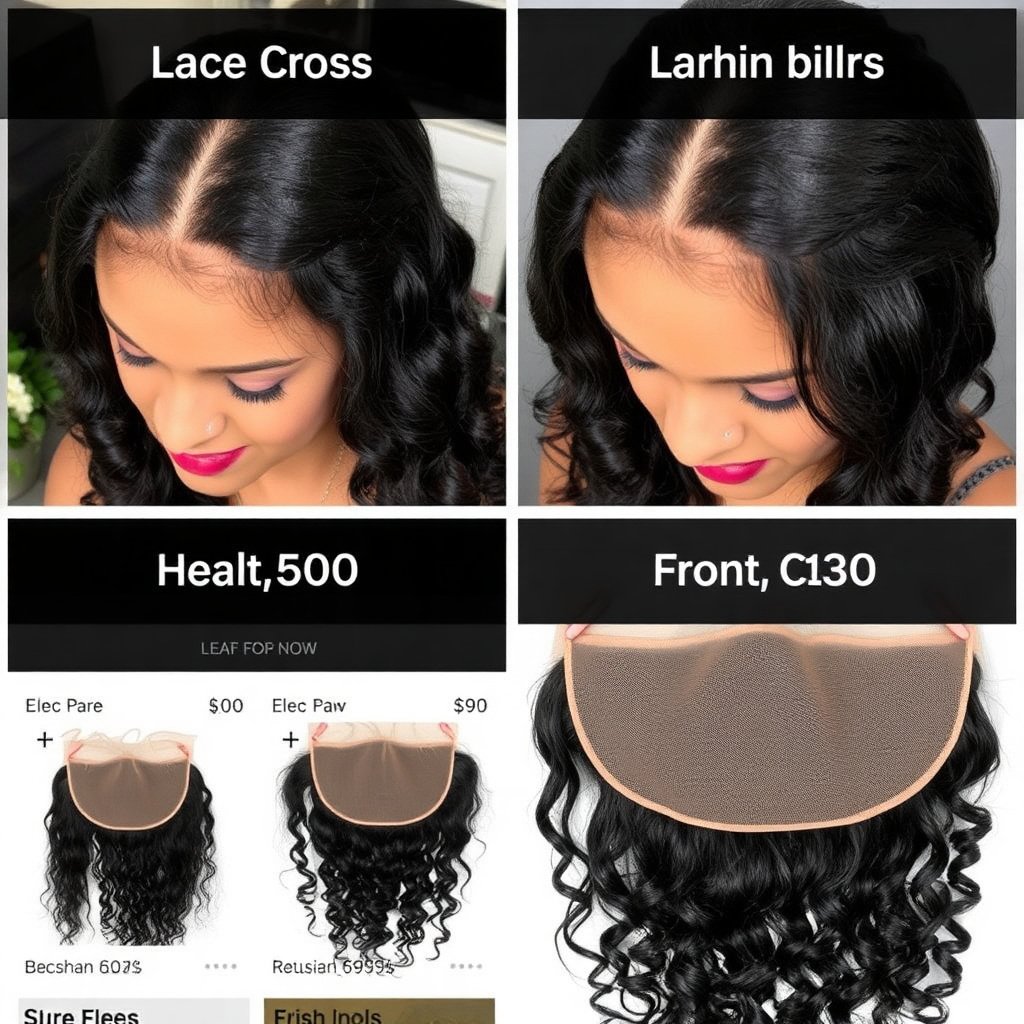
Price Differences Between Closures and Frontals
Closures generally cost less due to their smaller size and simpler construction. Depending on hair texture and origin, closures can range from $30 to $150 or more, making them accessible for many budgets.
Frontals, with larger lace and more hair coverage, usually start around $80 and can go beyond $300 for premium textures and lace types. The cost reflects the increased styling versatility and installation complexity.
For more on hairpieces and their construction, refer to this detailed explanation of lace closure and frontal hairpieces. Lace closure and frontal hairpieces.
Choosing Based on Your Hair Goals
Consider how you like to style your hair and the level of protection you need when choosing between closure vs frontal. Frontals suit those wanting full hairline styling options, while closures fit maintenance-friendly styles focusing on scalp coverage.
Budget, lifestyle, and desired durability should also guide your choice. Evaluate if a more affordable closure meets your needs or if investing in a frontal better supports your preferred hairstyles.
Closure vs Frontal Hairpieces: A Quick Comparison
This table highlights key differences in size, coverage, cost, durability, and styling versatility between closures and frontals.
| Feature | Closure | Frontal |
|---|---|---|
| Size | Typically 4×4 or 5×5 inches | Usually 13×4 or 13×6 inches |
| Coverage Area | Partial crown coverage | Full hairline from ear to ear |
| Styling Options | Limited parting spots | Wide parting & styles |
| Cost Range | $30 – $150+ | $80 – $300+ |
| Lace Visibility | Less lace to blend | More lace, needs careful blending |
| Durability | 6 – 12 months | Up to 12+ months with care |
Frequently Asked Questions
Can I wear a closure or frontal without a weave?
Closures and frontals are designed for protective styles often paired with weaves or braids. Wearing them alone requires careful installation to secure them and a good method to blend natural hair with the lace.
How do I choose between a closure and a frontal?
Choose based on desired hairstyle versatility and coverage. Closures provide natural-looking crown coverage; frontals offer full hairline coverage and allow for more styling flexibility.
Are frontals more damaging to natural hair than closures?
Frontals require more lace and adhesive use which can stress edges if not careful. Proper installation and maintenance help protect natural hair, making frontals safe with correct care.
Can I dye or heat style closures and frontals?
If made with human hair, both closures and frontals can be dyed and heat styled. Synthetic options have limited styling possibilities and can be damaged by heat.
How long does a closure or frontal usually last?
With proper care, closures typically last about 6 to 12 months, while frontals can last up to a year or more depending on quality and maintenance.
Key Takeaways
- Closures cover a small crown area with limited styling options.
- Frontals provide full hairline coverage and versatile parting.
- Material quality and lace type affect appearance and durability.
- Budget and styling goals are central to choosing closure vs frontal.
Conclusion
Deciding between a closure vs frontal depends largely on your styling preferences, budget, and hair protection needs. Closures offer a more compact, simple solution focused on crown coverage and easier installation, ideal for natural-looking protective styles with limited parting. Frontals provide broader coverage that replicates a natural hairline and allows more adventurous styling like side parts, ponytails, and updos. Both have their place in protective styling and can be tailored to your hair type and routine. Recognizing these differences helps you make a confident choice that complements your look and maintenance habits.
If you prefer a low-maintenance style that mimics natural scalp appearance with fewer parting options, a closure is probably the better fit. For those wanting full front hairline coverage with the freedom to part and style the hair in multiple ways, a frontal is worth the higher investment. High-quality lace and human hair textures improve the look and longevity in both cases. Those new to lace installations might find closures easier to manage, while experienced stylists and wearers often benefit from the versatility frontals offer.
Once you've identified your goals and budget, seek reputable sources that provide authentic human hair and quality lace. Careful installation and regular maintenance will extend the life of your closure or frontal. Whether you select a closure or frontal, these hairpieces can dramatically change your hairstyle, empowering you to express your personal style with confidence and protect your natural hair underneath.