What Is a Frontal Wig? Complete Guide to Understanding and Choosing One
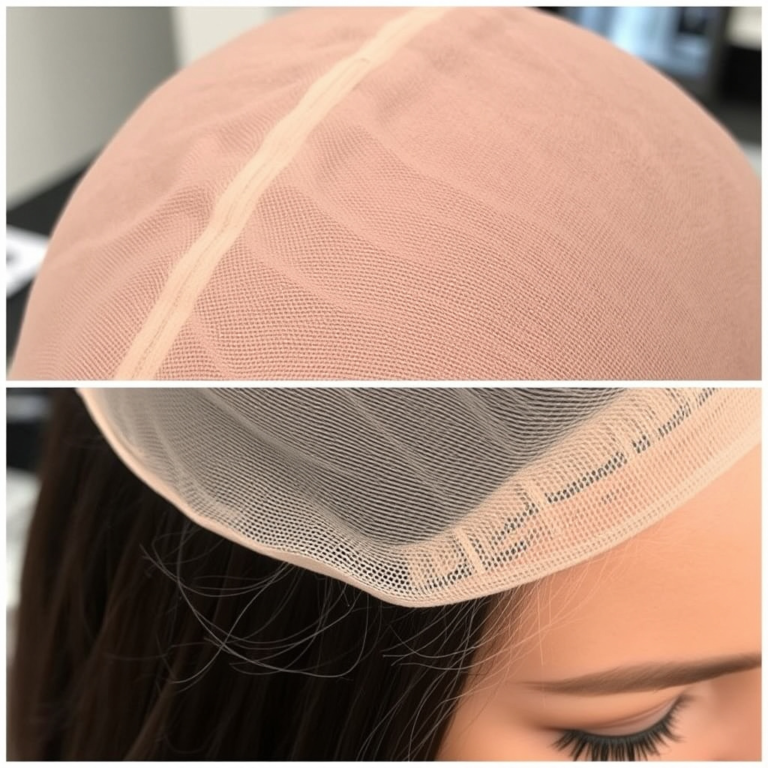
A frontal wig is a type of wig that features a lace panel across the front, designed to replicate a natural hairline. This lace front allows the wearer to style the hair away from the face in various ways, creating a more realistic appearance compared to traditional wigs. The lace typically covers the forehead area, providing a seamless transition between the wig and skin.
This style of wig has gained popularity because it offers enhanced styling flexibility and a more natural look. Unlike full lace wigs, frontal wigs provide coverage only at the front, often making them more affordable and easier to maintain. They allow users to part their hair freely along the front hairline, which is crucial for anyone seeking authenticity in their wig choice.
In this guide, we'll explore what makes frontal wigs unique, how they compare to other wig types, the materials involved, tips for installation and maintenance, styling options, and key factors to keep in mind when selecting the right wig for your needs.
Understanding the Structure of a Frontal Wig
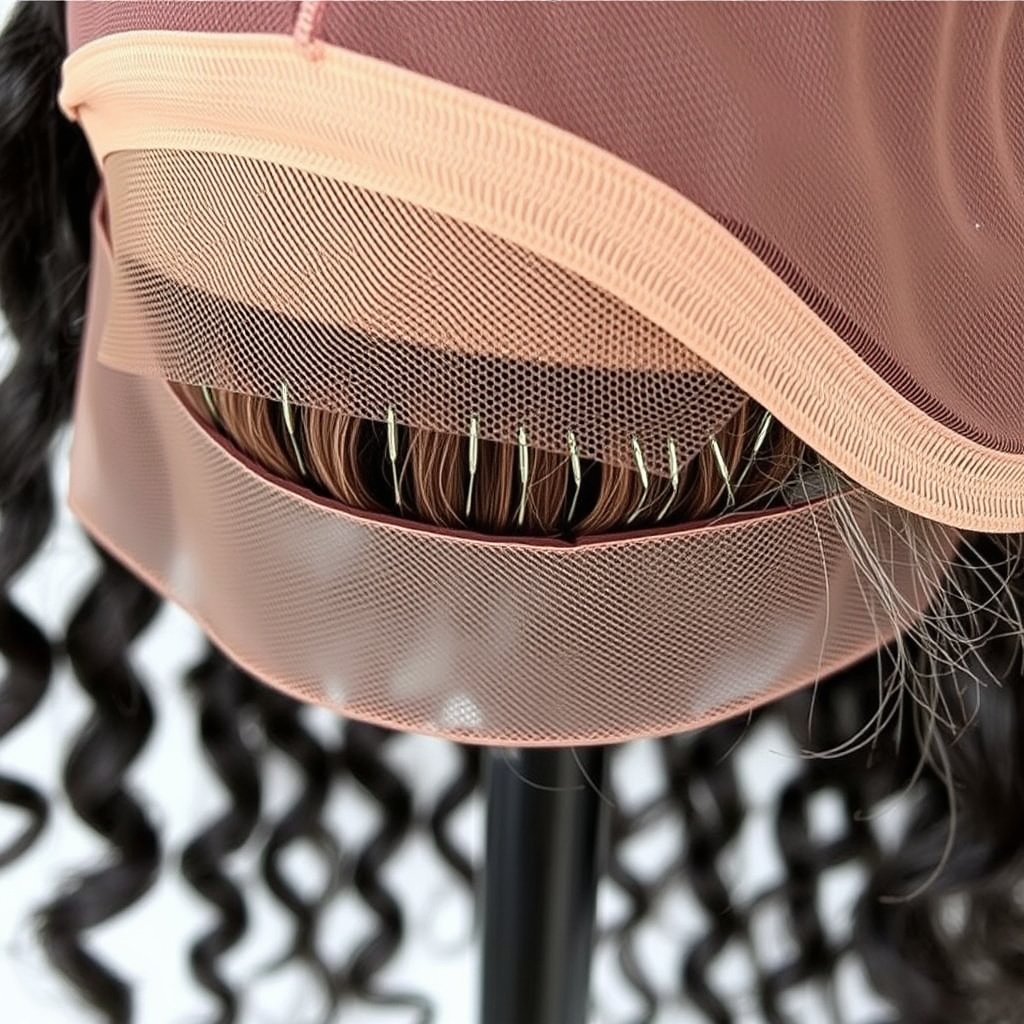
What Makes a Frontal Wig Unique
A frontal wig features a lace strip, usually 4 to 13 inches wide, that extends from ear to ear across the forehead. This lace mimics the scalp and hairline, allowing hair to be styled naturally away from the face.
The rest of the wig base is typically constructed from sturdier materials, offering durability and easier maintenance. This combination balances natural appearance and practical wear.
Materials Used in Frontal Wigs
The lace front is often made from Swiss or French lace, which are thin and breathable to blend seamlessly with the skin. The hair strands can be synthetic fibers or human hair, each with distinct care requirements and appearance.
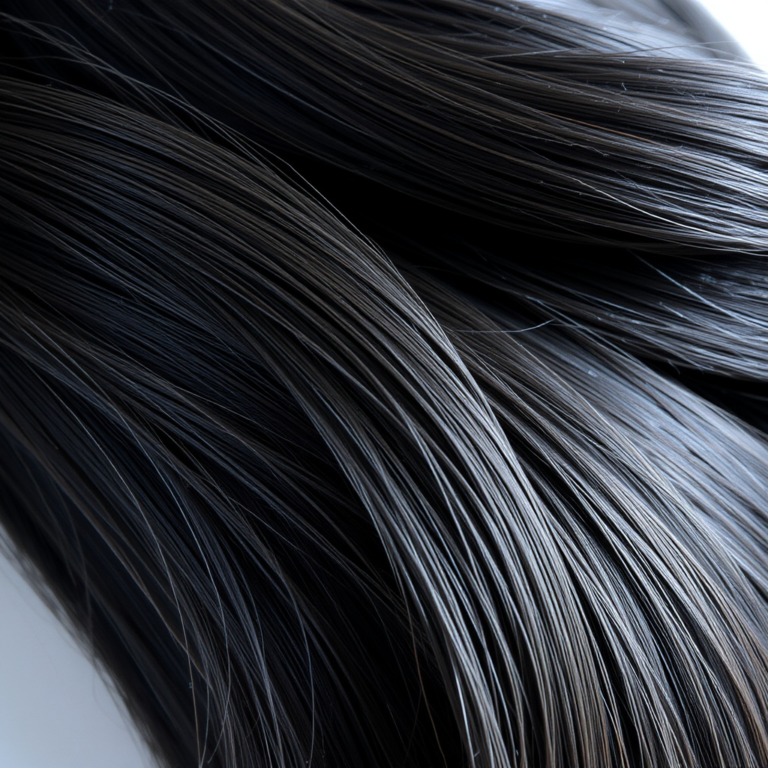
Human hair frontal wigs tend to offer the most natural look and allow for heat styling, while synthetic options are more budget-friendly but less flexible for restyling.
- Swiss lace: soft, natural look
- French lace: durable and breathable
- Human hair vs. synthetic fibers
Installation Techniques for a Frontal Wig
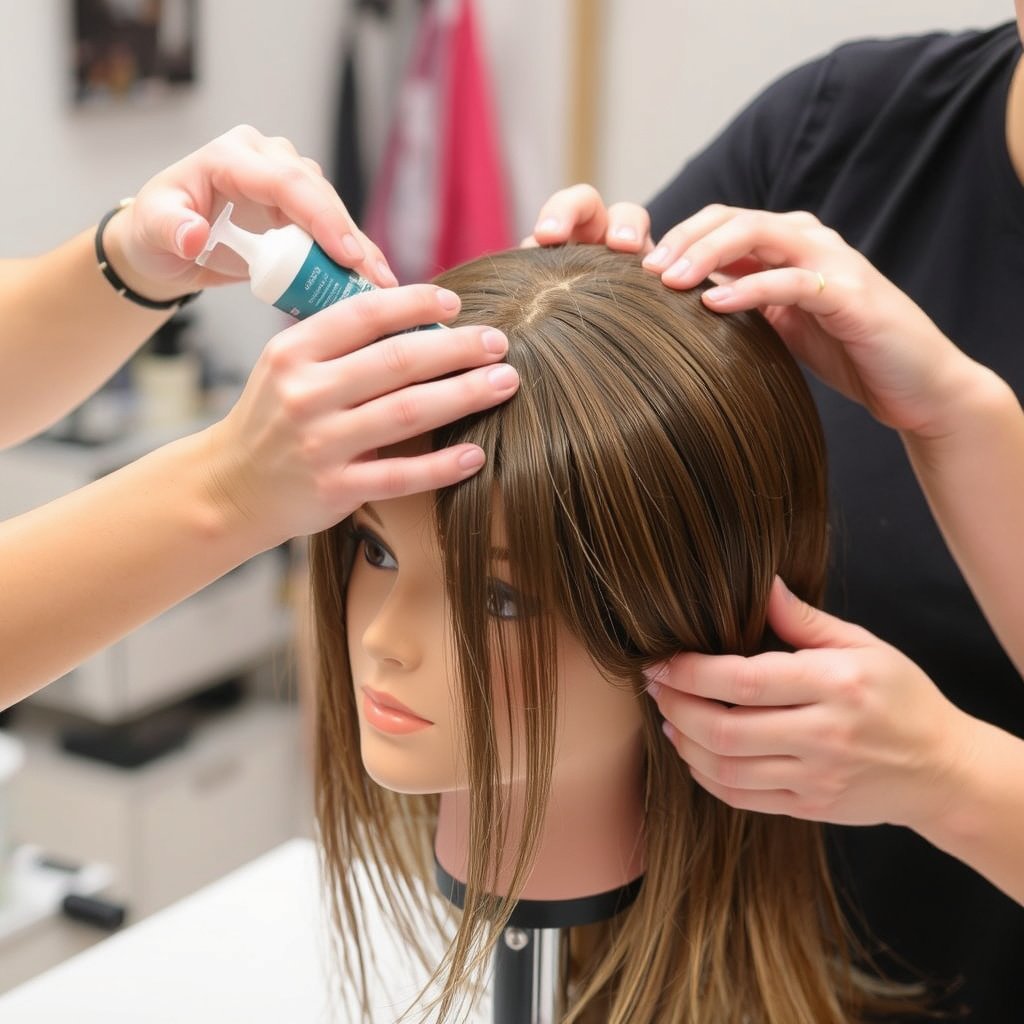
Using Adhesives and Tapes
Adhesive glue and wig tapes provide strong hold along the hairline. These materials must be applied carefully to avoid skin irritation and to maintain the lace’s transparent appearance.
Applying the adhesive properly involves prepping the skin, allowing the glue to become tacky before setting the lace, and sealing the edges to secure the wig firmly.
- Prep skin with alcohol wipes
- Apply adhesive evenly
- Wait for tackiness before placement
Glue-Free and Alternative Methods
For sensitive skin or short-term wear, wig caps and adjustable straps can secure frontal wigs without adhesive. These methods provide comfort but might not offer the same seamless finish.
Some also use wig clips sewn into the cap for extra grip, improving stability while maintaining scalp health.
- Wig caps for base support
- Adjustable straps for fit
- Sewn-in wig clips
Styling Options with a Frontal Wig
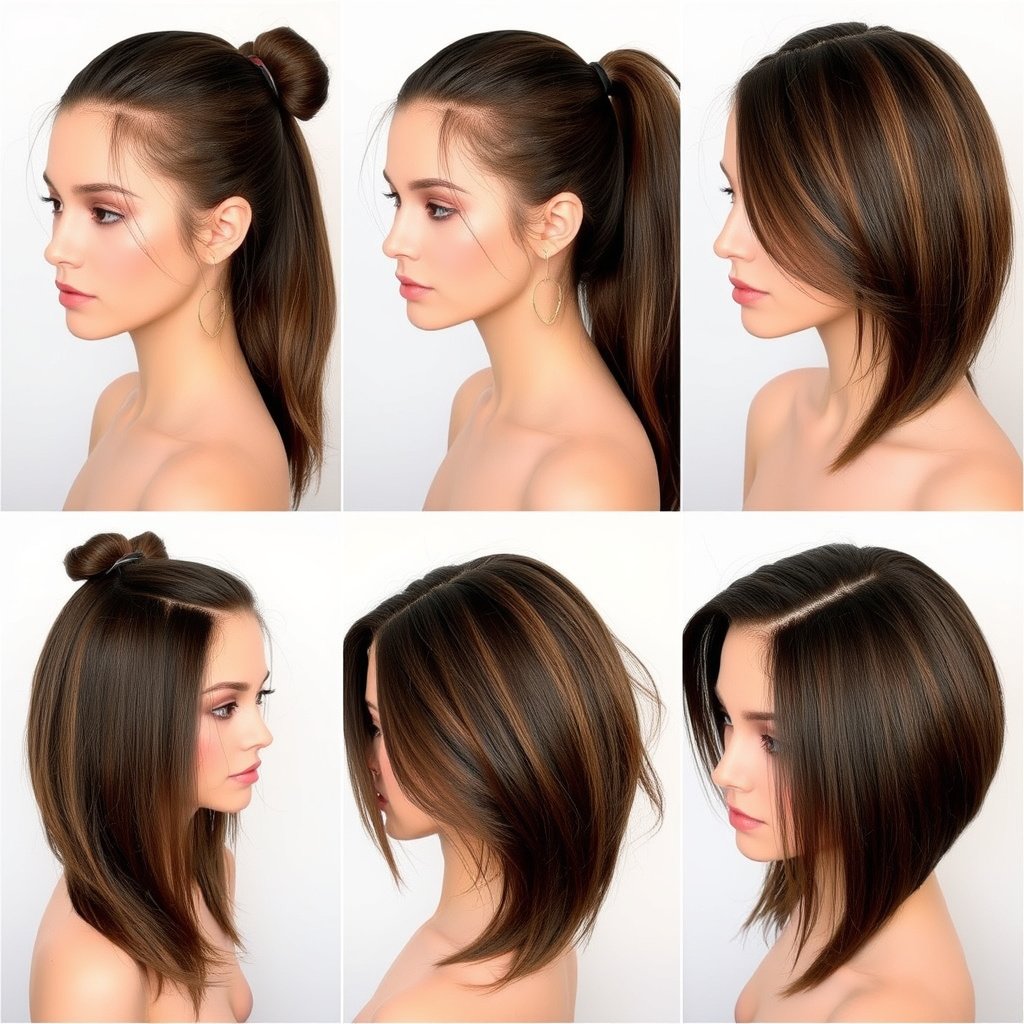
Parting and Baby Hairs
Frontal wigs allow free parting along the hairline, letting wearers choose center, side, or no part styles. This flexibility enhances the wig's natural look.
Many frontal wigs include baby hairs—the short, fine hairs along the edge—that can be trimmed and styled to mimic a realistic hairline further.
- Customizable parting
- Styling baby hairs
- Enhancing natural appearance
For more on this, see our related guide: What Is a Closure Wig? Understanding This Popular Wig Style.
Heat Styling and Maintenance
Human hair frontal wigs can be curled, straightened, and heat-styled similarly to natural hair. Synthetic wigs, however, often have temperature limits and require special heat-resistant fibers.
Routine washing, conditioning, and careful handling extend the life of your frontal wig and keep it looking fresh.
- Heat tools for human hair
- Care for synthetic fibers
- Regular washing and conditioning
Comparing Frontal Wigs to Other Wig Types
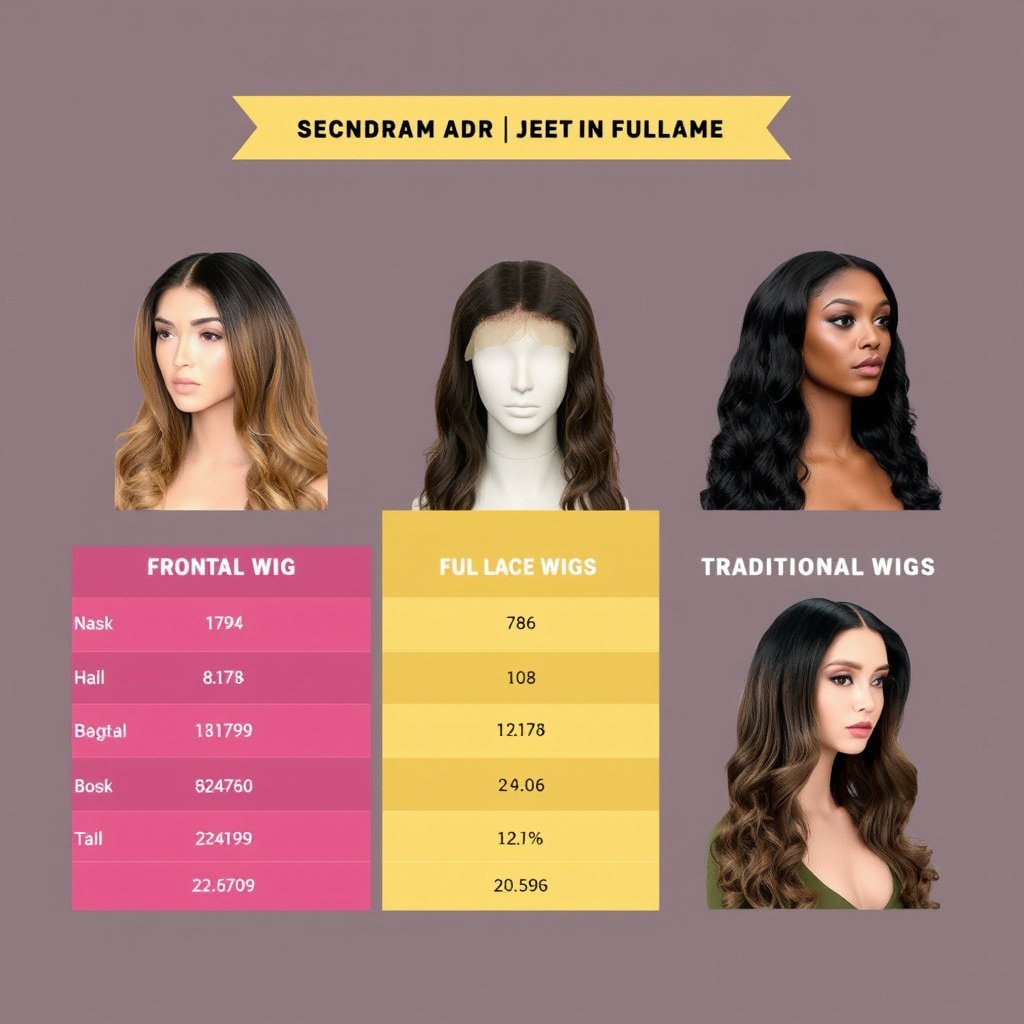
Frontal vs. Full Lace Wigs
Full lace wigs have a lace base covering the entire scalp, offering complete versatility in parting and styling, including updos and ponytails. They are generally more expensive and delicate.
Frontal wigs cover only the front hairline, simplifying installation and reducing cost while still enabling frontal styling freedom.
Frontal Wigs Compared to Traditional Wigs
Traditional wigs often feature a solid or mesh cap without a lace front, limiting natural hairline visibility and styling options.
Frontal wigs excel in visual realism and allow for more natural hair movement at the forehead.
Choosing the Right Frontal Wig for Your Needs
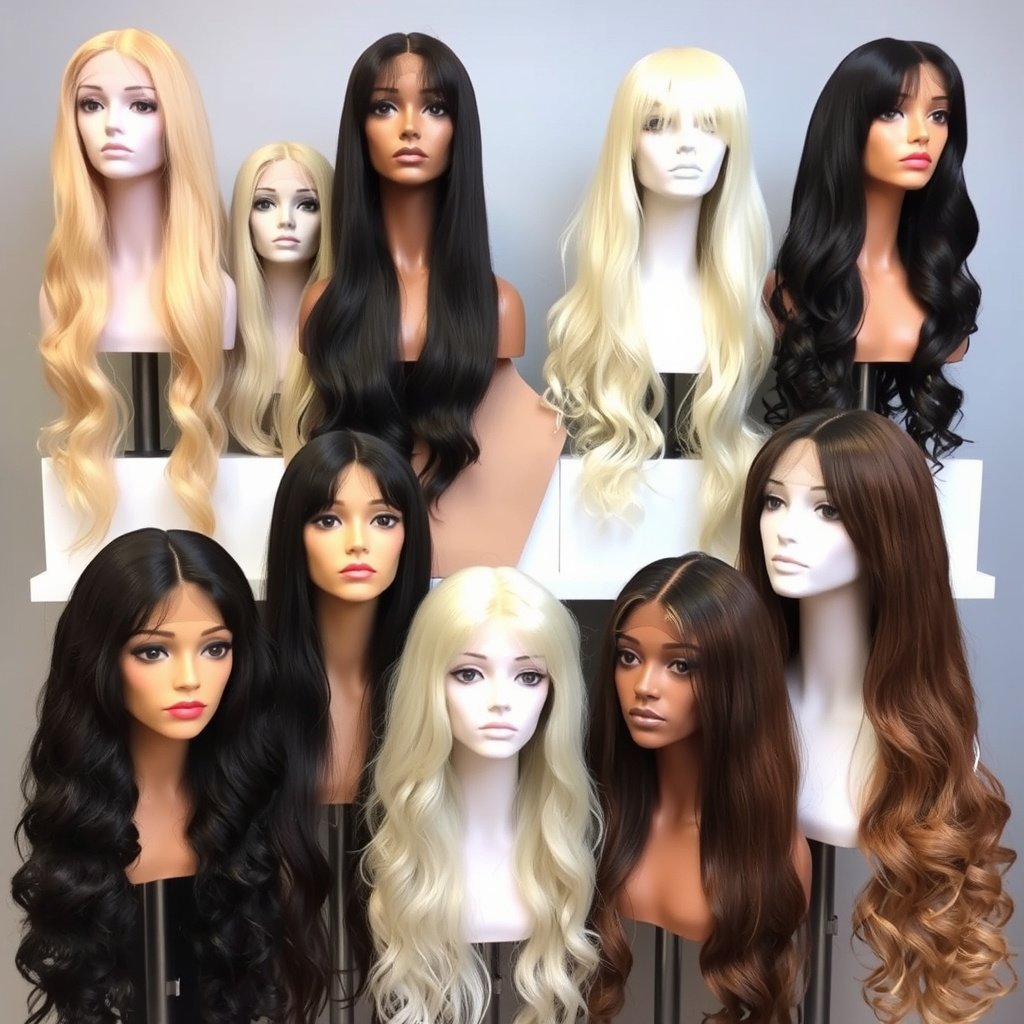
Considering Hair Type and Color
Selecting human hair or synthetic depends on lifestyle and styling demands—human hair offers realism and styling flexibility, while synthetic is cost-effective and low-maintenance.
Color choices should complement your complexion and style preferences, with options ranging from natural shades to vibrant colors.
- Human hair offers realism
- Synthetic is budget-friendly
- Color matching tips
For more on this, see our related guide: How to Install a Glueless Wig: A Step-by-Step Guide for a Secure Fit.
Determining Size and Cap Construction
Properly fitting the wig cap is key to comfort and undetectability. Fringe length on the lace impacts styling choices, and cap construction affects breathability.
Many manufacturers offer adjustable caps, and the cap’s materials can influence how natural the wig feels throughout the day.
- Adjustable cap sizes
- Cap material options
- Fringe lace width considerations
Maintaining and Caring for Your Frontal Wig
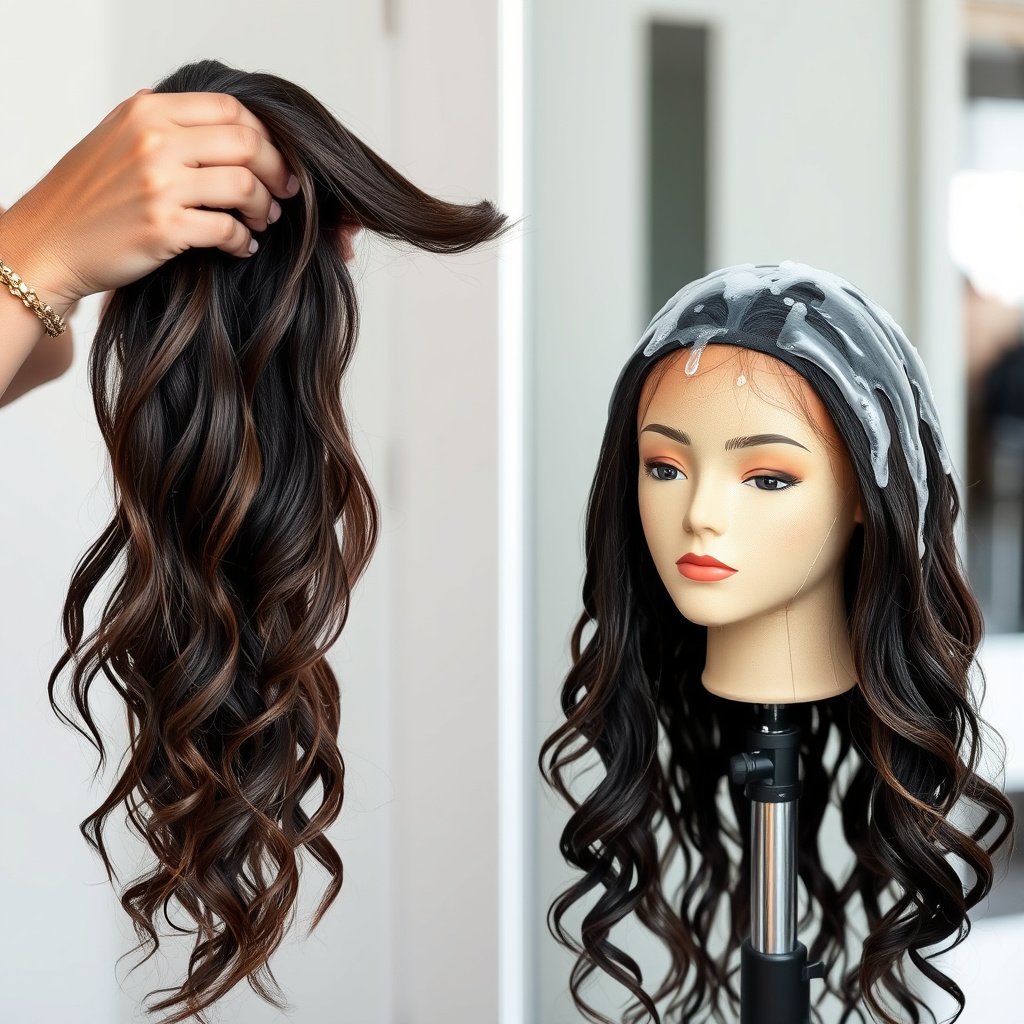
Cleaning Techniques
Washing frequency depends on usage, but gentle shampooing and conditioning help remove buildup while preserving hair integrity.
Avoid harsh chemicals or rough handling that may damage the lace or loosens hair knots.
- Use wig-specific shampoo
- Wash in lukewarm water
- Pat dry—avoid wringing
For more detailed background on frontal wigs and related types, see the Frontal wig information on Wikipedia. Frontal wig information on Wikipedia.
Storage and Longevity Tips
Store frontal wigs on stands or mannequins to maintain shape and prevent tangling. Protect them from excess heat and sunlight.
Routine maintenance can extend the wig’s lifespan from months to over a year depending on quality and usage.
- Use wig stand for storage
- Keep away from heat sources
- Brush gently with wide-tooth comb
Frontal Wig Category Comparison
This table compares popular frontal wig categories based on materials, cost, styling flexibility, and durability.
| Category | Material | Cost Range | Styling Flexibility | Durability |
|---|---|---|---|---|
| Human Hair Frontal Wig | 100% Human Hair | $150 – $600 | High – Heat styling allowed | 1 to 2 years |
| Synthetic Frontal Wig | Heat-resistant Synthetic Fiber | $50 – $200 | Moderate – Limited heat styling | 6 to 12 months |
| Swiss Lace Frontal | Swiss Lace + Human Hair | $200 – $700 | High – Natural look | Up to 2 years |
| French Lace Frontal | French Lace + Synthetic Hair | $80 – $250 | Moderate – Durable lace | 6 to 12 months |
| Premium Full Lace Wig | Human Hair with Full Lace | $300 – $1000 | Very High – Full styling options | 1 to 3 years |
Frequently Asked Questions
How long does a frontal wig typically last?
The lifespan depends on material and care; human hair frontal wigs usually last 1-2 years with proper maintenance, while synthetic versions last around 6-12 months.
Can I swim with a frontal wig on?
It’s not recommended to swim with any wig, including frontal wigs, as water can damage the lace and affect the hair’s texture and attachment.
How do I make the lace front look more natural?
Trimming baby hairs, using foundation or powder matching your skin tone on the lace, and properly securing the lace with adhesive or tape improve natural appearance.
Are frontal wigs suitable for beginners?
Frontal wigs offer easier installation compared to full lace but still require some practice with adhesives and styling. Many beginners find frontal wigs a good balance of usability and natural look.
What’s the difference between a lace front wig and a frontal wig?
Though sometimes used interchangeably, a lace front wig refers broadly to wigs with lace along the front part, while a frontal wig specifically has a lace panel extending ear to ear, offering more styling versatility.
Key Takeaways
- Frontal wigs feature a lace front panel creating a natural hairline.
- They offer styling flexibility and affordability compared to full lace wigs.
- Human hair frontals allow heat styling; synthetic ones are budget-friendly.
- Proper installation and care extend wig longevity and realism.
Conclusion
Choosing a frontal wig involves balancing appearance, comfort, and maintenance. Its defining lace front provides a natural hairline and allows versatile styling, making it an ideal choice for many seeking a realistic wig without the complexity or cost of a full lace wig. By understanding your personal styling needs and considering lace and hair material options, you can select a frontal wig that fits your lifestyle beautifully.
For those who style their hair regularly or prefer heat tools and customization, a human hair frontal wig delivers the most natural look and versatility. Meanwhile, synthetic frontal wigs present an economical option for casual wear or those new to wig-wearing. Considering lace type—Swiss for softness or French for durability—can also impact comfort and performance. Depending on your priorities, this guide’s comparison can help determine which category best suits you.
Before making your purchase, try on various sizes and colors to find a comfortable, flattering fit. Learning basic adhesive techniques or exploring glue-free options can enhance your experience. Ultimately, investing in a quality frontal wig paired with proper care ensures a seamless natural appearance and confidence. Next steps include shopping trusted retailers and seeking professional installation if desired to enjoy your new look with ease.