
How to Install a Glueless Wig: A Step-by-Step Guide for a Secure Fit
Installing a glueless wig involves preparing your natural hair, adjusting the wig’s straps for a snug fit, and securing it using clips or combs sewn inside the wig cap, all without any glue or adhesive. This method provides a quick, safe, and reusable way to wear wigs without damaging your hair or scalp.
Choosing a glueless wig installation method is popular because it simplifies styling, reduces potential allergic reactions from adhesives, and makes daily wear more comfortable. With practice, you can achieve a natural appearance that stays in place whether you’re at work, exercising, or going out.
This article covers the essential steps from prepping your hair, securing the wig, styling tips, maintenance advice, and how to pick the best glueless wig for your needs. Whether you’re new to wigs or seeking a safer alternative to glue, this guide will help you master the installation process.
Preparing Your Hair for a Glueless Wig Installation
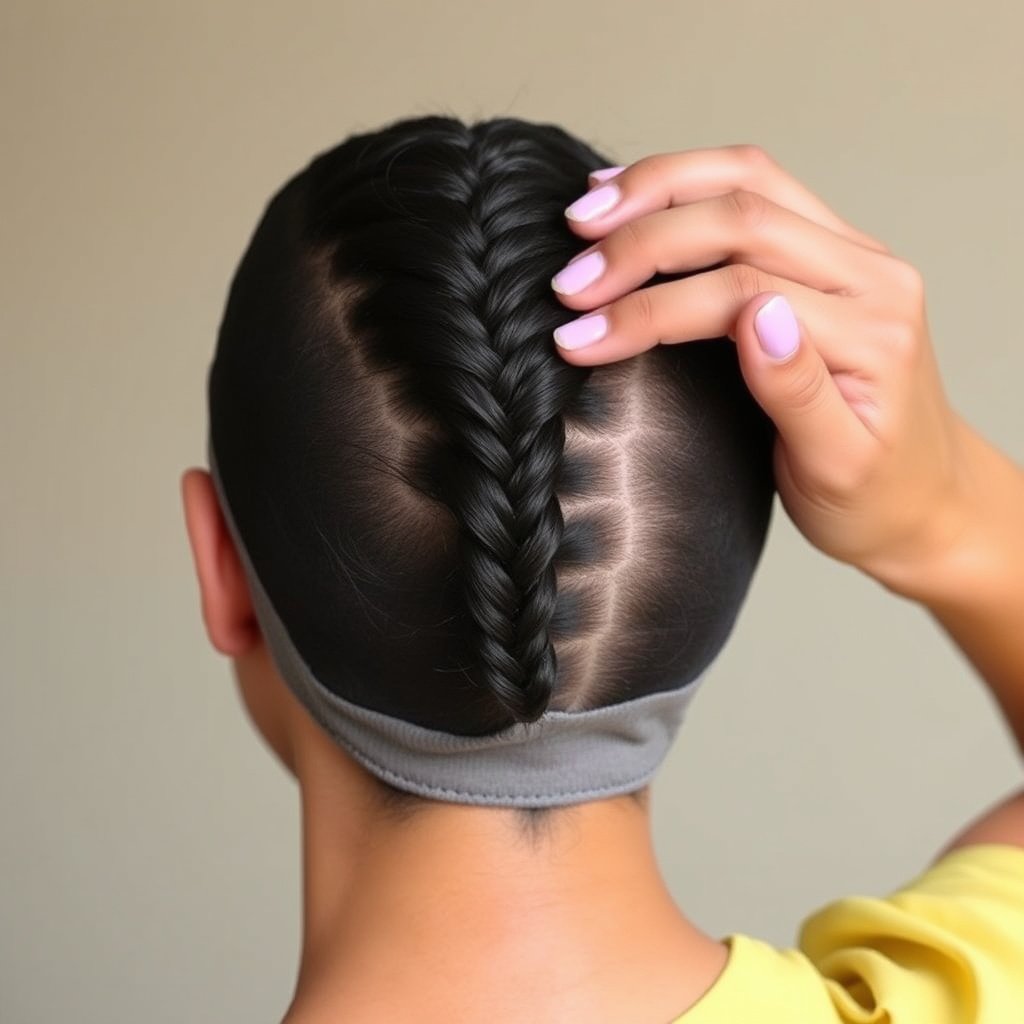
Braiding and Flattening Your Natural Hair
Start by braiding your natural hair into cornrows or flat braids. This helps to keep the hair smooth and prevents bumps when the wig is worn. If your hair is short, slicking it back with gel or using a wig cap to compress the hair can also work.
Braiding minimizes bulk, allowing the wig to lay flatter and look more natural. Choose braid styles that are comfortable and maintain a flat base so the wig sits evenly without gaps or lumps.
- Use small, tight braids for a flatter base
- Avoid excessive tension to prevent scalp discomfort
- Consider moisturizing scalp before braiding
Using a Wig Cap for Additional Security
A wig cap helps to hold your hair in place and creates a smooth surface for the wig. It also acts as a barrier between your natural hair and the wig, reducing friction and protecting hair strands.
Choose a cap color close to your skin tone or the wig’s base to enhance the natural look. Make sure it’s snug but not too tight to avoid headaches or scalp irritation during wear.
- Select breathable materials like nylon or mesh
- Stretch cap evenly across your scalp
- Ensure hairline and edges are neatly tucked under
Adjusting and Securing the Glueless Wig
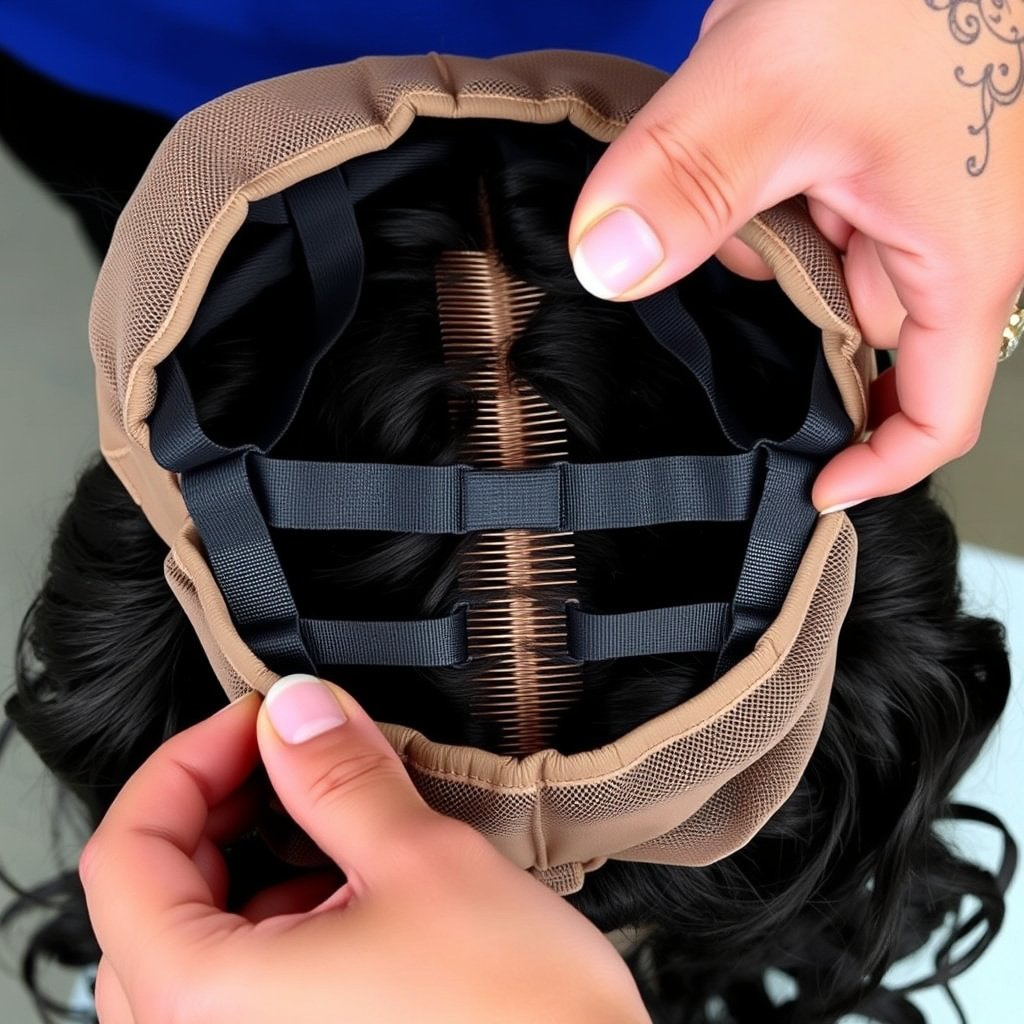
Using Adjustable Straps and Combs
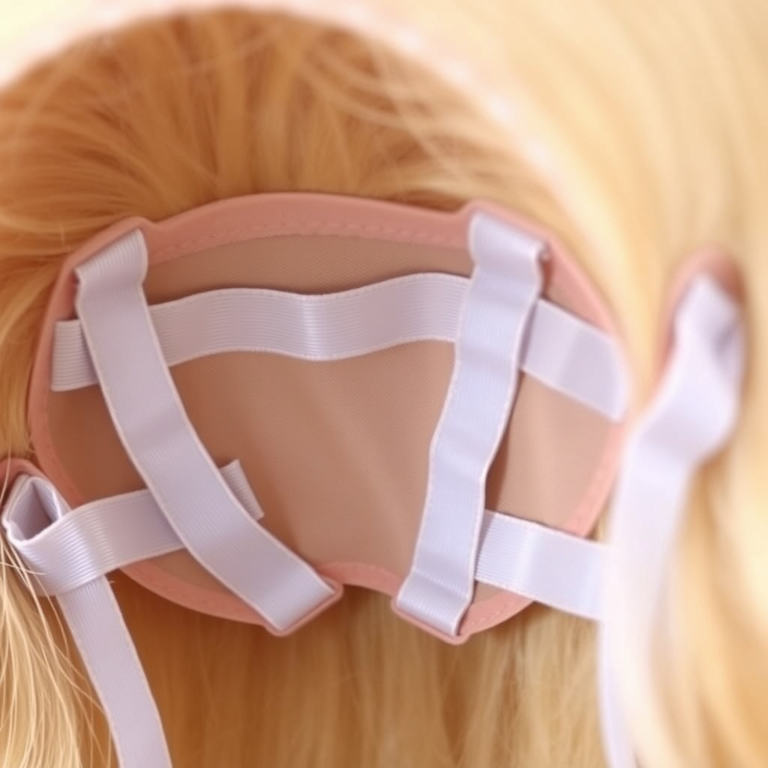
Most glueless wigs come with adjustable straps at the nape. Adjust these straps to suit the circumference of your head to get a tight, comfortable fit. Internal combs located near the temples and crown can anchor the wig to your natural hair or wig cap.
Start by loosening the straps before placing the wig on your head. Once in place, tighten them gradually, and push the combs into your hair or wig cap to hold the wig firmly. This creates a stable base without adhesive.
- Secure combs under braids for extra grip
- Tighten straps evenly on both sides
- Avoid over-tightening to prevent discomfort
Positioning the Lace Front for a Natural Hairline
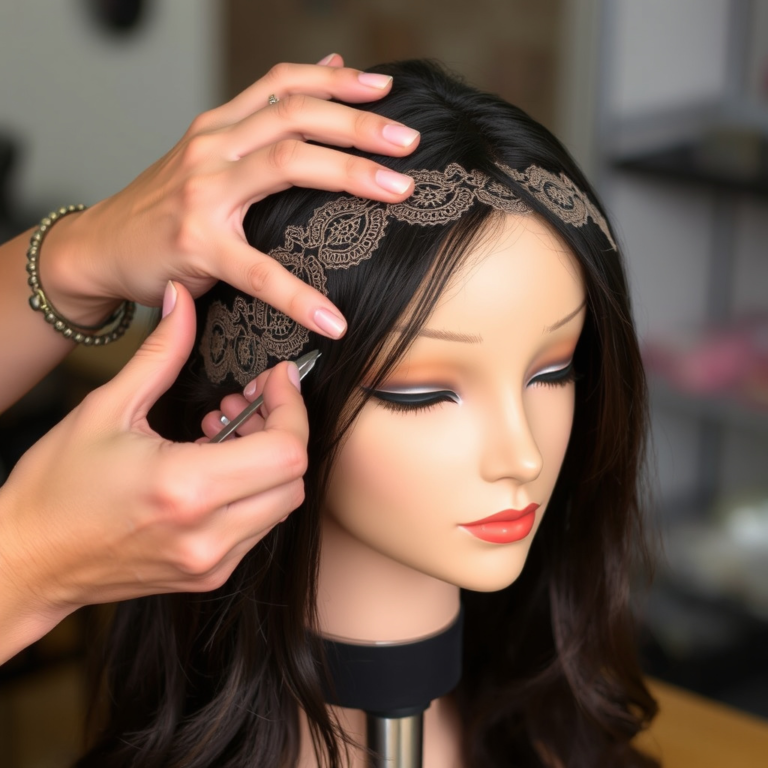
Line up the wig’s lace front with your natural hairline for the most realistic appearance. Gently press down the lace after placement, smoothing it onto your skin or wig cap to blend seamlessly without visible edges.
Use a fine-tooth comb or your fingers to adjust baby hairs along the lace for a soft transition. Some wearers trim excess lace carefully to fit their face shape better, always cutting a little at a time to avoid mistakes.
- Trim lace with small, sharp scissors
- Use edge control gels to style baby hairs
- Avoid stretching the lace when adjusting
Styling Tips for Glueless Wigs
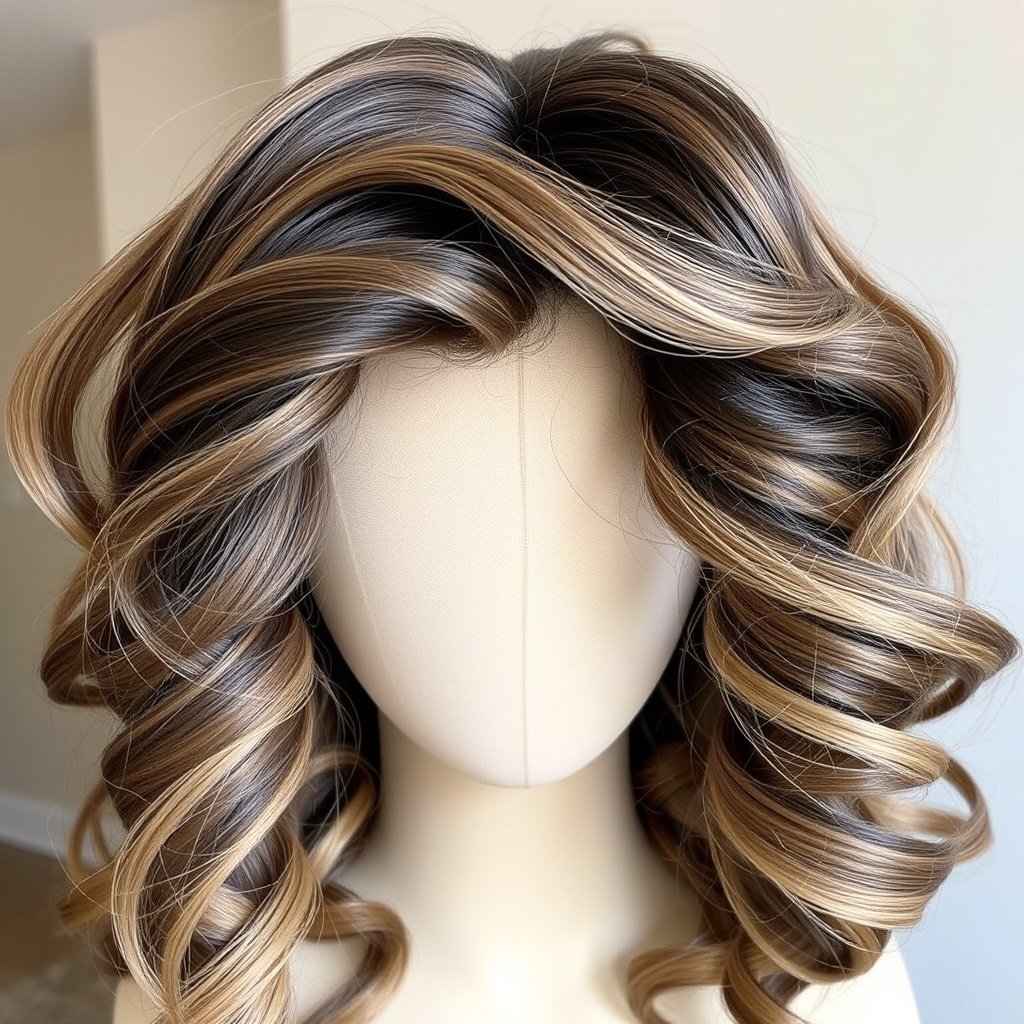
Customizing Your Wig’s Look
After securing your wig, customize its style by heat styling, cutting, or adding accessories. Most glueless wigs are made with synthetic fibers or human hair that can withstand some heat but always check care instructions.
Adding baby hairs or gently plucking some frontal lace hairs can enhance naturalness. Experiment with parting styles to find the best look that suits your face and personal style.
- Use low heat settings on styling tools
- Avoid heavy products that weigh down fibers
- Secure with clips or pins when needed
Maintaining Hair Volume and Shape
To keep your wig looking full and styled, use wig stands or mannequins to maintain shape when not worn. Lightly teasing or finger-combing synthetic wigs can restore volume. For human hair wigs, regular washing and conditioning help maintain softness and manageability.
Daily gentle care prevents tangling and extends your wig’s life, keeping it looking fresh and natural for longer periods between washes and restyling.
- Brush gently with wig-specific brushes
- Store away from direct sunlight
- Avoid sleeping in the wig to reduce matting
Maintaining and Cleaning Your Glueless Wig
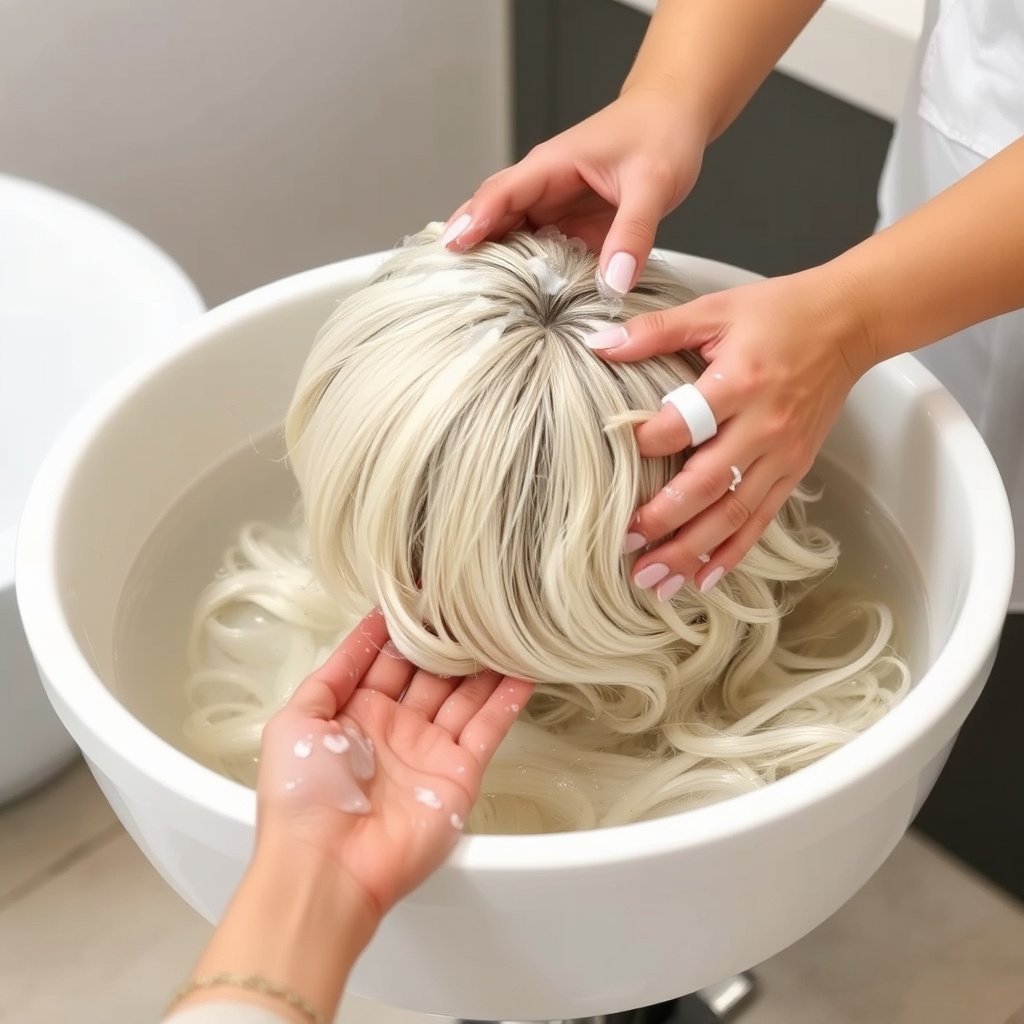
Cleaning Frequency and Techniques
Clean your glueless wig every 7-14 wears or when product buildup becomes obvious. Use mild wig shampoo and lukewarm water to avoid damaging fibers. Gently swirl the wig without rubbing or twisting to minimize shedding.
Rinse thoroughly to remove shampoo and conditioner residues, then pat dry with a towel. Avoid wringing the wig; instead, let it air dry on a wig stand for best shape retention.
- Use sulfate-free, gentle shampoos
- Condition regularly to keep fibers soft
- Avoid heated drying methods
Storing Your Wig Safely
Storing your wig properly prevents tangling, dust accumulation, and shape deformation. Keep it on a wig stand, mannequin head, or in a breathable satin bag when not in use. Avoid placing it in tight spaces where it could get crushed.
For long-term storage, clean the wig first and ensure it’s completely dry to avoid mildew or odor buildup. Regularly inspect for damage and make repairs promptly to prolong your wig’s lifespan.
- Choose a cool, dry storage location
- Cover wig from dust with a cloth or bag
- Check clasps and straps periodically
Choosing the Best Glueless Wig for Your Needs
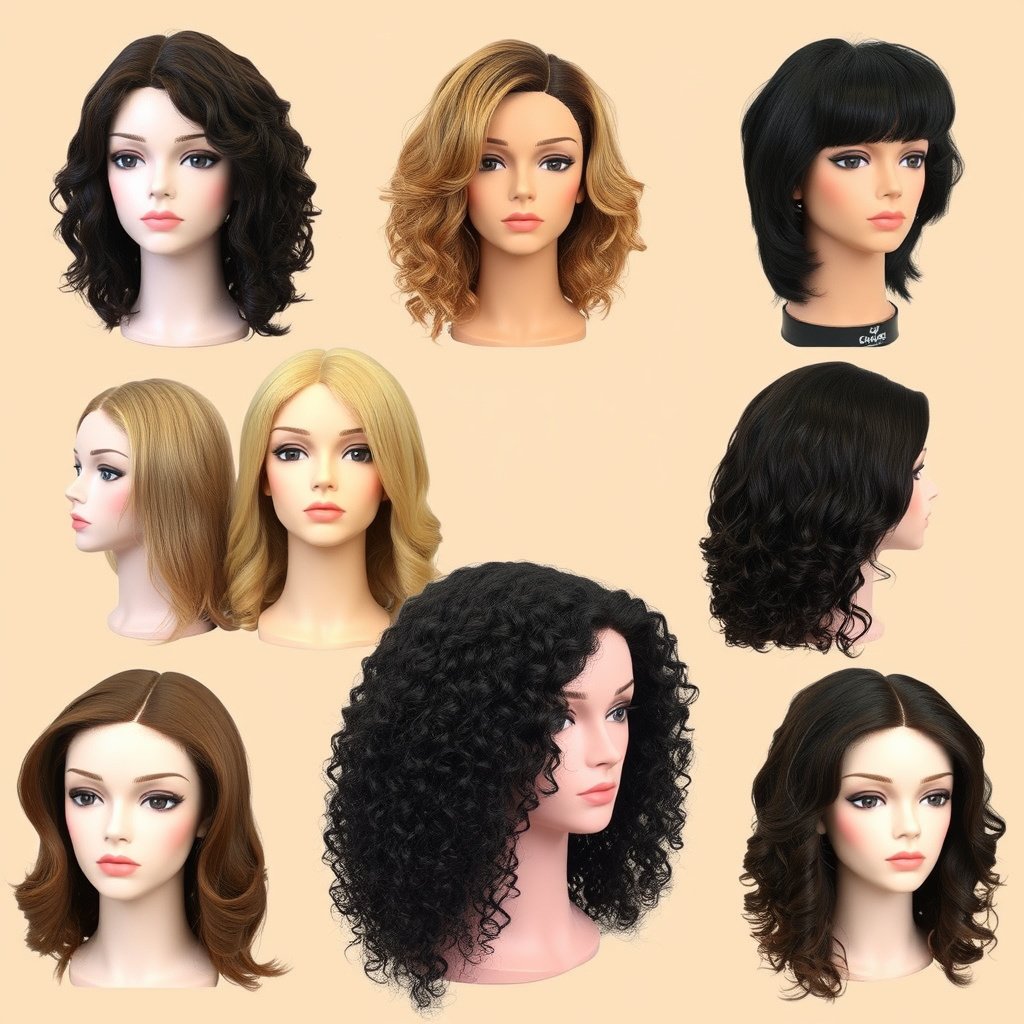
Different Types of Glueless Wigs
Glueless wigs come in multiple types including lace front, full lace, and 360 lace wigs. Lace front wigs offer a natural hairline while full lace wigs provide versatility in styling. 360 lace wigs have lace around the perimeter allowing for updos and ponytails without glue.
Each type varies in cost and application complexity. Beginner-friendly glueless wigs often come with adjustable straps and secure combs for ease of use while maintaining a natural appearance.
- Lace front: natural hairline, less parting versatility
- Full lace: highest styling flexibility
- 360 lace: good for ponytails and styles up
For more general information about wig types and uses, see this detailed overview of wig technology and history. glueless wig installation techniques.
Material and Hair Texture Options
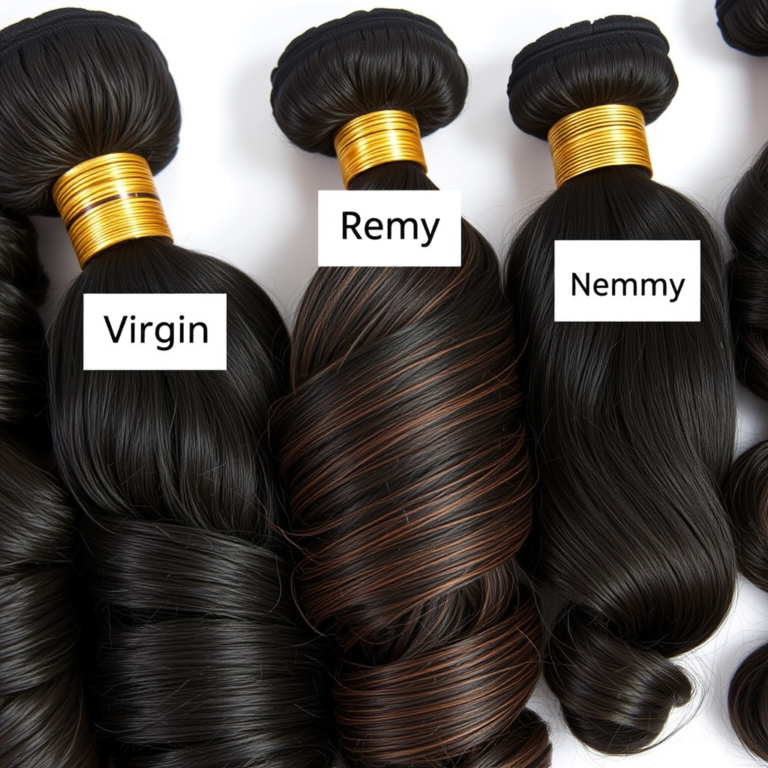
Choose between synthetic and human hair glueless wigs based on your budget, styling preferences, and maintenance willingness. Human hair offers styling versatility and longevity but requires more care; synthetic wigs are easier to maintain and often more affordable.
Hair textures range from straight and wavy to curly and kinky, so select a texture that blends well with your natural hair or desired look. Some wigs come pre-styled, saving time on daily maintenance.
- Synthetic: low maintenance, less heat resistant
- Human hair: natural look, higher care needs
- Match hair density for authentic volume
Glueless Wig Types Comparison
Here’s a side-by-side comparison of popular glueless wig categories to help you decide which type suits your needs best.
| Type | Styling Flexibility | Cost | Maintenance Level | Best For |
|---|---|---|---|---|
| Lace Front | Moderate | $$ | Medium | Natural hairline, daily wear |
| Full Lace | High | $$$ | High | Versatile styling, heat-friendly |
| 360 Lace | High | $$$ | High | Updos and ponytails without glue |
| Synthetic Glueless | Low to Moderate | $ | Low | Budget-friendly, easy care |
| Human Hair Glueless | High | $$$ | High | Long-term use, natural feel |
Frequently Asked Questions
Can I install a glueless wig without braiding my hair?
Yes, you can install a glueless wig without braiding by using a wig cap to flatten and secure your hair, especially if your hair is short or very fine.
How long does a glueless wig typically stay secure?
A well-fitted glueless wig can stay secure all day, lasting 8 to 12 hours, depending on activity level and how well the straps and combs are adjusted.
Is it safe to wear a glueless wig every day?
Wearing a glueless wig daily is generally safe as it avoids adhesives that can irritate the scalp, but it’s important to maintain scalp hygiene and give your natural hair breaks regularly.
Can I swim or exercise while wearing a glueless wig?
You can swim or exercise with some glueless wigs if they have secure straps and combs, but it’s best to avoid water exposure for synthetic wigs to prevent damage.
How do I remove a glueless wig without damaging my hair?
Gently lift the combs out first, then loosen the straps and slowly lift the wig off your head, avoiding any pulling or tugging on your natural hair or scalp.
Key Takeaways
- Glueless wigs use adjustable straps and combs for a secure fit without adhesives
- Preparing hair with braids or wig caps ensures a smooth base
- Styling and maintenance depend on wig type and material
- Choosing the right wig involves balancing flexibility, cost, and care needs
Conclusion
Choosing the right approach to install a glueless wig starts with knowing your hair type, lifestyle, and styling preferences. The step-by-step installation process—from prepping your natural hair to securing the wig with built-in straps and combs—ensures comfort and a natural appearance without the need for glue. Maintaining your wig and scalp health prevents damage over time and prolongs the life of your wig, making it a practical choice for many users.
For beginners or those wanting low-maintenance options, lace front glueless wigs offer a mix of natural hairline effects and manageable styling. If you desire more styling versatility like updos and ponytails, a 360 lace wig is ideal. Synthetic glueless wigs serve those on a budget or looking for easy daily wear, while human hair wigs meet the demands of styling versatility and longevity. Understanding these categories aids in selecting the best glueless wigs for beginners or experienced wig wearers alike.
Once you've decided on your wig type and completed the installation steps, practice wearing the wig for short periods to grow comfortable with fitting and styling. Experiment with accessories and baby hairs to enhance the natural look further. Remember, regular care and proper storage preserve your investment, allowing your glueless wig experience to be effortless and enjoyable.

2 Comments