How to Detangle a Wig: Effective Techniques for Tangle-Free Hair
Detangling a wig starts with patience and the right tools: a wide-tooth comb, wig detangler spray, and a gentle, methodical approach prevent damage. Begin at the ends, slowly working up to the roots to avoid pulling out fibers or creating knots.
Wigs, whether synthetic or human hair, require careful handling to maintain their lifespan and appearance. Tangling can happen due to friction, improper storage, or exposure to the elements, and addressing tangles swiftly preserves the wig's texture and shine.
This article covers step-by-step methods for detangling wigs safely, product recommendations for different wig types, techniques to prevent tangling, and expert advice for prolonging the life of your wig.
Wig Detangling Preparation and Tools

Choosing the Right Tools for Detangling
The starting point for detangling any wig is selecting the correct tools. A wide-tooth comb is preferred because it gently separates knots without pulling individual strands. Avoid brushes with fine bristles that can cause shedding or fiber damage.
Wig stands are useful for holding the wig steady while you work. In addition, having a spray bottle filled with a wig detangling solution or water mixed with conditioner helps soften fibers and makes combing easier.
- Wide-tooth comb
- Wig stand
- Detangling spray or water with conditioner
Preparing the Wig Before Detangling
Start by placing the wig securely on a wig stand to allow for better access to all sides. Lightly mist the wig with a detangling spray or diluted conditioner to soften the hair strands and reduce friction.
Avoid detangling a dry wig completely as it increases the risk of breakage. If the wig is synthetic, ensure you use products specifically formulated to avoid melting the fibers.
Step-by-Step Wig Detangling Process
Detangling from Ends to Roots
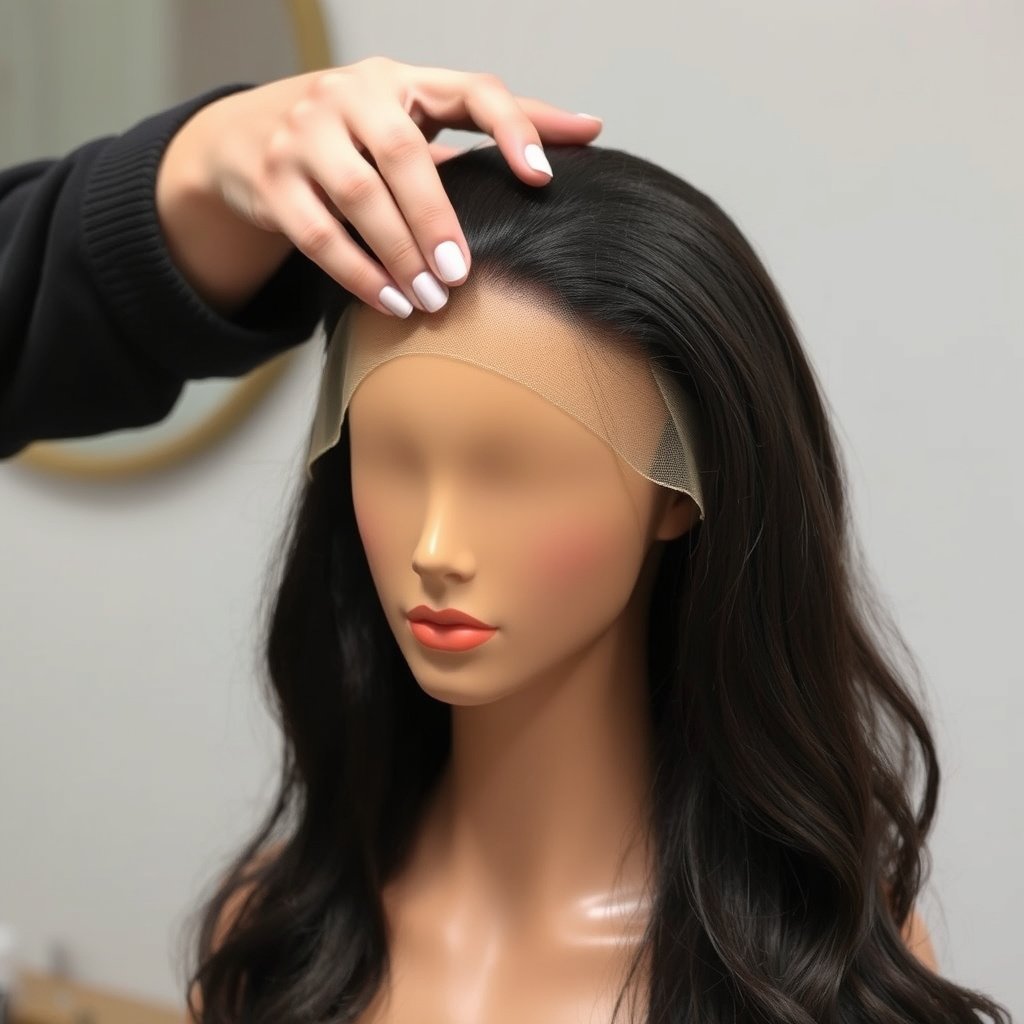
The recommended method for detangling a wig is to begin at the ends where most tangles occur and gradually work your way up toward the roots. This method minimizes stress on the hair fibers and prevents excessive pulling.
Gently hold sections of the wig near the roots to anchor the hair and use slow, deliberate comb strokes. If you encounter a stubborn knot, work through it with your fingers before using the comb.
- Hold hair close to roots while detangling
- Work through knots gently with fingers
- Use slow, short comb strokes
Handling Tough Knots Safely
For particularly tough knots, patience is key. Apply extra detangling spray and let it soak in a few minutes. Using finger detangling helps break down the knot without damaging the fibers.
Never yank or pull hard on the wig fibers. If a knot persists after gentle attempts, carefully trim the tangled area if it's synthetic or human hair if necessary, to avoid spreading the damage.
- Soak knots with detangling spray
- Finger detangle before combing
- Trim only as last resort
Detangling Techniques for Different Wig Types

Detangling Synthetic Wigs
Synthetic wigs require delicate handling because heat and harsh products can damage the fibers. Use cold water and wig-friendly detangling sprays. Avoid heat styling tools during detangling sessions.
Gently comb through synthetic fibers with a wide-tooth comb and always detangle when the wig is slightly damp. Synthetic textures like curls may need extra patience and moisturizing sprays designed for artificial hair.
- Use cold water and wig detangler
- Avoid heat tools
- Detangle when slightly damp
For more on this, see our related guide: How to Store Wigs Properly: A Complete Guide to Maintaining Their Shape and Longevity.
Detangling Human Hair Wigs
Human hair wigs tolerate treatments better but still need delicate care to maintain longevity. Before detangling, wash and condition the wig lightly to replenish moisture.
Use a wide-tooth comb on damp hair and consider a leave-in conditioner or natural oils to ease combing. For curly human hair wigs, finger detangling can gently separate curls without causing frizz.
- Wash and condition before detangling
- Use leave-in conditioner or oils
- Finger detangle curls
Preventing Future Wig Tangles
Proper Wig Storage Techniques
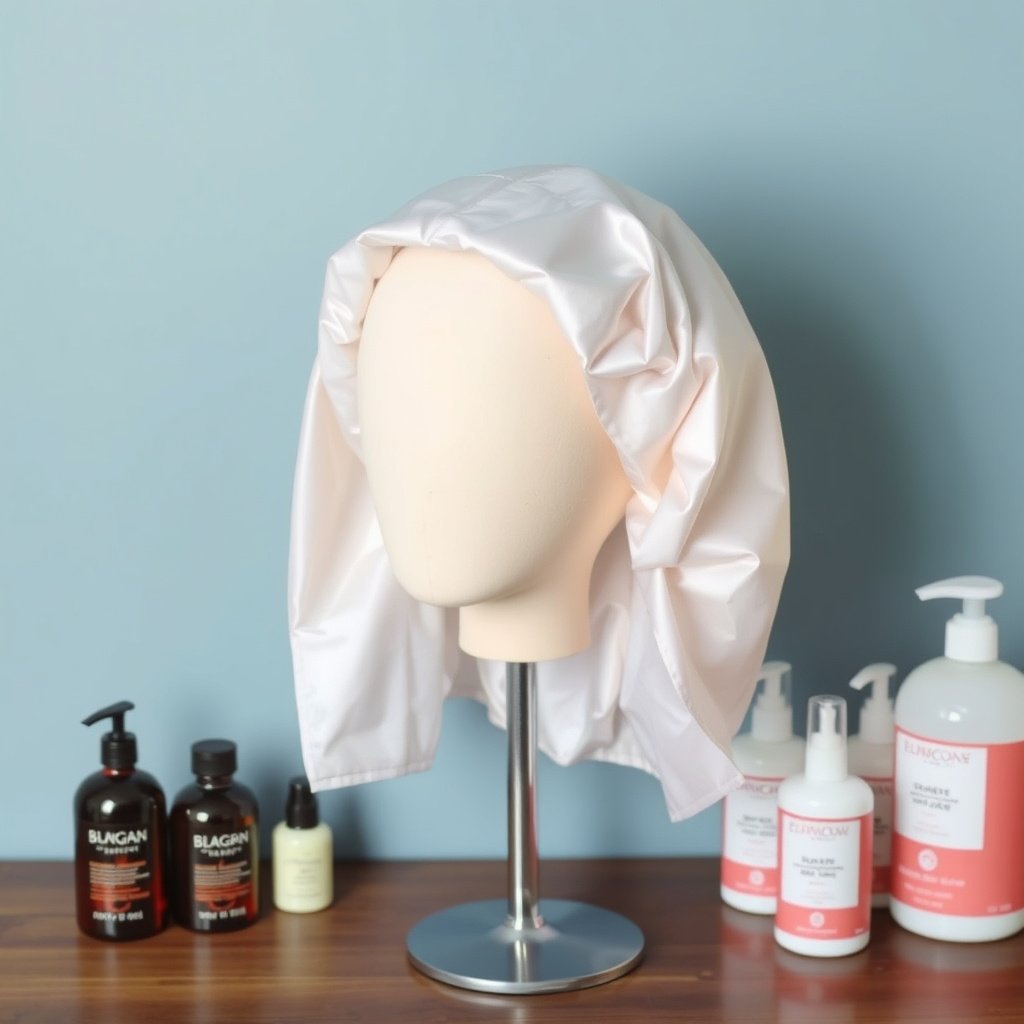
Storing wigs on a wig stand or mannequin head keeps the fibers in place and prevents tangles caused by squashing. Protect the wig with a satin or silk bonnet to reduce friction if stored in a drawer or suitcase.
Avoid placing wigs in direct sunlight or humid environments, which can dry out fibers or cause frizz.
- Use wig stands when not in use
- Cover with satin or silk bonnet
- Keep away from sunlight and humidity
Regular Maintenance to Reduce Tangles
Routine detangling and gentle washing schedules help prevent severe tangling. Once a week comb-throughs and conditioning treatments maintain fiber softness.
Avoid sleeping with the wig on or wearing it during vigorous activities to reduce friction-induced tangles.
- Weekly gentle combing
- Condition regularly
- Remove wig before sleeping
Choosing the Best Wig Detangling Products
Top Detangling Sprays and Conditioners
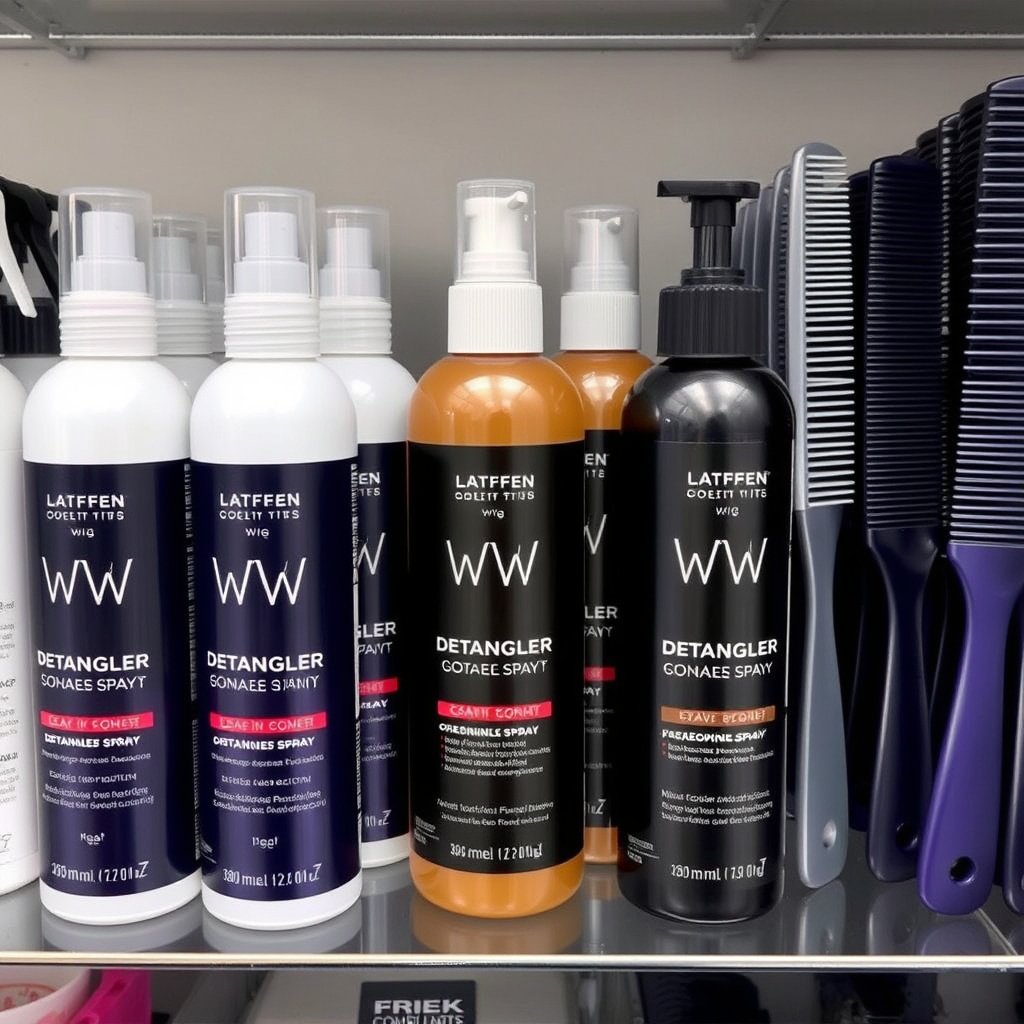
Selecting products formulated specifically for wigs makes a major difference. Detangling sprays with silicone help smooth fibers and reduce static, while leave-in conditioners restore moisture.
For synthetic wigs, avoid alcohol-based sprays as they dry out fibers. Human hair wigs benefit from lightweight oils and moisturizing conditioners to keep strands healthy.
- Silicone-based detanglers for smoothness
- Avoid alcohol in synthetic wig products
- Use lightweight oils on human hair wigs
For more on this, see our related guide: What Type of Human Hair Is Best for Wigs and Extensions?.
Recommended Combs and Brushes for Wigs
Wide-tooth combs are ideal for initial detangling. For curls, a pick comb or finger detangling works best to preserve styling. Hard-bristle brushes should generally be avoided due to fiber damage.
Some brands offer brushes with softer bristles designed specifically for synthetic or human hair wigs to reduce pull and shedding.
- Wide-tooth combs for gentle detangling
- Pick combs for curls
- Soft-bristle brushes designed for wigs
Maintaining Wig Health After Detangling

Deep Conditioning and Repair Treatments
Post-detangling treatments like deep conditioning masks can restore softness to human hair wigs and help synthetic fibers last longer. Using protein treatments for human hair wigs repairs minor damage.
Apply masks sparingly and rinse thoroughly to avoid product buildup that can attract dirt or cause stiffness.
- Use deep conditioning masks after detangling
- Protein treatments for human hair wigs
- Avoid product buildup with thorough rinsing
For more detailed care tips and product advice, consult the American Hair Loss Association's wig care guidelines. Wig care guidelines.
Avoiding Damage During Styling
After detangling, avoid excessive heat or chemical treatments especially on synthetic wigs. Use styling products that are lightweight and non-greasy to maintain natural movement and prevent stickiness.
Frequent detangling combined with gentle care preserves your wig’s natural look and prolongs its lifespan.
- Limit heat styling on synthetic wigs
- Use lightweight styling products
- Detangle regularly and gently
Comparison of Wig Detangling Methods by Wig Type
This table compares the main detangling approaches tailored for synthetic, human hair, and curly wigs, highlighting key care differences.
| Wig Type | Preferred Tools | Best Products | Detangling Frequency | Special Considerations |
|---|---|---|---|---|
| Synthetic Wigs | Wide-tooth comb, detangling spray | Silicone-based sprays only | After every few wears | Avoid heat and alcohol-based products |
| Human Hair Wigs | Wide-tooth comb, fingers | Leave-in conditioners, lightweight oils | Weekly or after washing | Can use heat styling carefully |
| Curly Wigs | Pick comb, fingers | Curl moisturizers, spray detanglers | More frequent to prevent knots | Finger detangle to preserve curls |
| Lace Front Wigs | Wide-tooth comb, wig spray | Lightweight conditioners | Regular gentle detangling | Avoid excessive pulling at roots |
Frequently Asked Questions
Can I detangle a wig when it is dry?
Detangling a wig when it is dry can cause fiber breakage and damage. It's best to lightly mist the wig with a detangling spray or water before combing to soften the strands and reduce pulling.
How often should I detangle my wig?
The frequency depends on wig type and use. Generally, detangling after every few wears or weekly for human hair wigs helps maintain smoothness and prevents severe tangling.
What is the best comb to use for detangling wigs?
A wide-tooth comb is the safest choice for detangling wigs. It gently works through knots without damaging the fibers or causing shedding.
Are there specific products for synthetic wig detangling?
Yes, synthetic wigs require detangling sprays formulated without alcohol to avoid drying the fibers and heat-safe products that protect against melting or frizz.
Can I use heat tools after detangling my wig?
Heat tools are generally safe only for human hair wigs or heat-resistant synthetic wigs. Always check manufacturer guidelines and avoid heat on regular synthetic fibers.
Key Takeaways
- Start detangling at the ends, working up to the roots slowly and gently.
- Use wide-tooth combs and wig-friendly detangling sprays suited to your wig type.
- Prevent tangles by proper storage and regular gentle maintenance.
- Different wig types require tailored products and techniques to maintain fiber health.
Conclusion
Knowing how to detangle a wig effectively involves choosing the right tools and techniques tailored to the wig's material. Patience is essential, starting gently from the ends upward to avoid fiber damage. The main goal is to maintain the wig’s natural look and extend its lifespan by treating tangles carefully without force.
For synthetic wigs, using cold water-based sprays and avoiding heat protects the fibers from melting or frizz. Human hair wigs benefit from conditioning treatments and can tolerate some heat styling after detangling. Curly wigs require special attention with finger detangling to preserve their curl pattern. Regular maintenance and thoughtful product selection are key to less tangling over time.
The next step after learning these methods is to gather the appropriate detangling supplies and practice gentle care routines. Consistent, careful detangling combined with proper storage will keep your wig looking fresh and ready to wear whenever you need it.