
What Is a Closure Wig? Understanding This Popular Wig Style
A closure wig is a type of wig that features a lace closure—a small lace piece at the crown or front of the wig that mimics the appearance of a natural scalp and hairline. This construction allows the wearer to install the wig without exposing tracks, resulting in a seamless and realistic look.
Closure wigs matter because they offer versatility and protection. They allow people to change hairstyles easily without manipulating their natural hair, which helps to maintain hair health. The lace closure also provides a breathable, lightweight feel compared to traditional full lace wigs, and is easier to install or remove.
This article explains closure wigs in detail, covering how they differ from frontals and full lace wigs, the materials used, styling options, maintenance tips, and a comparison with other popular wig types so you can choose what suits your lifestyle best.
Understanding What a Closure Wig Is
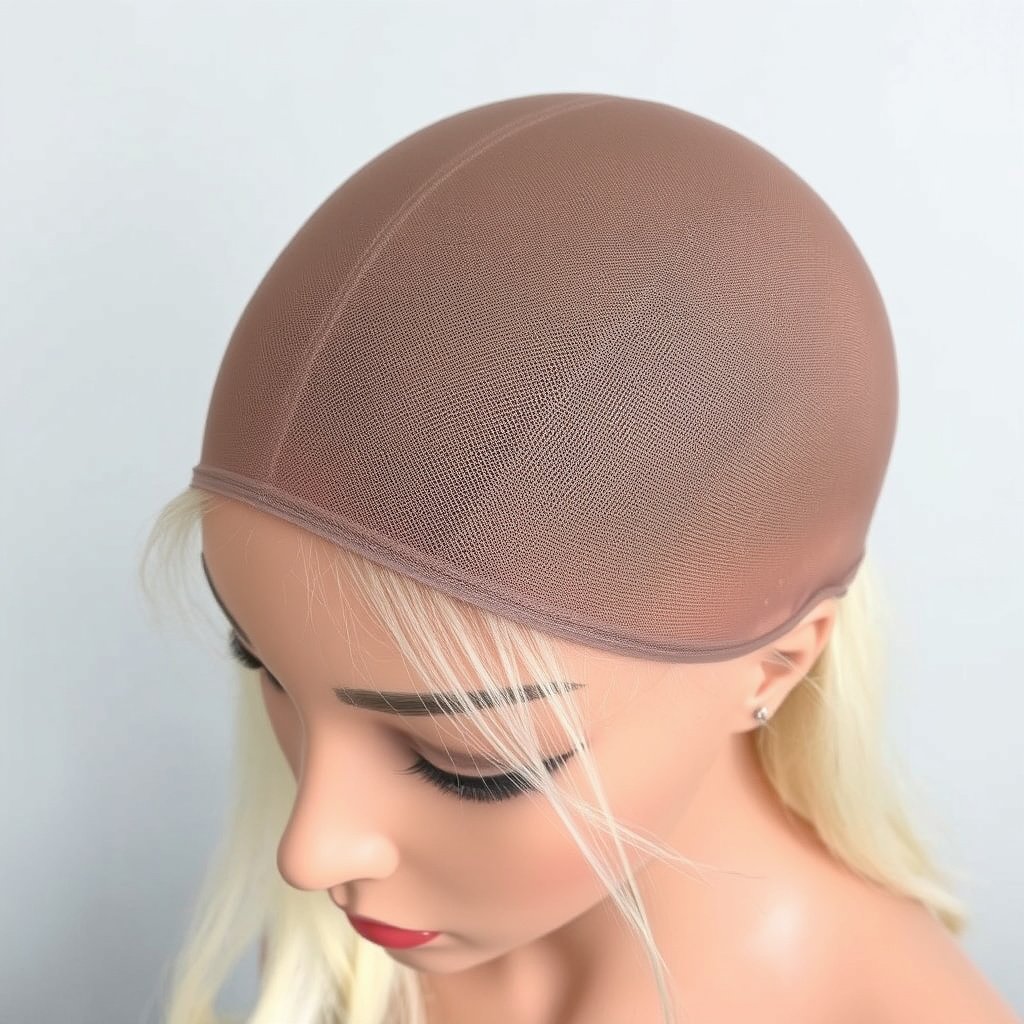
Definition and Key Features
A closure wig includes a lace closure piece usually measuring 4×4 inches or smaller, placed at the top or front center of the wig. This lace section mimics the scalp and hair growth pattern, allowing for a more natural look when worn.
Unlike full lace wigs that cover the entire head with lace, closure wigs have a lace piece just at the part area, with the rest of the wig constructed with wefts of hair sewn together, making them more affordable and easier to maintain.
Types of Closures
Closures come in several base types: lace closures, silk base closures, and Swiss lace closures, each providing different levels of scalp realism and durability.
Lace closures are the most common and breathable, silk bases offer a thicker, more scalp-like appearance, and Swiss lace is delicate and popular for its soft texture but requires careful handling.
- Lace closure – breathable and natural look
- Silk base closure – creates illusion of scalp under the hair
- Swiss lace closure – delicate, soft lace for comfort
Comparison with Other Wig Types
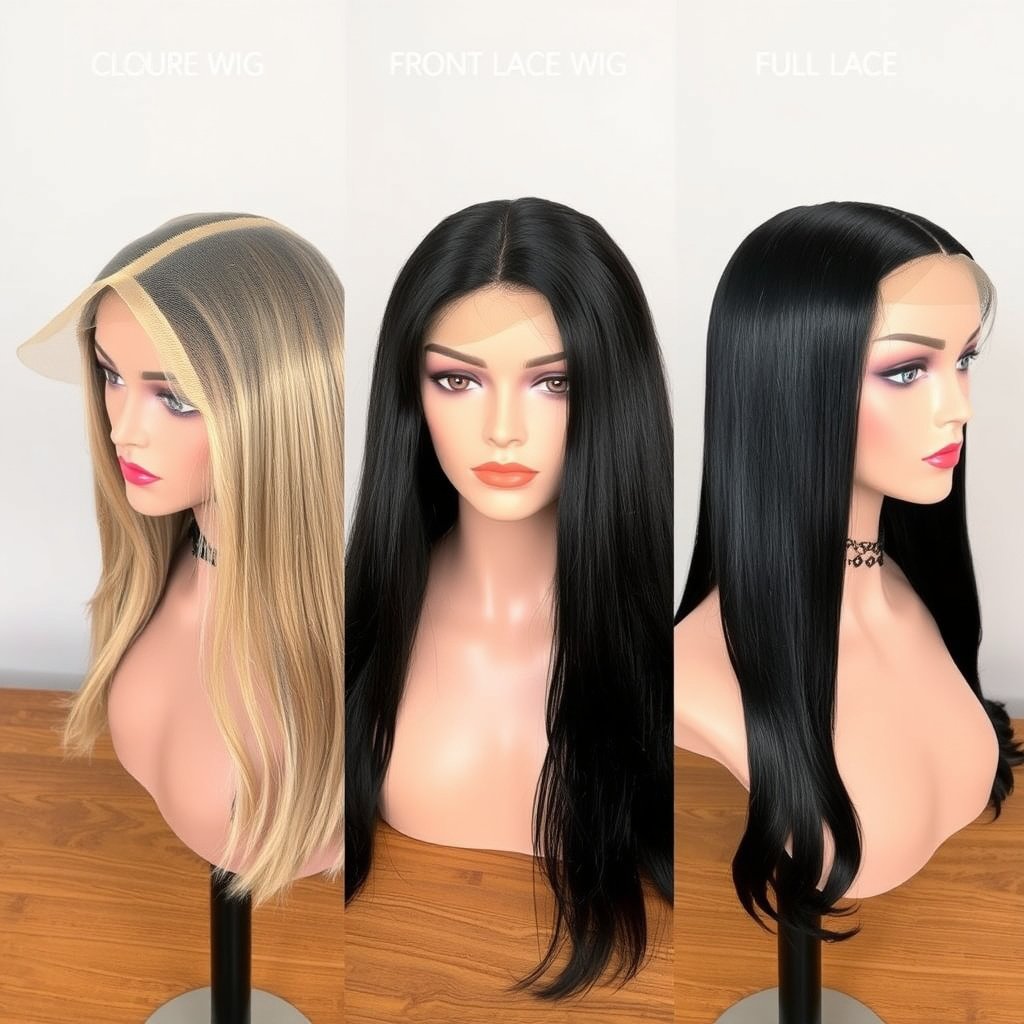
Closure Wig vs. Front Lace Wig
Closure wigs have a smaller lace area limited to a square closure at the top or front, while front lace wigs feature lace going from ear to ear, allowing more styling freedom at the hairline.
Front lace wigs provide a natural hairline fully around the face, enabling styles like high ponytails, but they often require more careful installation compared to closure wigs.
Closure Wig vs. Full Lace Wig
Full lace wigs have lace across the entire cap, allowing the wearer to part and style hair in any direction, ideal for updos and versatile styling.
Closure wigs are simpler and more budget-friendly, with limited parting options confined to the closure area, making them easier for beginners to wear and manage.
Materials and Construction

Hair Types Used in Closure Wigs
Closure wigs can be made from synthetic fibers or human hair, with human hair offering more natural movement and styling options such as heat styling or coloring.
Virgin hair closures are highly sought after due to their natural cuticle alignment, which prevents tangling and increases longevity.
- Human hair closures for realism
- Synthetic closures for budget options
- Virgin hair offers longevity and style versatility
For more on this, see our related guide: Understanding the Difference Between a Closure and Frontal for Hair Extensions.
Cap Construction and Fit
The cap of a closure wig typically combines lace at the closure with sewn wefts elsewhere, providing structure and durability while allowing some breathability.
Adjustable straps and combs are often included for a secure fit, with lace colors ranging from light to dark to match different skin tones for a natural scalp appearance.
Styling and Wearing Closure Wigs
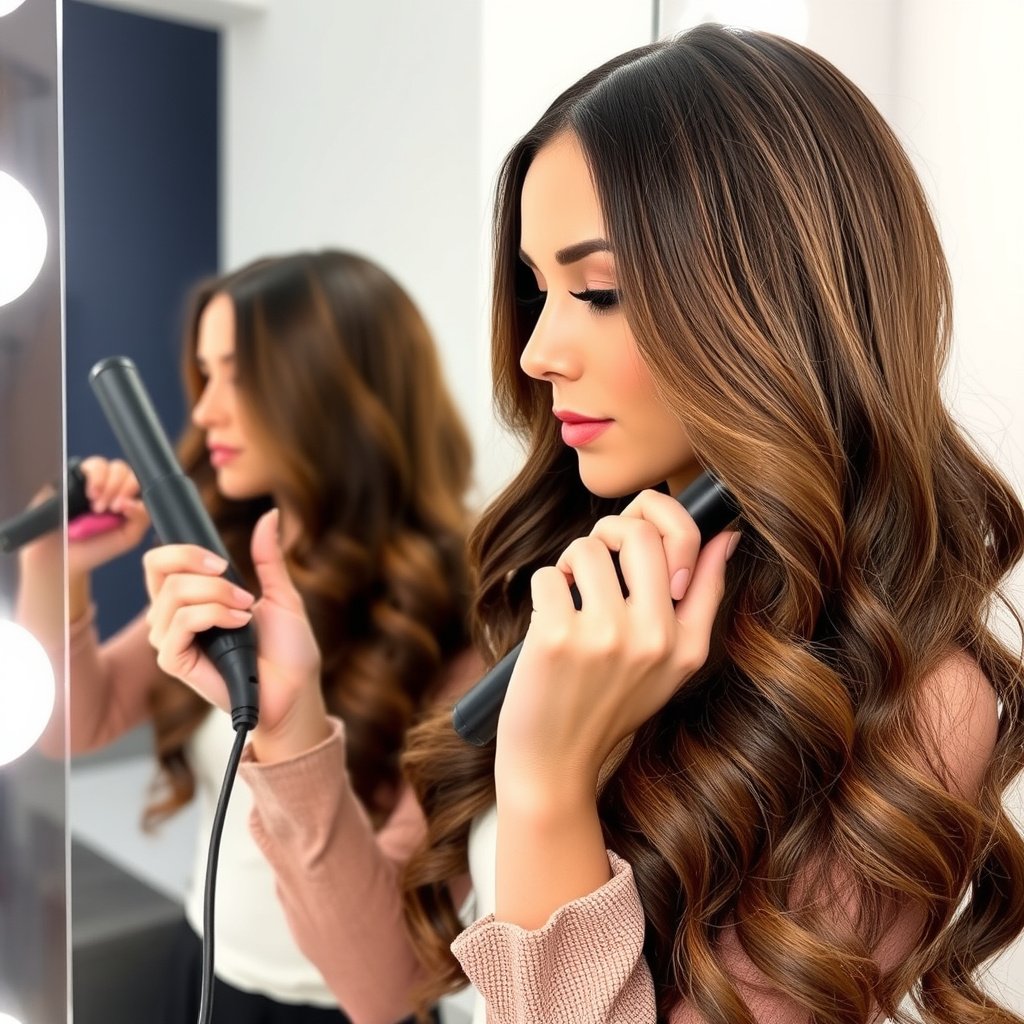
Styling Options
Closure wigs allow for various parting options restricted to the lace closure area, usually a middle or side part, and can be styled with heat tools if made from human hair.
Due to the limited lace area, large updos or aggressive parting styles are less feasible, but the closure’s realistic scalp impression provides a natural finish with basic styles.
- Middle and side parts
- Heat styling if human hair
- Avoid heavy updos
Application Methods
Closure wigs can be installed with glue, tape, clips, or sewn onto braided natural hair, allowing flexibility depending on wearer preference and skin sensitivity.
Some prefer temporary adhesive for daily wear, while others sew the wig down for longer-lasting installations and enhanced security.
- Glue or tape for quick wear
- Sewing for extended wear
- Clips for easy removal
Maintenance and Care for Closure Wigs

Cleaning and Conditioning
Regular washing with sulfate-free shampoo and moisturizing conditioner is essential to keep human hair closure wigs soft and tangle-free without damaging the lace.
Avoid soaking the lace area excessively to maintain its integrity and gently detangle hair using a wide-tooth comb from ends upwards.
- Use sulfate-free shampoo
- Condition without soaking lace
- Detangle gently
For more on this, see our related guide: Understanding What a Closure Is in Programming.
Storage and Longevity Tips
Store your closure wig on a mannequin head or in a satin bag to retain shape and prevent tangling when not in use.
Avoid heat exposure and harsh chemicals to extend the lifespan of the wig and the lace closure’s durability.
- Use mannequin head or satin bag
- Avoid direct sunlight and heat
- Keep away from harsh chemicals
Benefits and Drawbacks of Closure Wigs
Advantages of Closure Wigs
Closure wigs offer a more affordable and easier-to-manage alternative to full lace wigs with a natural look at the parting area, making them accessible to many wig wearers.
They protect natural hair underneath by reducing exposure to heat and chemical styling, allowing natural hair growth while enjoying versatile hairstyles.
- Affordable compared to full lace wigs
- Natural scalp appearance
- Protects natural hair
For more detailed background on wigs in general, including closure wig technology, the Wikipedia page offers a broad overview. closure wig.
Limitations and Considerations
Because the lace covers only a small area, closure wigs limit the wearer to specific parting styles and generally don’t allow for large updos or off-the-face styles.
The lace closure requires delicate handling and occasional replacement to maintain realism, and synthetic closures have less styling flexibility compared to human hair.
- Restricted parting options
- Lace requires careful maintenance
- Synthetic limits styling
Closure Wigs Compared to Other Wig Types
This table outlines key features of closure wigs alongside front lace and full lace wigs, helping identify which suits your needs best.
| Wig Type | Lace Coverage | Styling Versatility | Cost Range | Installation Complexity |
|---|---|---|---|---|
| Closure Wig | Small (typically 4×4 inches) | Limited to closure area parting | $$$ (Mid-range) | Moderate |
| Front Lace Wig | Front hairline (ear to ear) | More versatile for hairline styling | $$$$ (Higher) | Moderate to High |
| Full Lace Wig | Full scalp coverage | Maximum styling freedom | $$$$$ (Premium) | High |
Frequently Asked Questions
Can I dye a closure wig?
Yes, if the closure wig is made from 100% human hair, it can be dyed just like natural hair. Synthetic hair closures cannot be dyed and attempting to do so may damage the wig.
How long does a closure wig typically last?
With proper care, a human hair closure wig can last from six months up to a year or longer. Synthetic closure wigs generally have a shorter lifespan, around 3 to 6 months.
Is a closure wig suitable for beginners?
Yes, closure wigs are often easier to install and manage than full lace wigs, making them a popular choice for those new to wig wearing.
Can I swim with a closure wig?
It's not recommended to swim while wearing a closure wig as chlorinated or salt water can damage both the hair and the lace. If you plan to swim, consider a wig cap or remove the wig.
Do closure wigs cover all natural hair?
Closure wigs provide full coverage over braided or cornrowed natural hair beneath the cap, protecting your natural hair from damage and elements.
Key Takeaways
- Closure wigs feature a small lace area that mimics a natural scalp for realistic parting.
- They are more affordable and easier to maintain than full lace wigs but offer limited styling versatility.
- Maintenance involves gentle washing and careful handling of the lace closure to extend wig lifespan.
- Closure wigs protect natural hair while providing attractive, natural-looking hairstyles.
Conclusion
Evaluating closure wigs involves balancing appearance, cost, and styling needs. Their lace closure section offers a convincing natural scalp look while being more accessible and user-friendly than full lace wigs. They fit well for those prioritizing ease of use and natural look without the complexity or price of full lace options.
For individuals who want reasonable styling options with natural texture, closure wigs provide middle ground. They suit wearers who prefer simple parts like middle or side parts, and those who want to maintain natural hair health underneath. If more extensive styling such as full updos or multiple part ways is desired, front lace or full lace wigs would serve better.
If you want a practical wig with ease of installation and affordable cost, starting with a lace closure wig can be an excellent entry point. From there, you can experiment with different hair types and lace options to find what meets your personal style and lifestyle best.




One Comment