How to Curl a Human Hair Wig: Step-by-Step Guide for Lasting Curls
Curling a human hair wig can be done just like curling natural hair, but it requires gentle handling and the right tools to avoid damage. Using heat tools like curling irons or rollers on a wig with human hair fibers helps achieve natural-looking curls that hold well when done correctly. Make sure your wig is clean and thoroughly dry before styling, and always apply a heat protectant to preserve the hair quality.
Many people prefer human hair wigs for their realistic texture and ability to style with heat. Curling your wig boosts versatility and lets you customize your look for various occasions. However, knowing the right curling techniques and care practices is key to maintaining the wig’s softness and ensuring curls do not become frizzy or lose shape quickly.
This article will explore essential preparation steps, detailed curling methods using different tools, maintenance tips for preserving curls, and advice on avoiding common mistakes. Whether you're using a curling wand, rollers, or heatless options, this guide covers everything you need to confidently curl your human hair wig.
Preparing Your Human Hair Wig for Curling
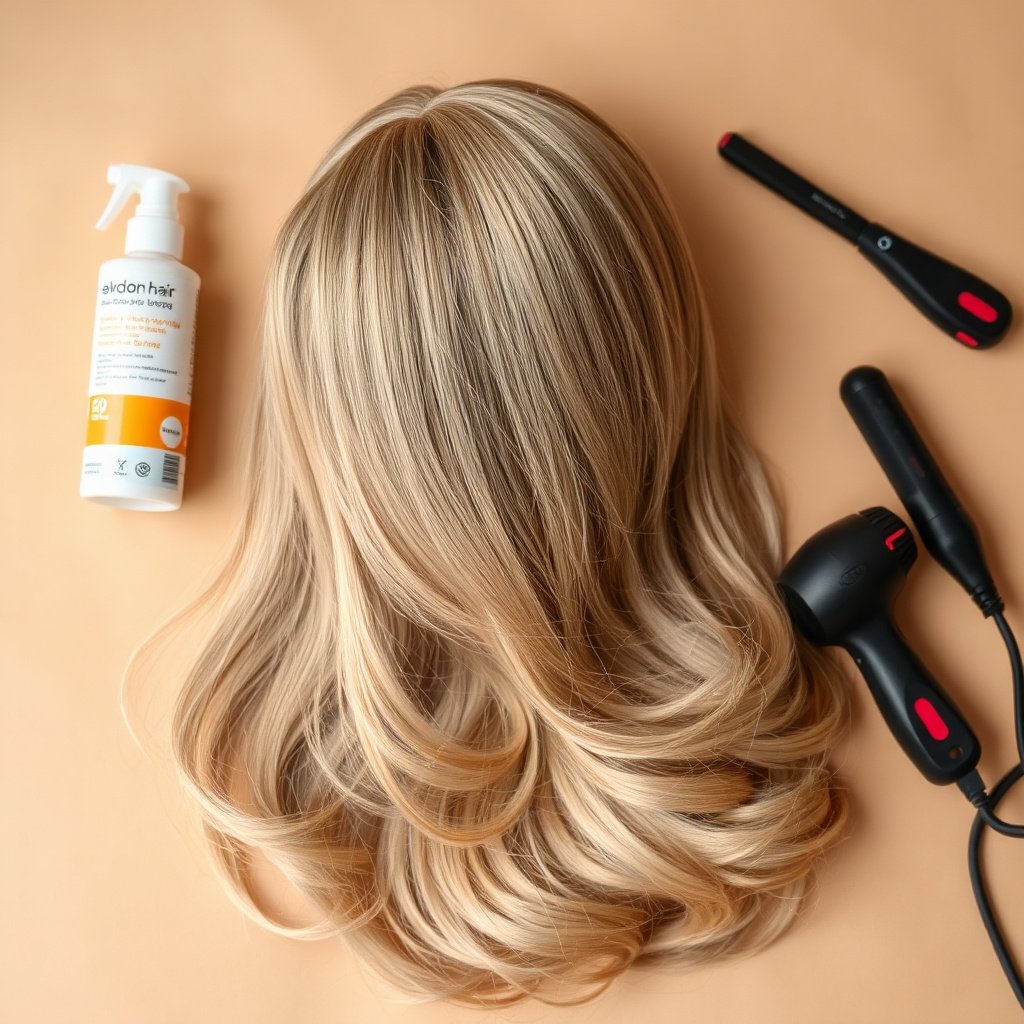
Washing and Conditioning Before Styling
Begin by washing your human hair wig with a gentle sulfate-free shampoo and conditioner to remove any product buildup and ensure hair strands are clean and manageable. Avoid heavy conditioners that can weigh down the hair, opting instead for moisturizing formulas that keep the wig soft without making it greasy.
After washing, gently pat the wig dry with a microfiber towel to prevent tangling. Allow it to air dry on a wig stand until completely dry before proceeding to heat styling. Styling damp wigs risks uneven curls and increased damage.
- Use sulfate-free shampoo
- Apply lightweight conditioner
- Towel dry gently
- Air dry completely
Applying Heat Protectant and Sectioning
Before curling, spray a heat protectant evenly throughout the wig to shield the hair from high temperatures. Ensure the product distributes fully, paying attention to mid-lengths and ends which are more prone to damage.
Sectioning the wig into manageable parts helps create uniform curls and reduces exposure time to heat. Use clips to separate hair into small sections, typically 1 to 2 inches wide, to maintain even heat application during curling.
- Apply heat protectant spray
- Section hair into small parts
- Clip sections to hold in place
Using Heat Tools to Curl a Human Hair Wig
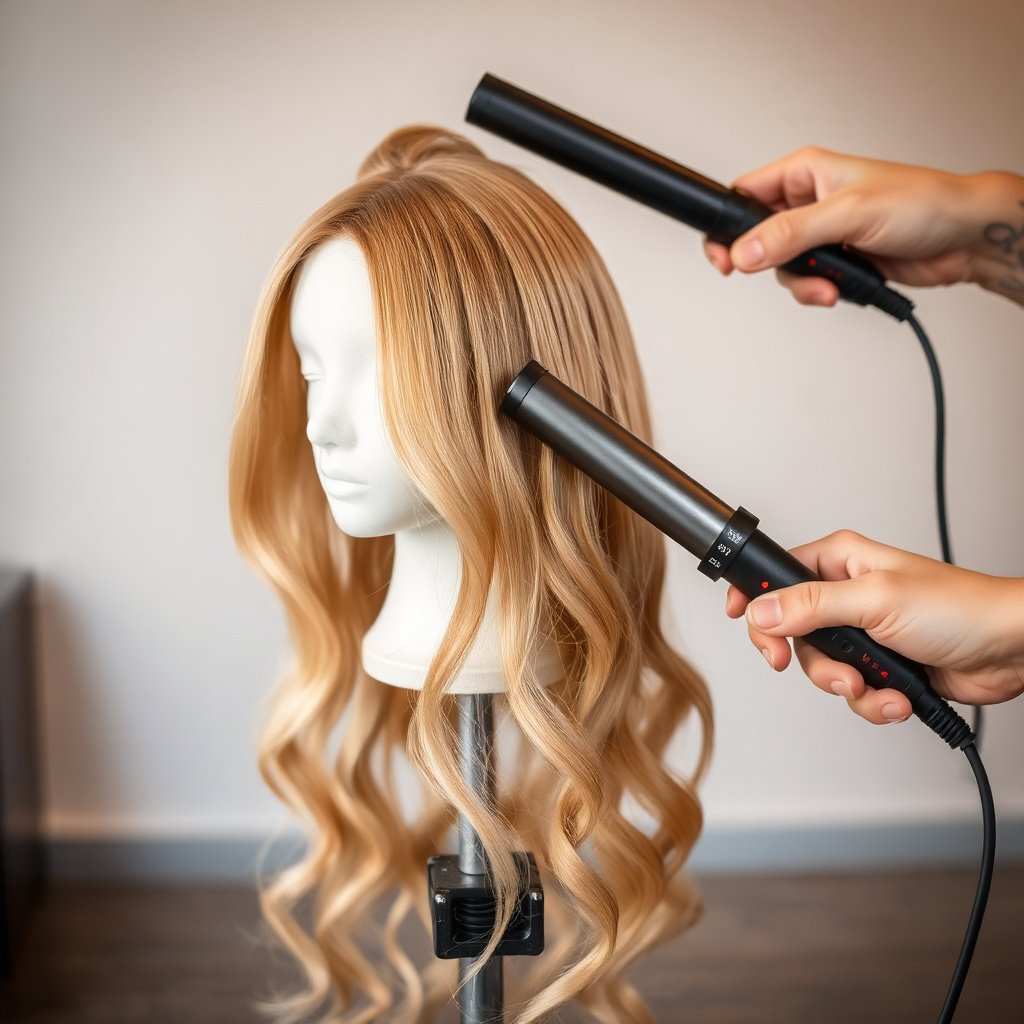
Curling With a Curling Iron or Wand
Choose a curling iron or wand with adjustable temperature and aim for a medium heat setting around 300-350°F to avoid burning the human hair fibers. Wrap each section of hair around the barrel smoothly and hold for 5 to 10 seconds depending on the desired curl tightness.
Release the curl gently and let it cool before touching or styling further, as cooling helps set the curl shape. Repeat until all sections are curled evenly to create a natural-looking, bouncy finish.
- Set curling iron to 300-350°F
- Curl 1-2 inch sections
- Hold curls for 5-10 seconds
- Allow curls to cool
Curling With Hot Rollers
Hot rollers provide an indirect heat method that helps form consistent curls with less risk of heat damage. After heating the rollers, wrap small sections of the wig’s hair around each roller and secure with pins or clips.
Leave the rollers in place to cool fully—usually about 15 to 20 minutes—before removing. This method produces lasting curls with soft volume, especially ideal for beginners.
- Heat rollers thoroughly
- Wrap sections evenly
- Secure with pins
- Allow rollers to cool completely
Heat-Free Methods for Curling Human Hair Wigs
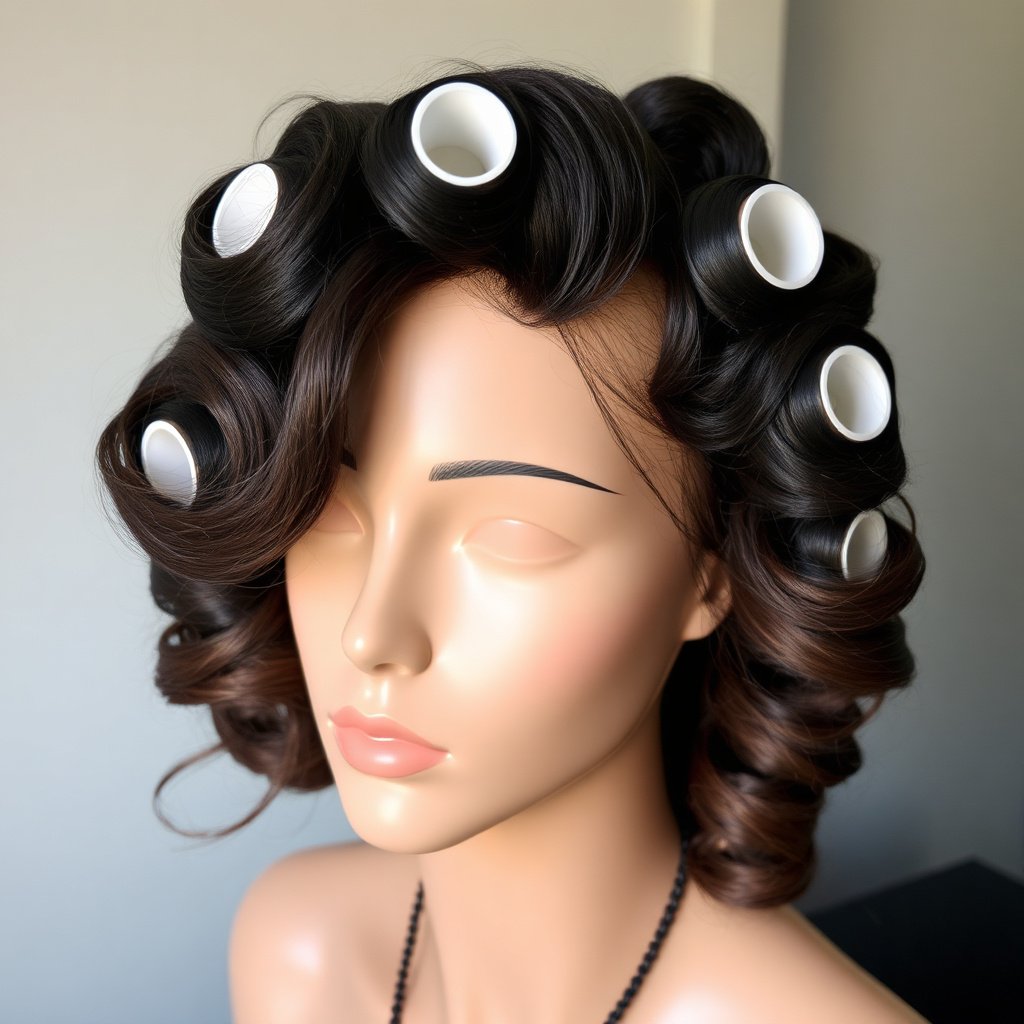
Using Foam Rollers or Flexi Rods Overnight
Foam rollers or flexi rods can curl a human hair wig without any heat, protecting its fibers completely. Apply a light mist of water or styling mousse, then wrap small hair sections around the rollers before securing firmly.
Leave the wig on a mannequin stand or head form overnight so curls set while drying. This method creates soft, natural curls and extends the wig’s lifespan by eliminating heat exposure.
- Dampen hair lightly
- Wrap small sections on rollers
- Secure rollers firmly
- Keep on wig stand overnight
For more on this, see our related guide: Is Human Hair Wig Worth It? The Complete Answer.
Braiding or Twisting for Natural Waves
Braiding or twisting sections of a human hair wig can form gentle waves without heat. With slightly damp hair, create multiple braids or two-strand twists, then leave them for several hours or overnight.
When undone, this styling results in loose, beachy waves that suit everyday looks. It's a protective method that reduces styling damage and keeps curls soft and manageable.
- Dampen hair before styling
- Create multiple braids or twists
- Leave for several hours
- Undo carefully for waves
Maintaining Curls on a Human Hair Wig
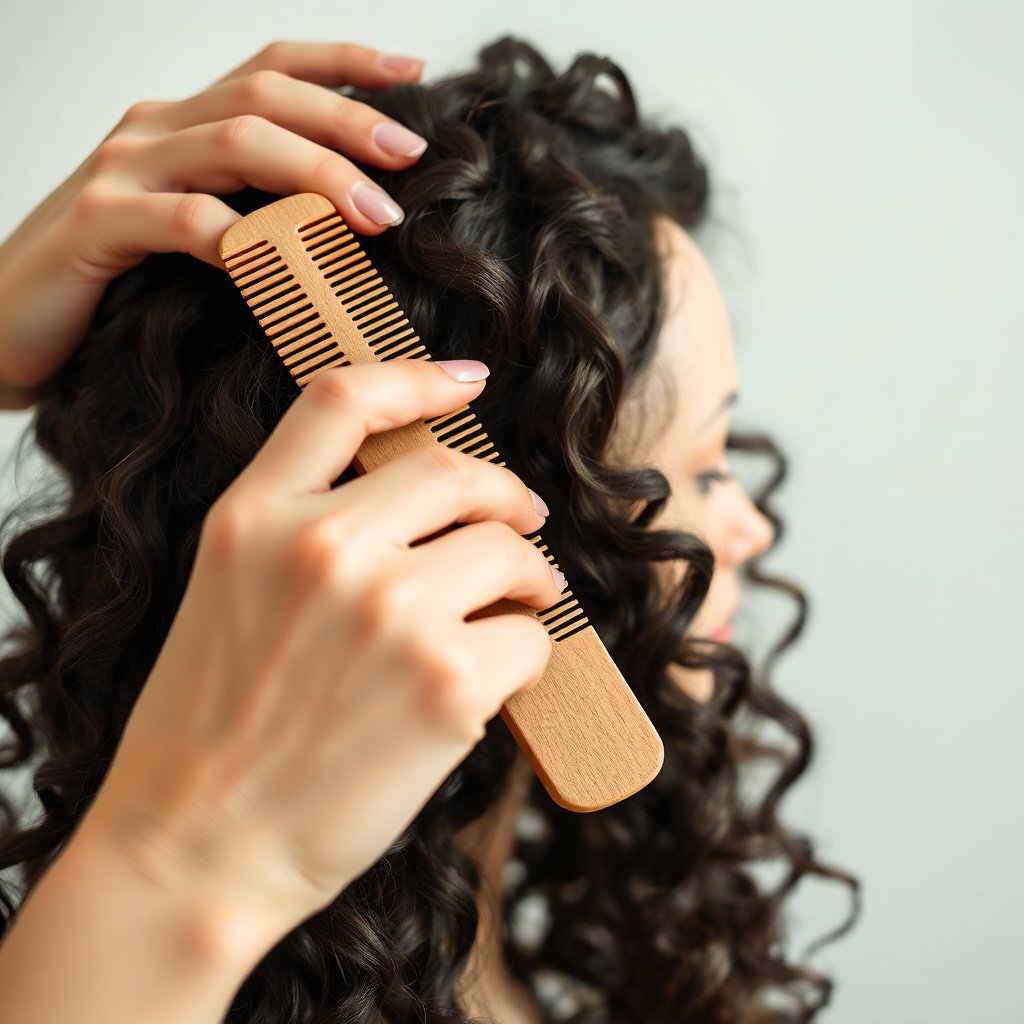
Proper Brushing Techniques
To maintain curls for longer, avoid regular brushing of the hair. Instead, use a wide-tooth comb or your fingers to detangle gently, starting from the ends and working upward. Brushing curls can cause frizz and disrupt the curl pattern on a human hair wig.
Save brushing for when the curls have fully cooled or before washing. Proper detangling helps preserve the curl definition and extends the style’s wear time.
- Use wide-tooth comb
- Detangle from ends upward
- Avoid brushing while curls are fresh
Reapplying Styling Products for Curl Definition
Refresh curls between wears with curl-enhancing sprays or light mousse formulated for human hair wigs. These products revive bounce and reduce frizz without weighing the hair down.
Avoid using heavy oils or greasy products that can build up and make curls limp. Spritz lightly and scrunch hair to bring curls back to life while maintaining softness.
- Use curl-enhancing sprays
- Avoid heavy oils
- Lightly scrunch curls to refresh
Common Mistakes to Avoid When Curling a Human Hair Wig

Applying Excessive Heat
One of the biggest errors is using too high heat settings which can burn or dry out the human hair fibers, leading to split ends and shortened wig lifespan. Always test heat on a small section and keep temperatures moderate.
Repeated overexposure to heat styling tools without protection degrades the wig’s natural texture and shine, reducing its natural look and feel.
- Avoid heat above 350°F
- Always use heat protectant
- Test heat on small section first
For more on this, see our related guide: Where to Buy Human Hair: Your Local Shopping Guide.
Skipping Regular Wig Care
Neglecting proper washing, conditioning, and storage disrupts curl retention and causes tangling. Regular cleansing keeps curls bouncy and prevents buildup of styling products that weigh curls down.
Store your wig on a stand after use to allow curls to settle and maintain shape, preventing flat spots or crush damage.
- Wash regularly with gentle products
- Condition lightly
- Store on wig stand after styling
Styling Tips Specific to Human Hair Wigs
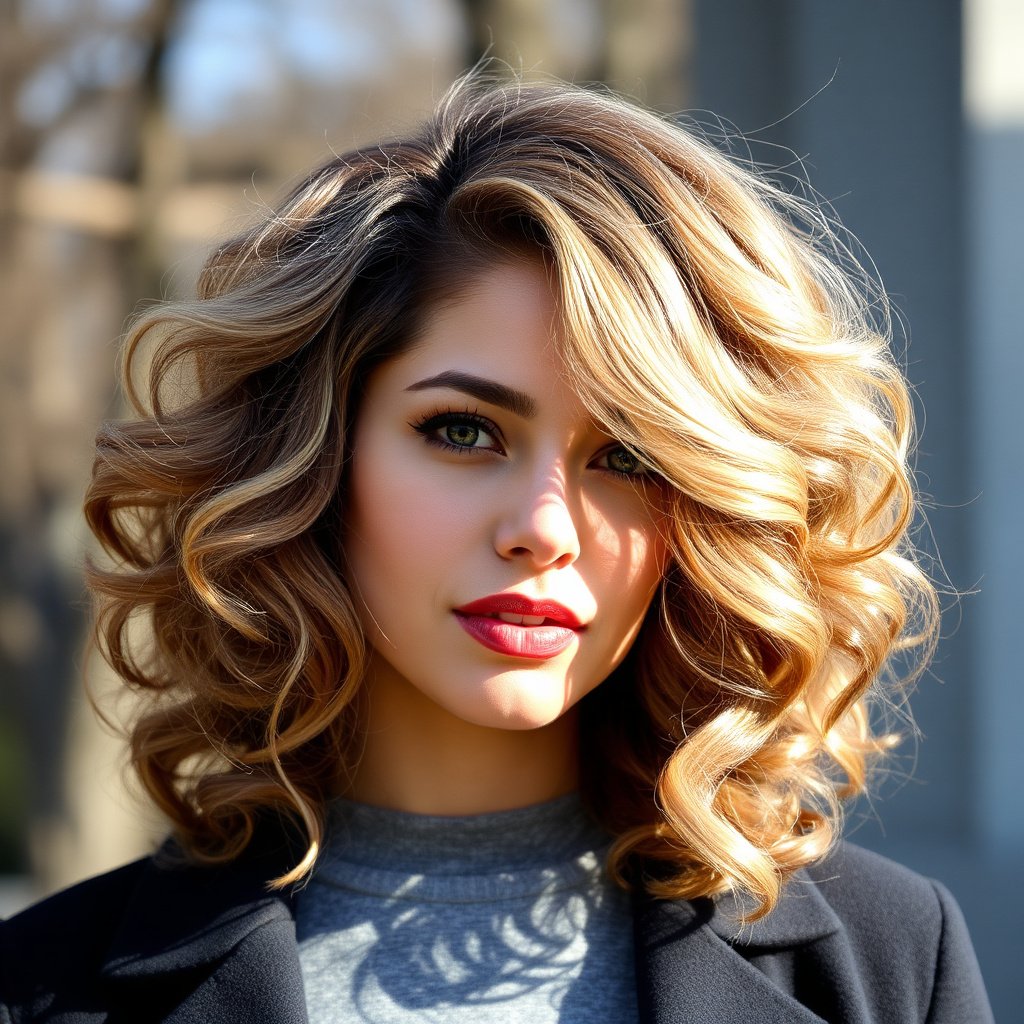
Matching Curl Style to Wig Length and Density
Consider your wig’s length and density when choosing curl size and style. Shorter wigs work well with tighter curls for volume, while longer wigs benefit from loose waves to avoid too much bulk.
Denser wigs hold curls longer but may need more product to define, whereas lighter wigs produce softer curls that require gentle handling to maintain bounce.
- Tight curls for short wigs
- Loose waves for long wigs
- Adjust product use by wig density
For deeper insights on human hair wigs and their care, visit the Human Hair Wig Wikipedia article. Human Hair Wig Wikipedia Article.
Blending Wig Curls with Natural Hair
If wearing a wig alongside your natural hair, try to match curl type and direction for seamless blending. Curl your own hair similarly or style differently to create complementary textures for a balanced look.
Using styling products on both can help blend edges and transition, especially at the hairline and part area, for a more undetectable finish.
- Match curl size and direction
- Style natural hair complementarily
- Use blending products at hairline
Human Hair Wig Curling Methods Compared
Here’s a comparison of popular methods for curling human hair wigs, focusing on ease, heat damage risk, and curl longevity.
| Method | Ease of Use | Heat Damage Risk | Curl Longevity | Recommended For |
|---|---|---|---|---|
| Curling Iron/Wand | Moderate | Moderate | Medium to Long | Experienced users wanting quick curls |
| Hot Rollers | Easy | Low to Moderate | Long | Beginners seeking soft volume |
| Foam Rollers/Flexi Rods | Easy | None | Medium to Long | Heat-free styling and delicate wigs |
| Braiding/Twisting | Easy | None | Short to Medium | Natural waves without heat |
| No Curling/Pre-styled | N/A | None | Varies | Users avoiding heat and styling |
Frequently Asked Questions
Can I curl a human hair wig multiple times?
Yes, but limit curling sessions to preserve hair integrity. Always use heat protectant and moderate heat settings to avoid damage from repeated curling.
How do I prevent frizz after curling my wig?
Use lightweight anti-frizz sprays or serums and avoid brushing curls after styling. Proper drying and gentle detangling help maintain smooth curls.
Can I use regular hair curling products on a human hair wig?
Many styling products work on human hair wigs, but choose those without heavy oils or harsh chemicals to protect hair fibers and maintain wig longevity.
Is it better to curl before or after putting on the wig?
Curling the wig while on a stand allows better sectioning and even curls. However, some prefer curling after wearing for touch-ups or blending with natural hair.
How often should I wash my curled human hair wig?
Wash your wig every 7 to 10 wears or when product buildup is evident. Washing too frequently can dry out curls, so maintain balance.
Key Takeaways
- Use heat protectant before curling to prevent damage.
- Select curling methods based on your wig type and skill level.
- Avoid brushing curls to maintain shape and reduce frizz.
- Heat-free curling methods extend wig longevity and softness.
Conclusion
Curling a human hair wig requires a balance between styling flair and careful maintenance. Using moderate heat and protective products helps create beautiful curls without compromising the wig’s quality. Paying attention to preparation steps such as thorough washing, conditioning, and sectioning supports better curl definition and overall wig health. Regular upkeep and gentle handling minimize damage, letting you enjoy versatile styles for many wears.
For those seeking quick and defined curls, curling irons or hot rollers are practical options, especially when moderate heat and sectioning techniques are applied thoughtfully. Heat-free alternatives like foam rollers or braiding offer excellent solutions for delicate wigs or those prioritizing hair fiber longevity. Matching styling methods to your wig’s length and density enhances curl appearance and suits your personal styling needs better.
Start by selecting a curling method that feels manageable and fits your lifestyle, then invest time in learning protective steps to care for your wig. With patience and proper care, your human hair wig can hold gorgeous curls that boost confidence and complement your individual look. Consider trying heatless methods first if uncertain, then experiment with heat tools cautiously as you gain experience.