How to Straighten a Human Hair Wig: Step-by-Step Guide for a Sleek Look
Straightening a human hair wig is possible and straightforward when done with care using the right tools and methods. You can use a flat iron or a blow dryer with a round brush to achieve a smooth, sleek style just like natural hair. The key is to maintain low to medium heat settings and use heat protectant to keep the wig fibers glossy and damage-free.
Human hair wigs respond to styling much like natural hair, which means you have the versatility to change the look depending on your mood or occasion. Straightening helps eliminate curls, waves, and frizz, creating a polished, professional or casual appearance. Because wigs are an investment, knowing how to straighten without causing damage matters for lasting beauty and function.
This article covers how to prepare your wig for straightening, the best tools to use, detailed step-by-step instructions, several straightening techniques, and essential aftercare tips. It also compares styling tools and answers common questions to help you get the most from your human hair wig’s straightening process.
Preparing Your Human Hair Wig for Straightening
Washing and Conditioning Before Styling
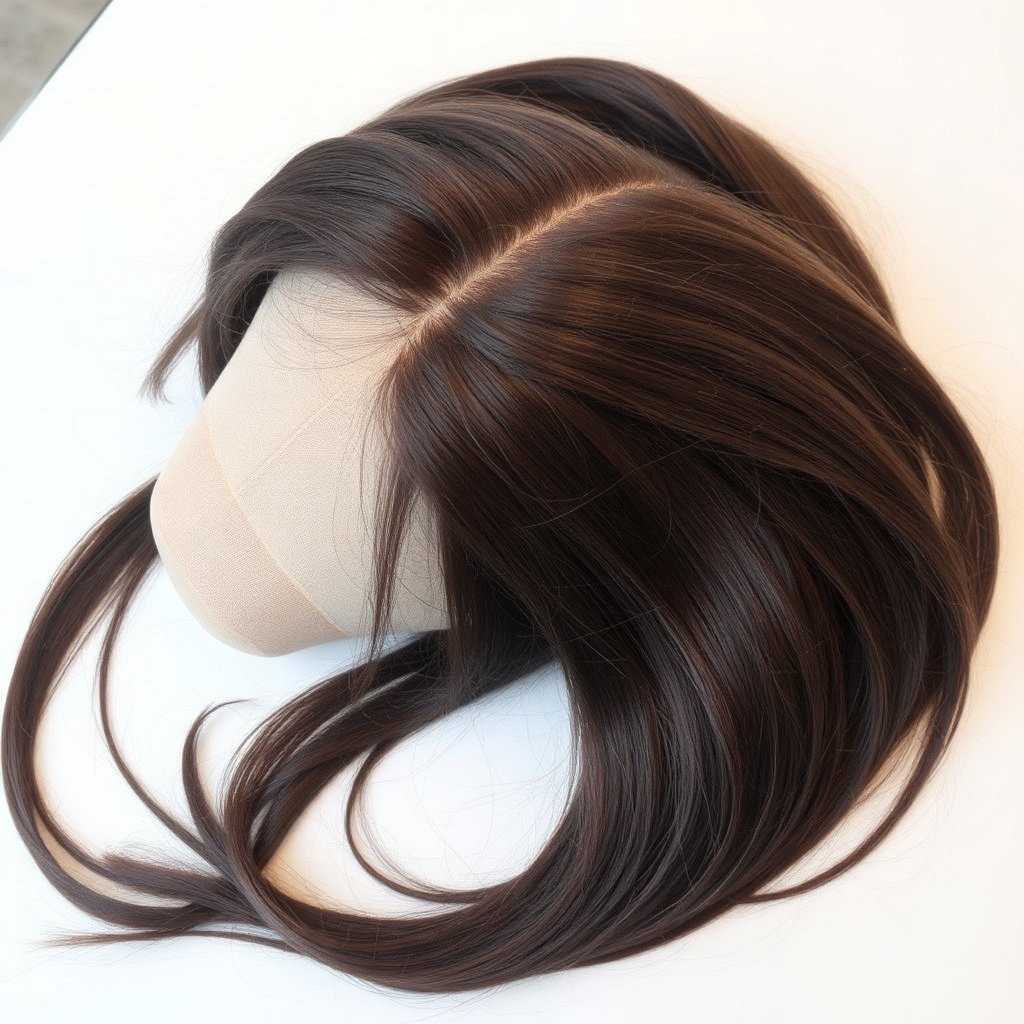
Start by washing your wig with a sulfate-free, moisturizing shampoo and conditioner designed for human hair. Avoid heavy residue or buildup that can weigh hair down and reduce the effectiveness of straightening. Pat the wig dry gently with a towel, then allow it to air dry on a wig stand to keep its shape intact.
Deep conditioning once in a while helps maintain the hair’s softness and shine, making the straightening process smoother and less damaging. Proper cleansing ensures the cuticles of the hair strands lie flat, which is key to achieving a sleek, silky appearance when straightened.
- Use lukewarm water when washing
- Apply conditioner from mid-lengths to ends
- Avoid rubbing the wig vigorously
- Detangle gently with a wide-tooth comb
Detangling and Heat Protection
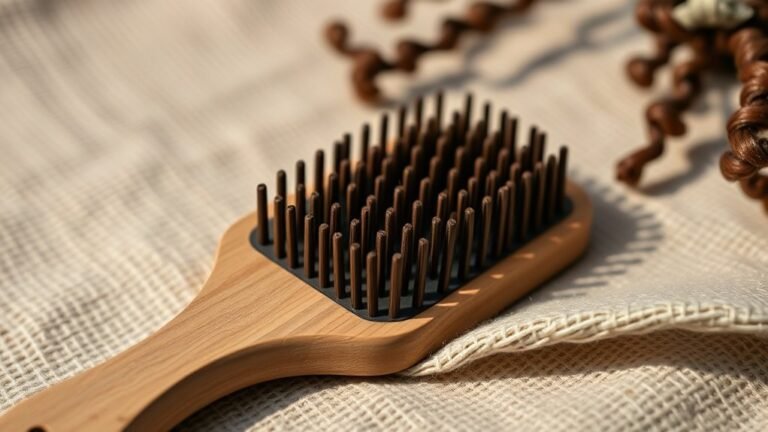
Before applying heat, thoroughly detangle the wig starting from the ends up to the roots using a wide-tooth comb or a wig brush. This prevents breakage during flat ironing and helps distribute heat evenly. It also prevents snagging or pulling on the synthetic or natural fibers.
Heat protectant sprays specifically formulated for human hair wigs are essential. A fine mist creates a barrier against heat damage, preserving the wig’s natural luster. Spray generously but avoid soaking the hair, allowing the product to absorb before styling.
- Detangle in small sections for ease
- Use a heat protectant spray suitable for wigs
- Let the product dry completely before heat styling
Choosing the Best Tools for Straightening a Human Hair Wig
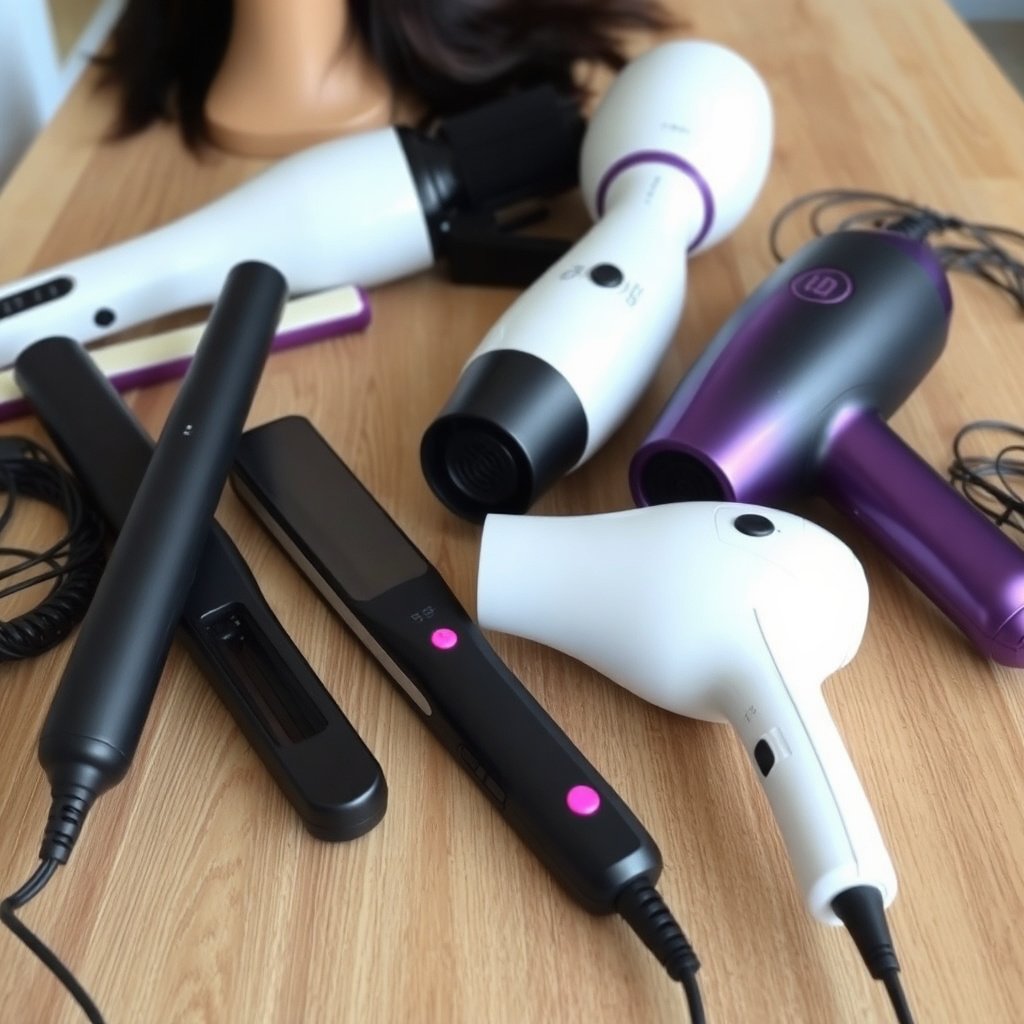
Selecting a Flat Iron
A ceramic or titanium flat iron with adjustable temperature controls is ideal for human hair wigs. Ceramic plates provide even heat distribution, which reduces hot spots that can damage hair. Titanium plates heat up quickly and maintain consistent temperature but require careful use at lower settings. Choose a width appropriate for your wig; 1-inch plates work well for general straightening and styling precision.
Temperature settings between 300°F and 350°F are generally safe for human hair wigs, preventing excessive heat damage. Avoid very high temperatures to maintain the integrity of the hair fibers and extend the wig’s lifespan.
- Look for smooth, rounded edges to prevent snagging
- Prefer digital temperature controls for precision
- Avoid overly large plates that may miss smaller sections
Using a Blow Dryer with Brush Attachment
Alternatively, a blow dryer with a comb or round brush attachment allows for controlled straightening without direct plate contact, minimizing heat trauma. Ionic technology dryers reduce frizz by sealing the cuticle. Use the medium heat setting and a nozzle concentrator to focus the airflow for more precise styling.
This method is gentler but requires patience and technique, ideal for those who want to avoid flat iron heat. Blow drying also adds volume while straightening, unlike the typically sleeker flat iron finish.
Step-by-Step Process to Straighten a Human Hair Wig
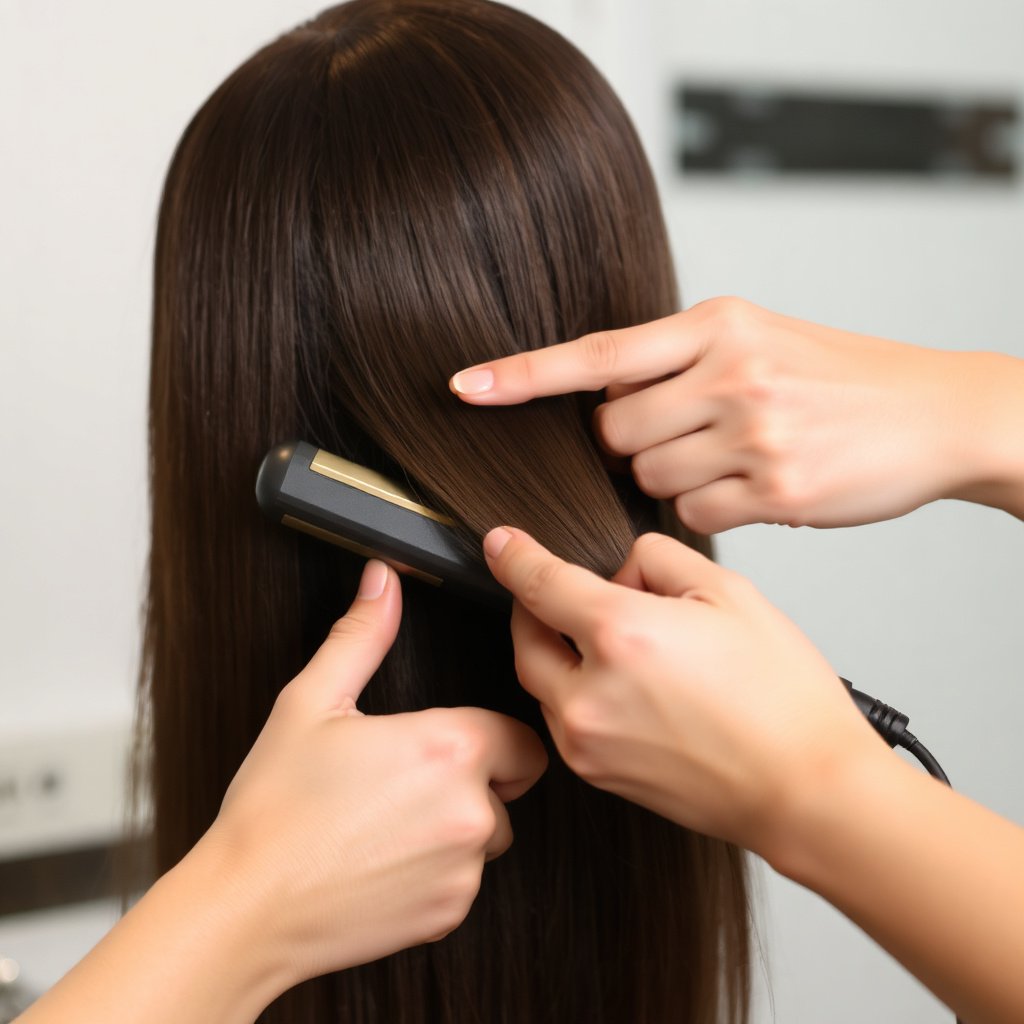
Flat Iron Straightening Steps
Divide the wig into small sections, clipping the upper layers up while working from the bottom layers. Take a thin strand and slowly run the flat iron from roots to ends in one smooth motion. Avoid going over the same section multiple times to reduce heat exposure.
Repeat the process section by section until the entire wig is straight. After finishing, you can apply a tiny amount of lightweight serum or oil to the ends for a polished shine but avoid heavy products that can weigh hair down.
- Section hair into 1-2 inch segments
- Use slow, even strokes with the flat iron
- Do not exceed recommended temperature
- Apply finishing serum sparingly
For more on this, see our related guide: Can You Straighten a Human Hair Wig? Practical Tips and Techniques.
Blow Drying Techniques for Straightening
Start with towel-dried wig hair sprayed with heat protectant. Use the blow dryer with a round brush to pull hair taut while directing heat downward from roots to tips. Work in sections to maintain control and smoothness. Allow the wig to air cool on a stand after drying to lock the style in place.
This gentle technique reduces the chance of straightening damage and adds natural volume. Using the cool shot button on the blow dryer can help set the straightened hair and reduce frizz.
- Dry in small sections for even heat
- Brush hair smoothly while drying
- Finish with cool air for setting hair
- Avoid excessive brush tension to prevent fiber stretch
Aftercare for Straightened Human Hair Wigs
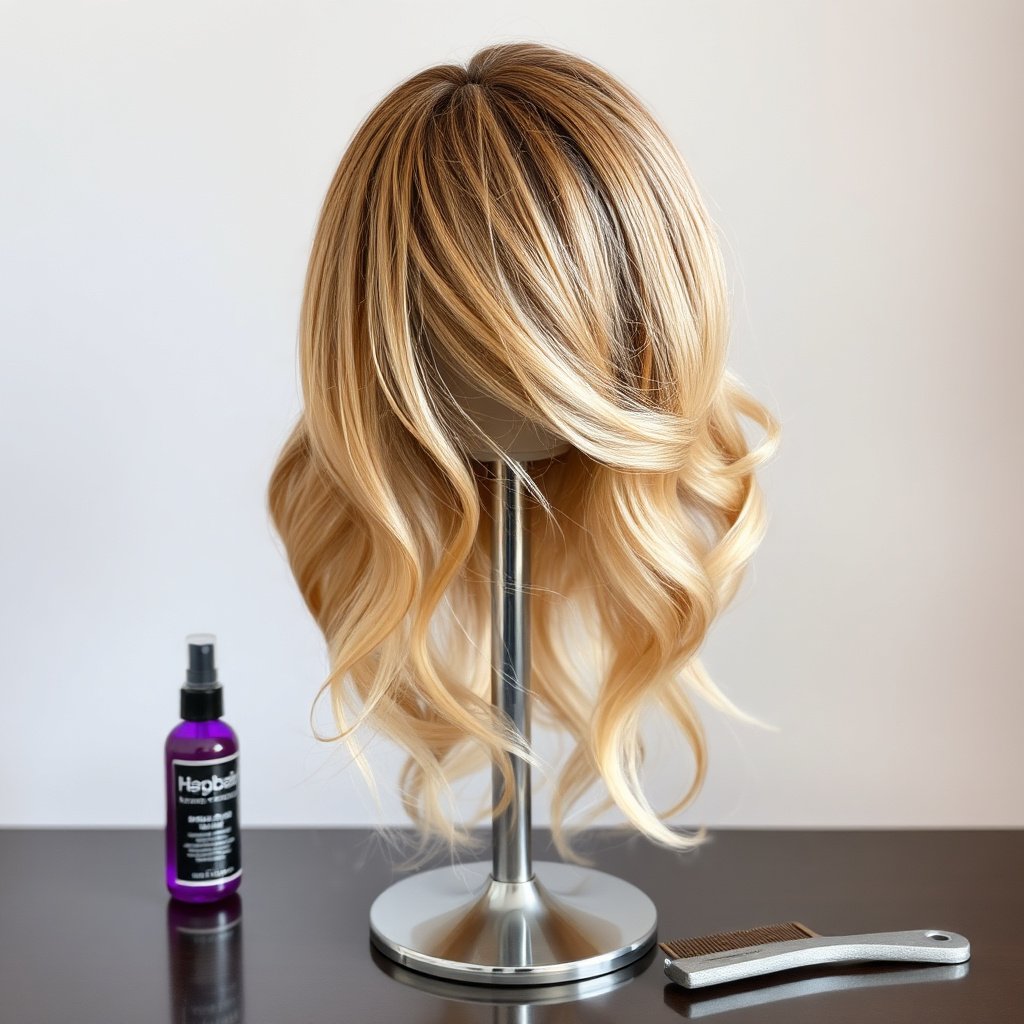
Maintaining Straightened Style
To keep your human hair wig straight for longer, store it on a wig stand or mannequin head to maintain shape and prevent tangles. Sleep with a satin scarf or bonnet to reduce friction and frizz. Avoid heavy humidity exposure which can cause the hair to revert to its natural texture or frizz.
Light touch-ups with a flat iron at low heat can refresh the style, but limit frequency to preserve hair quality. Using anti-frizz sprays formulated for wigs can also help prolong the sleek look without buildup.
Cleaning and Conditioning Post-Straightening
Straightening puts stress on the hair fibers, so regular moisturizing treatments are necessary. Every few wears, wash the wig gently with a hydrating shampoo and follow with a deep conditioner. Leave-in conditioners or hair masks help restore hydration and softness lost from heat styling.
Avoid harsh detergents or overwashing which can shorten the lifespan and dull the wig. Proper upkeep preserves the wig’s natural movement and shine even after repeated straightening.
- Use wig-specific shampoos and conditioners
- Apply deep conditioning masks biweekly
- Let wig air dry completely before styling
- Avoid brushing wet wig hair to prevent breakage
Common Mistakes to Avoid When Straightening Human Hair Wigs

Overusing High Heat
Applying excessive heat or repeatedly running hot tools over the same sections causes dryness, split ends, and irreversible damage. This weakens the wig fibers and shortens durability. Aim to use the lowest effective temperature to achieve a smooth finish.
Allow the wig to cool completely between styling sessions to avoid compounding heat stress. Overheating is the most common cause of frizz and dullness in human hair wigs post-straightening.
For more on this, see our related guide: Is Human Hair Wig Worth It? The Complete Answer.
Skipping Heat Protection and Preparation
Not using heat protectant sprays before straightening exposes hair fibers directly to damage. Similarly, failing to detangle or cleanse the wig properly can cause uneven styling and breakage. Proper preparation safeguards the quality and appearance of your human hair wig.
Taking short cuts on preparation negatively impacts styling results and recovery time of the wig’s texture after heat exposure.
Alternative Straightening Methods for Human Hair Wigs
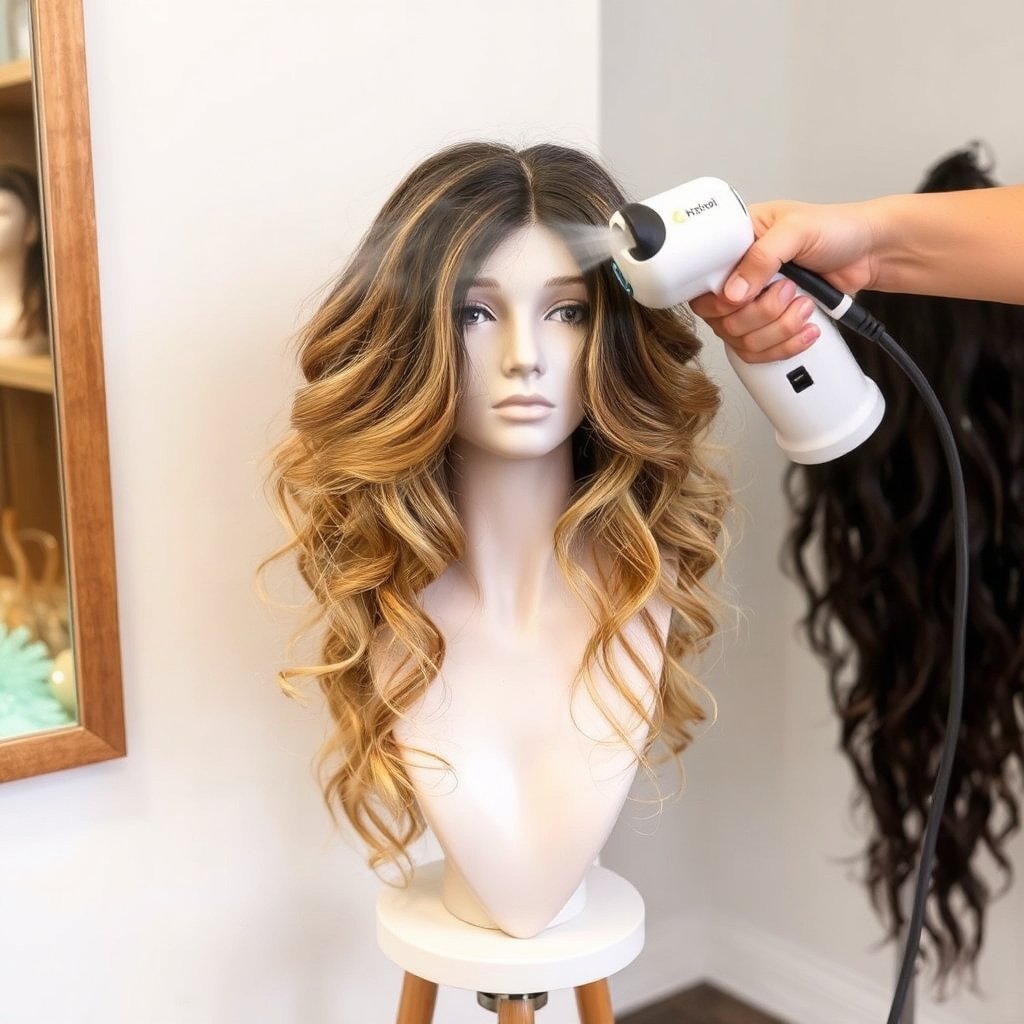
Using Steam Straightening
Steam straightening applies moisture and heat simultaneously to relax curls and waves gently. This method minimizes dryness and maintains hair elasticity better than dry heat tools. A handheld steam styler with adjustable steam flow allows for careful control, making it a wig-friendly choice.
Though slower than flat ironing, steam straightening reduces damage risk and keeps hair soft. Regularly steaming helps refresh texture without chemical treatments.
- Use only on clean, detangled wigs
- Maintain a safe distance to avoid soaking hair
- Combine with heat protectants for added defense
For more detailed information on the care and maintenance of human hair wigs, you can visit the human hair wig care on Wikipedia. human hair wig care on Wikipedia.
Chemical Straightening Options
Some opt for gentle chemical relaxers or smoothing treatments designed for human hair wigs, but these require professional application. Chemicals permanently alter hair structure, so consider this only if you want long-term straightness and accept potential tradeoffs in texture and lifespan.
If choosing chemical methods, consult a wig care specialist for safest options and post-treatment care to keep the hair healthy.
- Seek expert application to avoid damage
- Follow strict aftercare routines
- Consider reversibility before proceeding
Human Hair Wig Straightening Tools Comparison
Here’s a comparison of common straightening tools based on heat control, ease of use, and suitability for human hair wigs.
| Tool Type | Heat Settings | Ease of Use | Risk of Damage | Best For |
|---|---|---|---|---|
| Ceramic Flat Iron | Adjustable 250°F-400°F | High | Moderate | Smooth, sleek straightening |
| Titanium Flat Iron | Adjustable 300°F-450°F | Moderate | Higher | Quick straightening on coarse hair |
| Blow Dryer with Brush | Low to Medium | Moderate | Low | Gentle straightening with volume |
| Steam Styler | Steam control, low heat | Moderate | Low | Gentle, moisture-based straightening |
| Chemical Relaxer | N/A | Low | High | Permanent straightening (professional use only) |
Frequently Asked Questions
Can I straighten a human hair wig every day?
Daily straightening is not recommended as it exposes the wig to constant heat stress, leading to damage and shorter lifespan. Limit styling with heat tools to a few times weekly and always use heat protectant.
What is the safest flat iron temperature for human hair wigs?
Temperatures between 300°F and 350°F are typically safe for human hair wigs. Higher heat can cause dryness and split ends, so start low and increase carefully if needed.
Should I use regular hair products on my human hair wig?
Wig-specific shampoos, conditioners, and styling products are preferred since they are formulated for wig fibers. Regular products can be too harsh or heavy, causing buildup or damage.
How do I prevent frizz after straightening my wig?
Use an anti-frizz serum or light oil after straightening, store the wig on a stand, and cover it with a satin scarf at night to minimize friction. Avoid humid environments when possible.
Is it okay to straighten synthetic fiber wigs?
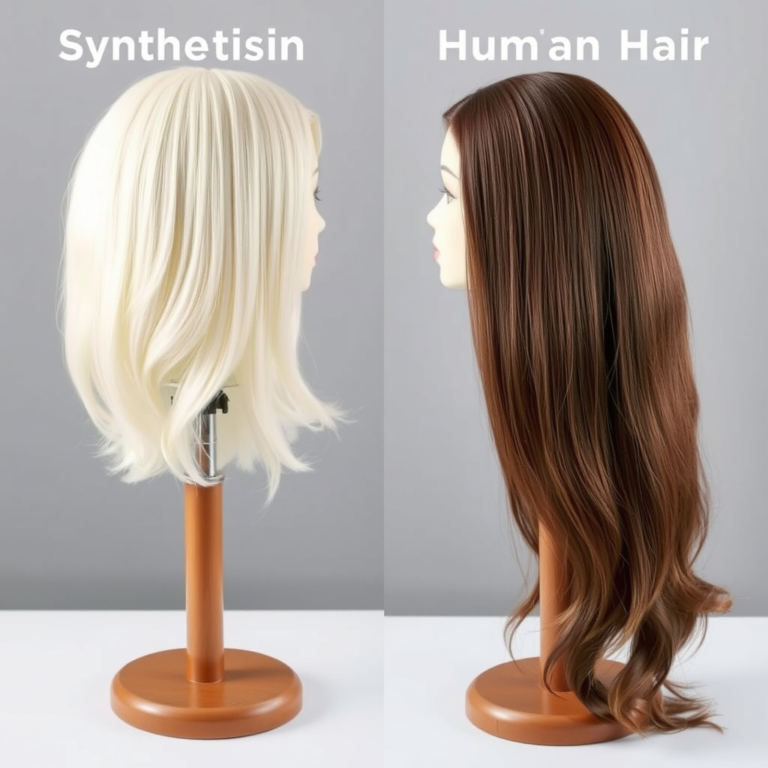
No, synthetic wigs usually cannot withstand high heat; straightening risks melting or damaging fibers. Always check the wig fiber type before using heat styling tools.
Key Takeaways
- Always use heat protectant to shield your wig from heat damage
- Wash, condition, and detangle the wig before straightening
- Choose styling tools with adjustable temperature controls
- Avoid excessive heat and limit straightening frequency
Conclusion
Straightening a human hair wig requires attention to detail, from proper washing and conditioning to choosing the right heat tools and temperatures. Keeping to moderate heat, preparing the wig thoroughly, and using protective products will preserve the hair’s natural integrity and shine. Understanding these steps helps you style confidently without sacrificing longevity.
If you frequently straighten your wig, options like ceramic flat irons with digital temperature controls or steam stylers balance efficiency with gentleness. For occasional styling, blow dryers with brush attachments offer a safer, volumizing alternative. Chemical straightening should be reserved for those seeking long-term results with professional guidance due to potential risks.
Before you begin, inspect your wig’s condition, invest in quality heat protectants, and practice on less visible sections if new to straightening. By combining careful preparation with the right tools, you can enjoy sleek, straight styles that look natural and maintain your human hair wig’s beauty for months.