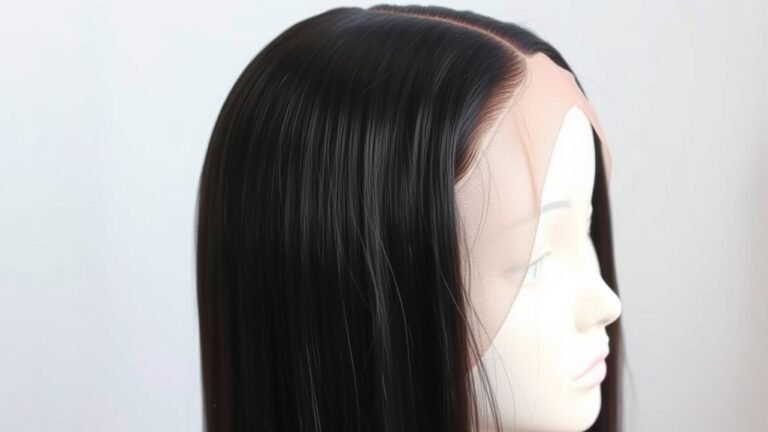
How to Style a Lace Front Wig for a Natural, Stunning Look
Styling a lace front wig starts with prepping the wig correctly and securing the lace to create a natural hairline. Begin by trimming excess lace carefully, then attach the wig using adhesive, tape, or clips to ensure a snug fit. Next, customize the wig by parting the hair where you want and using heat tools or styling products suited for the wig’s fiber type to shape the hair as desired.
This process matters because a well-styled lace front wig can look just like natural hair, boosting confidence and versatility. The lace mimics the scalp and provides the opportunity to wear your hair in virtually any style, from sleek middle parts to voluminous curls. Knowing how to care for and style the wig properly extends its lifespan and keeps it looking fresh and realistic.
This article will cover essential steps and tips for styling your lace front wig, from preparation and fitting to heat styling, maintenance, and everyday styling options. Whether you want to wear it straight, curly, or in an updo, you’ll learn techniques to achieve a flawless finish that suits your lifestyle and personal style.
Preparing and Securing Your Lace Front Wig
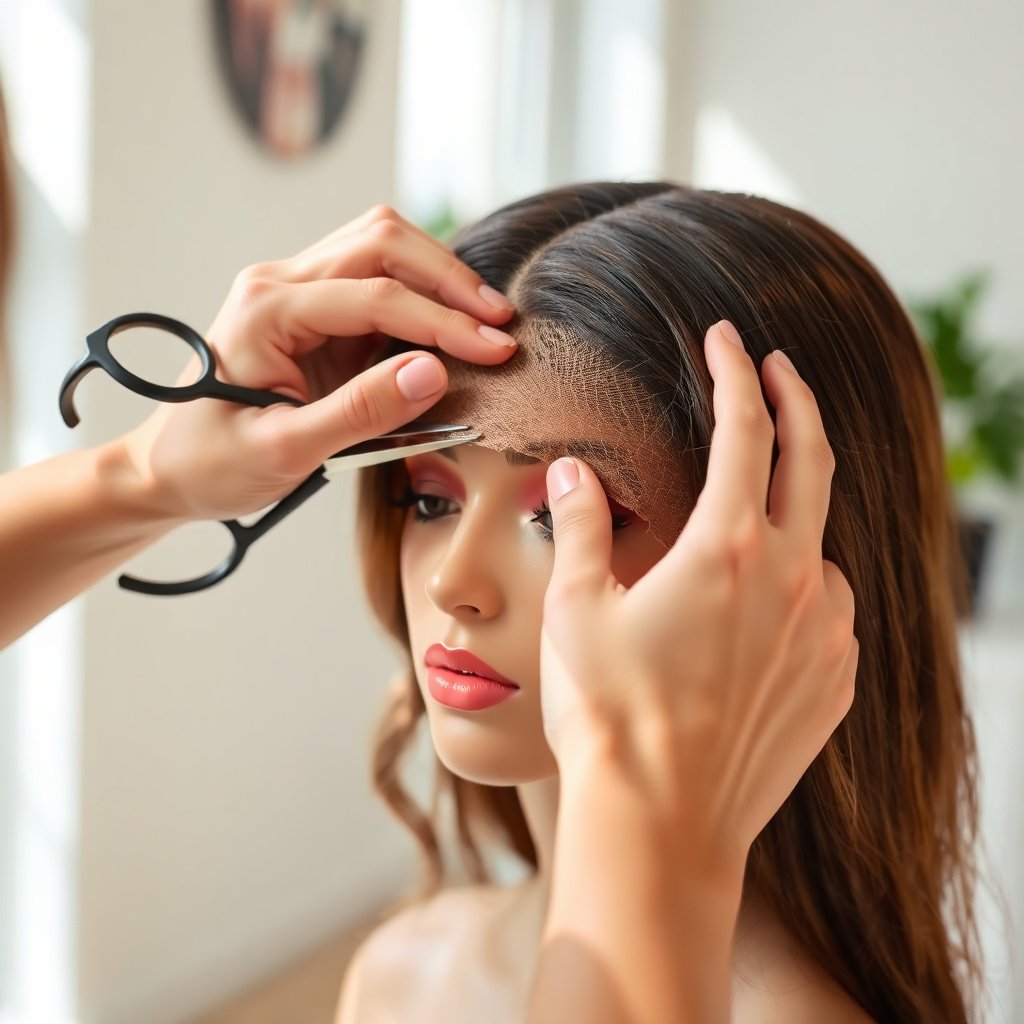
Trimming the Lace for a Natural Hairline
Before wearing your lace front wig, trimming the lace is essential to create a realistic hairline. Carefully cut the lace as close to the hairline as possible without damaging the hair strands. Use small, sharp scissors and cut in small sections to avoid jagged edges. This step helps the lace blend invisibly with your skin.
Always leave a tiny amount of lace beyond the hairline to protect the wig and provide some room for adhesive application. If you cut too close, the edge may lift or cause discomfort. Proceed slowly and check the fit often while trimming to maintain precision.
Securing the Wig with Adhesives and Tape
Choosing the right method to secure your lace front wig depends on your comfort, wig type, and how long you plan to wear it. Adhesives like glue or lace tape are common for a secure, long-lasting hold, while wig clips and adjustable straps can be suitable for daily use without glue.
If using glue or tape, always prepare your scalp by cleaning the hairline and applying a protective barrier if needed. Apply the adhesive carefully under the lace edge, then press down firmly to ensure a secure bond. Avoid excess glue to prevent showing or irritating the skin.
- Use alcohol wipes to cleanse the skin before adhesive
- Allow glue to dry tacky before placing the lace
- Press and hold edges firmly for a minute
- Use adhesive remover for gentle removal
Hair Styling Techniques for Lace Front Wigs

Heat Styling: Straightening and Curling Safely
Most lace front wigs are made from synthetic fibers or human hair, and styling methods differ. Heat styling tools like flat irons or curling wands should only be used on heat-resistant synthetic or human hair wigs to avoid damaging the strands or lace. Always check the wig’s fiber type before applying heat.
Set your styling tool to a medium-low temperature and test on a small section first. Use heat protectant sprays designed for wigs when possible, and avoid pulling or tugging during styling to maintain the wig’s longevity.
- Use low heat settings
- Test a hidden section first
- Apply wig-safe heat protectant
- Avoid frequent excessive heat
For more on this, see our related guide: What Is a Lace Front Wig? A Complete Guide to Style and Function.
Using Styling Products for Hold and Texture
Applying wig-safe styling products such as mousse, gel, or lightweight hairspray keeps your hairstyle intact and adds natural texture. Avoid heavy or sticky products that can weigh down synthetic fibers or cause buildup on the lace.
To add volume or definition, scrunch mousse into curls or lightly spritz hairspray for hold without stiffness. For parting and edges, edge control gels can help create clean, polished baby hairs while blending the lace seamlessly with your hairline.
- Choose wig-friendly, alcohol-free products
- Use sparingly to avoid buildup
- Focus product on mid-lengths and ends
- Avoid heavy oils near lace edges
Maintaining the Lace and Hair for Longevity

Cleaning and Conditioning Your Lace Front Wig
Regular cleaning keeps your lace front wig fresh and prevents product buildup that can damage hair fibers and lace. Use sulfate-free shampoo and a gentle conditioner tailored to your wig’s hair type. Soak the wig carefully and avoid scrubbing or wringing to prevent tangling or lace damage.
After washing, let the wig air dry on a wig stand to maintain the shape and prevent stretching the lace. Avoid heat drying or direct sunlight which may degrade fibers or adhesives.
- Wash every 10-15 wears or as needed
- Use lukewarm water
- Comb gently with a wide-tooth comb
- Store on a wig stand to hold shape
Protecting Your Lace and Hairline When Not Wearing
When your lace front wig is off, store it properly to protect the lace and maintain the cap shape. Use a silk or satin wig bag to reduce friction and prevent tangles. Before storage, gently detangle and brush the wig to avoid knots.
Avoid excessive exposure to heat, humidity, or dust while storing. Regularly check the lace edges for any lifting or damage, and repair as needed to extend the wig’s usable life.
- Detangle before storage
- Store in a cool, dry place
- Use satin or silk coverings
- Inspect lace edges monthly
Styling Options to Personalize Your Lace Front Wig
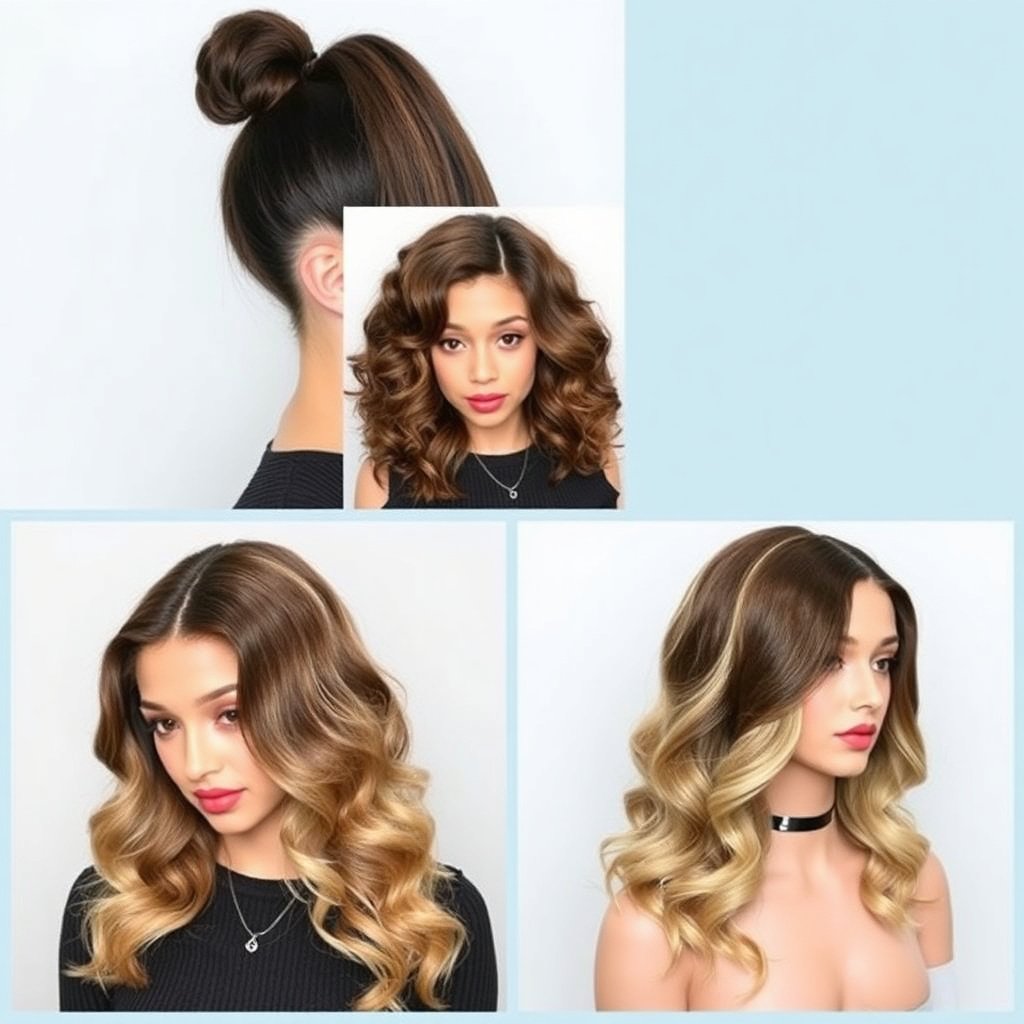
Creating Natural Hairlines with Baby Hairs
One popular way to make your lace front wig look realistic is by styling baby hairs along the hairline. Using a small brush or toothbrush and edge control gel, you can lay and sculpt wispy hairs to mimic natural hair growth, softening the wig’s edges.
Be gentle to avoid pulling any strands and only style the amount of baby hairs that feels comfortable and natural. This technique helps the lace blend invisibly under caps or head coverings.
- Use a small brush or toothbrush
- Apply light edge control gel
- Style baby hairs in small, soft strokes
- Avoid heavy gel application
For more on this, see our related guide: Do Wigs Damage Your Hair? The Complete Answer.
Parting Styles: Middle, Side, and Free Parting
Flexible parting is a key benefit of lace front wigs. You can create a middle part for a classic look, side parts for face-framing styles, or free partings that allow you to change part position at will. Wet the lace gently and comb hair to the desired part before setting with light hairspray.
Using a concealer or foundation powder that matches your scalp color along the part enhances the illusion of natural scalp beneath the lace. Experimenting with part placement offers variety and personal expression.
- Dampen lace lightly before parting
- Use a rat-tail comb for precision
- Apply powder or concealer on part
- Secure with light hairspray if needed
Choosing the Right Lace Front Wig for Styling Success
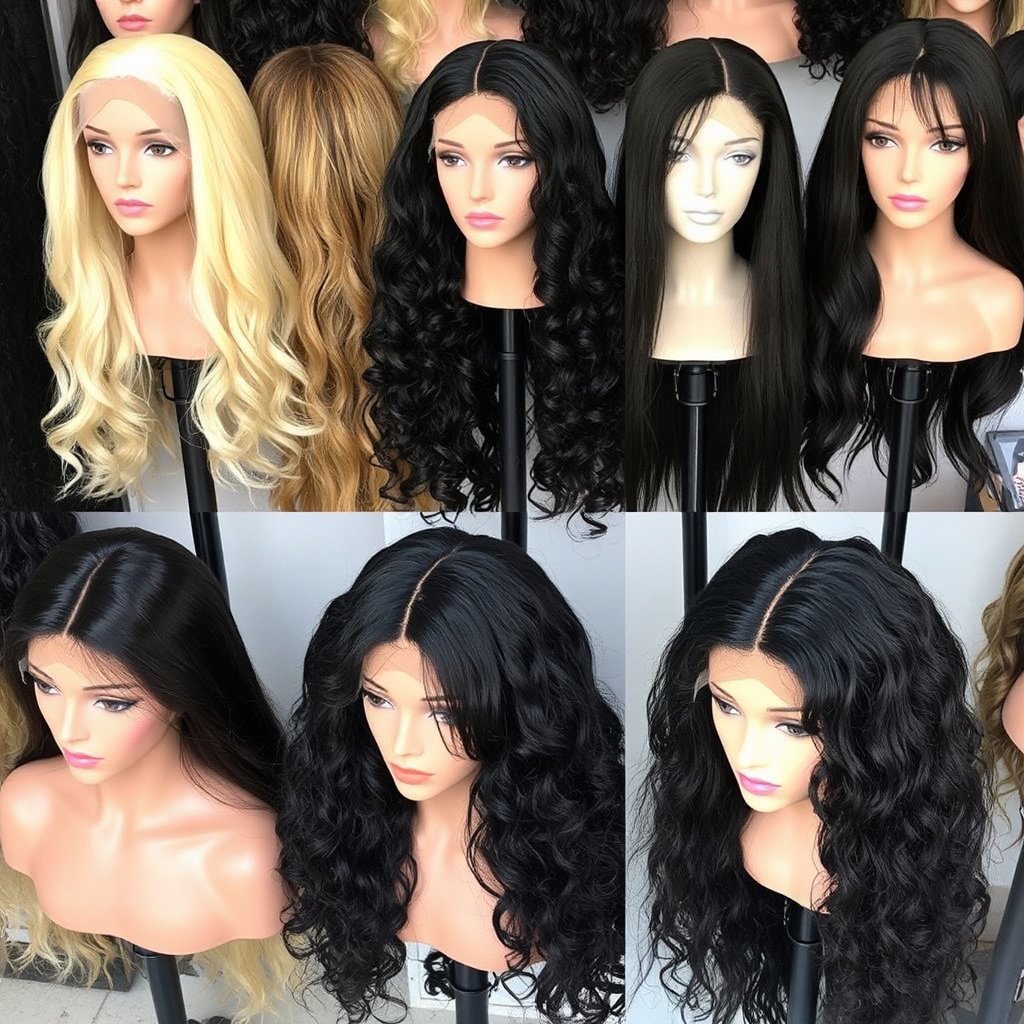
Selecting Wig Density and Hair Texture
Lace front wig density affects styling versatility and the look of fullness. Lower density wigs around 130% provide a natural look ideal for casual wear, while higher densities (180% or more) offer more volume for glamorous styles. Pick the density that matches your typical wear and styling goals.
Hair texture options include straight, wavy, and curly, influencing styling ease and maintenance level. Choose a texture that complements your natural hair or desired style for the most seamless look.
- 130% density for natural looks
- 180%+ density for fuller styles
- Match texture to desired hairstyle
- Consider lifestyle maintenance
For a comprehensive overview of lace front wig construction and history, you can visit the lace front wig page on Wikipedia. lace front wig.
Avoiding Common Lace Front Wig Issues
To prevent lace lifting, discomfort, or unnatural appearance, select a wig with high-quality lace that is breathable and thin enough to blend with your skin tone. Correct wig cap sizing prevents slippage and pressure spots. Always test adhesive sensitivity to avoid irritation.
Regular wig maintenance and careful handling reduce hair shedding and tangling, maximizing the wig’s lifespan and style retention.
- Choose breathable, thin lace
- Ensure proper cap size
- Patch test adhesives before use
- Handle wig gently during styling and washing
Lace Front Wig Styling Methods Comparison
Compare different styling methods for lace front wigs based on ease, durability, and naturalness to find what fits your preferences and lifestyle.
| Styling Method | Ease of Use | Durability | Look Naturalness | Best For |
|---|---|---|---|---|
| Using Adhesive Glue | Moderate | High (up to 2 weeks) | Very Natural | Long wear, events |
| Using Lace Tape | Easy | Moderate (5-7 days) | Natural | Short to medium wear |
| Using Wig Clips | Very Easy | Low (daily adjustment) | Moderate | Quick removal, casual wear |
| Adjustable Strap Only | Very Easy | Low | Less Natural | Beginners, indoor use |
Frequently Asked Questions
Can I use a heat styling tool on any lace front wig?
No, heat tools should only be used on lace front wigs made from human hair or heat-resistant synthetic fibers. Using heat on regular synthetic wigs can cause damage and melting.
How often should I wash my lace front wig?
It's best to wash your lace front wig every 10 to 15 wears or whenever product buildup is noticeable, using gentle shampoo and conditioner formulated for wigs.
What's the best way to secure a lace front wig for swimming or exercise?
Use a strong adhesive like waterproof lace glue or secure lace tape designed for active use, combined with wig caps, to keep the wig safe during water or intense movement.
How do I prevent the lace edges from lifting throughout the day?
Applying adhesive properly, avoiding excess glue, and pressing the lace edges firmly help prevent lifting. Carry adhesive or tape for touch-ups if needed.
Can I create baby hairs on a synthetic lace front wig?
Yes, many synthetic lace fronts allow styling baby hairs using a soft brush and wig-friendly edge control gels, but be gentle to avoid damaging delicate fibers.
Key Takeaways
- Trim lace carefully to mimic natural hairlines
- Use adhesive glue or tape for secure attachment
- Choose heat styling only for heat-resistant wigs
- Maintain and store wigs to prolong lifespan
Conclusion
Styling a lace front wig involves a thoughtful combination of precise preparation, careful attachment, appropriate styling, and ongoing maintenance. Fully understanding the properties of your wig fiber and lace type helps guide your choices for trimming, securing, and styling. Tailoring your approach to your lifestyle and desired looks will create a confident, natural appearance that stands up to daily wear and special occasions alike.
For those seeking durable, natural wear, adhesives and higher density lace front wigs provide superior styling versatility, allowing heat styling and customization like baby hairs and varied partings. Beginners or those wanting easy wear can rely on lace tape or adjustable straps with lower density wigs for simpler upkeep. Matching your wig texture and density to your style preferences supports both comfort and look.
Start by ensuring your lace fit is flawless with proper trimming and secure bonding, then experiment with safe heat styling or various parting arrangements using wig-friendly products. Establish a regular cleaning and storage routine to preserve the look and feel of your lace front wig. With the right approach, you can enjoy seamless, personalized hairstyles that enhance your appearance effortlessly.