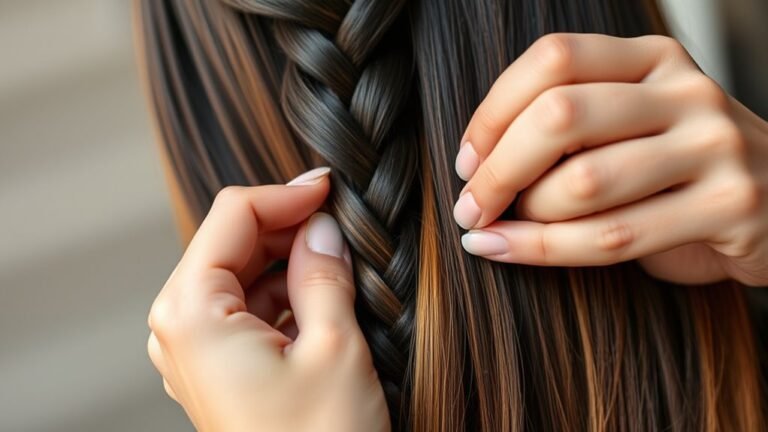
How Long Does a Human Hair Wig Last? A Detailed Lifespan Guide
A human hair wig typically lasts between six months to a year with regular use, but the exact lifespan can vary depending on the quality of the hair, how often it's worn, and the care it receives. Higher-end human hair wigs made from Remy hair often maintain their appearance longer, sometimes up to 18 months with proper maintenance.
Understanding how long a human hair wig lasts matters because these wigs represent a significant investment in both cost and time. By knowing the factors influencing longevity, wearers can adjust their care routines to maximize the wig’s lifespan, keeping it looking fresh and natural for longer periods.
In this article, we will explore the key factors that affect a human hair wig’s durability, including hair quality, daily usage, styling methods, and maintenance tips. We’ll also compare different types of human hair wigs, provide product care advice, and answer common questions about wig longevity.
Factors Influencing How Long a Human Hair Wig Lasts

Hair Quality and Type
The quality and type of human hair used in a wig greatly affect its lifespan. Remy hair, which preserves the natural cuticle alignment, tends to last the longest and require less tangling. Virgin hair, which hasn’t been chemically processed, typically maintains strength and shine much longer than previously treated hair. Synthetic blends or lower-grade hair will wear out sooner.
Wigs made from 100% virgin Remy human hair can offer a natural look and feel that lasts longer than other types. Non-Remy hair or hair with reversed cuticles is more prone to tangling and shedding, thereby reducing the wig's usable life.
Frequency of Wear and Styling
How often you wear your human hair wig impacts its durability. Daily wear exposes the hair to environmental stressors like wind, sun, and pollution, which can accelerate wear. Conversely, wigs worn occasionally can last longer with minimal damage.
Frequent styling with heat tools such as curling irons or straighteners, and chemical treatments like coloring or bleaching, will degrade the hair fibers and shorten the wig’s life. Gentle styling methods help preserve the hair’s integrity over time.
Proper Maintenance and Cleaning of Human Hair Wigs
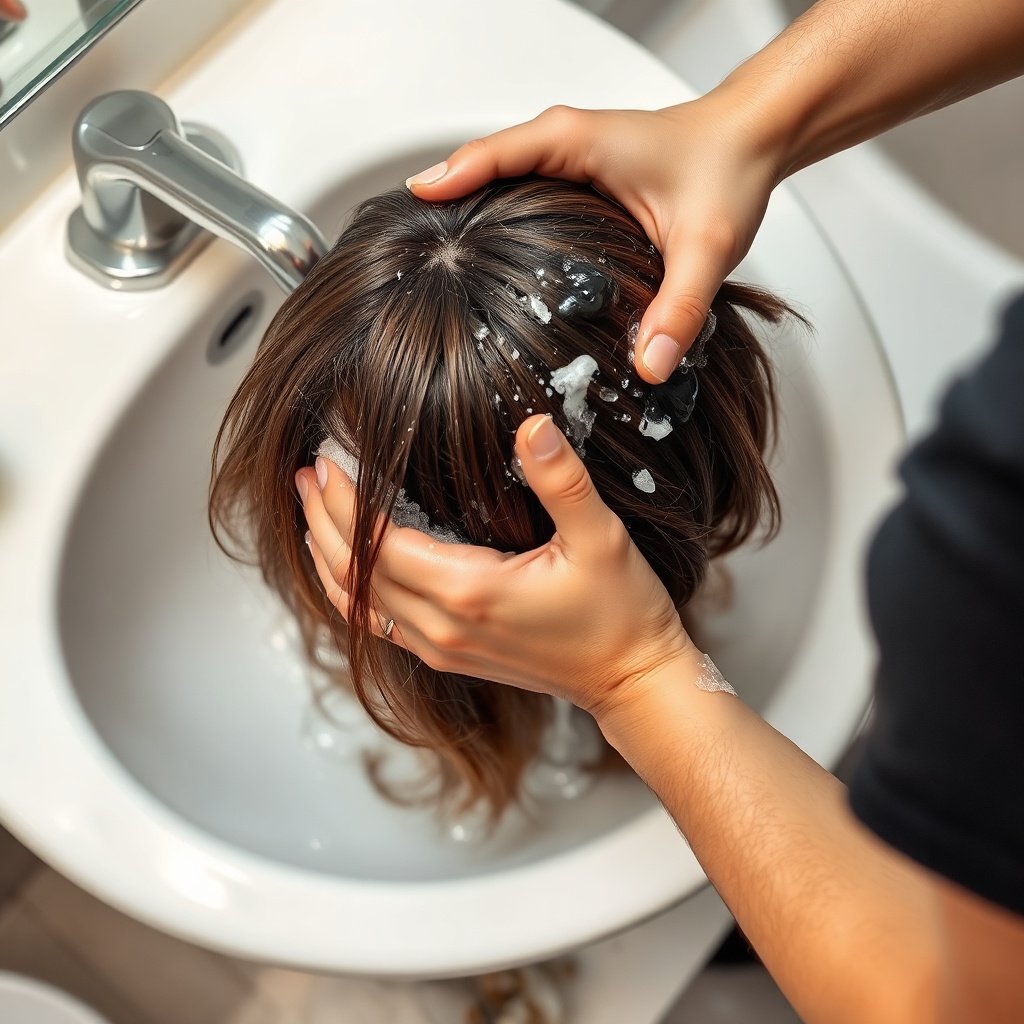
Routine Washing and Conditioning
Regular cleansing with wig-specific shampoos and conditioners keeps the hair clean and prevents buildup that can weaken strands. Typically, cleaning a human hair wig every 10 to 15 wears is advisable unless it's exposed to heavy sweating or dirt.
Using conditioner helps maintain softness and moisture in the hair fibers, reducing dryness and brittleness. Avoid harsh shampoos or daily washing, which can strip natural oils and shorten the wig’s life.
- Use sulfate-free shampoos
- Apply moisturizing conditioners
- Rinse with lukewarm water
- Avoid vigorous scrubbing
Storage and Detangling Practices
Proper storage extends wig lifespan by preventing tangles and damage. Store the wig on a stand or mannequin head to retain shape and avoid creasing. Cover with a hairnet or silk scarf to minimize dust exposure.
Detangling requires gentle handling using a wide-tooth comb or special wig brush starting from the ends, working upwards to the roots. Aggressive combing causes breakage and shedding, accelerating wear.
- Comb wig gently, starting at ends
- Store on wig stand when not worn
- Keep away from direct sunlight
- Use satin or silk covers for storage
Common Types of Human Hair Wigs Compared by Durability

Full Lace vs. Lace Front Wigs
Full lace wigs often last longer because they allow for versatile styling and better air circulation, helping hair fibers remain healthier over time. The full lace cap permits thorough washing and minimal tension during styling.
Lace front wigs, featuring lace only at the front perimeter, are generally more affordable but can experience faster wear along the lace seam. They offer a natural hairline but may require more careful handling around the lace edges.
For more on this, see our related guide: Is Human Hair Wig Worth It? The Complete Answer.
Monofilament and Standard Cap Wigs
Monofilament wigs feature a breathable, mesh scalp that mimics natural hair growth. This type tends to last longer since the even distribution of hair strands reduces stress on individual fibers and keeps the cap durable.
Standard caps are more rigid and might cause faster wear and discomfort if worn frequently. The less flexible design can lead to tension points on the hair, especially with daily use, thus affecting wig longevity.
Styling Methods That Affect Human Hair Wig Lifespan
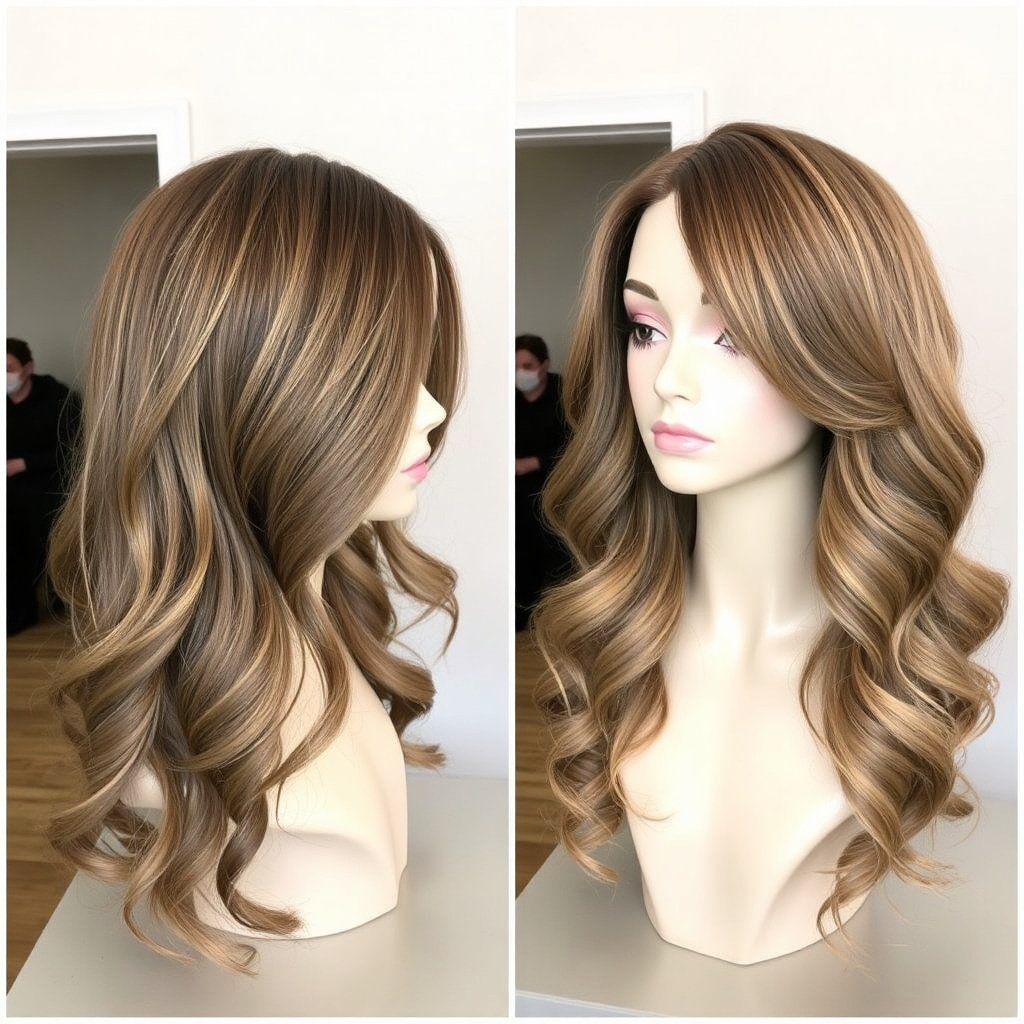
Heat Styling Impact
Using high-temperature styling tools frequently can weaken the hair shaft, leading to dryness, split ends, and breakage. While human hair wigs can tolerate heat styling, it should be done sparingly and with protective products to shield hair fibers.
Opt for lower heat settings and heat protectants specifically designed for wigs to preserve the hair’s strength. Limiting heat exposure increases the wig’s usable life and maintains its silky texture.
- Use heat protectant sprays
- Keep tools below 350°F
- Avoid daily heat styling
- Prefer air drying over blow-drying
Chemical Treatments and Their Effects
Coloring, bleaching, or perming human hair wigs can dramatically shorten their lifespan due to fiber damage. Although these processes offer customization, they should be performed by professionals and with conditioning treatments following the chemical process.
Regular chemical treatments strip natural oils, resulting in dryness and tangling. If color changes are desired, semi-permanent dyes or glosses with less damage potential are preferable options.
- Limit bleaching to reduce damage
- Use conditioning treatments post-process
- Consider semi-permanent dyes
- Consult professionals for chemical work
Signs Your Human Hair Wig is Nearing the End of Its Lifespan

Visible Wear and Texture Changes
When a wig’s hair strands become noticeably frizzy, dry, or lose their natural shine, it usually indicates fiber degradation. Tangling and matting increase as the outer cuticle layer erodes, making detangling difficult without causing additional breakage.
Regularly assessing your wig’s texture can help anticipate when replacement is necessary. Dull, coarse hair is a strong signal that the wig’s structural integrity is weakening.
For more on this, see our related guide: Where to Buy Human Hair: Your Local Shopping Guide.
Cap and Lace Condition
A wig’s cap and lace foundation experiencing tears, loosening, or fraying reduce its overall wearability and lifespan. A damaged cap can affect fit and styling options, making the wig uncomfortable and less natural looking.
Maintaining the cap by careful washing and storing prevents premature damage, allowing the wig to remain secure and intact longer. Repair or replacement of lace may extend the wig’s life marginally but not indefinitely.
Human Hair Wig Care Tips for Extending Wear

Daily Care Routines
Applying leave-in conditioners or wig-specific serums daily protects the hair from environmental damage. Avoid sleeping in the wig to reduce friction and tangling. Using silk or satin pillowcases supports the hair’s smoothness.
Brushing gently with wig-friendly tools and avoiding excessive moisture buildup under the wig can prevent root loosening and shedding, helping the wig stay in good condition longer.
- Use leave-in conditioners sparingly
- Avoid sleeping with wig on
- Brush daily with wide-tooth comb
- Store properly after use
For more detailed information on human hair wigs, refer to the comprehensive Human hair wig care guidelines on Wikipedia. Human hair wig care guidelines.
Professional Maintenance and Repairs
Taking your wig to professionals for regular maintenance, such as deep conditioning, steam treatments, and lace repairs, keeps it in top shape. Experts can address minor damage early, preventing further issues.
Scheduling periodic professional cleaning removes build-up more thoroughly than at-home care and revitalizes the hair fibers, thereby extending the wig’s useful life while maintaining natural appearance.
- Schedule deep conditioning treatments
- Get lace and cap repairs as needed
- Use professional steam styling
- Avoid DIY major repairs
Comparison of Human Hair Wig Categories by Lifespan and Care
This table summarizes different human hair wig categories, comparing their average lifespan, cost, and maintenance requirements to guide your choice.
| Wig Category | Average Lifespan | Cost Range | Maintenance Level | Suitability |
|---|---|---|---|---|
| Remy Virgin Human Hair | 12-18 months | $300-$1000 | Moderate | Frequent wear, natural styling |
| Non-Remy Human Hair | 6-12 months | $150-$500 | High | Occasional wear, limited styling |
| Full Lace Wig | 10-18 months | $400-$1200 | Moderate | Versatile styling, long-term use |
| Lace Front Wig | 6-12 months | $200-$800 | High | Natural hairline, casual use |
| Monofilament Cap Wig | 12-18 months | $350-$1100 | Moderate | Comfortable, breathable for daily use |
| Standard Cap Human Hair Wig | 6-10 months | $100-$400 | High | Budget option, limited styling |
Frequently Asked Questions
Can washing a human hair wig too often reduce its lifespan?
Yes, washing a human hair wig too frequently strips away natural oils and moisture from the hair fibers, causing dryness and breakage which shortens the wig's overall lifespan.
How does heat styling affect the longevity of a human hair wig?
Heat styling can weaken the hair strands and cause damage such as split ends and frizz, especially if used daily without protection, thus reducing the wig’s durability and lifespan.
Are there specific storage methods that help human hair wigs last longer?
Proper storage on a wig stand or mannequin head away from direct sunlight and covered with a silk scarf prevents tangling and preserves the wig’s shape, extending its durability.
Is it better to buy a full lace or lace front human hair wig for longevity?
Full lace wigs generally last longer due to better cap construction and breathability, though they require proper care; lace front wigs may wear out sooner along the lace edges.
What are signs that a human hair wig needs replacement?
Key signs include dullness, excessive tangling, hair shedding, and damage or loosening of the cap and lace, all pointing to significant fiber degradation.
Key Takeaways
- Human hair wig lifespan varies from 6 to 18 months based on quality and care.
- Proper washing, conditioning, and gentle styling extend wig durability.
- Cap construction influences how long a wig maintains its shape and fit.
- Avoid frequent heat and chemical treatments to protect hair fibers.
Conclusion
Choosing how long a human hair wig lasts involves considering hair quality, frequency of use, styling habits, and maintenance precision. The main keyword helps frame an understanding that human hair wigs are a moderately durable investment if handled with care. Recognizing the indicators of wear and damage also enables timely decisions on renewing or repairing a wig to maintain an appealing appearance without unnecessary expense.
For wearers seeking the longest lifespan, investing in higher-grade Remy virgin human hair wigs, especially full lace or monofilament cap constructions, offers enhanced durability with natural aesthetics. Those with less frequent wear or casual needs may find lace front or non-Remy wigs provide adequate value but require closer attention to maintenance routines. Techniques that avoid harsh chemical treatments and minimize heat exposure further maximize usable months.
The next step after understanding human hair wig care is to select a wig matched to your lifestyle and review professional upkeep options. Routine cleaning, gentle handling, and smart storage complement the natural qualities of the wig, enabling months of natural wear. Consider consulting with wig specialists for personalized advice to help your investment stand the test of time.