What Is a Headband Wig? A Complete Guide to This Easy Hairstyling Solution
A headband wig is a type of wig that features a stretchy fabric band attached along the front hairline. Unlike traditional full lace or lace front wigs, the headband wig is designed to be worn quickly without the need for adhesives, clips, or complex installations. You simply place it on your head, position the headband, and style the hair as you like.
This makes headband wigs attractive for anyone wanting a fast, comfortable hairstyle that looks natural but avoids the time-consuming processes tied to glued or sewn-in wigs. The headband not only helps secure the wig but also creates a natural transition at the forehead where hairlines show. This is especially useful for people experiencing hair thinning, hair loss, or just seeking versatile styling options.
In this article, we’ll cover what a headband wig is, the different types available, how to wear and care for them properly, and how they stack up against other wig styles. We’ll also review popular headband wig materials and share tips for choosing the best one to fit your lifestyle.
Understanding Headband Wigs: Construction and Features
Basic Anatomy of a Headband Wig
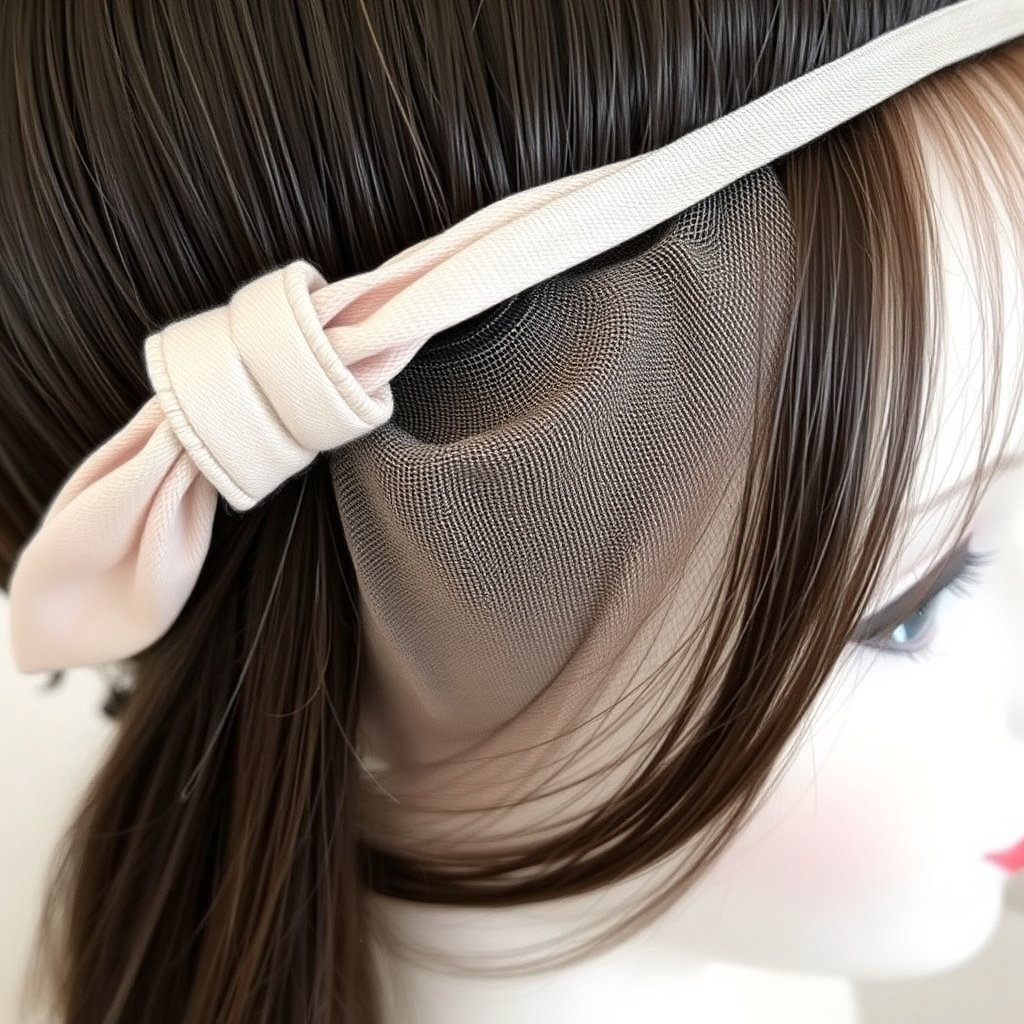
A headband wig consists of a wig cap with hair attached and a stretchy fabric band sewn along the front edge. This band serves as the primary securing method, replacing glue or clips and allowing for easy application. The wig cap can be made from breathable materials like lace or mesh to improve comfort.
The hair can be synthetic fibers or human hair, arranged in various textures such as straight, wavy, or curly. Because the headband covers the perimeter, the wig cap's edges aren’t visible, creating a seamless look without intricate hairline customization.
Advantages Over Other Wig Types
Headband wigs eliminate the need for adhesive glue, tape, or clips, making them gentle on natural hair and scalp. This ease of wear allows daily changes in hairstyle without professional assistance.
They also offer breathable comfort because the cap construction is simpler and often uses lighter fabrics. Plus, the headband can be styled or swapped out for different colors and patterns, adding personal flair.
- No glue or tape needed
- Reduced scalp irritation
- Quick on and off
- Customizable headbands
Types of Headband Wigs to Suit Different Needs

Synthetic vs. Human Hair Headband Wigs
Synthetic headband wigs are made from man-made fibers designed to mimic natural hair appearance. They are generally more affordable, require less maintenance, and hold their style even after washing. However, synthetic wigs are less heat resistant and may not last as long as human hair wigs.
Human hair headband wigs offer a richer, more natural look and feel. They can be styled with heat tools and dyed, offering maximum versatility. These are typically more expensive but provide a more authentic hair experience and longer lifespan with proper care.
Headband Wig Cap Constructions
Most headband wigs come with either a lace front cap or a full mesh cap. Lace front caps create a natural hairline while the headband covers edges, which is ideal for realism. Mesh caps focus on breathability and comfort and work well for everyday wear when hairline detail is less critical.
Some wigs have adjustable straps inside the cap to ensure a snug fit, which is important for active users or those wearing wigs for long hours. The stretch and material of the headband itself also affect the overall fit and comfort.
How to Wear and Style a Headband Wig

Step-by-Step Application Tips
Start by placing your natural hair flat, either in braids or a wig cap. Stretch the headband wig from the back of your head to the front. Position the headband so it covers your natural hairline and adjust the cap for comfort. Finally, style the headband fabric and wig hair to your preference.
Avoid pulling the headband too tight to prevent discomfort but ensure it’s secure enough to stay put during activities. Some users pin the wig at the nape for extra hold, especially if the headband fabric is very stretchy.
- Flatten natural hair
- Place wig over head
- Adjust headband for fit
- Style hair and headband
For more on this, see our related guide: Your Guide to Headband Wigs: Choosing With Confidence.
Customizing Your Headband Look
With so many headband designs available, from solid colors to prints, you can swap them out to match outfits or moods. Adding accessories like bows or pins can elevate the look further. Since the headband covers the wig’s edge, it doubles as a fashion statement and functional piece.
Some wearers choose headbands with built-in elastic or Velcro adjustments to accommodate head size changes or prevent slippage, making styling even easier and more secure.
Caring for Your Headband Wig to Extend Its Life

Cleaning Synthetic and Human Hair Wigs
Synthetic headband wigs should be washed every 6-8 wears with wig-specific shampoos and conditioners to maintain fiber integrity. Rinse gently and let air dry to avoid damaging fibers. Avoid heat styling as synthetic fibers are heat sensitive.
Human hair headband wigs require regular shampooing with mild, sulfate-free products. Condition and moisturize to prevent dryness and tangling. These wigs can be styled using heat tools but keep heat moderate to avoid damage.
Storage and Handling Practices
Store headband wigs on a wig stand or mannequin head to keep shape when not in use. Avoid folding or crushing the headband fabric to preserve its elasticity. Protect from dust and sunlight with a breathable bag.
When brushing, use a wide-tooth comb or wig brush starting from ends to roots to avoid pulling out strands. Regular maintenance keeps the wig looking fresh and extends its usable lifespan.
Comparing Headband Wigs with Other Wig Styles

Headband Wigs vs. Lace Front Wigs
Headband wigs offer faster and simpler wear than lace front wigs, which require glue or tape for a natural hairline. Lace fronts can look more authentic with proper application but demand more time and skill to install. Headband wigs are less permanent and gentler on hair.
Comfort-wise, headband wigs generally provide better ventilation and less scalp irritation since adhesives are unnecessary, making them preferable for sensitive scalps or temporary use.
For more on this, see our related guide: Best Wigs for Black Women: Top Picks and Buying Tips.
Headband Wigs vs. Clip-In Wigs
Clip-in wigs rely on small clips to attach to existing hair, needing sufficient natural hair volume for secure grip. Headband wigs don’t have this restriction and can suit users with thinning or no natural hair.
Clip-in wigs allow quick removal but can sometimes pull on hair or become uncomfortable over extended wear. Headband wigs tend to be more comfortable since the fabric band distributes pressure evenly.
Where to Find and Buy Quality Headband Wigs
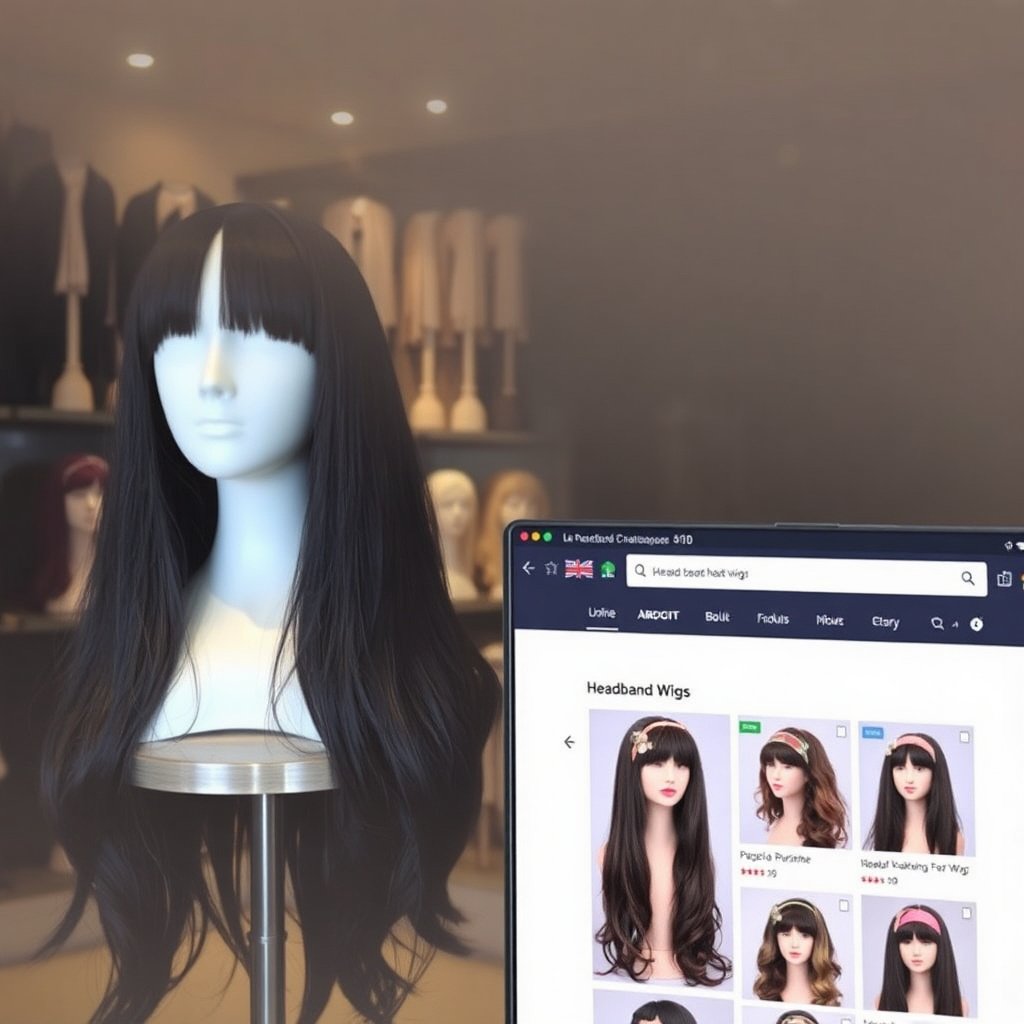
Shopping at Wig Boutiques and Salons
Visiting a wig boutique or salon allows you to try on different headband wigs in person, get professional fitting advice, and explore custom options. Stylists can assist with headband selection, wig sizing, and styling tips tailored to your preferences.
Boutiques often carry a range of synthetic and human hair headband wigs, providing immediate purchase and sometimes aftercare services like cleaning or minor repairs.
For more detailed background on wigs in general, you can visit the comprehensive wig page on Wikipedia. Headband wig information at Wikipedia.
Online Retailers and Marketplaces
Many online retailers specialize in headband wigs with extensive selections across textures, colors, and price points. Customer reviews and videos often help gauge quality and appearance before buying. Be sure to check return policies and size charts carefully.
Popular vendors include dedicated wig shops and general beauty outlets. Searching for the best headband wigs for beginners may direct you to wig kits or starter bundles that include multiple headbands for styling flexibility.
Headband Wigs Category Comparison
Here’s a comparison of various headband wig categories to find the right fit for your needs based on key factors like price, maintenance, and versatility.
| Category | Material | Price Range | Durability | Ease of Use | Styling Flexibility |
|---|---|---|---|---|---|
| Synthetic Headband Wigs | Synthetic Fibers | $30-$70 | 6-12 months | Very Easy | Limited heat styling |
| Human Hair Headband Wigs | Human Hair | $100-$300 | 1-3 years | Moderate | Full heat styling |
| Lace Front Headband Wigs | Synthetic or Human Hair | $80-$250 | 1-2 years | Easy | High |
| Mesh Cap Headband Wigs | Synthetic or Human Hair | $50-$150 | 8 months – 2 years | Very Easy | Moderate |
Frequently Asked Questions
Can I wear a headband wig every day?
Yes, headband wigs are designed for daily wear because they are easy to put on and gentle on your scalp. Just remember to care for the wig properly by washing and storing it correctly to maintain its condition.
Do headband wigs fit all head sizes?
Most headband wigs come with adjustable straps and stretchy fabric bands that accommodate various head sizes. However, some users might need to try different models for the most comfortable and secure fit.
How do headband wigs affect natural hair?
Since headband wigs do not require glue or clips, they are much gentler on natural hair and scalp. Wearing them typically reduces traction and damage compared to traditional wig types.
Can I style a synthetic headband wig with heat?
Generally, synthetic wigs cannot be styled with heat tools unless they are labeled as heat-resistant. Using heat on non-heat-resistant synthetic wigs can cause melting or damage.
Are headband wigs suitable for people with hair loss?
Absolutely. Headband wigs offer a natural-looking solution for those experiencing hair thinning or loss, as the headband conceals the hairline and the wig provides full coverage without damaging any remaining hair.
Key Takeaways
- Headband wigs provide a quick, glue-free alternative to traditional wigs with a built-in fabric band for easy wear.
- They come in synthetic and human hair versions, each offering distinct advantages in style and maintenance.
- Wearing and caring for headband wigs properly extends their lifespan and maintains natural appearance.
- They suit a wide range of users, especially those seeking comfortable daily wear or coping with hair loss.
Conclusion
Choosing the right wig starts with understanding your lifestyle, hair type preferences, and how much time you want to invest in styling. The headband wig stands out as an accessible option that balances comfort, speed, and aesthetics by foregoing adhesives and complicated fittings. Its unique band design not only secures the wig but also contributes to a natural hairline appearance for many users.
For individuals looking for budget-friendly, low-maintenance options, synthetic headband wigs perform well and sustain their shape with minimal effort. Those who prioritize versatility and a natural feel may prefer human hair headband wigs, which allow heat styling and longer wear life. The headband aspect simplifies wearing the wig daily or swapping styles frequently, eliminating downtime or salon visits generally required for lace fronts or glued wigs.
If you want to upgrade your daily hair routine with minimal fuss, starting with a headband wig is a practical next step. Consider your hair texture, comfort needs, and how you'll style it. Trying on different headband wig styles at a boutique or purchasing small starter sets online will help find the right balance of style, budget, and ease that fits your needs perfectly.