How to Prevent Hair Breakage: Effective Tips for Stronger Hair
Hair breakage happens when strands become weak and snap off, resulting in thin, uneven hair. How to prevent hair breakage is a question many face, especially when trying to maintain length and fullness. The key lies in adopting protective practices that reduce stress on hair fibers and nourish the scalp and strands regularly.
Hair breakage matters because it can significantly affect how your hair looks and feels, sometimes making you think your hair isn’t growing. External factors like harsh styling, environmental damage, and improper care can all weaken hair. Getting a handle on these factors helps maintain hair’s integrity and overall health.
This article explores effective strategies on how to prevent hair breakage. We’ll cover daily hair care routines, products to avoid, the role of diet, and styling tips that protect your hair. Additionally, we'll compare hair breakage treatments and answer common questions to help you keep your hair strong.
Understanding the Causes of Hair Breakage
Chemical and Heat Damage
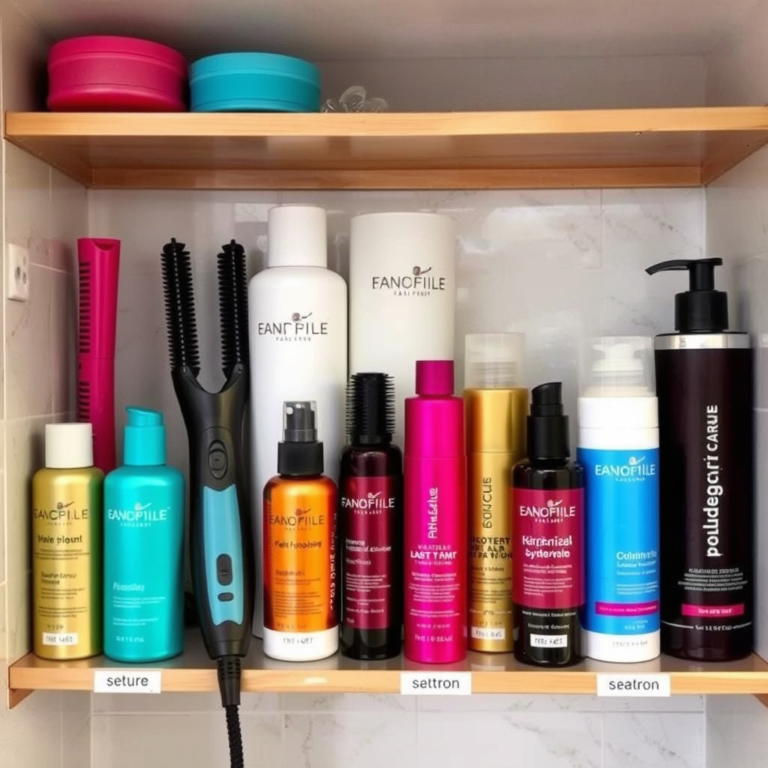
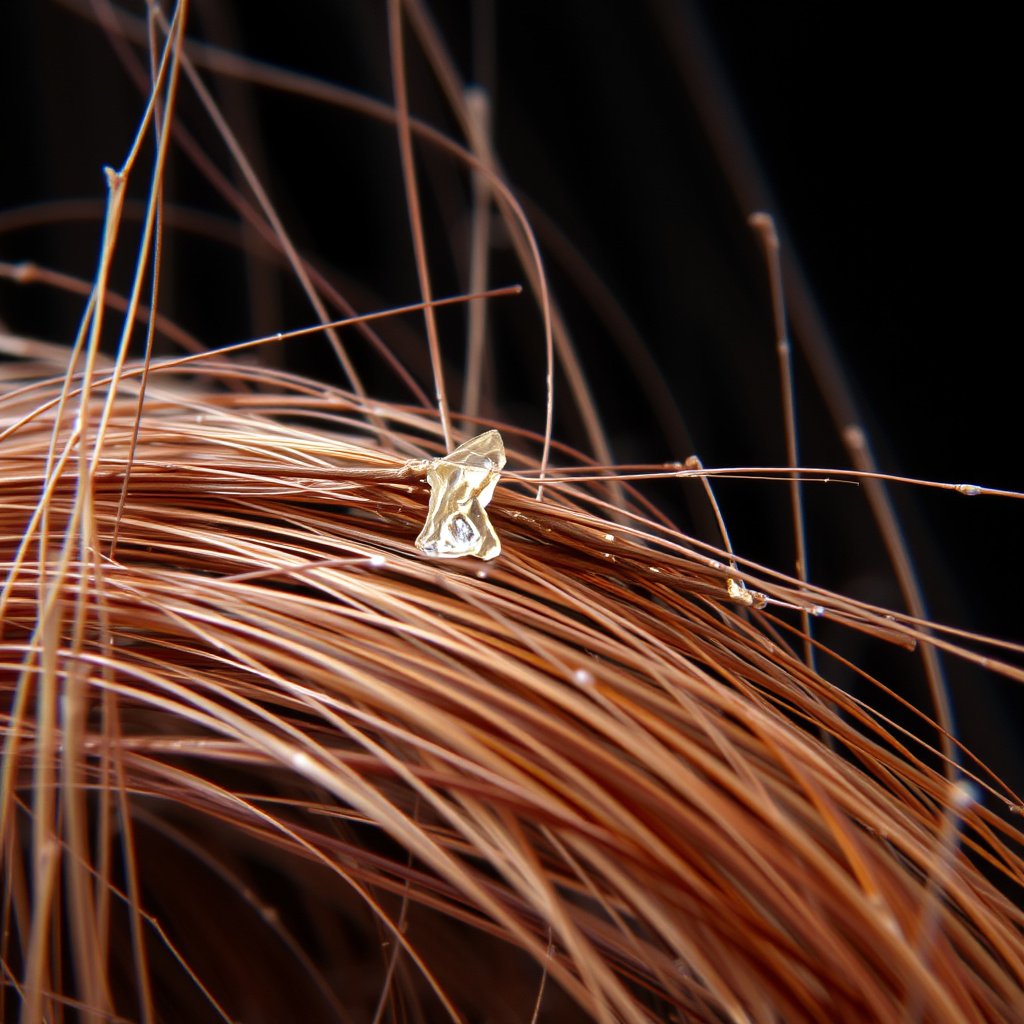
Chemical treatments like bleaching, perming, and excessive coloring can weaken the protein structure of hair, causing strands to become brittle. Heat styling tools such as flat irons and curling wands apply intense heat that strips moisture and breaks down keratin, leading to increased breakage.
Repeated exposure without protective measures compounds damage. Hair becomes dry, fragile, and prone to snapping, especially at the ends, where the hair is naturally oldest and weakest.
Mechanical Stress and Environmental Factors
Brushing hair too aggressively or using the wrong type of brush can cause mechanical damage. Wet hair is particularly vulnerable since it stretches and breaks more easily than dry hair. Environmental factors like sun exposure, wind, and pollution also degrade hair’s protective outer layer.
Low humidity and cold weather can dry out hair, while excessive chlorine or saltwater exposure leads to further fragility, increasing the chance of breakage over time.
Daily Hair Care Tips to Prevent Hair Breakage
Gentle Cleansing and Conditioning
Use sulfate-free shampoos that cleanse without stripping natural oils, which are critical for hair strength. Follow with conditioners containing moisturizing ingredients like shea butter or argan oil to replenish moisture and smooth the cuticle.
Conditioning regularly increases elasticity and minimizes friction between strands, reducing the chance of breakage during brushing or styling.
- Avoid hot water during washing
- Apply conditioner mainly to mid-lengths and ends
- Rinse hair thoroughly but gently
Proper Drying and Detangling Techniques
Blot hair softly with a microfiber towel or old cotton shirt instead of rubbing to avoid roughening the cuticle. Let hair air dry partially before using heat.
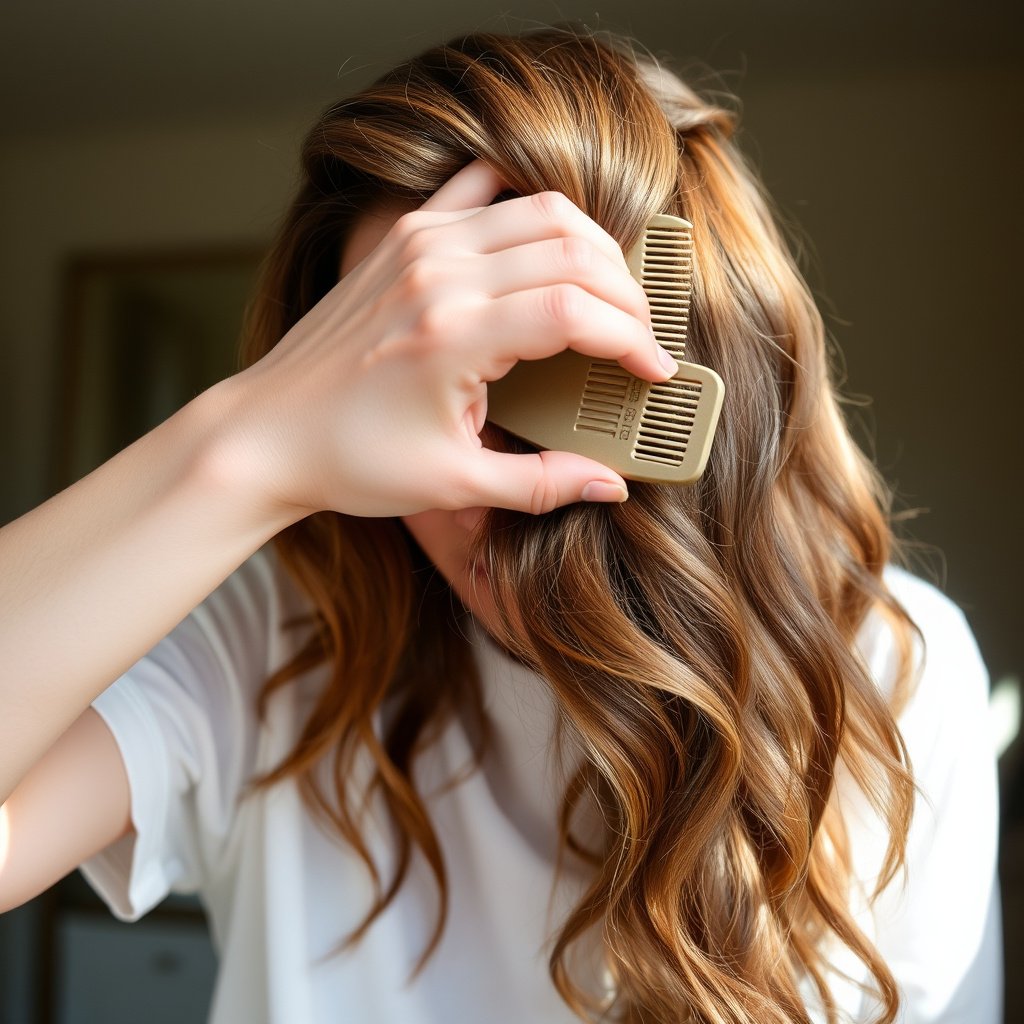
Use a wide-tooth comb or detangling brush starting from the ends, slowly working up to the roots to minimize tugging and snapping.
- Do not brush wet hair vigorously
- Use leave-in conditioners or detangling sprays
Hair Breakage Treatment Options and Products
Protein Treatments and Hair Masks
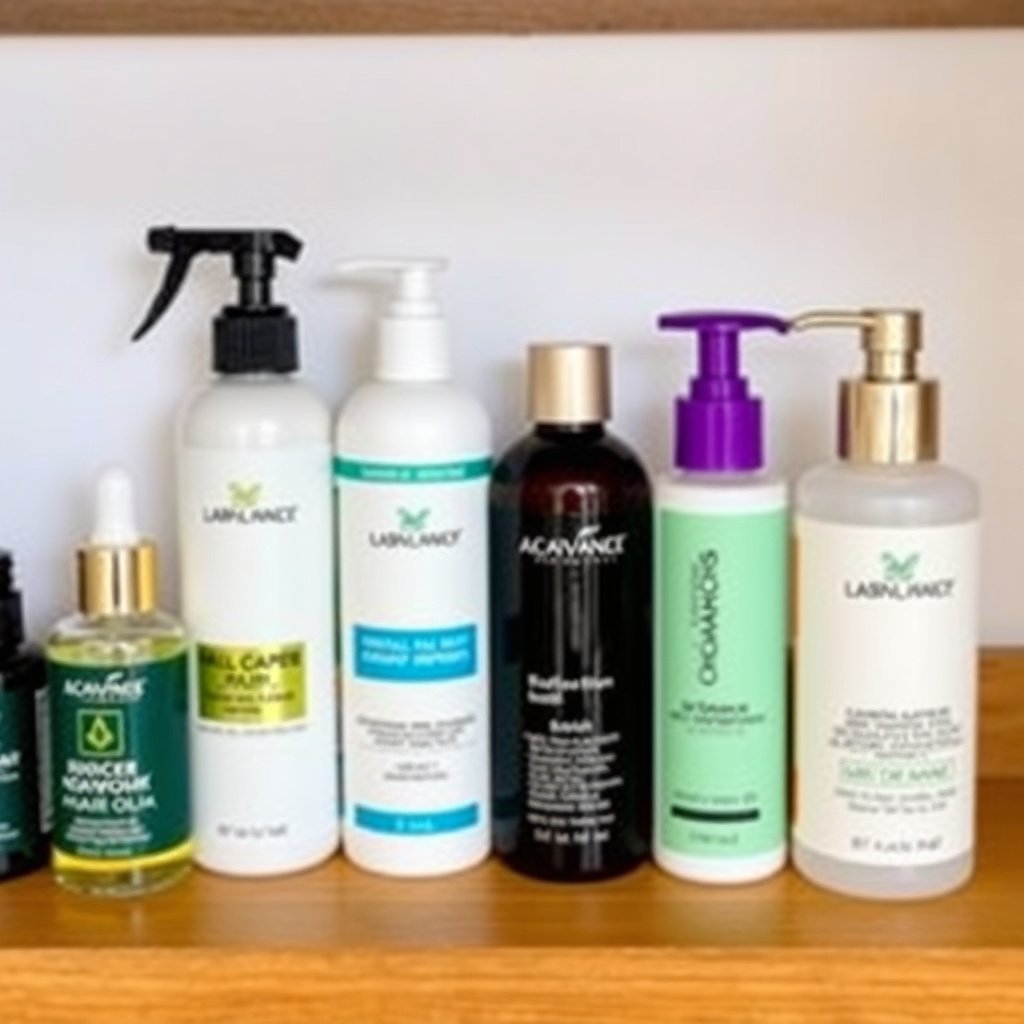
Protein treatments help rebuild weakened hair by filling gaps in the cuticle with keratin or natural proteins, temporarily strengthening strands. However, overuse can cause hair to become stiff and prone to breakage, so moderation is key.
Deep conditioning masks infused with nourishing oils and vitamins help restore moisture balance and boost hair resilience over time.
- Use protein treatments monthly
- Incorporate hydrating masks weekly
For more on this, see our related guide: How to Grow Hair Faster: Effective Tips and Natural Methods.
Oils and Serums for Strengthening Hair
Natural oils like coconut, jojoba, and argan penetrate hair shafts to reduce protein loss and add softness. Silicones in serums form a protective coating that reduces friction and shine.
Apply a small amount to damp or dry ends regularly for ongoing protection and split end prevention.
- Avoid applying heavy oils to the scalp
- Use serums sparingly to prevent buildup
Protective Styling to Minimize Hair Breakage

Low-Manipulation Hairstyles
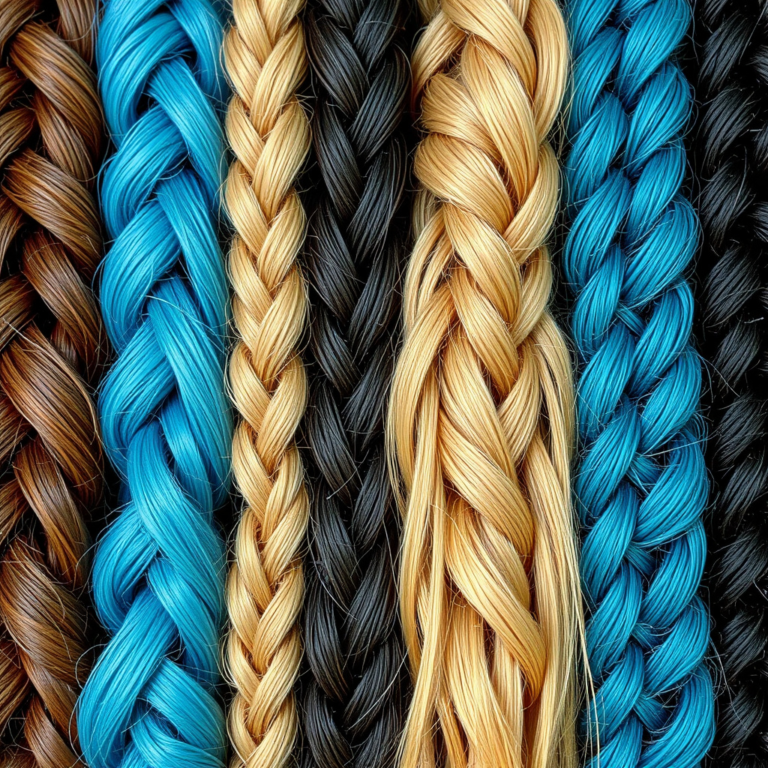
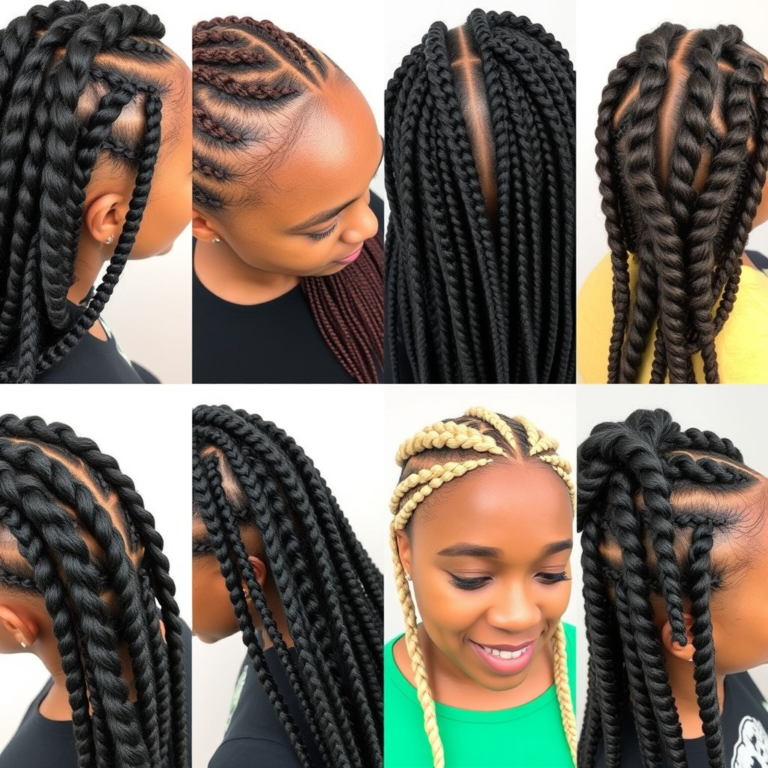
Styles that reduce daily combing and manipulation, such as loose braids, buns, and twists, protect hair ends and decrease friction. These hairstyles lower the frequency of mechanical stress, helping strands maintain strength.
It’s essential, however, to avoid overly tight styles that pull on the scalp and cause traction alopecia or breakage at the roots.
- Keep styles loose and comfortable
- Change hairstyles regularly to prevent tension spots
Using Satin or Silk Accessories
Switching to satin or silk pillowcases and hair wraps reduces friction while sleeping, preventing hair from tangling and breaking. Cotton fabrics can absorb moisture and roughen the hair surface overnight.
These soft materials also help retain hairstyles longer and keep hair looking smooth.
- Use silk or satin scrunchies instead of elastic bands
- Wear silk caps or scarves when resting
Nutritional and Lifestyle Factors Affecting Hair Breakage

Essential Nutrients for Hair Strength
Protein, iron, zinc, biotin, and vitamins A, C, and E support hair growth and repair. A deficiency in any of these can weaken hair follicles and strands, making hair more prone to breakage.
Incorporating a balanced diet rich in these nutrients or taking a daily hair breakage treatment supplement can enhance the structural integrity of hair over time.
- Eat lean meats, nuts, and leafy vegetables
- Consider a multivitamin if recommended by a healthcare provider
For more on this, see our related guide: How to Choose the Best Conditioner for Natural Hair: Expert Tips and Top Picks.
Stress Management and Hydration
Chronic stress can disrupt hair growth cycles and increase shedding, contributing indirectly to breakage. Relaxation techniques like meditation and exercise can improve overall hair health.
Hydration keeps hair strands flexible and resilient; drinking enough water daily supports the scalp’s ability to maintain moisture.
- Aim for 8 cups of water per day
- Incorporate stress-reducing activities into daily routine
Avoiding Common Mistakes That Cause Hair Breakage
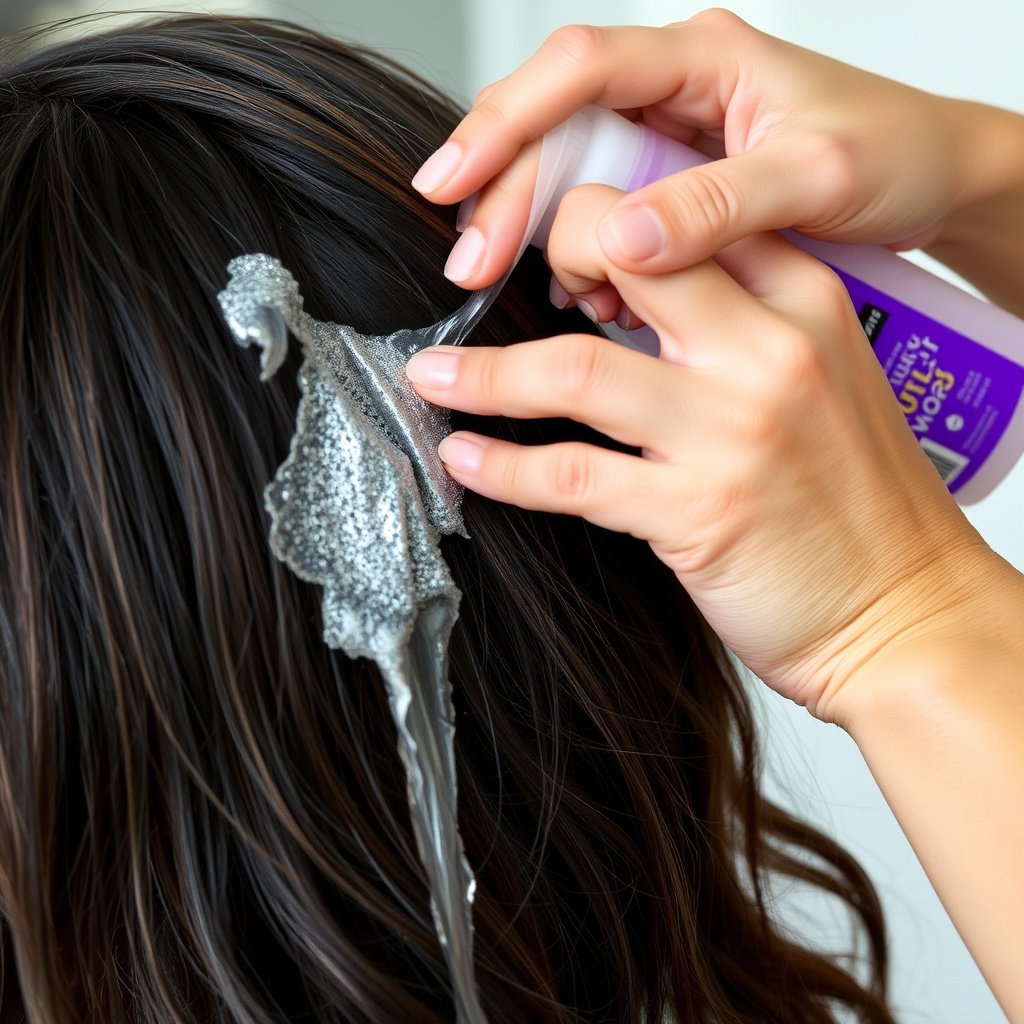
Over-washing and Over-brushing
Washing hair too frequently strips natural oils, leaving strands dry and brittle. Most hair types benefit from washing 2-3 times weekly.
Brushing more than necessary especially with a fine-toothed comb increases breakage by catching and snapping weak strands.
For more medical insight into hair breakage and hair loss, the Mayo Clinic provides in-depth information. Hair breakage information on Mayo Clinic.
Using Harsh Products and Incorrect Tools
Products containing sulfates, alcohols, and harsh chemicals can degrade hair quality when used regularly. Tools like metal brushes or tight hair ties also stress and break hair.
Choosing gentle, hair-friendly products and accessories extends hair lifespan and minimizes accidental damage.
- Switch to gentle, sulfate-free shampoos
- Use soft-bristled or wide-tooth brushes
Hair Breakage Treatment Category Comparison
Here’s a breakdown of common hair breakage treatments comparing their benefits, application frequency, and suitability for different hair types.
| Treatment Type | Benefits | Application Frequency | Best For |
|---|---|---|---|
| Protein Treatments | Rebuilds hair structure, strengthens strands | Monthly | Damaged, chemically treated hair |
| Deep Conditioning Masks | Restores moisture, adds shine and elasticity | Weekly | Dry, brittle hair |
| Natural Oils (Coconut, Argan) | Penetrates and nourishes hair shaft | 2-3 times per week | All hair types, especially dry ends |
| Hair Serums (Silicone-based) | Reduces friction, smooths cuticle | Daily or as needed | Frizzy or coarse hair |
| Leave-in Conditioners | Keeps hair hydrated throughout day | After every wash | Fine to medium hair prone to dryness |
Frequently Asked Questions
Can trimming my hair prevent breakage?
Regular trims help remove split ends that can worsen breakage, improving overall hair health and appearance, but trims alone won’t stop breakage caused by other factors.
Is it okay to use heat styling tools if I want to prevent breakage?
Heat styling can cause breakage if overused or applied without heat protectant sprays. Use low heat settings and limit frequency to protect hair.
How does diet affect hair breakage?
A diet lacking essential nutrients weakens hair structure and growth, making hair fragile and prone to breaking; balanced nutrition supports stronger hair.
Are natural oils better than commercial serums for preventing breakage?
Natural oils penetrate hair and reduce protein loss, while commercial serums provide surface protection and shine. Using both in moderation benefits hair health.
Should I avoid washing my hair daily to reduce breakage?
Washing hair daily can strip natural oils causing dryness and breakage. Most hair types do better washing 2-3 times per week for balanced moisture.
Key Takeaways
- Avoid excessive chemical and heat treatments to protect hair structure.
- Gentle cleansing and proper detangling reduce mechanical damage.
- Use protein treatments and moisturizing masks moderately for repair.
- Maintain a nutrient-rich diet and manage stress for healthier hair.
Conclusion
Assessing how to prevent hair breakage involves understanding the various causes, from physical damage like heat and harsh chemicals to lifestyle factors such as poor nutrition and stress. The best approach combines gentle daily care with protective styling and nourishing treatments tailored to your hair type and condition. Paying close attention to how you handle and treat your hair can dramatically improve its strength and reduce breakage over time.
For example, if you routinely use heat tools or chemical treatments, incorporating monthly protein treatments and weekly deep conditioning masks can restore damaged hair fibers. Those with dry or fragile hair may benefit greatly from natural oils applied regularly and swapping cotton pillowcases for silk to minimize friction. Meanwhile, low-manipulation hairstyles can protect older, more delicate strands and prevent unnecessary stress that leads to breakage.
Start by evaluating how your current habits might contribute to hair breakage and gradually integrate recommended steps such as gentle detangling, nutrient support, and protective styling choices. Seeking professional advice for personalized hair breakage treatment is also helpful when dealing with severe damage. With consistent care and informed decisions, protecting your hair’s strength and beauty becomes a realistic goal.