How to Curl Weave Hair: A Step-by-Step Styling Guide
Curling weave hair involves using heat or no-heat methods to create defined curls that blend naturally with your style. Whether your weave is synthetic or human hair, it's crucial to choose the right curling tools and products to avoid damage while enhancing texture.
Understanding how to curl weave hair well matters because it adds versatility and dimension to your look without the commitment of permanent curls. The process differs slightly from curling natural hair due to how the extensions react to heat and styling products.
This article covers techniques for curling weaves, tips for preparing your hair and weave for styling, and offers advice on maintaining your curls to keep them looking fresh longer. You’ll also find answers to common questions about the best curling techniques for weave hair.
Preparing Your Weave for Curling

Choosing the Right Products
Before curling your weave, selecting products that protect and enhance the hair is essential. Use a heat protectant spray designed for synthetic or human hair weave, depending on your extensions. This minimizes heat damage and maintains the hair's integrity.
Additionally, hydrating serums or light oils can help reduce frizz and add shine. Avoid heavy products that weigh down the curls or lead to buildup. Correct product choice helps ensure curls stay vibrant and manageable.
- Heat protectant spray
- Light hydrating serum
- Avoid heavy oils and creams
Detangling and Sectioning
Gently detangle your weave to prevent knots that interfere with curling. Use a wide-tooth comb or your fingers to minimize breakage, working from the ends upward.
Dividing the hair into small, consistent sections allows for more uniform curls and easier handling whether using curling irons or rollers. Smaller sections produce tighter curls; larger sections give loose waves.
- Wide-tooth comb
- Section clips or ties
- Work from ends to roots
Using Heat Tools to Curl Weave Hair
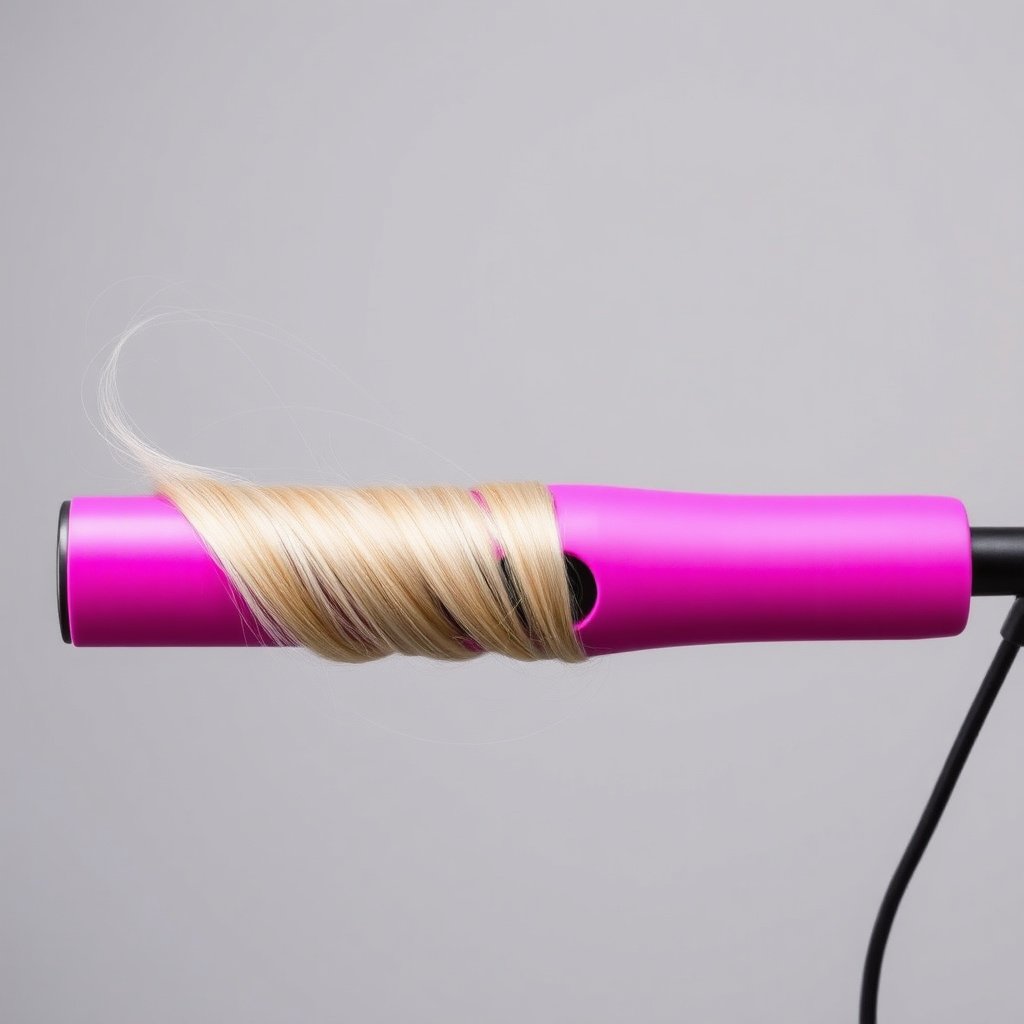
Selecting a Curling Iron or Wand
Pick a curling iron with adjustable heat settings, ideally below 350°F for synthetic fibers and up to 400°F for human hair extensions. Wand curls create natural-looking spirals while irons offer versatile styling options like curls and waves.
Consider barrel size based on the curl type desired. Smaller barrels produce tighter ringlets, while larger barrels yield loose waves. Non-stick ceramic barrels are gentler on hair fibers.
- Adjustable heat settings
- Ceramic or tourmaline barrels
- Barrel size affects curl tightness
Step-by-Step Curling Technique
Start by spraying heat protectant and waiting for it to dry. Wrap a section of weave hair around the curling barrel, hold for 8-12 seconds, then gently release. Avoid clamping synthetic weaves too long to prevent melting.
Work through all sections evenly, letting curls cool before touching to set their shape. Finish with a light mist of hairspray designed for weaves to prolong style without stiffness.
- Apply heat protectant
- Hold curls briefly to prevent damage
- Cool curls completely
No-Heat Curling Methods for Weave Hair
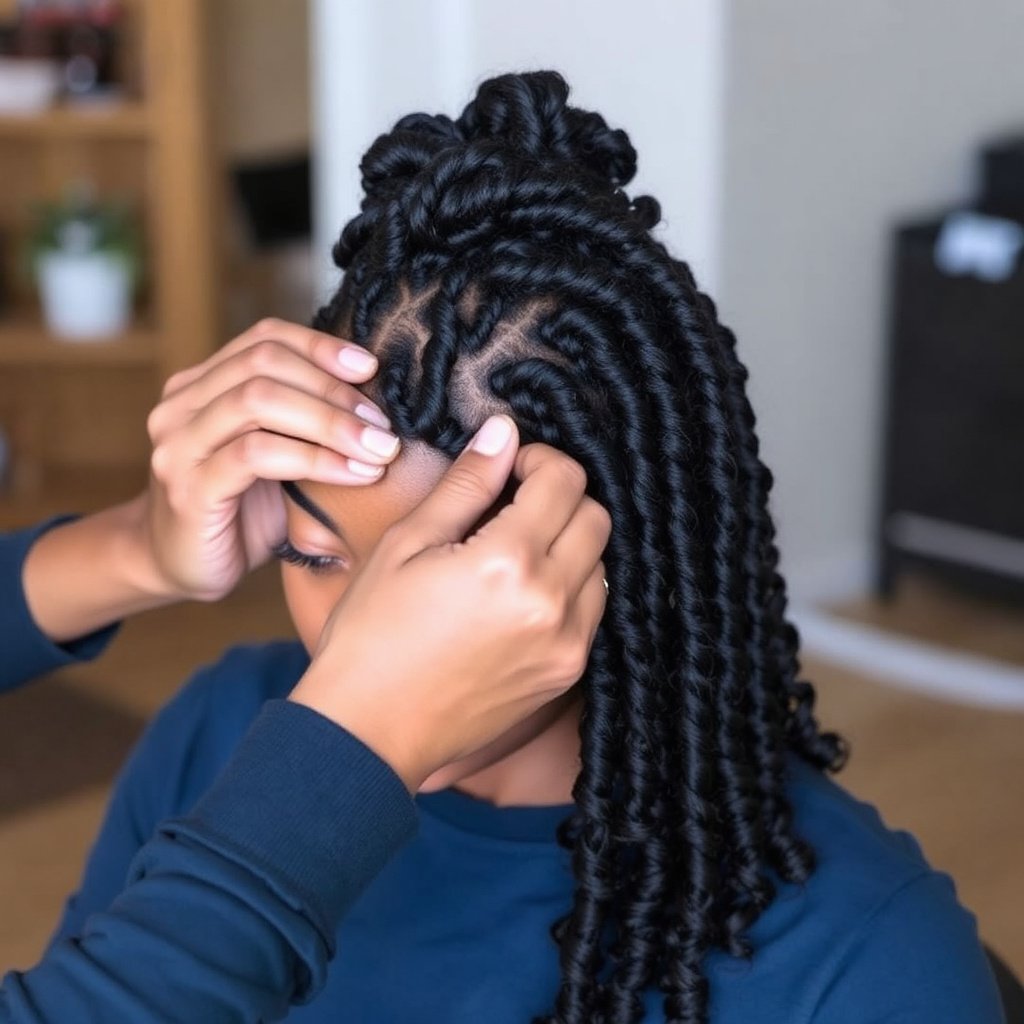
Using Flexi Rods or Curlers
Flexi rods or foam curlers can create defined curls without heat. Wrap damp weave hair around the rod and secure it. Allow the hair to air dry or use a hooded dryer for faster results.
This method reduces heat exposure risks, especially for synthetic weaves that are sensitive to temperature. The curls are bouncy and natural-looking but usually take longer to set.
- Use on damp hair
- Secure rods tightly
- Air dry or use hooded dryer
For more on this, see our related guide: Your Guide to Bohemian Curl Weave: Choosing With Confidence.
Twist and Braid Techniques
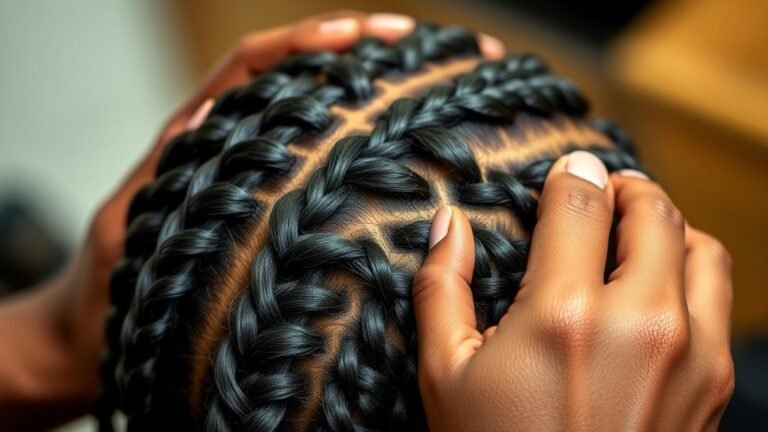
Twisting or braiding sections of weave while slightly damp and leaving them overnight produces waves or curls after unraveling. The tighter and smaller the twist or braid, the tighter the curl.
These methods require minimal tools and no heat, preserving the weave's quality. They are easy to do at home and excellent for maintaining curls over several days.
- Work on damp hair
- Secure ends to hold shape
- Leave overnight or until fully dry
Maintaining and Refreshing Curled Weave Hair

Preserving Curls Overnight
Protect curls overnight by wrapping your hair with a silk or satin scarf or bonnet to reduce friction and frizz. Pin curls up loosely or use a silk pillowcase for extra protection.
This prevents curls from losing shape too quickly and reduces tangling, keeping weave curls looking fresh and defined longer.
- Use satin or silk scarf
- Pin curls loosely
- Avoid cotton pillowcases
Refreshing Curl Shape Daily
Revive curls by lightly spritzing water mixed with a leave-in conditioner or curl-refresher spray. Scrunch curls gently with fingers to reshape them without causing frizz.
Avoid heavy gels that weigh down curls. Regular light moisturization helps maintain a shiny, soft texture on your weave curls.
- Use water and leave-in spray
- Scrunch curls gently
- Avoid heavy styling gels
Common Mistakes When Curling Weave Hair

Applying Too Much Heat
Using excessive heat or holding the curling iron too long can cause irreversible damage, especially to synthetic weaves prone to melting. Always use the lowest effective temperature and monitor the timing carefully.
Heat protectants are essential but not a complete safeguard. Overheating can lead to frizz, dryness, and loss of curl retention.
- Use moderate heat
- Limit exposure time
- Always apply heat protectant
For more on this, see our related guide: Kinky Curly Weave: A Complete Buying Guide.
Skipping Preparation Steps
Neglecting to detangle or apply protective products before curling can result in uneven curls and damage to the weave strands. Proper preparation helps curls set better and last longer.
Skipping preparation may also cause unnecessary stress and shedding on the weave, reducing its lifespan.
- Detangle carefully
- Use protective sprays
- Section hair evenly
Styling Curled Weave Hair for Different Occasions

Everyday Casual Looks
Loose curls on weaves create a natural, effortless appearance suitable for everyday wear. Pair curls with minimal makeup and casual clothing to enhance a relaxed vibe.
Use light styling creams or mousse to maintain bounce and softness without stiffness, allowing curls to move freely.
- Loose curls or waves
- Light styling products
- Natural finish
For more detailed information on different hair curling methods, refer to Hair curling techniques on Wikipedia. Hair curling techniques on Wikipedia.
Formal and Glamorous Styles
Defined curls can be shaped into elegant updos, side-swept styles, or voluminous blowouts for formal events. Use stronger hold hairsprays and accessories to support the style throughout the event.
Heat curling irons tend to offer more control and precision for these looks, while no-heat methods may serve as a base for shaping.
- Use stronger hold products
- Incorporate hair accessories
- Refine curls with heat tools
Curling Weave Hair Methods Comparison
Here’s a quick look at the pros and cons of popular curling techniques for weaving hair.
| Method | Heat Damage Risk | Curl Longevity | Setup Time | Best For |
|---|---|---|---|---|
| Curling Iron/Wand | Medium to High | Long-lasting (1-3 days) | Short (15-30 mins) | Human hair weaves |
| Flexi Rods/Foam Rollers | None | Medium (1-2 days) | Long (overnight drying) | Synthetic and human hair |
| Twists/Braids (No Heat) | None | Medium (1-2 days) | Long (overnight) | All weave types |
| Heatless Socks or Rag Curls | None | Short to Medium | Overnight | Human hair weaves |
| Steam Curling | Low | Long-lasting | Moderate | Human hair weaves |
Frequently Asked Questions
Can I use a curling iron on synthetic weave hair?
Most synthetic weave hairs are sensitive to heat and can melt or frizz when exposed to curling irons. Use low heat settings designed for synthetic fibers or stick to no-heat curling methods.
How long do curls last on weave hair?
Curl longevity depends on the method used and hair care. Heat-styled curls can last 1-3 days, while no-heat curls usually last 1-2 days before needing refreshing.
What products help maintain curls in weave hair?
Light leave-in conditioners, curl refresher sprays, and minimal hair oils help maintain sheen and softness without weighing curls down or causing buildup.
Is it better to curl weave hair when damp or dry?
Heat curling works best on dry hair with heat protectant applied, while no-heat methods like rods or braids require damp hair to set curls effectively.
How do I prevent frizz when curling weave hair?
Use a quality heat protectant, avoid over-application of heavy products, and preserve curls overnight with silk or satin wraps to minimize friction and frizz.
Key Takeaways
- Use appropriate heat settings and protectants to avoid damaging weave hair when curling.
- No-heat curling methods are safer for synthetic weaves and reduce damage risk.
- Properly preparing and sectioning the hair leads to better curl results.
- Maintaining curls involves gentle care and protective overnight wrapping.
Conclusion
Approaching how to curl weave hair involves balancing style desires with hair health, especially considering the fiber type. Recognizing the differences between synthetic and human hair weaves helps in selecting suitable curling methods that minimize damage and maximize curl definition. Consistently using heat protectants and gentle handling extends the hair's lifespan and appearance.
For those seeking quick, well-defined curls on human hair weaves, curling irons with adjustable heat settings provide control and lasting results. Meanwhile, no-heat options like flexi rods, braids, or twists offer safer alternatives that work well for both synthetic and human weave types but require more time to set. Assessing your lifestyle, hair type, and desired curl style will guide you to the best technique for your needs.
After reading about various curling techniques and care tips, the next step is to experiment thoughtfully with recommended methods, paying attention to how your weave reacts. Begin with no-heat methods if cautious about heat damage or try low heat with protectants on human hair weaves. With patient styling and regular maintenance, you can enjoy beautiful, lasting curls that enhance your weave's look.