How to Keep Braids from Getting Frizzy: Essential Tips for Long-Lasting Style
Keeping braids from getting frizzy starts with consistent care that protects each strand and locks in moisture. Using a lightweight oil or braid spray daily and wrapping your hair at night with a satin scarf are effective first steps to reduce frizz immediately after styling.
Frizziness often appears as a result of hair drying out or being disturbed by friction, especially during sleep and daily activities. Since braids are textured styles, the hair is exposed and prone to flyaways if not handled gently. Maintaining moisture and minimizing manipulation matter greatly for preserving clean, crisp braids.
This article will spell out practical methods to keep your braids smooth over time, including protective nighttime routines, choosing the right products, and handling everyday wear and tear. Whether you have box braids, cornrows, or twists, these tailored suggestions will help you enjoy a tidy look longer and reduce frizz buildup.
Understanding Why Braids Get Frizzy
Hair Texture and Environmental Factors
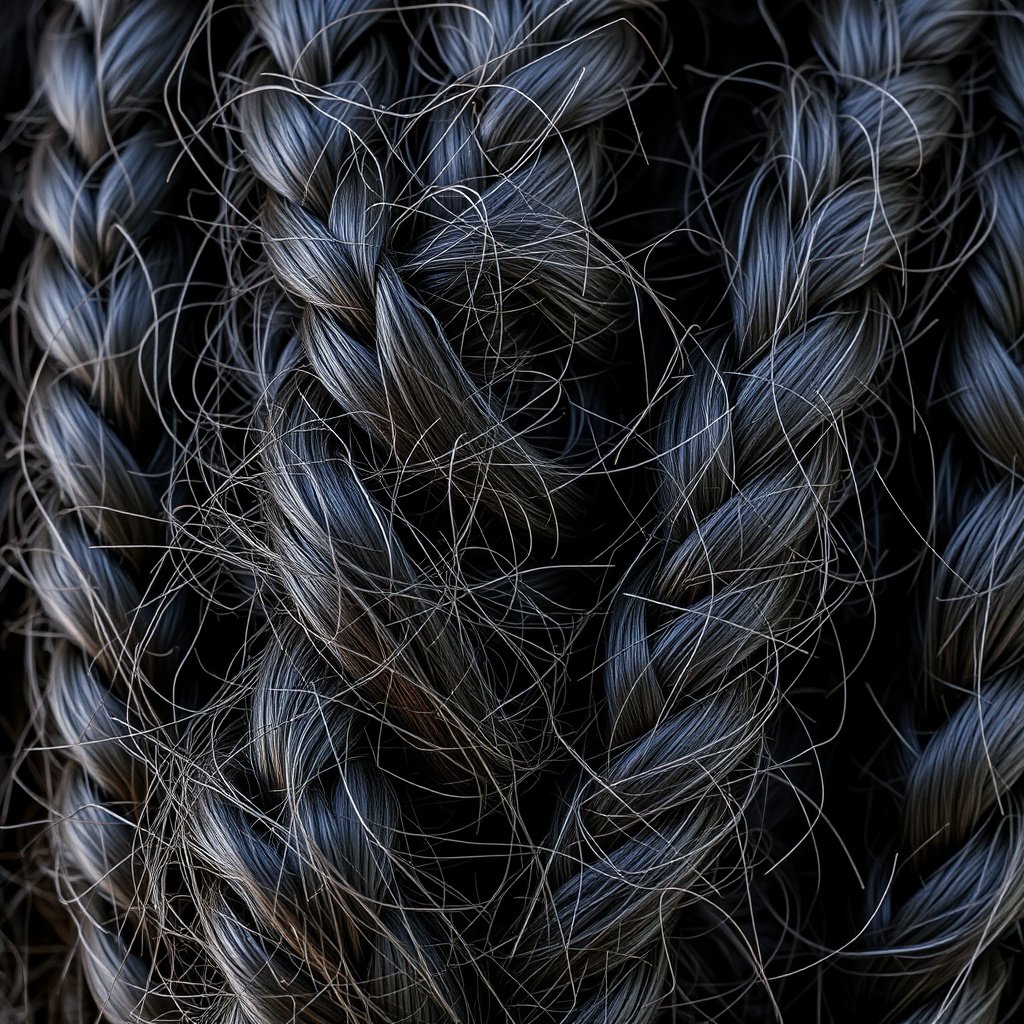
Hair type and external conditions such as humidity, wind, and dry air can cause the hair strands within braids to swell or dry out, leading to frizz. Curly or coarser hair types are especially prone to this because of their natural moisture balance and cuticle pattern.
Environmental stressors impact the protective coatings of natural oils on hair, causing it to lose smoothness. Understanding this interaction helps explain why applying moisture-retaining products and protective coverings is key to preventing frizzy braids.
Mechanical Stress and Daily Activities
Daily activities like adjusting your braids, wearing hats or helmets, and even regular washing can cause friction that loosens hair strands and creates flyaways. This mechanical tension is a major contributor to frizz formation on braided hair.
Over-manipulation, especially when hair is dry, tends to disrupt braid smoothness quickly. Minimizing touching and using gentle techniques during styling and maintenance helps preserve the neater appearance of braids.
- Avoid frequent rebraiding
- Limit rough handling or pulling
- Use gentle hair ties or accessories
Daily Care Routines to Minimize Frizz
Moisturizing Practices
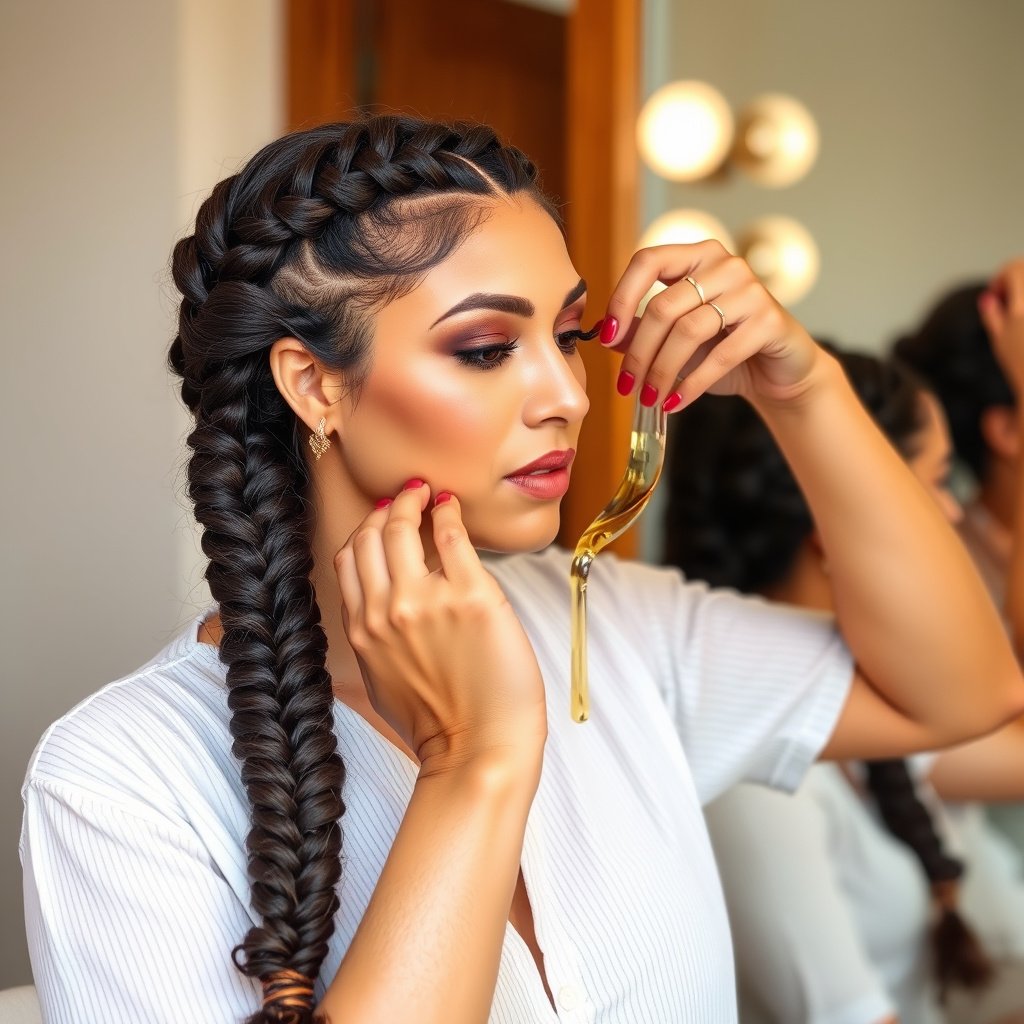
Applying lightweight oils such as jojoba or argan oil daily helps maintain moisture levels by sealing the hair cuticle and preventing dryness, which causes frizz. Spritzing braid-friendly moisturizers or braid sprays revitalizes hair strands without weighing them down.
Focusing on the scalp and braid length ensures balanced hydration. Over-moisturizing can cause buildup, so finding the right rhythm based on your hair type is essential for braid maintenance.
- Use water-based braid sprays
- Seal moisture with natural oils
- Avoid heavy creams that cause residue
Protective Nighttime Techniques
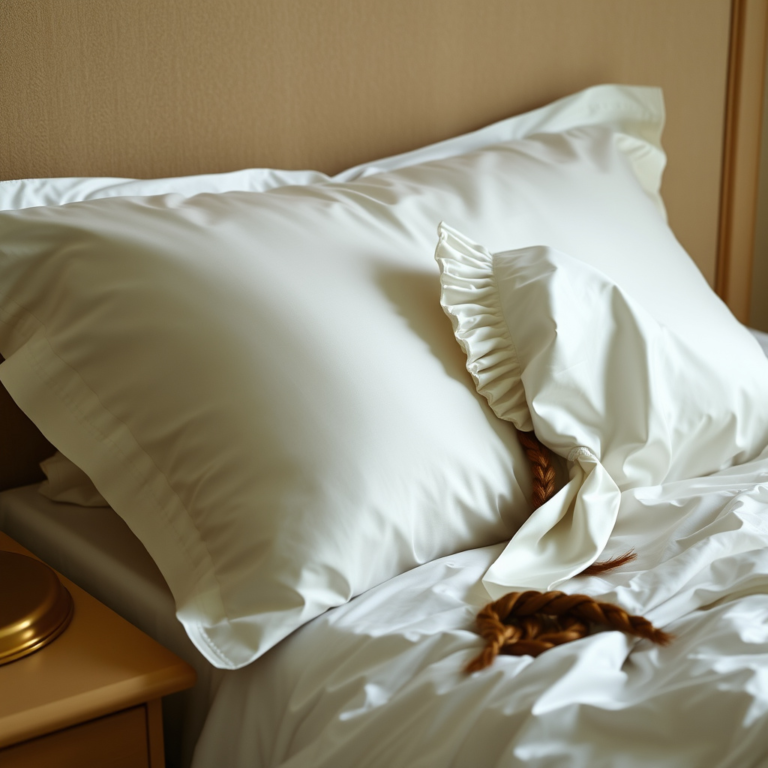
Securing braids overnight with satin or silk scarves or bonnets reduces friction between hair and cotton pillowcases, which helps prevent frizz. Pineappling loosely or wrapping braids carefully maintains style integrity.
Switching to satin pillowcases provides extra protection on nights when you prefer not to cover your hair, minimizing frizz and helping braids last longer between installations.
- Wrap hair with satin scarf
- Use satin pillowcases
- Keep braids loosely tied
Washing and Refreshing Braids Without Causing Frizz
Cleansing Without Disrupting Style
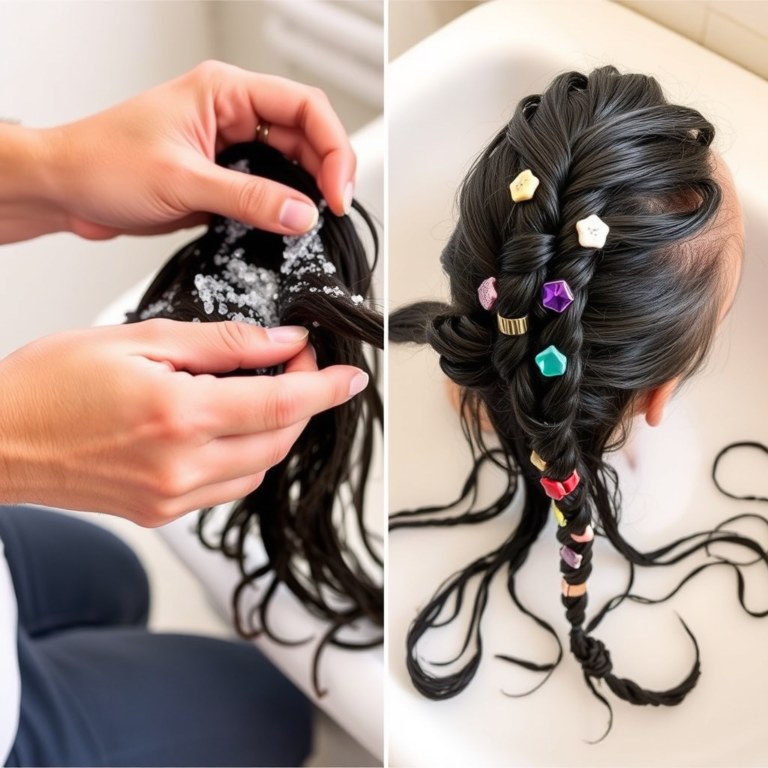
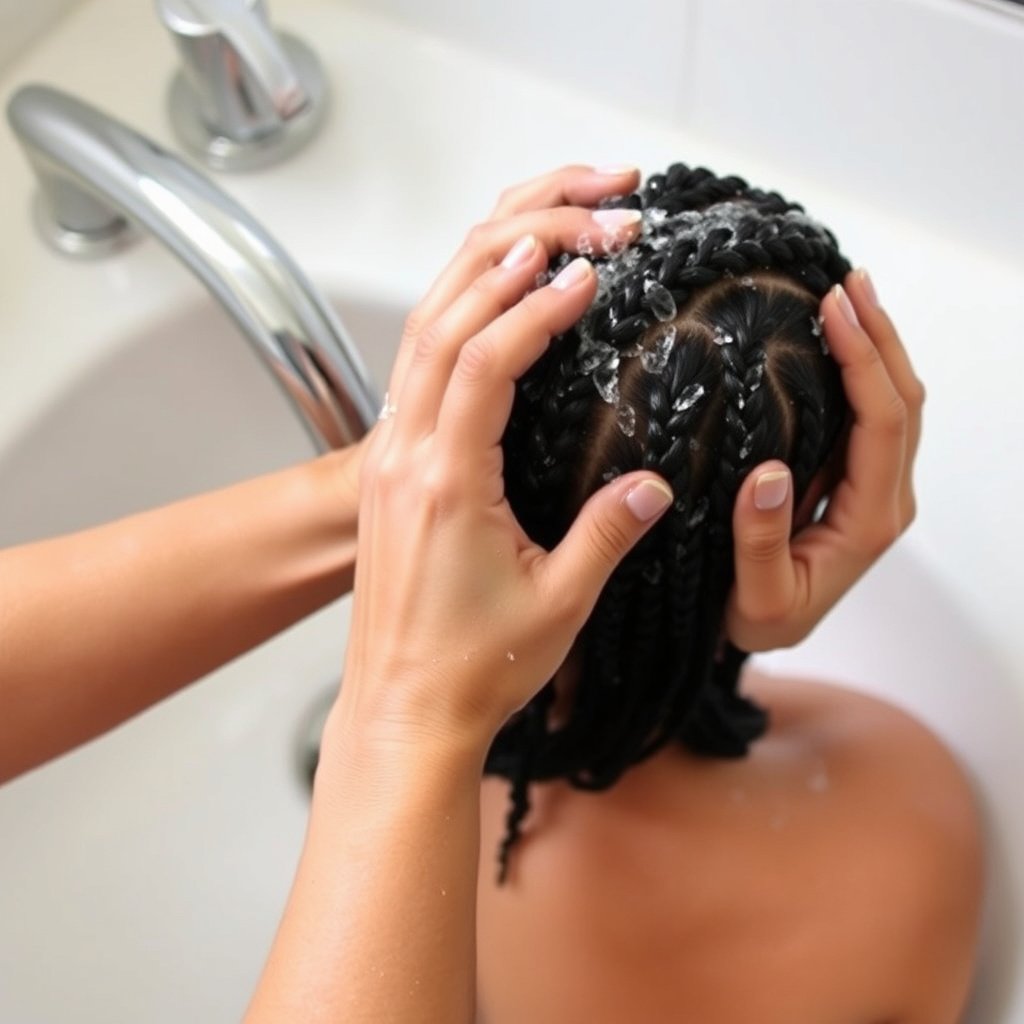
Using diluted shampoo or sulfate-free cleansers on the scalp keeps it clean while preserving braid neatness. Concentrate on scalp hygiene rather than scrubbing the braids themselves to avoid loosening hairs that cause frizz.
Cleansing frequency depends on lifestyle and scalp condition, but gentle approaches combined with targeted drying techniques lessen frizz formation after washing.
- Dilute shampoo before application
- Focus on scalp gently
- Avoid vigorous scrubbing of braids
For more on this, see our related guide: How to Do Boho Braids: A Step-by-Step Guide for Effortless Bohemian Hair.
Refreshing Braids Between Washes
Refreshing braids with water mixed with a light leave-in conditioner spray smooths flyaways without undoing the style. You can also use a soft brush or your fingers to gently tame frizz.
Avoid heavy products heavier than braid sprays, as they can cause buildup that weighs hair down and makes frizz appear worse.
- Use water and leave-in mix
- Avoid heavy residue products
- Lightly smooth with soft brush
Product Choices to Reduce Frizz on Braids
Selecting Oils and Serums
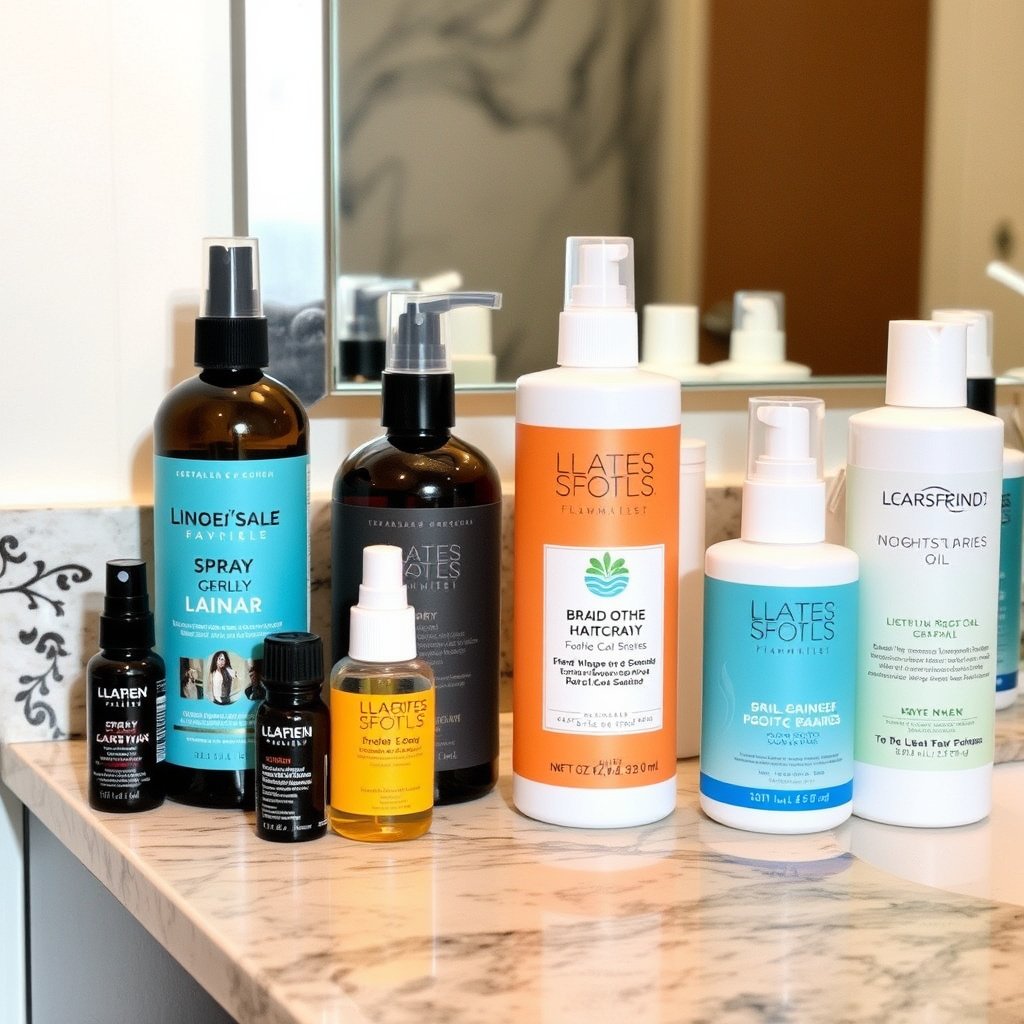
Choose oils like argan, coconut, or jojoba that have smoothing properties and penetrate hair strands without causing buildup. Serums designed for braids often combine silicone and natural oils for an effective frizz barrier.
Apply in moderation to avoid greasy appearance. Oils also protect braids from environmental dryness between washes.
- Argan oil for shine
- Jojoba oil for moisture balance
- Silicone serums for smooth finish
Braid Sprays and Leave-In Conditioners
Braid sprays formulated for protective styles incorporate lightweight moisturizers and anti-frizz agents, making them ideal for daily use. Leave-in conditioners help retain moisture selectively on strands within the braids.
Look for products free of heavy silicones or waxes that can cause buildup and attract dirt, which exacerbates frizz.
- Use water-based braid sprays
- Avoid heavy wax-based formulas
- Select products labeled for protective styles
Styling Tips That Prevent Frizz
Choosing the Right Braiding Technique
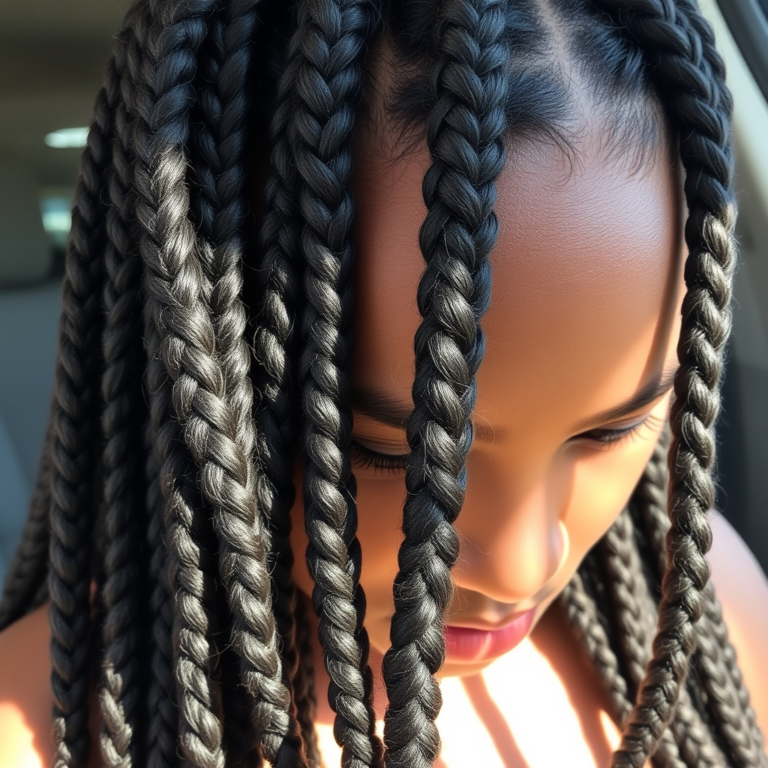
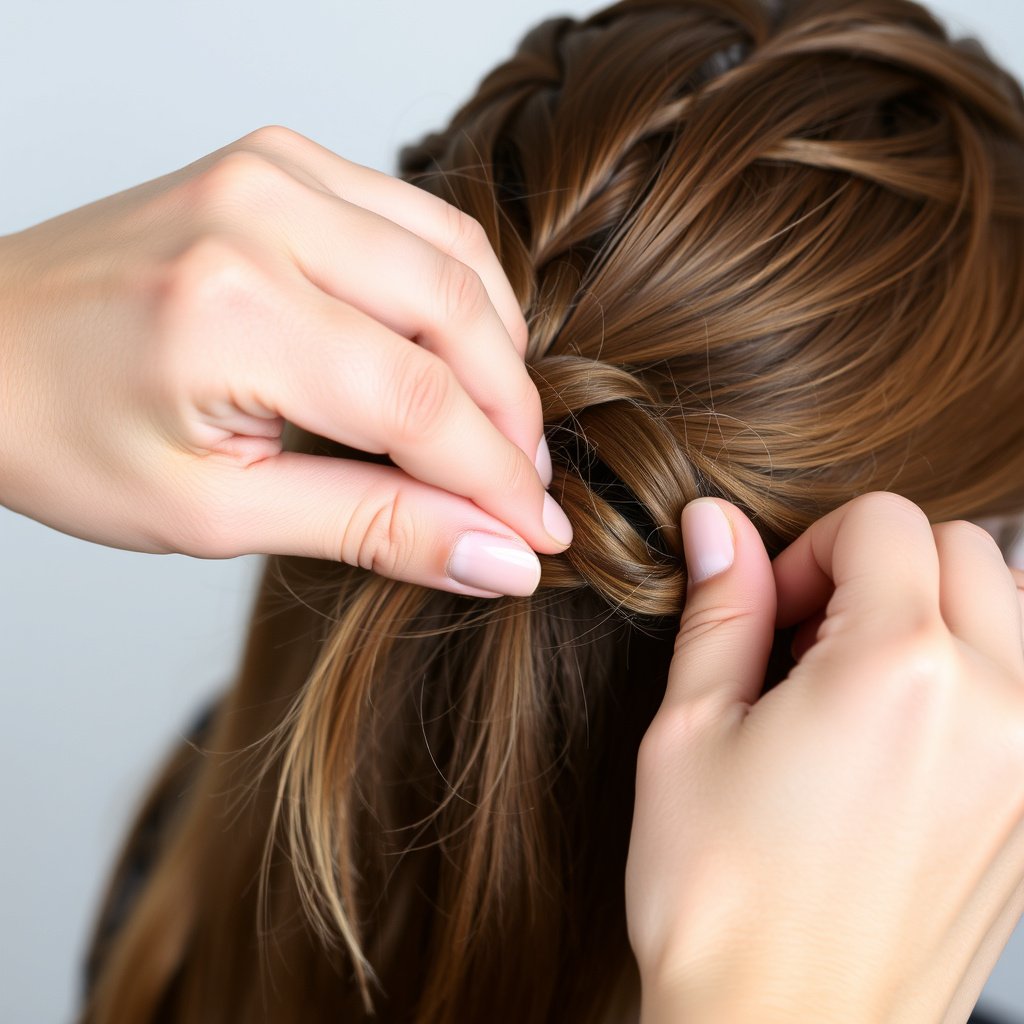
Tighter braids hold the hair strands more firmly, reducing the likelihood of frizz, but be careful not to braid too tight as it can cause breakage. Certain styles like box braids or Senegalese twists offer more control over frizz depending on hair texture.
Professional installation ensures even tension and less frizz. Skillful braiding reduces loose strands that can flare up over time.
- Opt for medium tension braids
- Select styles suited for your hair type
- Consider professional braiding
For more on this, see our related guide: How to Prevent Hair Breakage: Effective Tips for Stronger Hair.
Avoiding Excess Manipulation
Limit styling changes and avoid frequently pulling braids into tight ponytails or buns that stress hair and cause frizz. Gentle handling preserves braid longevity and keeps hair anchored firmly.
Using soft hair ties instead of elastic bands avoids breakage and frizzy edges.
- Minimize frequent restyling
- Use gentle hair ties
- Avoid tight ponytails or buns
Long-Term Maintenance and When to Redo Braids
Signs Braids Need Refreshing
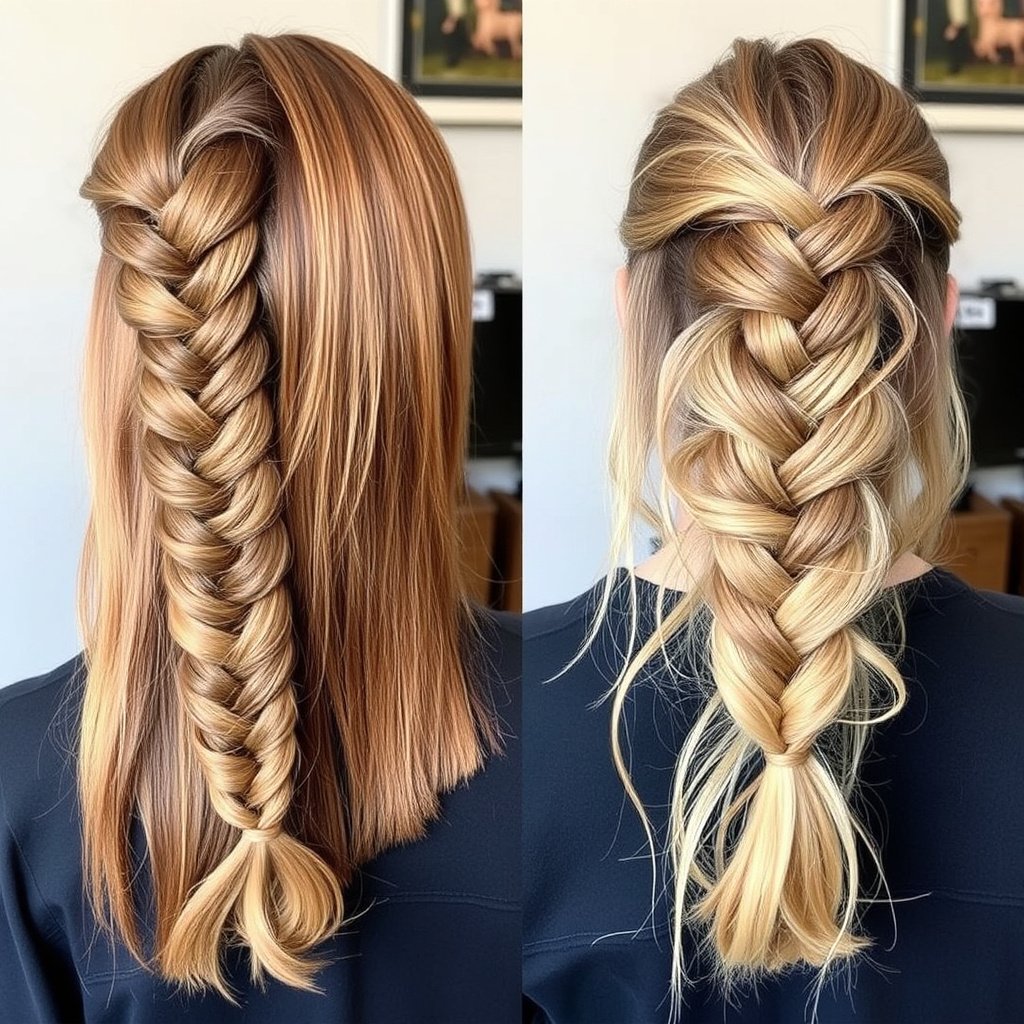
Frizz buildup often signals that braids are aging and loosening, which can cause more hair to escape from the style. Scalp itchiness and buildup can also indicate it's time for a wash or complete redo.
Pay attention to your hair’s health and aesthetic—braids should be redone to prevent breakage and maintain a polished look before frizz becomes overwhelming.
- Visible loose strands and fuzziness
- Dry scalp or buildup
- Braids losing their shape
For additional insights on caring for braids and other protective hairstyles, refer to this guide on protective hairstyles. Protective hairstyles information.
Preparing Hair for Rebraiding
Before rebraiding, detangle carefully and deep condition the hair to restore moisture and elasticity. This foundation helps the new braids hold better and stay frizz-free longer.
Using heat protectants or sealing oils during preparation minimizes damage and primes the hair for lasting braid installation.
- Detangle gently
- Apply deep conditioning treatments
- Seal with oils prior to braiding
Braids Type Comparison for Frizz Resistance
This table compares popular braid types, highlighting their advantages and how well they resist frizz in different conditions.
| Braid Type | Frizz Resistance | Maintenance Level | Recommended Hair Type |
|---|---|---|---|
| Box Braids | High | Moderate | All hair types, especially coarse |
| Cornrows | Moderate | High | Straight to curly hair |
| Senegalese Twists | High | Moderate | Natural coarse or curly hair |
| Micro Braids | Low | High | Fine to medium hair |
| Ghana Braids | Moderate | Moderate | Curly to coarse hair |
Frequently Asked Questions
How often should I moisturize my braids to keep them from frizzing?
Moisturize your braids every 1-3 days with light oils or braid sprays to maintain softness and reduce frizz without causing buildup.
Can I wash my braids without increasing frizz?
Yes, use diluted shampoo focused on the scalp and rinse carefully. Avoid scrubbing the braids themselves to prevent loosening and frizz.
Are satin scarves better than pillowcases for braid care?
Both help protect braids from friction, but satin scarves provide a close wrap that minimizes frizz more effectively overnight.
What products should I avoid to prevent braid frizz?
Avoid heavy waxes, thick creams, and products with high alcohol content, as they can dry out hair or cause residue that worsens frizz.
Is it better to redo braids before frizz appears?
Yes, refreshing braids at first signs of frizz or loosening keeps your hair healthy and style neat, rather than waiting for severe frizz to build up.
Key Takeaways
- Moisturizing and sealing hair daily helps prevent frizz in braids.
- Protective nighttime wrapping reduces friction and flyaways.
- Gentle cleansing focused on the scalp maintains braid neatness.
- Selecting suitable braid types and minimizing manipulation extends style longevity.
Conclusion
Making decisions about preventing frizz in braids revolves around balancing moisture retention, gentle handling, and environmental protection. By understanding the way frizz develops and applying care adaptations such as using lightweight oils and selective styling, you empower your hair to stay smooth and neat. Consistency in these habits plays a vital role in extending the life of your braids while keeping your hair healthy.
Concrete choices vary depending on hair texture and personal routine. For instance, coarse hair types benefit from box braids combined with jojoba oil and nightly satin wraps, whereas finer hair may prefer Ghana braids with lighter braid sprays to avoid buildup. Those with active schedules might favor cornrows for their tighter hold and moderate maintenance needs. Knowing your hair's unique characteristics enables selecting a maintenance routine that best suits your lifestyle.
To keep your braids looking fresh and frizz-free, start with small daily rituals: apply moisturizing braid sprays, protect your hair during sleep with satin scarves, and wash carefully when needed. Monitor your braids for early signs of frizz to decide when to refresh them. These applied techniques should lead to lasting style, healthier hair, and minimal daily fuss.