
How to Make Braids Last Longer: Practical Tips for Durable Hairstyles
Making braids last longer starts with proper preparation and care during and after braiding. Using clean hair, moisturizing the scalp, and protecting the braids while sleeping directly extend their wear time and maintain their neatness.
Braids that stay fresh reduce the need for frequent restyling, which protects hair health and saves time. Understanding which products and habits contribute to braid longevity allows you to enjoy your hairstyle with minimal upkeep.
This article explores actionable ways to keep your braids intact, including hair preparation, daily maintenance, preventing frizz, and protecting your braids during sleep. You’ll also find comparisons of braid types and answers to common questions.
Preparing Your Hair for Braids
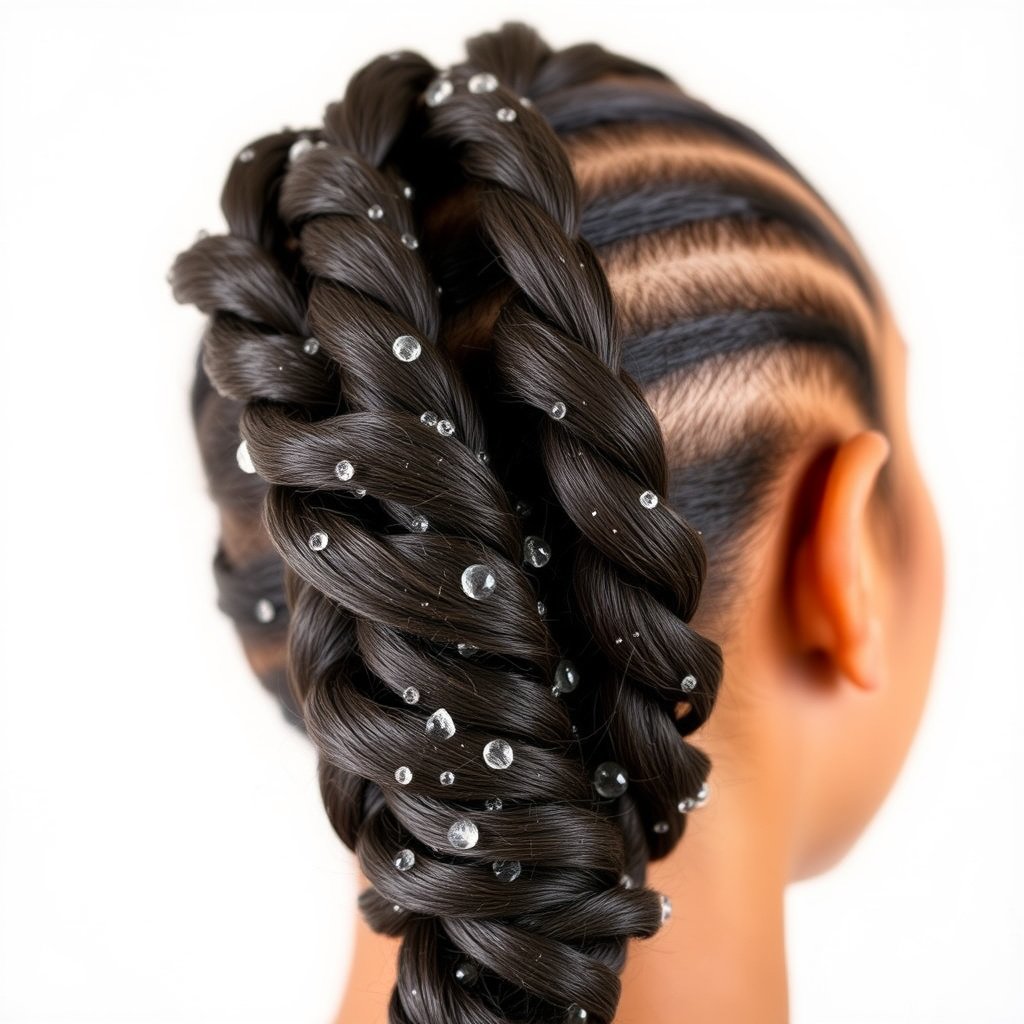
Cleaning and Conditioning Before Braiding
Starting with freshly washed hair prevents buildup of oils and dirt that can cause braids to look frizzy or weakened sooner. Use a sulfate-free shampoo to cleanse gently, followed by a moisturizing conditioner, focusing on the ends.
Rinsing hair thoroughly and allowing it to air dry or blow-drying on a cool setting improves the hold and neatness of the braids. Avoid heavy residues that could weigh hair down or cause slippage.
- Use sulfate-free shampoo for gentle cleansing
- Apply deep conditioner for moisture
- Rinse hair completely to remove product residue
- Dry hair fully before braiding
Hydrating and Protecting the Scalp
A well-moisturized scalp prevents dryness and itching, common complaints when wearing braids long term. Lightweight oils such as jojoba or argan oil help keep the scalp healthy without causing buildup.
Before braiding, apply a leave-in conditioner or scalp serum to replenish moisture. This step reduces flaking and irritation, which can prematurely distress the braids' appearance.
- Use light oils to avoid grease buildup
- Apply leave-in conditioners focusing on scalp
- Avoid heavy creams that can cause residue
Daily Maintenance for Longer Braid Life
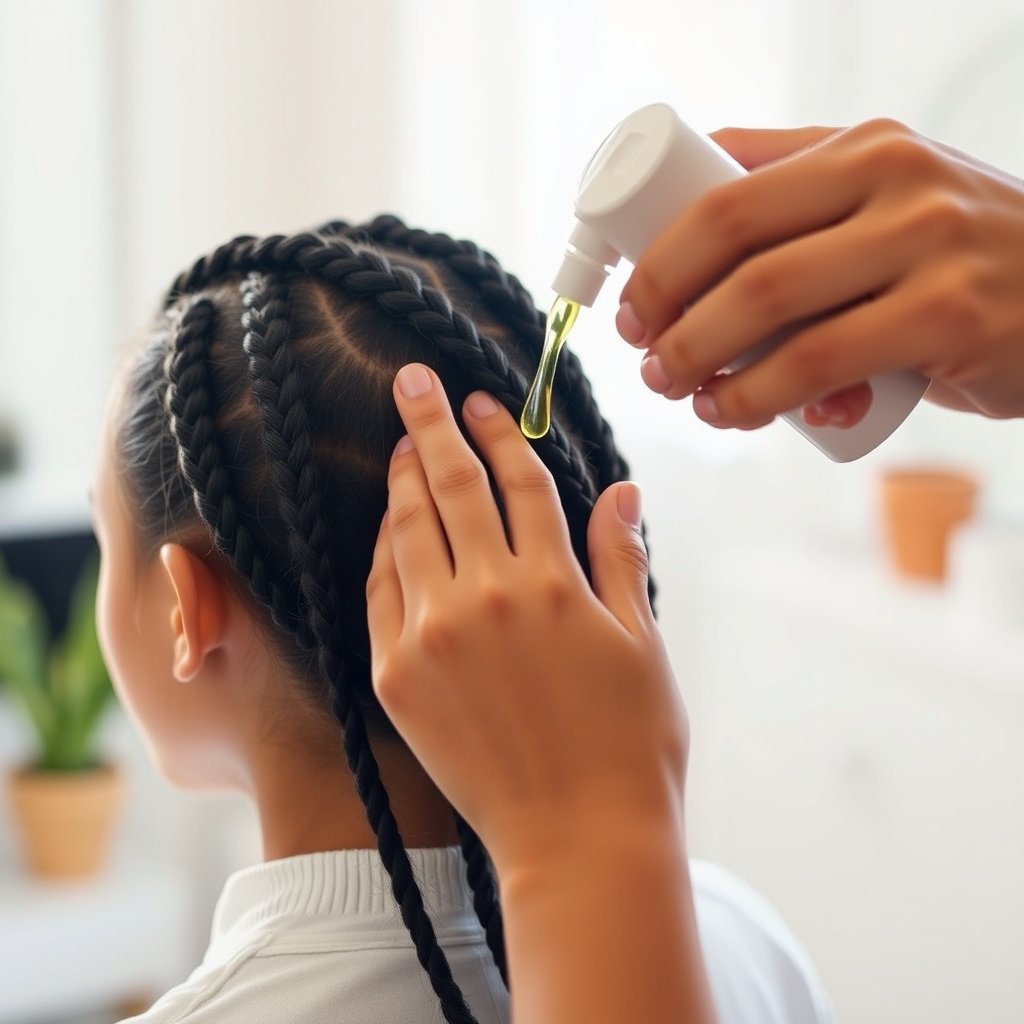
Keeping Braids Moisturized
Daily moisturizing prevents braids from drying out and breaking, especially if synthetic extensions are included. Misting braids with a water-based spray or applying a light braid spray keeps them flexible.
Avoid heavy products that attract dirt or cause buildup, which break down braid integrity. Focus on the scalp and roots, as these areas are prone to dryness.
- Use water-based mist or braid spray daily
- Apply lightweight oils sparingly
- Target scalp and roots for moisture
- Avoid heavy or greasy products
Minimizing Frizz and Flyaways
Controlling frizz keeps braids looking tidy and helps them last longer. Lightly applying gel or anti-frizz serum smooths flyaway hairs without stiffening the braid.
Wrapping edges with a satin scarf during the day can protect hairstyles from friction and environmental damage, further curbing frizz.
- Use small amounts of gel or serum
- Smooth edges with a satin scarf
- Avoid touching braids excessively
Protecting Braids Overnight

Using Satin or Silk Wraps and Pillowcases
Nighttime friction from cotton pillowcases causes frizz and breakage. Wrapping braids in a satin or silk scarf or bonnet minimizes rubbing that damages strands and loosens braids.
Satin pillowcases offer an alternative for those who prefer not to cover their hair. Both options help retain moisture and reduce tangling overnight.
- Wrap hair with satin or silk scarf
- Use satin pillowcases for less friction
- Secure edges to prevent scarf slipping
For more on this, see our related guide: How to Keep Braids from Getting Frizzy: Essential Tips for Long-Lasting Style.
Loosening or Re-wrapping Braids Before Bed
Some braid types benefit from gently coiling or re-wrapping before bed to maintain shape and reduce tension on roots. This can prevent premature loosening or breaks during sleep.
Avoid tight tying, which might cause scalp soreness or hairline damage. A loose, gentle style promotes braid longevity without discomfort.
- Gently coil or tie braids loosely at night
- Avoid tight bands or knots
- Use soft hair ties to secure
Choosing the Right Braid Type for Durability
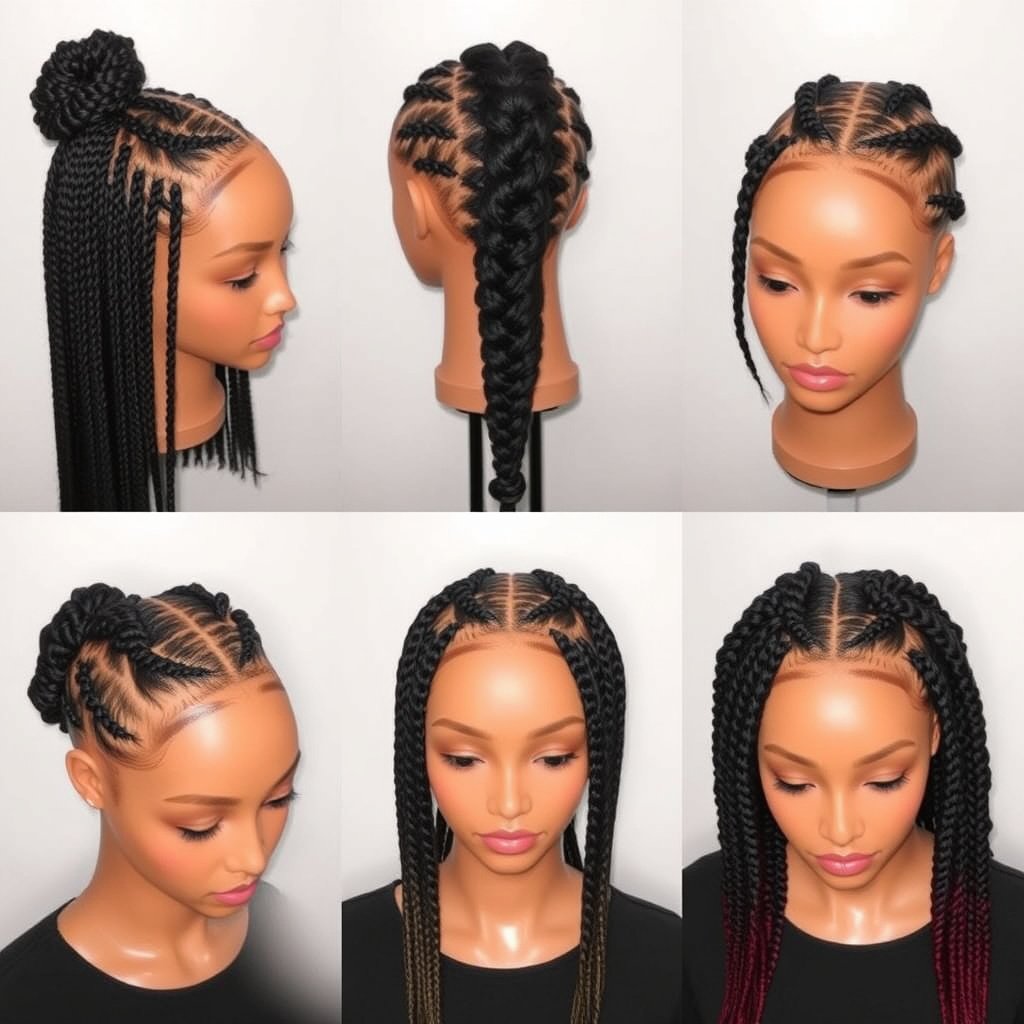
Synthetic vs. Natural Hair Braids
Synthetic hair braids tend to last longer due to their sturdier fibers and resistance to weathering, but can cause scalp tension if too heavy. Natural hair braids are gentler but may loosen faster.
Choosing the right material based on hair health and desired duration helps strike a balance between longevity and scalp comfort.
- Synthetic braids last longer but can be heavier
- Natural braids feel lighter but may loosen sooner
- Balance durability with scalp comfort
Popular Long-Lasting Braid Styles
Styles such as box braids, Senegalese twists, and cornrows generally maintain their look longer due to tight patterns and inclusion of extensions. These protect hair while providing a durable aesthetic.
Loose braid styles or those without extensions tend to unravel faster and require more frequent maintenance.
- Box braids and cornrows for long wear
- Senegalese twists offer flexibility and durability
- Avoid loose styles for longer-lasting wear
Common Mistakes That Shorten Braid Life
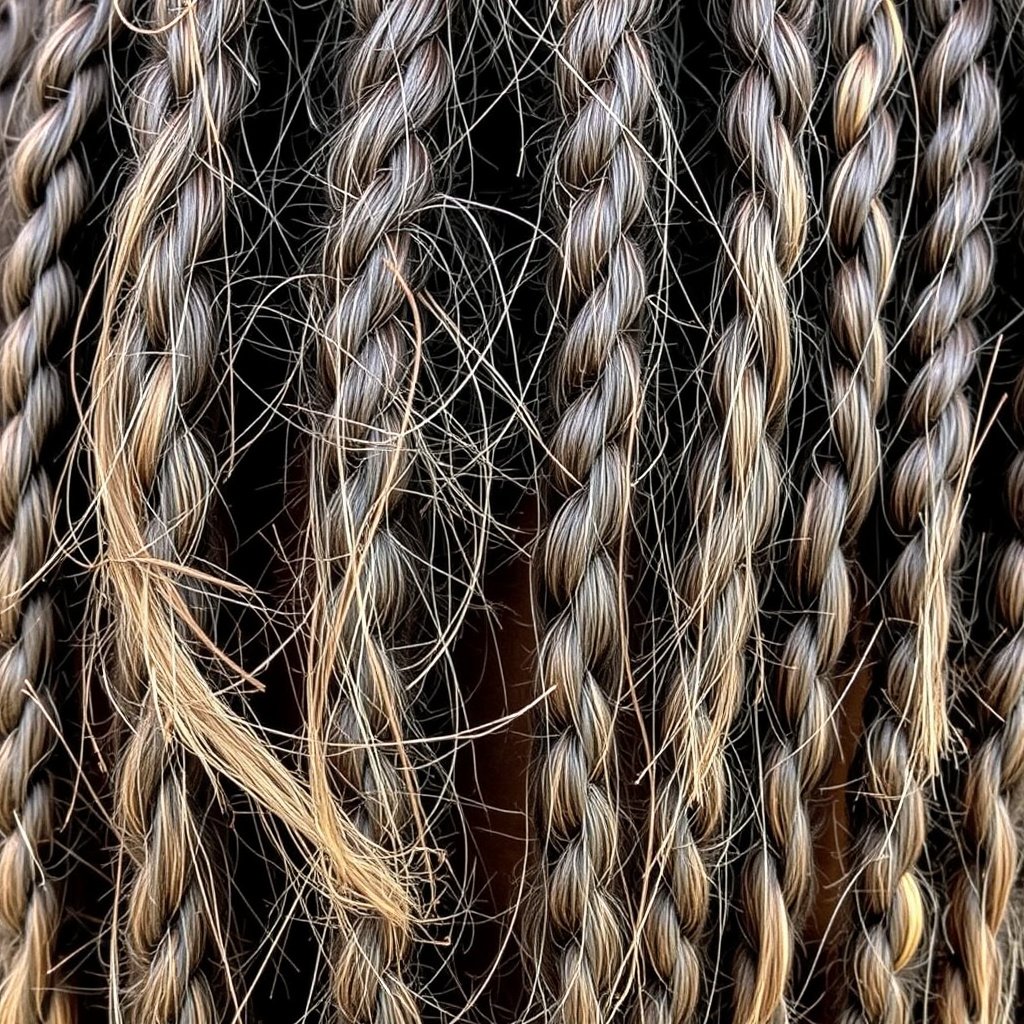
Overwashing or Excess Product Use
Frequent washing with harsh shampoos strips natural oils and loosens braids quickly. Similarly, applying too many heavy products causes buildup that weakens braid structure.
Sticking to gentle cleansing routines and minimal product use helps keep braids intact longer.
- Limit washing frequency to 1-2 times weekly
- Avoid heavy creams and waxes
- Choose light, water-based products
For more on this, see our related guide: How to Do Boho Braids: A Step-by-Step Guide for Effortless Bohemian Hair.
Neglecting Scalp and Edge Care
Ignoring scalp health can lead to itching and flaking, causing you to scratch and disrupt braids. Pulling on edges or tight styling creates tension alopecia, compromising braid stability.
Regular scalp moisturizing and gentle edge styling prevent damage and extend the life of your braids.
- Moisturize scalp regularly
- Avoid tight pulling on edges
- Use gentle hair accessories
When to Remove and Refresh Braids
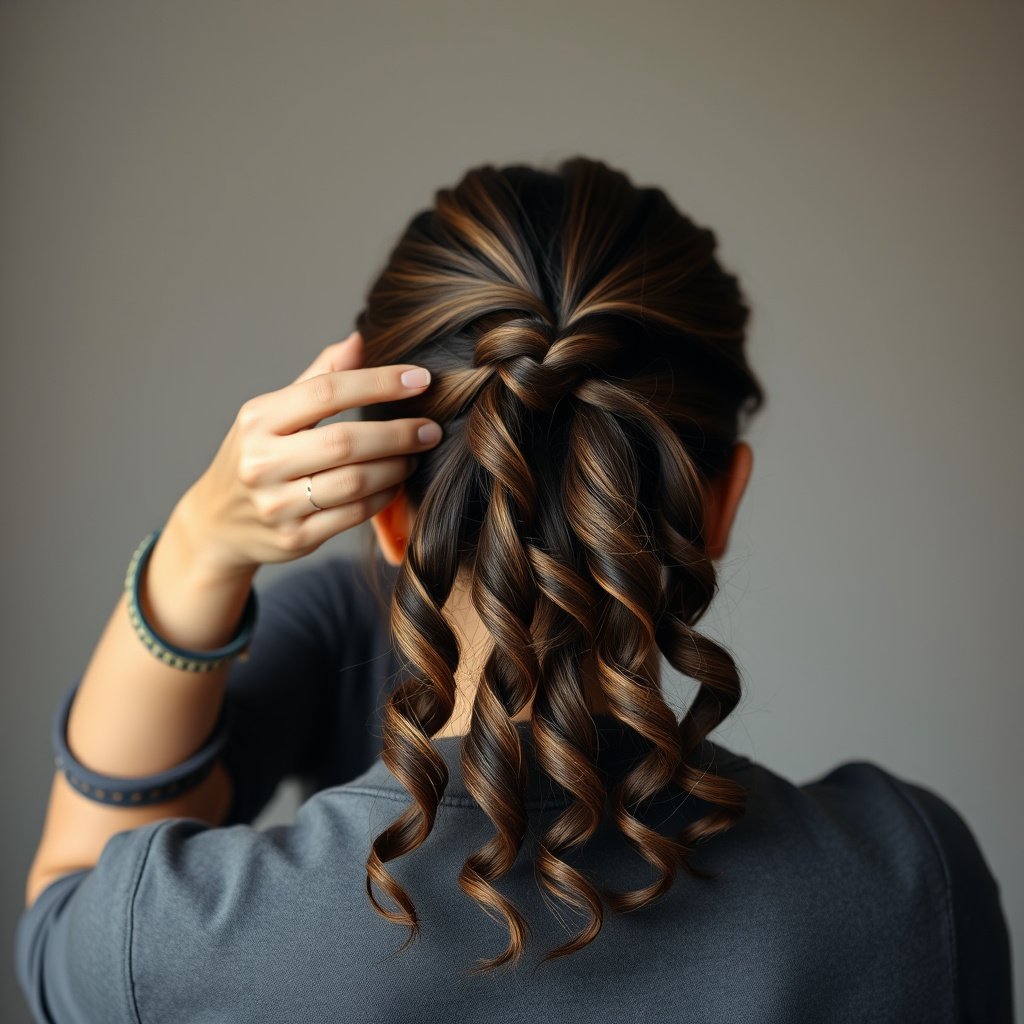
Signs Braids Need Refreshing or Removal
Visible frizz, hair matting, scalp irritation, or hairline soreness indicate it’s time to refresh or remove braids. Wearing braids beyond this increases breakage risk and hair thinning.
Personal comfort and scalp health should guide braid duration over strict timelines.
- Check for excessive frizz and unraveling
- Notice scalp redness or discomfort
- Remove braids before matting occurs
For more information about how protective hairstyles like braids can impact hair health, see this resource on hair loss and care. Protective hairstyle benefits.
Best Practices for Safe Removal
Take time to carefully undo braids using detangling spray or conditioner to minimize hair breakage. Avoid harsh pulling to protect roots and edges.
After removal, deep conditioning and gentle detangling restore hair health before new braids or natural styling.
- Use conditioner or detangler before removal
- Work slowly to prevent hair breakage
- Do deep conditioning post-removal
Comparison of Popular Braid Types for Longevity
Here’s a quick look at common braid styles and how they differ in expected wear time, maintenance needs, and suitability for various hair types.
| Braid Type | Expected Duration | Maintenance Level | Hair Type Suitability |
|---|---|---|---|
| Box Braids | 6-8 weeks | Moderate | All hair types, especially thick hair |
| Cornrows | 4-6 weeks | Low | Straight to curly hair, great for tight styling |
| Senegalese Twists | 6-8 weeks | Moderate | Curly to coily hair, requires moisturizing |
| Fishtail Braids | 2-3 weeks | High | Fine to medium hair, looser style |
| Dutch Braids | 1-2 weeks | Low | All hair types, easier to redo often |
Frequently Asked Questions
How often should I wash my braids to keep them clean without loosening them?
Washing braids once every 1 to 2 weeks with a gentle, diluted shampoo helps maintain scalp cleanliness without causing the braids to loosen or frizz prematurely.
Can I apply oil directly to my braids without making them greasy?
Yes, but use light oils sparingly and focus on the scalp and roots to moisturize without buildup. Avoid heavy or thick oils that can weigh down braids.
What’s the best way to sleep to protect braids overnight?
Wrapping braids in a satin or silk scarf or sleeping on a satin pillowcase minimizes friction and moisture loss, preserving the braid’s neatness and durability.
How long can I safely keep braids in without harming my hair?
Most braids can be safely kept for 6 to 8 weeks if cared for properly. Leaving them longer risks scalp irritation, matting, and breakage.
Are synthetic hair extensions better for braid longevity than natural hair?
Synthetic hair extensions usually last longer and hold their shape well, but can be heavier and cause scalp tension. Natural hair extensions offer more comfort with shorter longevity.
Key Takeaways
- Proper hair cleansing and moisturizing before braiding extends braid life.
- Daily light moisturizing and frizz control keep braids neat longer.
- Use satin wraps or pillowcases to protect braids overnight.
- Remove braids at first signs of irritation or excessive frizz.
Conclusion
Deciding how to make braids last longer revolves around preparation, maintenance, and protection. Clean, conditioned hair with proper scalp care sets the foundation for durable braids. Daily moisturization with light products and frizz management help maintain a fresh appearance. Shielding braids overnight using satin or silk reduces friction-related damage, crucial for overall braid longevity. Paying attention to warning signs like scalp irritation or significant frizz ensures healthy hair and prevents breakage.
Depending on your hair type and lifestyle, choosing braid styles like box braids or Senegalese twists can offer greater durability due to their tight patterns and use of synthetic extensions. Cornrows present a lower-maintenance, shorter-duration option suited for active wearers. For those with fine hair, styles such as fishtail braids may require more frequent upkeep but provide a delicate look. Incorporating braid care tips such as gentle washing once every one to two weeks, applying light oils, and wrapping hair at night will extend how long your style stays intact and attractive.
Start by evaluating your hair texture, scalp sensitivity, and the braid style you prefer, then develop a consistent care routine focused on hydration and protection. Practicing patience during removal and refresh phases will keep your hair healthy for future styles. With attention to these details, you can enjoy your braids looking neat and lasting far longer than usual. Taking these straightforward steps enhances both your hair’s health and your styling confidence.
One Comment