
How to Sleep with Braids: Protect Your Hair Overnight Comfortably
Sleeping with braids requires simple yet effective steps to preserve your hairstyle and protect your hair from damage. The key is minimizing friction and moisture loss while keeping your braids secure and comfortable throughout the night.
Maintaining your braids overnight matters because tossing and turning can cause frizz, breakage, or unraveling. Sleeping carelessly may reduce the longevity of your hairstyle and lead to tangled strands and scalp irritation. Approaching bedtime with the right techniques lessens these effects.
This article explores how to sleep with braids properly, covering materials to use, nighttime hair care routines, and tips for different braid types. You'll also find advice on common mistakes to avoid and how to maintain hair health while rocking your braids.
Choosing the Right Materials for Sleeping with Braids

Benefits of Silk and Satin Pillowcases
Silk and satin pillowcases reduce friction between your hair and the pillow, which helps prevent frizz and breakage of braids. These smooth fabrics allow your hair to glide rather than catch against the fabric, preserving the neatness of your braids.
Unlike cotton cases that absorb moisture, silk and satin help retain natural oils in your hair, keeping braids moisturized overnight. Consistent use of these pillowcases can significantly extend the life of your braids.
- Minimize friction and frizz
- Preserve moisture levels
- Enhance braid longevity
Using Protective Bonnets or Scarves
Wearing a satin or silk bonnet or scarf covers your braids, offering an additional layer of protection from rubbing against bedding. This is especially effective if you tend to move a lot at night or use cotton pillowcases.
Make sure the bonnet fits comfortably without being too tight to avoid scalp tension. For longer braids, ensure the bonnet accommodates the length without compressing the hairstyle.
- Provides a smooth protective layer
- Prevents braid unraveling
- Reduces hairline friction
Preparing Your Braids Before Bedtime

Moisturizing and Scalp Care
Moisture loss is a common issue when sleeping with braids. Lightly applying a leave-in conditioner, oil, or braid spray can keep your hair hydrated and your scalp healthy overnight.
Focus on the scalp as well to prevent dryness and itching. Use natural oils like jojoba or coconut oil, applying sparingly to avoid product buildup.
- Use lightweight moisturizers
- Target scalp hydration
- Avoid heavy, greasy products
For more on this, see our related guide: How to Make Braids Last Longer: Practical Tips for Durable Hairstyles.
Loosening Tight Braids or Edges
If your braids or edges feel painfully tight, gently loosening them before sleep reduces scalp tension and prevents headaches or hair breakage.
You can use warm compresses or simply adjust braids carefully to increase comfort without undoing the style.
- Minimize scalp stress
- Promote healthy hair growth
- Enhance overnight comfort
Positioning and Styling Your Hair for Sleep

Loosely Tying or Wrapping Braids
Avoid tight ponytails or buns at night as they can create tension and damage. Instead, loosely gather your braids in a ponytail or bun on top of your head to reduce pulling.
Secure with a soft scrunchie or hair tie that won’t catch or cause breakage. This helps maintain braid patterns and prevents friction against your neck or pillow.
- Use soft hair ties
- Keep style loose and gentle
- Prevent edge breakage
Sleeping Positions That Protect Braids
Sleeping on your back is ideal for braids since it limits friction and compression on your hairstyle. Side sleeping may cause more rubbing along edges, while stomach sleeping can crush the braids.
If you prefer side or stomach sleeping, rely more on silk pillowcases and protective coverings to maintain your braids.
- Back sleeping reduces friction
- Use silk for side/stomach sleepers
- Avoid heavy compression of braids
Caring for Different Types of Braids Overnight
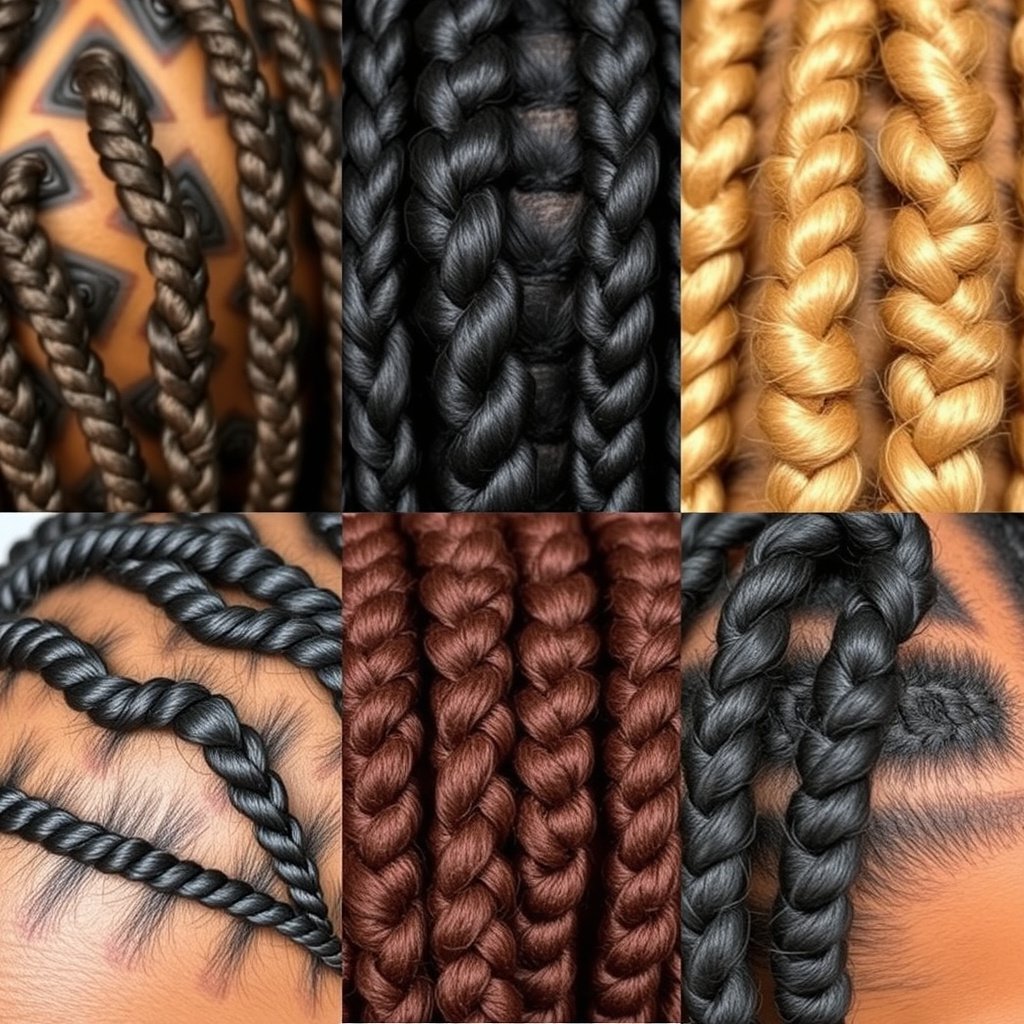
Box Braids and Twists
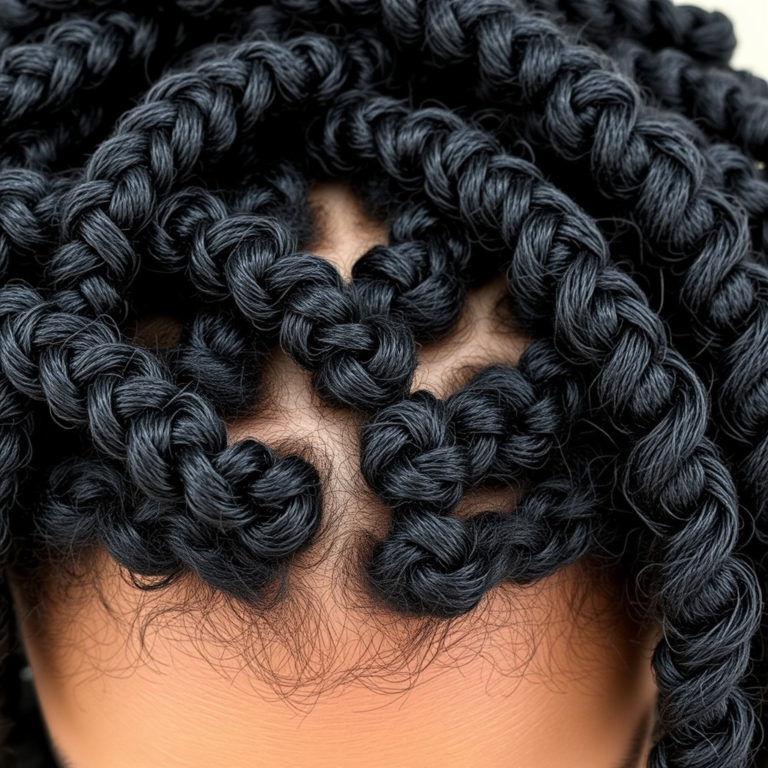
Box braids and twists tend to hold up well, but still benefit from nighttime protection to avoid frizz and dryness. Lightly oil the scalp and use a satin bonnet to keep them intact.
Because they can be heavier, avoid piling them tightly to prevent pulling on the scalp that could cause discomfort or breakage.
For more on this, see our related guide: How to Keep Braids from Getting Frizzy: Essential Tips for Long-Lasting Style.
Cornrows and Smaller Braids
Smaller braids or cornrows require delicate care as edges are often more exposed. Covering with a silk scarf or bonnet can protect your hairline and reduce edge breakage overnight.
Moisturizing the scalp without disturbing the cornrow pattern helps maintain their neat appearance longer term.
Common Mistakes to Avoid When Sleeping with Braids

Sleeping Without Protective Coverings
Going to bed without a silk scarf, bonnet, or pillowcase exposes braids to constant friction, leading to frizz, breakage, and shortened style life.
Even if you have high-quality braids, neglecting these protective layers often results in rougher, tangled hair and scalp irritation.
- Avoid cotton pillowcases alone
- Always cover braids or use silk/satin cases
- Don’t skip nighttime moisturizing
For more detailed insights into various protective hairstyles and their benefits, you can explore this resource on protective hairstyles. protective hairstyles information.
Leaving Braids Too Tight or Untreated
Wearing very tight braids or failing to moisturize can cause scalp pain, hair thinning, and breakage over time. Tight braids restrict blood flow to follicles and stress the hair shaft.
Prioritizing scalp health with gentle braiding tension and proper moisturizing is essential for keeping your hair healthy under braids.
- Loosen tight braids before bed
- Apply lightweight oils to scalp
- Avoid heavy product buildup
Braids Protective Methods Comparison
Review this comparison of common sleep protection methods for braids to find the best option for your hair type and comfort needs.
| Method | Protection Level | Comfort | Ease of Use | Cost |
|---|---|---|---|---|
| Silk Pillowcase | High | Very Comfortable | Easy | Moderate |
| Satin Bonnet | Very High | Comfortable | Moderate | Low |
| Cotton Pillowcase | Low | Comfortable | Easy | Very Low |
| Silk Scarf | High | Moderate | Moderate | Low |
| No Protection | Minimal | Varies | None | None |
Frequently Asked Questions
Can I sleep with wet braids?
It's best to let your braids dry completely before sleeping. Sleeping with wet braids can promote mildew growth, cause scalp irritation, and increase frizz, potentially damaging your hairstyle and hair health.
How often should I moisturize my braids overnight?
Moisturize your braids and scalp lightly every few nights or whenever your hair feels dry. Over-moisturizing can cause buildup, so it's better to apply small amounts regularly.
Is it okay to sleep with braids unwrapped?
Sleeping with braids unwrapped increases friction and dryness, leading to frizz and breakage. Using a satin or silk bonnet or pillowcase is recommended to protect your braids overnight.
Do all types of braids require the same nighttime care?
Different braid types have varying needs; for example, smaller braids and cornrows need extra care on edges, while box braids benefit from loose tying. Adjust your routine based on your braid style.
Can wearing tight braids harm my hair while sleeping?
Yes, tight braids can cause scalp tension, headaches, and hair breakage especially when worn overnight. Loosening braids before sleep reduces these risks and promotes healthy hair growth.
Key Takeaways
- Use silk or satin pillowcases to reduce friction and retain moisture.
- Apply light moisturizers and oils to keep braids and scalp hydrated.
- Loosely gather braids and avoid tight styles before sleeping.
- Cover braids with satin or silk bonnets for maximum protection.
Conclusion
Maintaining your braids overnight centers around reducing friction, protecting moisture, and preventing scalp tension. Employing protective methods like satin bonnets or pillowcases and following a nighttime moisturizing practice helps prolong the life of your braid style while supporting healthy hair. Being mindful about how you arrange and care for your braids before sleep can prevent common issues such as frizz, breakage, and scalp irritation. With consistent habits, sleeping with braids becomes comfortable and beneficial for long-term hair health.
For those with box braids or twists, lightly moisturizing and loosely tying your hair before bedtime will preserve the style and protect the strands. Smaller braids and cornrows require gentle edge care and often benefit from silk scarves or bonnets due to their tighter pattern and exposed edges. Whether you are a back sleeper or prefer side sleeping, using a silk pillowcase combined with protective coverings can address most typical challenges when sleeping with braids. Avoid sleeping with wet braids or overly tight styles to keep your scalp comfortable and your hair intact.
If you want to maximize the lifespan and appearance of your braids, start by investing in a quality silk pillowcase or satin bonnet. Develop a moisturizing routine tailored to your braid type and scalp needs. Try to sleep on your back when possible, and use loose ties to gather your hair gently for overnight wear. These simple steps offer an easy way to maintain your braids effortlessly through the night, so you wake up with fresh, healthy-looking hair ready to show off.

One Comment