
How to Do Senegalese Twists: A Step-by-Step Guide to Stylish Protective Braids
Senegalese twists are a beautiful and protective hairstyle that involves twisting synthetic or natural hair strands smoothly into long, rope-like twists. To do them, you start by sectioning clean hair, then use two strands to twist tightly from root to tip, adding synthetic hair for length and thickness if desired. This method keeps your scalp neat and your hair protected from daily wear.
These twists not only look elegant but also shield your natural hair from damage caused by heat and environmental stress, making them popular for hair maintenance among various hair textures. Skilled application can result in a sleek style lasting several weeks with proper care, combining style and functionality.
This guide will walk through each step: from preparing your hair and choosing the right extensions to twisting technique, maintenance tips, and recommended products. By the end, you'll understand how to create professional-quality Senegalese twists that enhance your hair's health and appearance.
Preparing Your Hair and Materials for Senegalese Twists
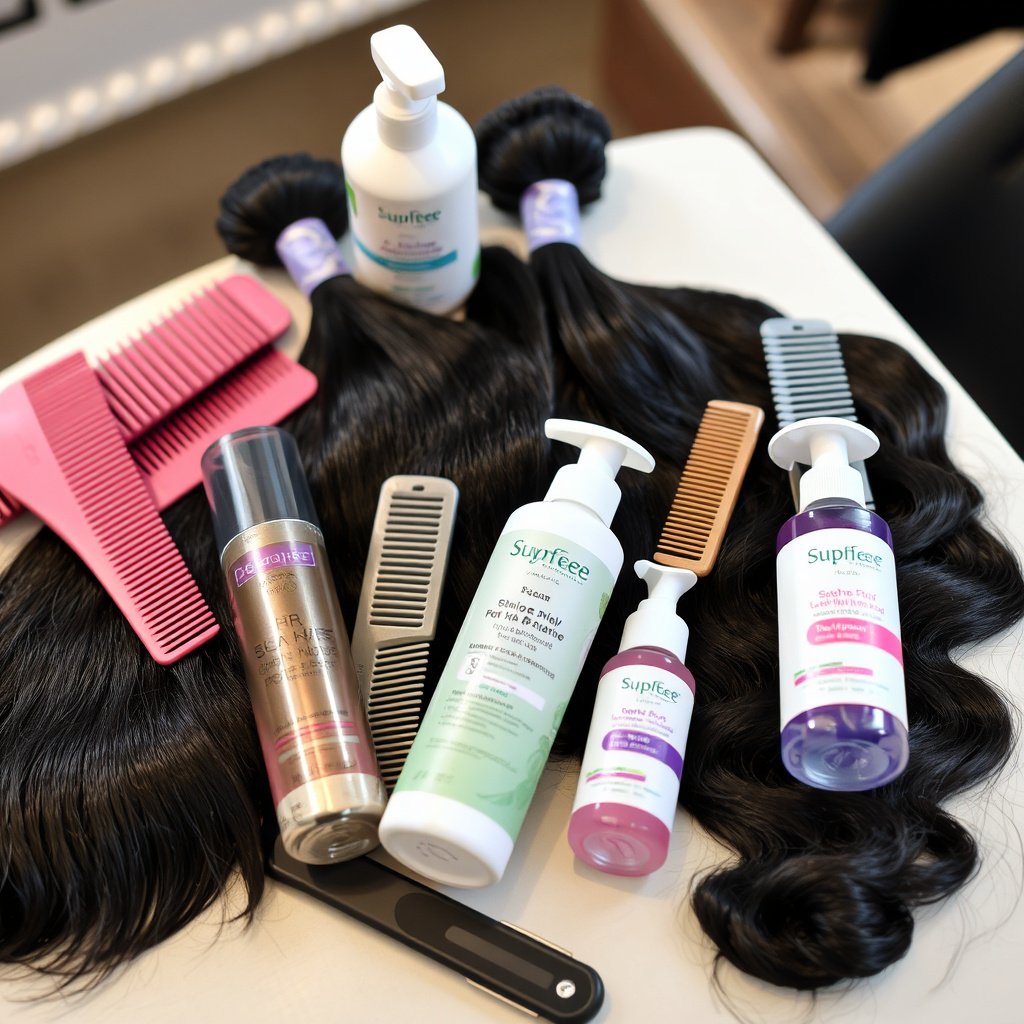
Preparing Your Natural Hair
Before starting Senegalese twists, ensure your hair is clean, detangled, and well-moisturized. Wash with a clarifying shampoo to remove product buildup, then condition deeply to maintain hydration. Once washed, completely dry your hair to prevent mildew under the twists.
Stretching the hair by blow-drying or braiding beforehand can simplify the twisting process, reduce shrinkage, and help twists look longer and neater. Applying a light leave-in conditioner aids in softening your strands for smooth twists.
Selecting and Preparing Extensions
Most people use Kanekalon or Marley synthetic hair extensions for Senegalese twists due to their pliability and realistic texture. The extension hair should blend well with your natural hair and be free of tangles.
Divide the extension hair into manageable bundles, then stretch it slightly by briefly heating or running it through warm water to reduce dryness and brittleness, which prevents breakage during twisting.
Mastering the Twisting Technique for Senegalese Twists
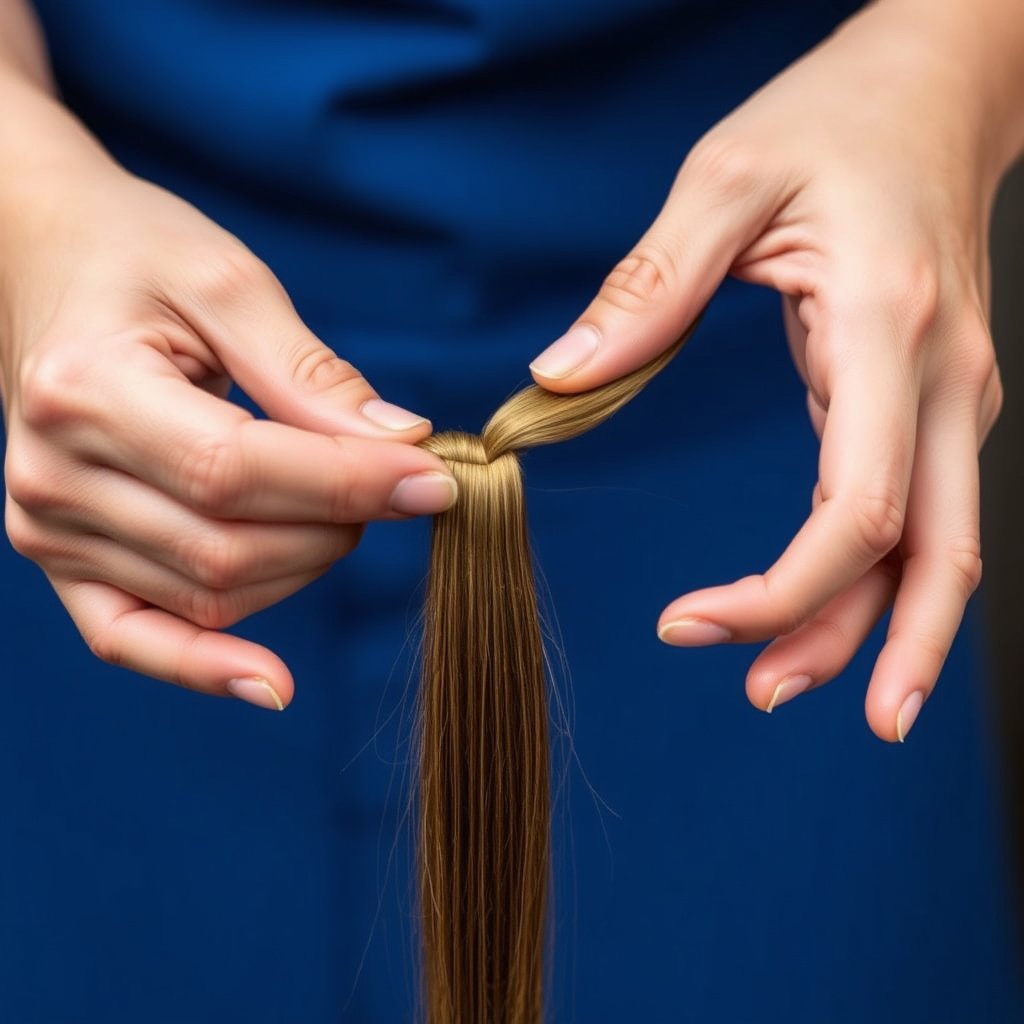
Basic Two-Strand Twist Technique
Begin by dividing a small section of hair into two even strands. Holding one strand in each hand, cross one strand over the other repeatedly while maintaining tension. This creates a smooth rope-like twist that lies flat and tight against the scalp.
Consistent tension is key. Too loose, and the twists will unravel prematurely; too tight, and hair or scalp damage may occur. Practice on less visible sections first to get comfortable with the twisting motion.
For more on this, see our related guide: How to Do Passion Twists: A Step-by-Step Guide for Beautiful Protective Styles.
Incorporating Extensions for Length and Volume
To add extensions, take a small portion of the synthetic hair and place it alongside one natural hair strand at the root. Begin twisting both strands together, carefully blending the synthetic hair with your own to create uniform thickness.
Avoid adding extensions too close to the scalp to prevent discomfort. As you twist downward, gradually taper the synthetic hair to the tips, securing ends by twisting or dipping them in hot water for a polished look.
Maintaining Senegalese Twists for Longevity and Hair Health
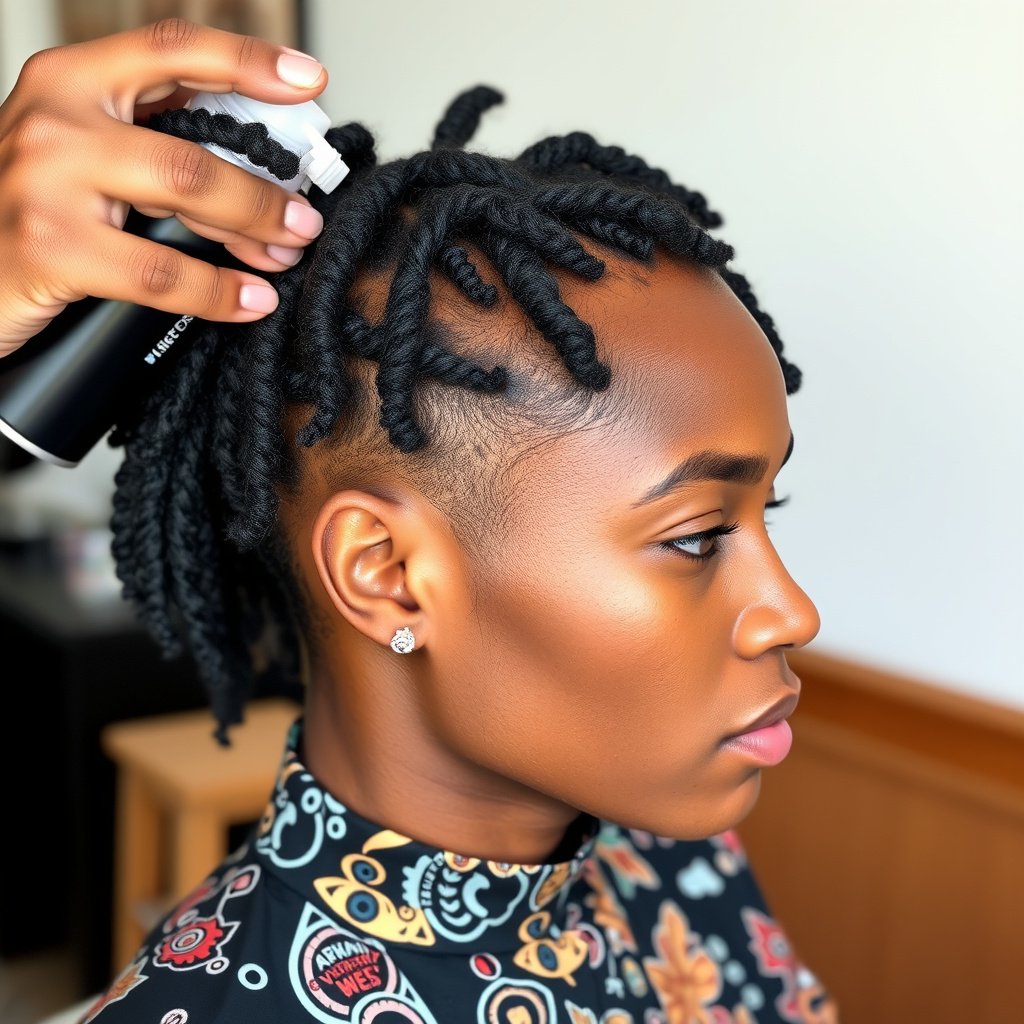
Daily and Weekly Care
Moisturize your scalp and twists regularly with light oils or sprays to prevent dryness and itchiness. Use a satin or silk scarf and pillowcase when sleeping to reduce friction, which can cause frizz and unraveling.
Keep the twists clean by gently shampooing with diluted sulfate-free shampoo every one to two weeks, focusing on the scalp. Follow with a light conditioner to maintain softness without loosening the twists.
Signs to Remove and Reinstall Twists
Twists should typically be kept for 4-6 weeks to avoid matting or breakage. Remove twists promptly if you notice significant frizzing, unraveling, or scalp irritation.
Take care when uninstalling to gently detangle and condition your hair before planning your next protective style session.
Choosing the Best Hair Products for Senegalese Twists
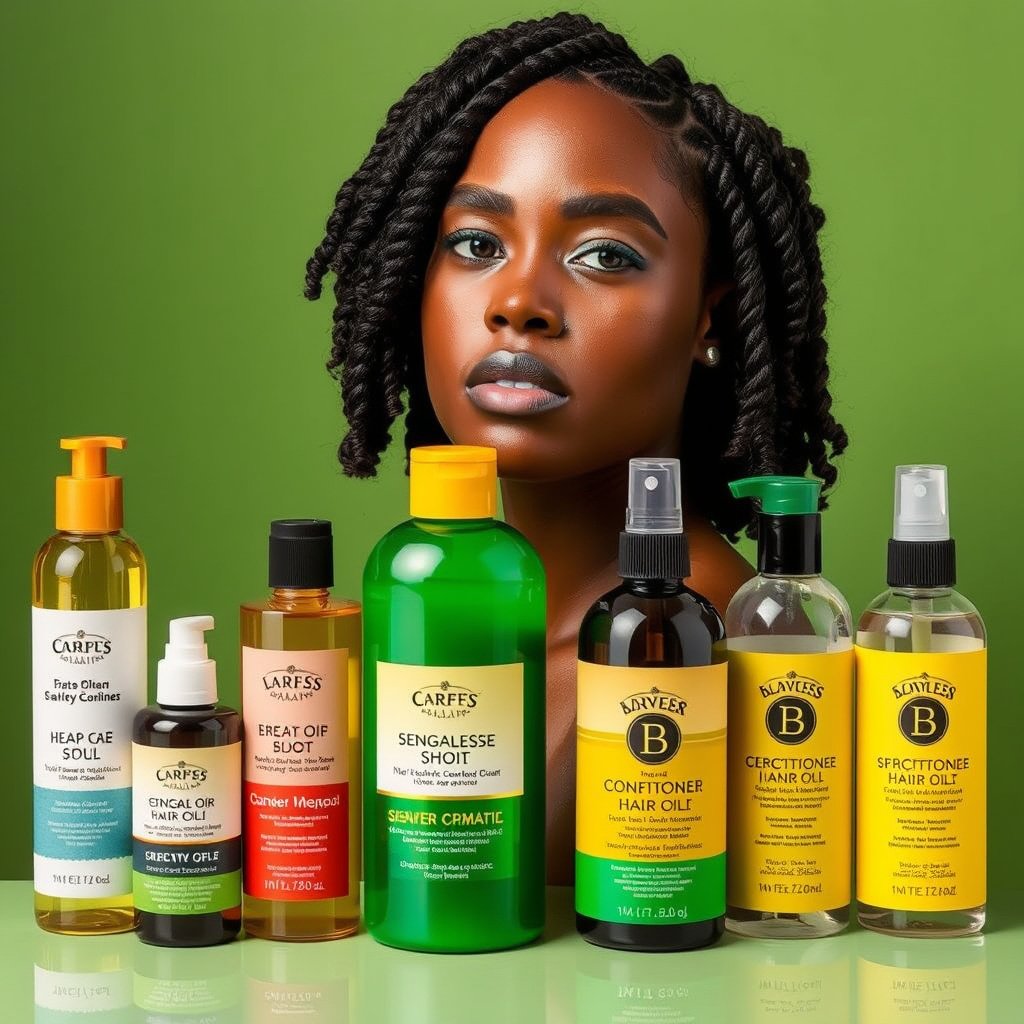
Moisturizers and Oils
Light oils such as jojoba, argan, and grapeseed penetrate the hair and scalp without leaving residue, ideal for daily moisture. Avoid heavy butters within twists as they may cause buildup and weigh hair down.
Use hydrating sprays containing natural extracts and humectants like glycerin for added moisture retention throughout the day.
- Jojoba oil
- Argan oil
- Light leave-in sprays
For more on this, see our related guide: How to Do Goddess Braids: Step-by-Step Guide for Stunning Protective Styles.
Cleansers and Conditioners
Sulfate-free shampoos cleanse the scalp without stripping natural oils, essential to maintaining healthy twists. Focus shampoo application on the scalp to reduce product buildup.
Conditioners should be lightweight and rinse out fully to prevent residue that causes fuzziness or weighs extensions down.
- Sulfate-free shampoo
- Light rinse-out conditioner
Styling Options and Variations with Senegalese Twists
Classic and Casual Styles
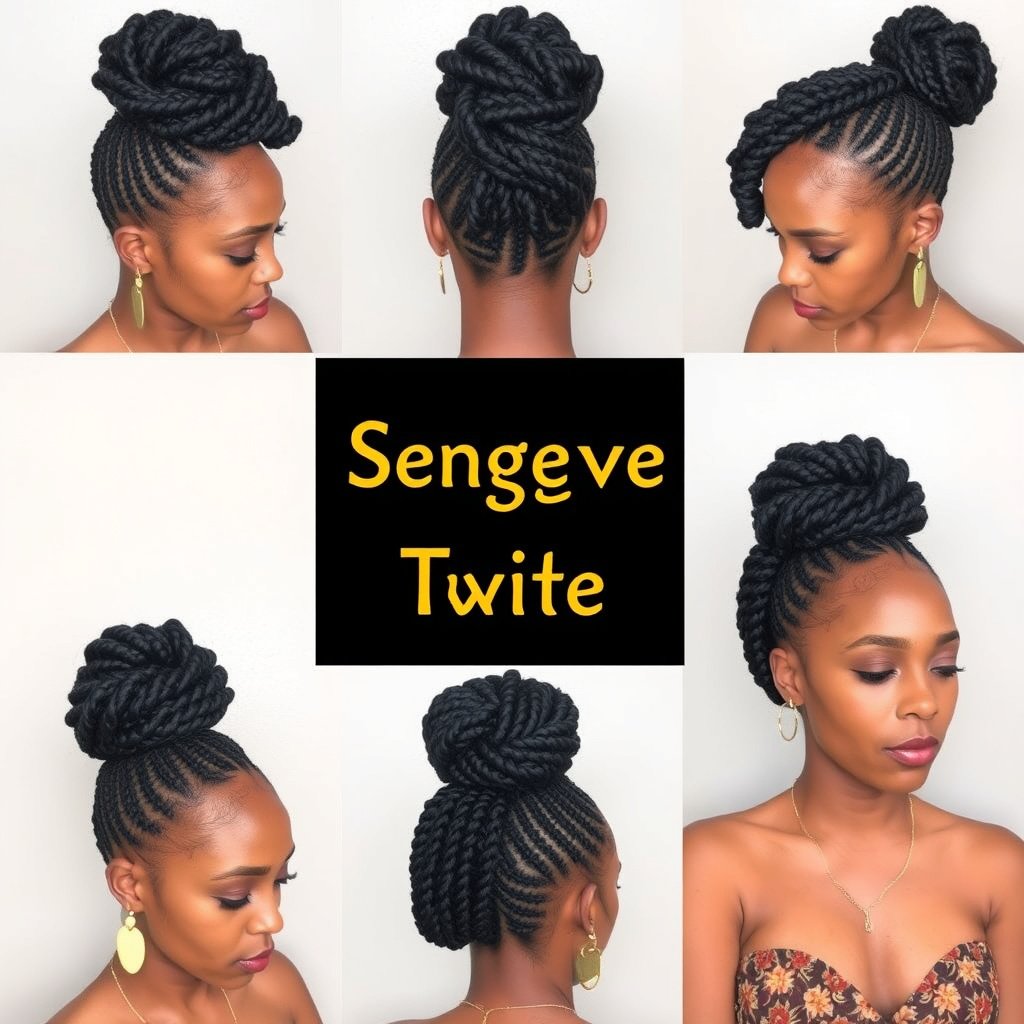
Wear Senegalese twists down with a middle or side part for an everyday look that's elegant yet effortless. Twists can also be pulled back into simple ponytails or buns to keep hair off the face during physical activities.
Using hair accessories like beads or cuffs can personalize the style and add a touch of cultural flair.
For more historical and cultural background on this popular style, check out the Senegalese twist hairstyle entry on Wikipedia. Senegalese twist hairstyle.
Formal and Protective Styling Variations
For special occasions, twist hairstyles can be arranged into intricate updos, braided crowns, or combined with other styles like cornrows for volume and interest.
Protective styling with Senegalese twists reduces manipulation, helping hair retain length and strength over time.
Senegalese Twists vs Other Protective Twist Styles
This table compares popular twist styles to help you decide which protective hairstyle suits your needs best.
| Twist Style | Hair Type Compatibility | Longevity | Installation Time | Maintenance Level |
|---|---|---|---|---|
| Senegalese Twists | All hair types; especially thick/coarse | 4-6 weeks | 3-6 hours | Medium |
| Havana Twists | Coarser textures preferred | 4-6 weeks | 4-7 hours | Medium-High |
| Marley Twists | Medium to coarse hair types | 4-8 weeks | 4-6 hours | Medium |
| Passion Twists | All hair types; finer hair OK | 3-5 weeks | 3-5 hours | High |
| Two-Strand Twists (No Extensions) | Natural hair textures | 1-3 weeks | 1-3 hours | Low |
Frequently Asked Questions
Can I do Senegalese twists on short hair?
Yes, but incorporating extensions is recommended for length and volume. Short natural hair provides the base twist, while synthetic or natural hair adds the desired length.
How long do Senegalese twists usually last?
With proper care, Senegalese twists can last between 4 to 6 weeks before noticeable frizz and new growth require removal.
Are Senegalese twists damaging to the hair?
When installed correctly and not too tight, Senegalese twists protect natural hair by reducing manipulation and exposure to heat, minimizing damage.
How do I unwind Senegalese twists safely?
To remove, carefully unravel the twists strand by strand. Apply conditioner or detangler to ease the process and prevent breakage.
What is the difference between Senegalese twists and Marley twists?
Senegalese twists use smoother, shinier hair for a sleeker look, while Marley twists have a coarser, kinkier texture creating a fuller, natural effect.
Key Takeaways
- Senegalese twists are protective two-strand twists often created with synthetic extensions.
- Proper hair preparation and selecting quality extensions affect the final look and longevity.
- Maintaining moisture and regular gentle cleansing helps extend twist life and hair health.
- Twisting technique and tension control are essential to avoid damage and achieve neat results.
Conclusion
Creating Senegalese twists requires balancing technique, hair health, and styling preferences. By properly preparing your natural hair and choosing appropriate extensions, you can craft twists that are both beautiful and protective. Mastering the twisting motion and maintaining correct tension will help your style last longer without discomfort or damage. Regular moisturizing and scalp care sustain hair vitality during the twisting period, preserving your natural strands.
If you want a sleek and long-lasting protective style, Senegalese twists offer excellent versatility for casual or formal looks. For those with coarser hair or who prefer fuller twists, Marley or Havana twists might suit better. To maintain your twists optimally, use lightweight products tailored for braided styles and sleep on silk to reduce frizz. Removing twists at recommended intervals prevents matting and encourages healthy regrowth.
Ultimately, your choice to do Senegalese twists should reflect your lifestyle and hair goals. Starting with small sections and practicing the twisting method can build your confidence before attempting a full head install. Consider consulting a professional hairstylist for initial application if you wish for a flawless finish. This approach guarantees you enjoy the style’s protective benefits while showcasing vibrant, natural beauty.


2 Comments