
How to Do Passion Twists: A Step-by-Step Guide for Beautiful Protective Styles
Passion twists are a popular, elegant protective hairstyle that combines the bohemian look of Senegalese twists with a softer, fuller texture. To do passion twists, you start by sectioning clean, detangled hair, then using curly synthetic hair extensions to create loosely twisted coils that offer volume and a natural finish. With practice, passion twists can be installed quickly and last several weeks with proper care.
This hairstyle stands out because it merges versatility and protection, allowing natural hair to rest and grow while presenting a trendy, casual appearance. Passion twists suit various hair lengths and textures, making them accessible to many who want an effortless yet striking style without frequent manipulation of their natural strands.
In this article, we’ll walk through the materials you need, prep steps, the twisting technique itself, maintenance tips to extend your style’s longevity, and how to avoid common mistakes in creating passion twists. Whether you want a boho vibe for summer or a low-maintenance style, you'll learn how to confidently achieve passion twists at home or with a stylist.
Materials Needed for Passion Twists
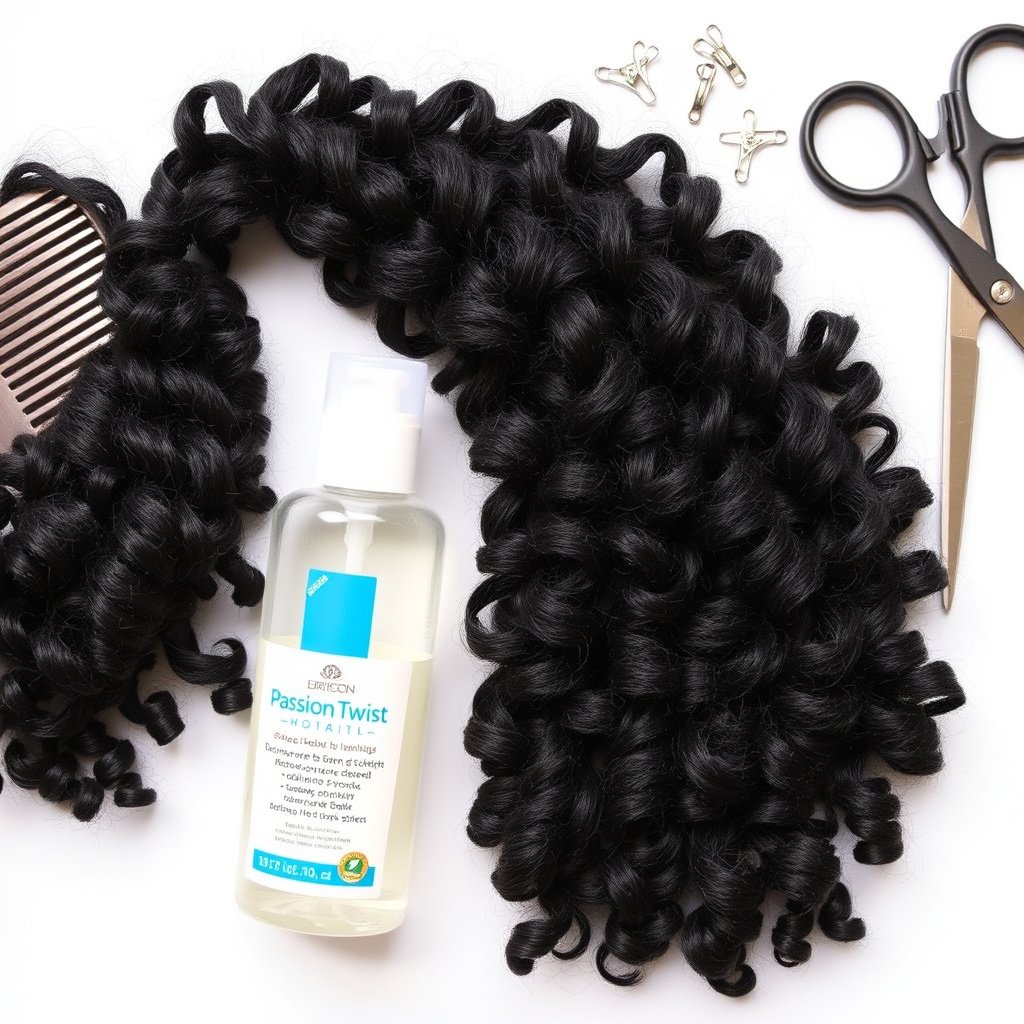
Choosing the Right Hair Extensions
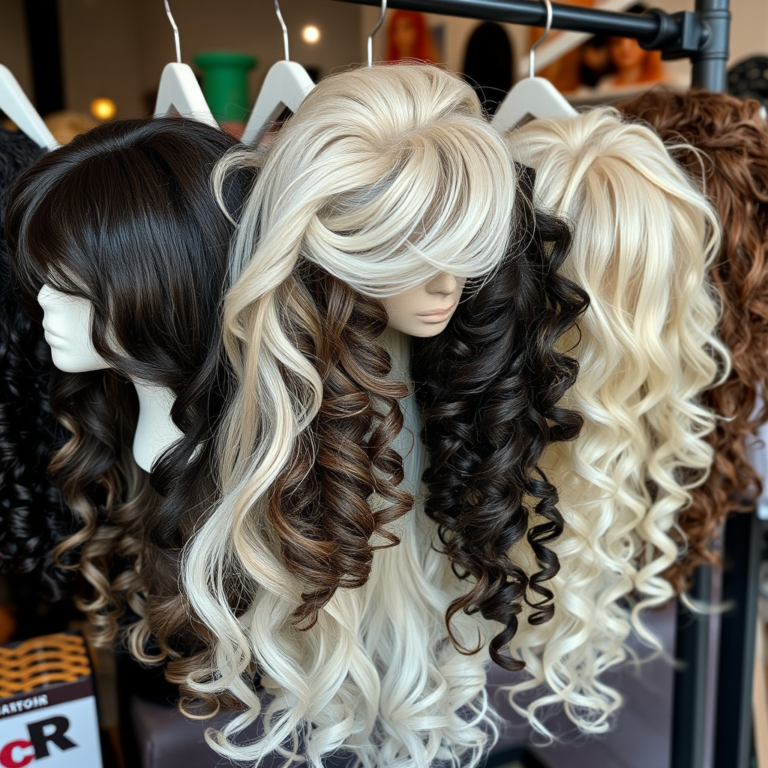
Selecting the right hair extension is key for passion twists. Most prefer using Havana or Marley twist hair in a kinky curly texture to mimic natural hair’s volume and pattern. The synthetic hair should be lightweight and easy to separate to create soft, flowy twists without stiffness.
Hair length varies by preference but between 10 and 20 inches works best to allow settling and shrinkage. Avoid very thick or overly synthetic brands that feel heavy or overly shiny, as these can make twists look less natural and strain your hair.
- Havana Marley twist hair with kinky curls
- Lengths between 10-20 inches
- Lightweight, soft synthetic fibers
- Natural matte finish
Additional Tools and Products
Besides hair extensions, prepare your hair with moisturizers and styling gels that provide grip without flaking. A wide-tooth comb helps detangle the hair gently, while hair clips or bands section hair neatly for twisting.
Scissors and a lighter or candle can be handy for trimming and sealing twist ends. A handheld mirror allows you to check styling progress, especially at the back.
- Moisturizing leave-in or cream
- Light hold styling gel
- Wide-tooth comb and hair clips
- Scissors and lighter for finishing
Preparing Your Hair for Passion Twists
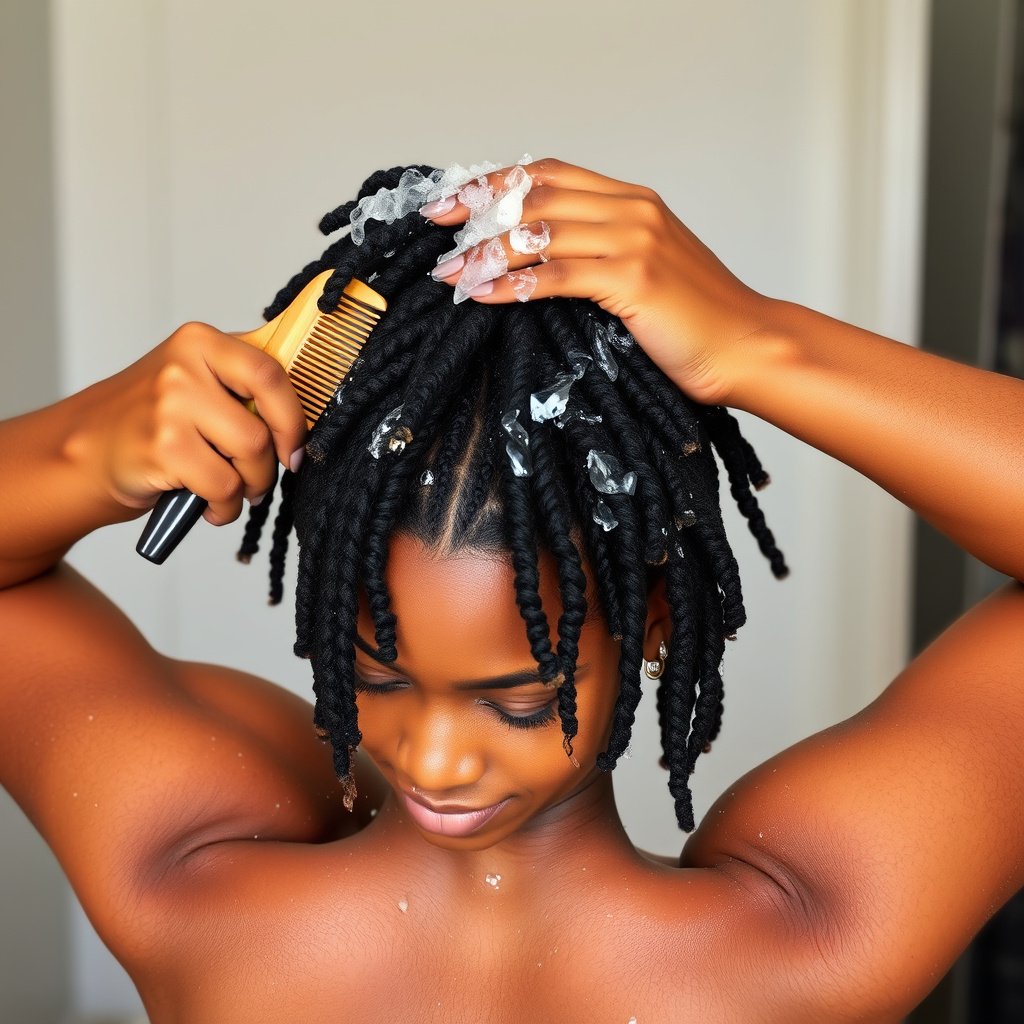
Washing, Conditioning, and Moisturizing
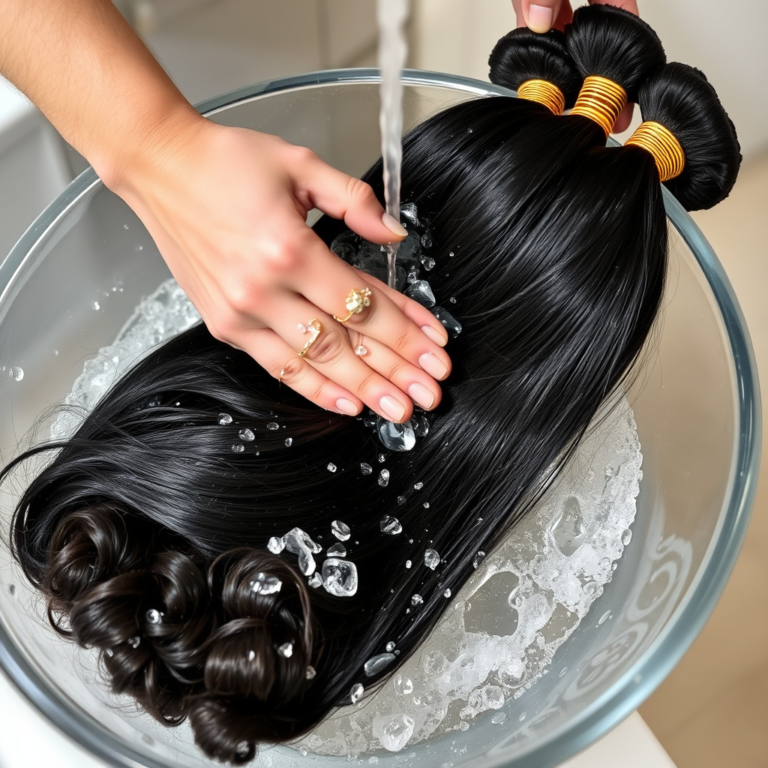
Start with freshly washed and conditioned hair to remove buildup and soften strands. This preparation reduces tangles and breakage during twisting. Use a moisturizing conditioner tailored for natural hair to keep it hydrated and manageable.
After washing, apply a leave-in conditioner combined with a moisturizing cream or hair butter to lock in softness. Well-moisturized hair blends easily with the synthetic extensions, giving a seamless appearance to your passion twists.
Detangling and Sectioning
Detangle your hair thoroughly using a wide-tooth comb in sections. Proper detangling avoids knots and ensures your twists look neat without bulges or uneven strands.
Divide your hair into small, even sections using clips or hair ties based on the desired twist size. Smaller sections create thinner twists with a more natural, delicate look, while larger ones give a chunkier, more dramatic style.
- Use wide-tooth comb for gentle detangling
- Section hair evenly to keep twists uniform
- Adjust section size to control twist thickness
Step-by-Step Passion Twist Technique
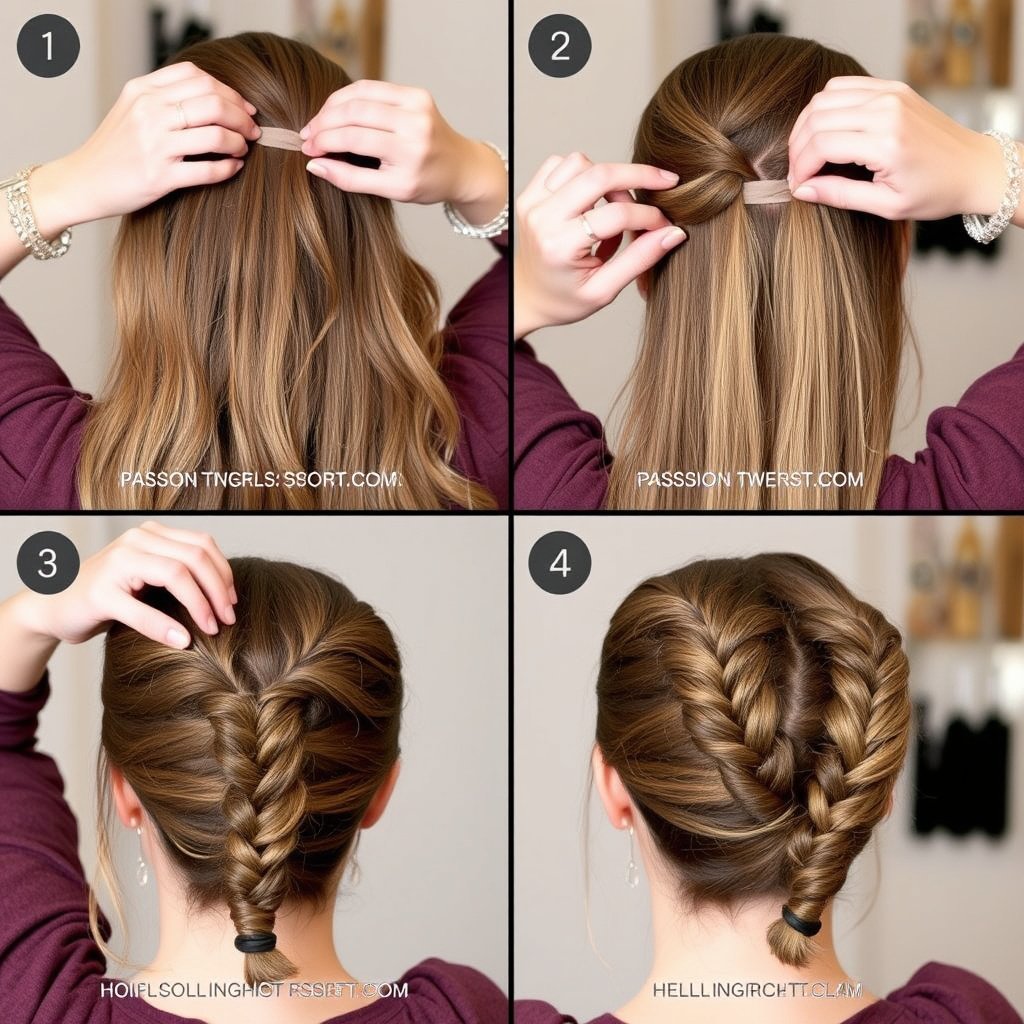
Attaching Extensions and Initial Twisting
Take one section of your natural hair and split it into two equal parts. Then attach the synthetic curly hair by folding a bundle in half and placing the middle at the base of your natural section, securing it by twisting.
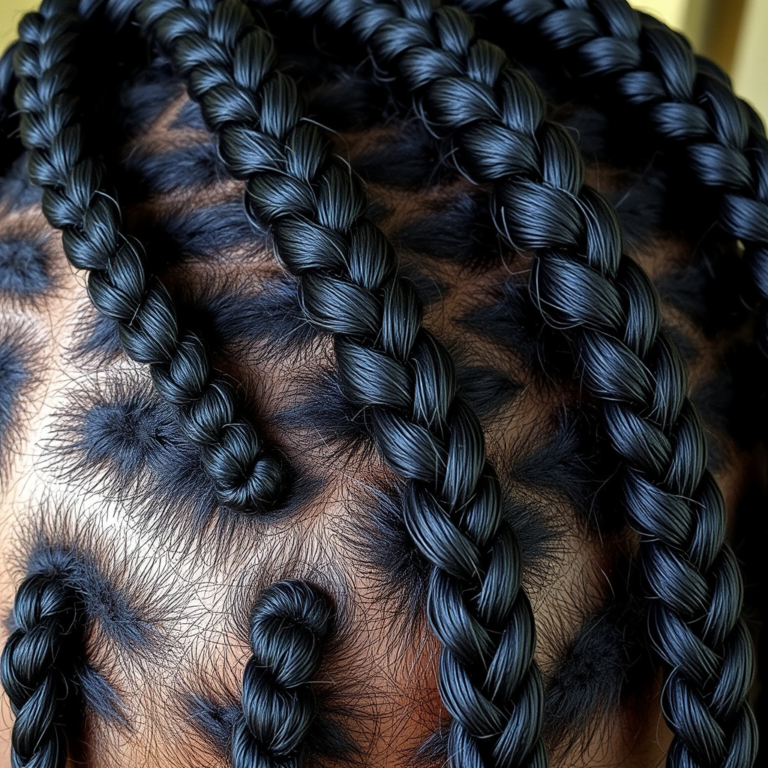
Twist your natural hair with the extension hair simultaneously, twisting away from your face. Keep the tension firm but not too tight to avoid scalp discomfort. This locked grip ensures the twist stays intact longer.
Twisting to the Ends and Finishing
Continue twisting both strands down the length of the combined hair, allowing the synthetic to move freely for a loose, soft effect. Some prefer to coil the tips around their fingers to shape them and twist the shallow ends securely.
Once completed, trim any stray fibers for a clean look. Carefully seal the ends by dipping them briefly in warm water if needed or by wrapping a lighter flame close without burning the hair.
- Twist evenly without twisting too tight
- Coil ends gently for better hold
- Trim stray hairs for smooth finish
- Seal ends with warm water or flame
Maintaining and Caring for Passion Twists

Daily Moisturizing and Scalp Care
Keep your passion twists fresh by lightly spritzing moisturizing spray or water mixed with leave-in conditioner daily. Focus on your scalp as well to prevent dryness or itching.
Gently massage your scalp with oils like jojoba or castor oil to stimulate circulation and maintain hair health. Avoid heavy buildup products that can weaken the twists or cause flaking.
Nighttime Protection and Cleanliness
Wear a satin or silk bonnet or use a silk pillowcase when sleeping to minimize friction and frizz. This helps preserve the shape and smoothness of passion twists longer.
Wash your scalp and hair carefully every two weeks using diluted shampoo or gentle cleansing methods. Avoid vigorous scrubbing that could loosen twists prematurely.
- Use satin bonnet or silk pillowcase at night
- Cleanse scalp gently biweekly
- Avoid heavy oils or wax buildup
Common Mistakes to Avoid with Passion Twists

Overtightening and Scalp Irritation
Pulling twists too tight can cause scalp pain, breakage, and tension headaches. It’s essential to have snug twists but with enough slack to allow natural movement and prevent strain on hair follicles.
If you notice redness, bleeding, or excessive soreness, pause the installation process and adjust your tension. Healthy scalp conditions support better growth and style longevity.
Using Poor Quality Extensions
Choosing synthetic hair that is too coarse, heavy, or with an unnatural shine reduces the aesthetic appeal of passion twists. Poor-quality extensions wear out quickly, looking frizzy or tangled before their time.
Investing in well-reviewed brand extensions specifically designed for twists ensures your style remains soft and looks natural from day one to removal.
- Avoid very stiff or shiny synthetic hair
- Choose brands designed for twisting
- Sample small bundles before bulk purchase
Styling and Versatility of Passion Twists
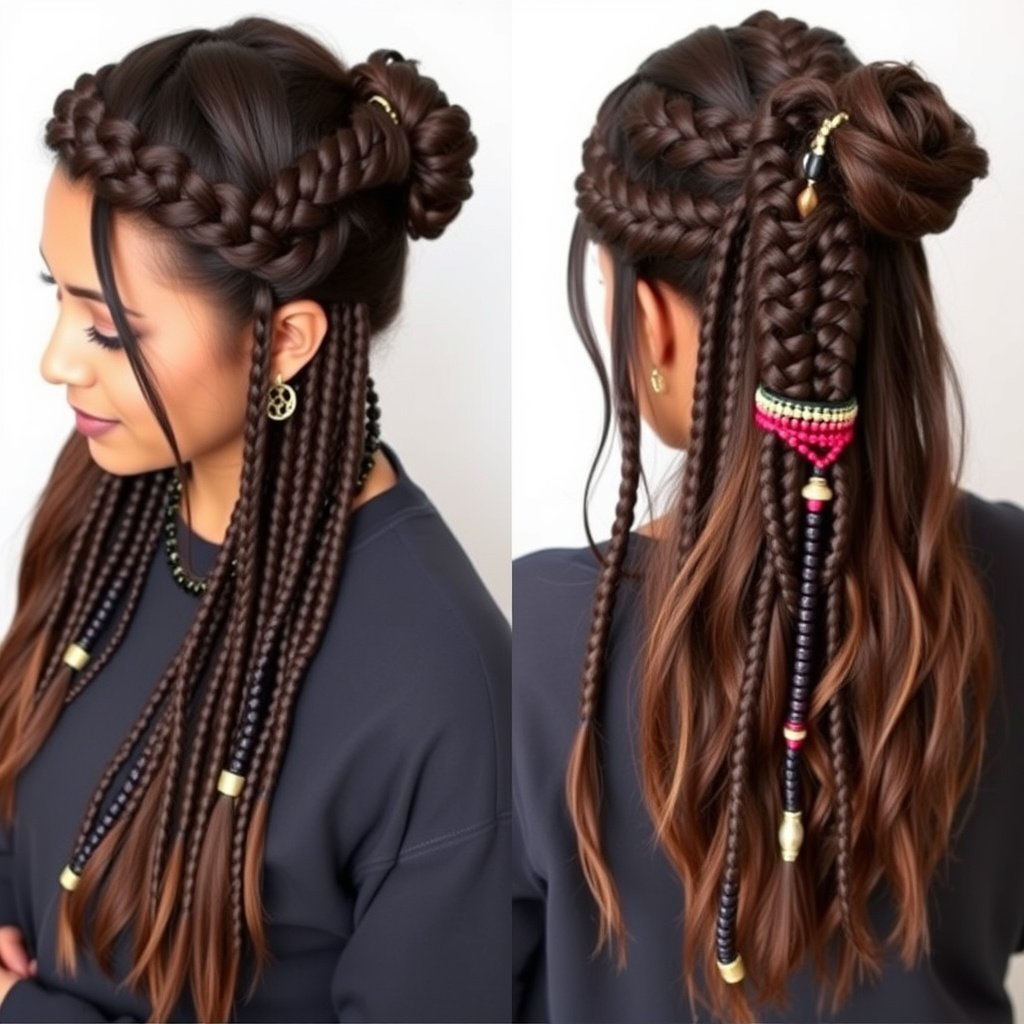
Accessorizing Passion Twists
Passion twists pair beautifully with hair accessories such as beads, gold or silver cuffs, and colorful wraps. Adding these small touches can elevate your look for special occasions or daily wear.
Inserting accessories requires minimal effort—simply slide them over select twists, or wrap ribbons and strings for a boho-chic vibe. These details personalize your style and express creativity.
- Use metallic hair cuffs and beads
- Incorporate fabric wraps or ribbons
- Try colorful hair pins for accents
For more information on hairstyles that protect natural hair, see the detailed overview of protective hairstyles. Protective hairstyles.
Styling Options with Passion Twists
Apart from wearing them down, passion twists can be styled into ponytails, buns, or half-up styles. Their lightweight feel makes them easy to manipulate without sacrificing volume or texture.
To change appearance without undoing twists, try side-swept looks, braided sections with twists, or pinned-up half buns to adapt your hairstyle for work, casual outings, or formal events.
Passion Twists vs Other Popular Twist Hairstyles
Here’s a quick overview comparing passion twists with other common hair twist styles, highlighting their textures, styling ease, and longevity.
| Category | Hair Texture | Installation Time | Longevity | Maintenance Level |
|---|---|---|---|---|
| Passion Twists | Soft kinky curly synthetic | 3-6 hours | 4-6 weeks | Moderate |
| Senegalese Twists | Smooth, silky synthetic | 6-10 hours | 6-8 weeks | Low |
| Marley Twists | Coarser, matte synthetic | 5-8 hours | 4-6 weeks | Moderate |
| Havana Twists | Lightweight curly synthetic | 4-7 hours | 3-5 weeks | Moderate |
| Kinky Twists | Tightly coiled synthetic | 5-8 hours | 4-6 weeks | Moderate |
Frequently Asked Questions
Can I do passion twists on short natural hair?
Yes, passion twists work well on short natural hair as the synthetic extensions add necessary length and volume. However, ensure your hair is at least 3-4 inches to hold the twists securely.
How long do passion twists usually last?
With proper care, passion twists can last between 4 to 6 weeks. Factors like hair type, maintenance routine, and installation quality affect their longevity.
Are passion twists damaging to natural hair?
When installed and cared for properly without excessive tightness or heavy products, passion twists protect natural hair by minimizing manipulation and breakage.
Can I wash my hair with passion twists installed?
Yes, but you should wash your scalp gently every two weeks using diluted shampoo to avoid loosening the twists. Focus on scalp cleansing rather than soaking the twists themselves.
Do passion twists require professional installation?
While many skilled individuals can install passion twists at home, professional installation often results in neater, longer-lasting styles, especially for beginners.
Key Takeaways
- Passion twists blend synthetic curly hair with natural hair for a soft, voluminous protective style.
- Preparation with clean, moisturized hair and quality hair extensions ensures best results.
- Proper twisting technique avoids tension and scalp damage while maintaining a natural look.
- Maintenance including light moisturizing and nighttime protection extends style longevity.
Conclusion
Deciding how to do passion twists involves balancing technique, materials, and care to achieve a look that both protects your natural hair and fits your lifestyle. Focus on choosing the right synthetic textures that mimic your hair well to create beautiful, flowing twists. Maintain proper moisture and gentle handling throughout to keep the hair and scalp healthy during the style’s duration. Understanding each element from preparation to finishing will help you create passion twists confidently and enjoyably.
If you want a flexible style that pairs well with a variety of looks, passion twists are an excellent choice. For a softer, natural aesthetic, opt for Havana Marley twist hair and work in manageable section sizes. Those needing longer wear might consider comparing them to Marley or Senegalese twists, which offer different textures and maintenance demands. Whichever you pick, focusing on quality materials and scalp care will maximize your style’s appearance and durability.
To begin, gather quality accessories and tools mentioned, prepare your hair carefully, and try the step-by-step twisting technique outlined here. Whether you do the twists yourself or consult a stylist, patience and practice will improve your results. Once in place, care for your passion twists with light moisturizing and gentle nightly protection. This approach will let you enjoy a stunning, long-lasting hairstyle that supports your natural hair health.


One Comment