How to Do Fulani Braids: A Step-by-Step Guide to the Traditional Style
Fulani braids are a unique and beautiful traditional African hairstyle characterized by a combination of cornrows and single braids adorned with beads or cowrie shells, often centered around a middle braid or a side part. To do Fulani braids, you start by sectioning the hair into parts following the traditional pattern, braid the cornrows close to the scalp while leaving some hair for individual braids, and finish by accessorizing with beads or decorations for an authentic look.
This hairstyle not only offers a stunning appearance but also carries cultural significance in West African communities, particularly among the Fulani people. It blends artistry with tradition and serves as a protective style that keeps hair healthy and manageable. Many people choose Fulani braids for their versatility and the statement they make in beauty and heritage.
In this article, we will break down the essential steps involved in creating Fulani braids, discuss the tools and materials needed, share tips on sectioning and braiding techniques, and highlight styling and maintenance advice. By following these instructions, you can confidently recreate this iconic hairstyle either on yourself or for others.
Understanding Fulani Braids and Their Cultural Background

Origins and Cultural Significance
Fulani braids originate from the Fulani people of West Africa and are recognized for their distinct design involving a mix of cornrows and individual braids that typically curve around the head. This hairstyle has been passed down through generations and symbolizes cultural identity, pride, and sometimes social status within the community.
The traditional adornments like cowrie shells and beads not only add beauty but also represent wealth and heritage. Wearing Fulani braids connects individuals to their roots and honors African history, making it more than a fashion choice but an important cultural statement.
Modern Popularity and Influence
In recent years, Fulani braids have gained widespread popularity beyond West Africa, embraced worldwide by people interested in Afrocentric hairstyles. The hairstyle’s unique blend of structure and decoration has also influenced contemporary fashion and hair design.
Many celebrities and influencers have popularized the style, allowing wider recognition and inspiring new variations that still respect the traditional foundation. This wider adoption encourages cultural appreciation and creativity in hairstyling.
Preparing Your Hair and Materials for Fulani Braids

Essential Tools and Products
To start Fulani braids, gather key materials such as a rat-tail comb for precise sectioning, hair elastics or clips to hold sections, moisturizing products like leave-in conditioner or hair oil, and decorative items including beads and cowrie shells. Quality synthetic or real hair extensions might also be used for added length or volume.
Having all tools ready before braiding helps maintain a smooth workflow and ensures you can focus on clean sections and neat braids that last longer.
- Rat-tail comb
- Hair clips or elastics
- Moisturizer or leave-in conditioner
- Beads or cowrie shells
- Optional hair extensions
Hair Preparation and Cleanliness
Begin with clean, detangled hair. Washing and deep conditioning the hair before braiding improves manageability and scalp health. Apply a moisturizing product to prevent dryness and breakage, essential for securing the braids tightly without damage.
Parting the hair into sections while damp can assist in achieving crisp cornrows. It is also advisable to perform a scalp massage using oils to stimulate circulation and maintain scalp nourishment throughout the braiding process.
Step-by-Step Guide on How to Do Fulani Braids

Creating the Traditional Parting and Cornrows
Start by parting the hair in the center or slightly off-center to create the foundation for the Fulani braid pattern. The iconic feature is the middle braid or a clear central part with symmetrical cornrows radiating sideways. Use the rat-tail comb to create clean, even sections for the cornrows close to the scalp.
Next, braid the cornrows towards the back or sides, leaving some sections unbraided for the individual braids later. The cornrows should be tight but comfortable, providing a structured base for the style.
- Make a center or side part
- Create cornrows along the sides
- Leave spaces for individual braids
For more on this, see our related guide: Your Guide to Fulani Braids: Choosing With Confidence.
Adding Individual Braids and Decorations
After the cornrows are completed, braid the remaining hair sections into single, neat braids that often hang freely or are wrapped around the head. Attach beads or cowrie shells near the ends or along the braids using hair cuffs or threading techniques.
This step brings the Fulani style to life, emphasizing its cultural flair and aesthetic appeal. The placement of the beads should complement the symmetry created by the cornrows, balancing the overall look.
- Braid remaining hair individually
- Add beads and cowrie shells carefully
- Position decorations for visual balance
Styling and Care Tips for Long-Lasting Fulani Braids
Maintaining the Braids Daily
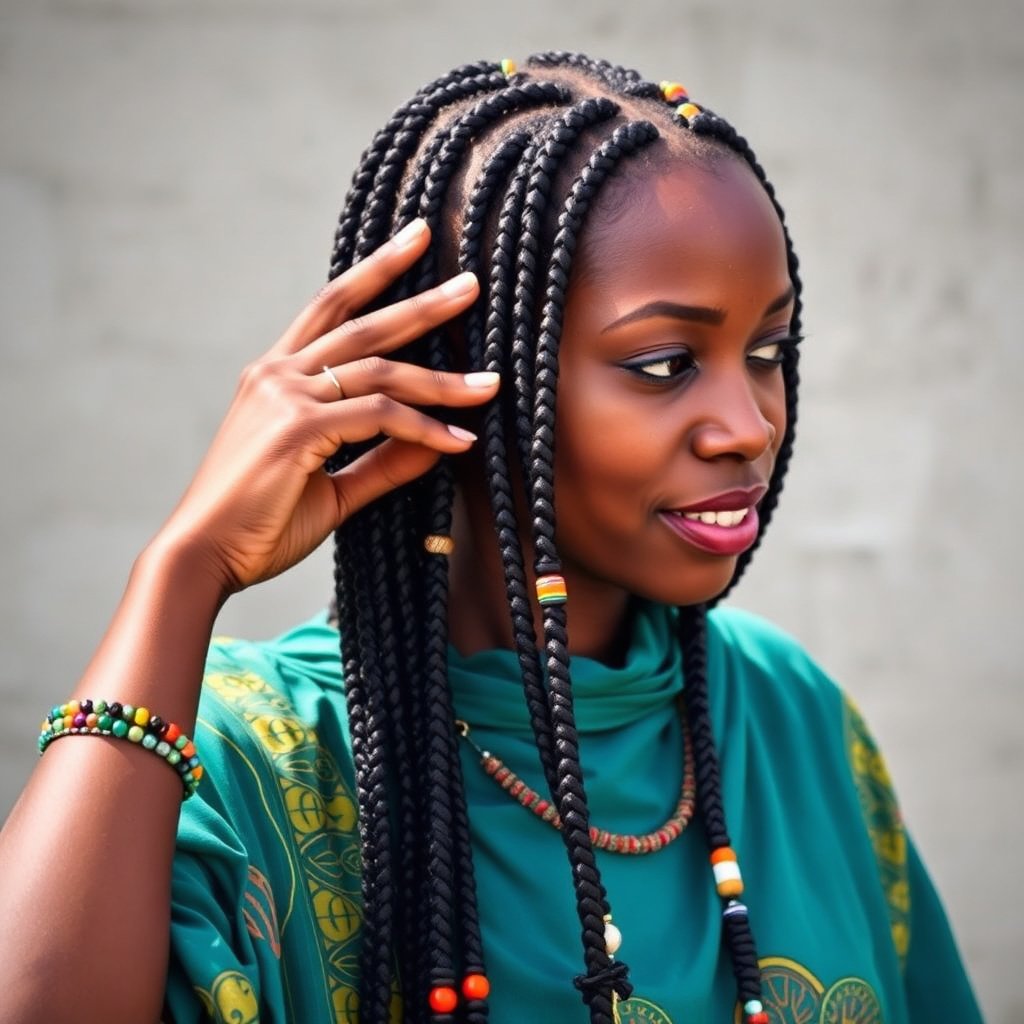
To keep Fulani braids looking fresh and healthy, regularly moisturize the scalp using light oils to reduce itchiness and dryness. Cover the hair with a silk or satin scarf while sleeping to minimize frizz and preserve the braids.
Avoid heavy products or harsh chemicals that can weigh down the braids or cause buildup. Gentle cleansing of the scalp every 1-2 weeks with diluted shampoo helps prevent irritation while protecting the braids.
- Daily scalp moisturizing
- Use satin or silk scarf at night
- Cleanse scalp gently every couple of weeks
Refreshing and Removing Braids Safely
If you want to refresh your Fulani braids, re-tighten loose cornrows or replace beads as needed. When it's time to remove the braids, carefully unravel them to avoid pulling or breaking the natural hair.
Deep conditioning after removal is recommended to restore moisture and repair any tension or damage from the braiding process, ensuring healthy hair regrowth.
- Retighten loose braids when necessary
- Remove braids gently to avoid hair loss
- Deep condition post-removal
Variations and Personalizing Fulani Braids
Incorporating Colors and Extensions
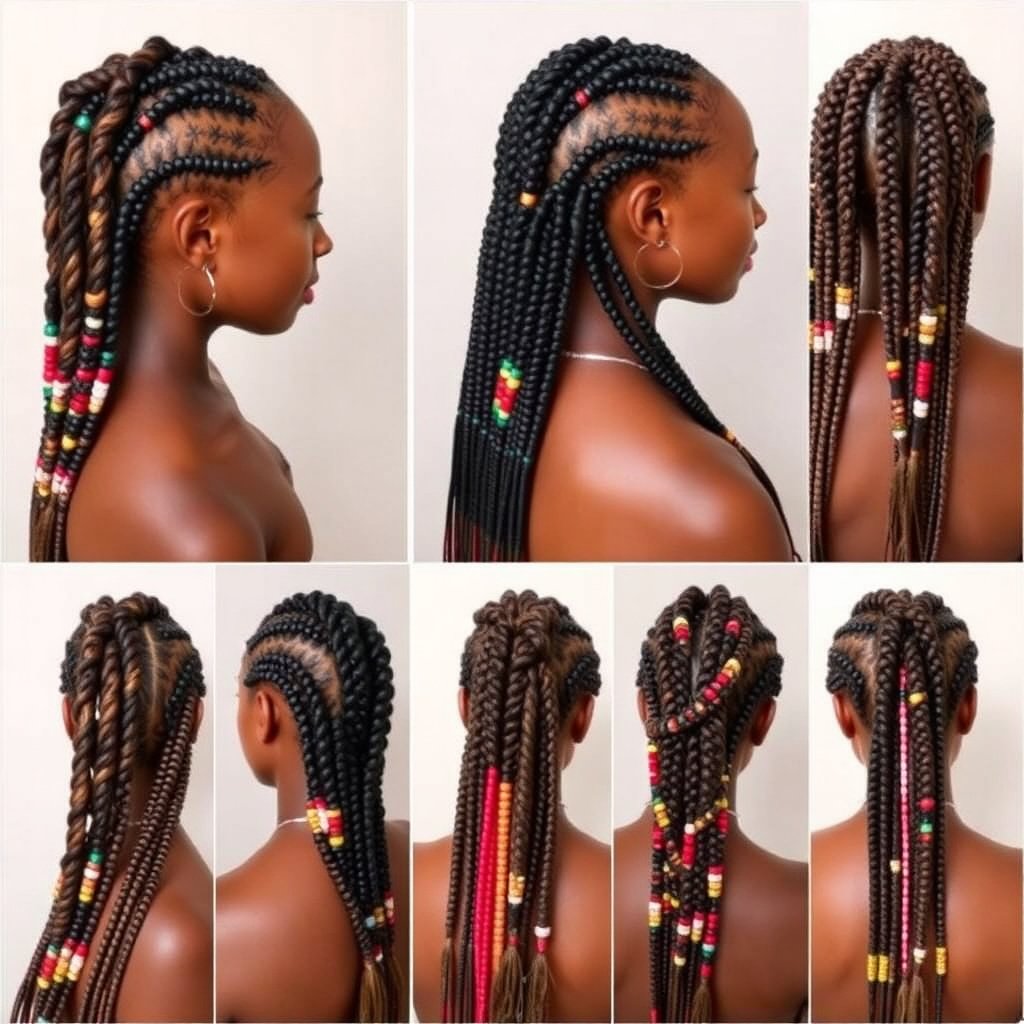
Many people add colored hair extensions to Fulani braids for a bold or feminine look. Using synthetic hair in vibrant shades or natural tones can enhance the style, creating volume or length while honoring tradition.
Mixing colors should be done with a balanced approach to maintain the authentic Fulani design while showcasing personal aesthetics.
- Add synthetic or natural colored extensions
- Maintain traditional braid patterns
- Balance colors to complement skin tone
For more on this, see our related guide: How Long Do Jumbo Braids Last? Essential Care Tips and Longevity Guide.
Creative Bead Patterns and Accessories
The choice of beads and accessories can reflect personal style or event themes. Options range from bright plastic beads to elegant wooden or metal hair cuffs. Arranging beads in meaningful patterns or clusters brings uniqueness to every hairstyle.
Combining beads with cowrie shells or charms also adds cultural symbolism, making each hairstyle a distinct expression.
- Select bead types based on occasion
- Experiment with bead patterns
- Combine with traditional cowrie shells
Common Challenges and Troubleshooting Fulani Braids

Dealing with Scalp Sensitivity and Pain
Tight braiding can sometimes cause scalp discomfort or sensitivity. To prevent this, avoid braiding too close to the roots and communicate with the braider about pressure. Applying soothing oils like tea tree or peppermint can reduce inflammation.
If pain persists, taking breaks between braiding sessions and allowing the scalp time to heal helps maintain scalp health.
- Avoid excessive tightness
- Use soothing scalp oils
- Limit continuous braiding duration
For further reading about Fulani culture and the origins of Fulani braids, visit the Fulani braids background on Wikipedia. Fulani braids background on Wikipedia.
Fixing Uneven or Loose Braids
Uneven sections or loose braids may detract from the polished look of Fulani braids. Using proper sectioning techniques and secure fastening products can improve uniformity. Rebraiding smaller areas is preferable to trying to adjust loose cornrows after completion.
Practicing the cornrowing technique or consulting a professional helps achieve the crisp traditional pattern effectively.
- Section hair carefully
- Secure braids firmly
- Practice or seek expert assistance
Fulani Braids Category Comparison
Here’s a comparison between different types of Fulani braid styles based on length, maintenance, and traditional styling.
| Braid Style | Length | Maintenance Level | Traditional Elements |
|---|---|---|---|
| Classic Fulani Braids | Medium to Long | Moderate | Cornrows + Beads + Cowrie Shells |
| Fulani Braids with Extensions | Long | Higher due to extensions | Cornrows + Colored Extensions + Beads |
| Minimalist Fulani Braids | Short to Medium | Low | Small Cornrows + Subtle Beads |
| Elaborate Fulani Braids | Long | High | Intricate Cornrows + Multiple Accessories |
| Fulani Braids with Side Part | Medium | Moderate | Asymmetrical Cornrows + Beads |
Frequently Asked Questions
How long does it take to do Fulani braids?
Completing Fulani braids usually takes between 3 to 6 hours depending on hair length, thickness, and the complexity of bead decoration.
Can I do Fulani braids on natural hair without extensions?
Yes, Fulani braids can be done on natural hair alone, especially if hair is medium length. Extensions are optional for added length or volume.
How often should I wash my hair with Fulani braids?
Washing the scalp gently every 1 to 2 weeks is ideal to keep hair clean without loosening the braids prematurely.
Are Fulani braids suitable for all hair types?
Although typically done on Afro-textured hair, Fulani braids can be adapted for various hair types but may require different braiding techniques.
How do I prevent hair breakage while wearing Fulani braids?
Moisturizing regularly, avoiding overly tight braids, and protecting hair at night help minimize breakage and scalp stress.
Key Takeaways
- Fulani braids combine cornrows and individual braids often adorned with beads or shells.
- Proper sectioning and preparation are crucial for neat and lasting braids.
- Moisturizing and gentle scalp care extend the lifespan of the braids.
- Variations allow personalization while respecting traditional styles.
Conclusion
Choosing to do Fulani braids involves understanding both the cultural importance and the technical skills required. This hairstyle is more than just an aesthetic choice; it carries a rich heritage that deserves respect and proper execution. Starting with clean, well-prepared hair and following structured sectioning helps in creating authentic and tidy cornrows that serve as the base for individual braids. The inclusion of beads and shells not only enhances the design but also connects it to its origins. Careful attention to braid tightness and scalp health ensures the style remains comfortable and protective.
For those new to this hairstyle, beginning with classic Fulani braids on medium-length natural hair presents a manageable option. If you want to experiment with added flair, incorporating colored extensions or more elaborate bead patterns offers creative opportunities without losing the essence of the style. Minimalist versions may suit casual or low-maintenance needs, while elaborate styles can be reserved for special occasions. Regular moisturizing and nighttime protection will keep the style vibrant, and consulting a professional stylist can help overcome common challenges such as uneven braids or scalp sensitivity.
Ultimately, success in doing Fulani braids lies in balancing tradition with personal expression. Take your time learning the techniques, gather the necessary tools, and be patient through practice sessions. Whether styling for cultural identity or fashion, each braid you create adds to a proud and beautiful lineage. Start by trying simple patterns and gradually incorporate more intricate designs and accessories. This hands-on approach not only builds skill but deepens appreciation for the heritage behind Fulani braids.