How to Stop Weave from Tangling: Practical Tips for Long-Lasting Hair Extensions
Stopping weave from tangling starts with proper washing, conditioning, and detangling techniques that keep your hair extensions smooth and free of knots. By regularly moisturizing and using the right tools, you can maintain a tangle-free weave that looks fresh and natural for weeks.
Tangled weaves not only look unkempt, but they also shorten the lifespan of your hair extensions, leading to excessive shedding and breakage. Taking good care of your weave ensures it stays soft, manageable, and retains its style longer, saving you time and money on replacements.
This article will cover key methods to prevent tangling in weaves, including washing routines, product recommendations, detangling strategies, and nighttime care. We'll also explore how to choose weaves less prone to tangling and compare popular weave types to help you make informed decisions.
Understanding Why Weaves Tangle

Hair Texture and Its Impact on Tangling
The natural texture of hair used in your weave heavily influences how prone it is to tangling. Curly or coarser textures have more cuticle layers that can catch on each other, creating knots. In contrast, straight textures tend to tangle less but may still develop friction-induced snarls.
Weaves made with Remy hair, which maintains aligned cuticles, generally resist tangling better than non-Remy hair. However, improper maintenance can still cause even the best quality weaves to tangle prematurely.
Environmental and Styling Factors
Exposure to wind, humidity, and friction from clothing or pillowcases can roughen the hair shaft surface, encouraging tangling. Excessive heat styling or using harsh products can strip moisture, weakening the hair and increasing snagging risks.
Improper washing techniques, such as vigorous scrubbing or skipping conditioners, can disrupt the hair's cuticle alignment, leading to matting and tangling over time.
Washing and Conditioning Techniques to Prevent Tangling
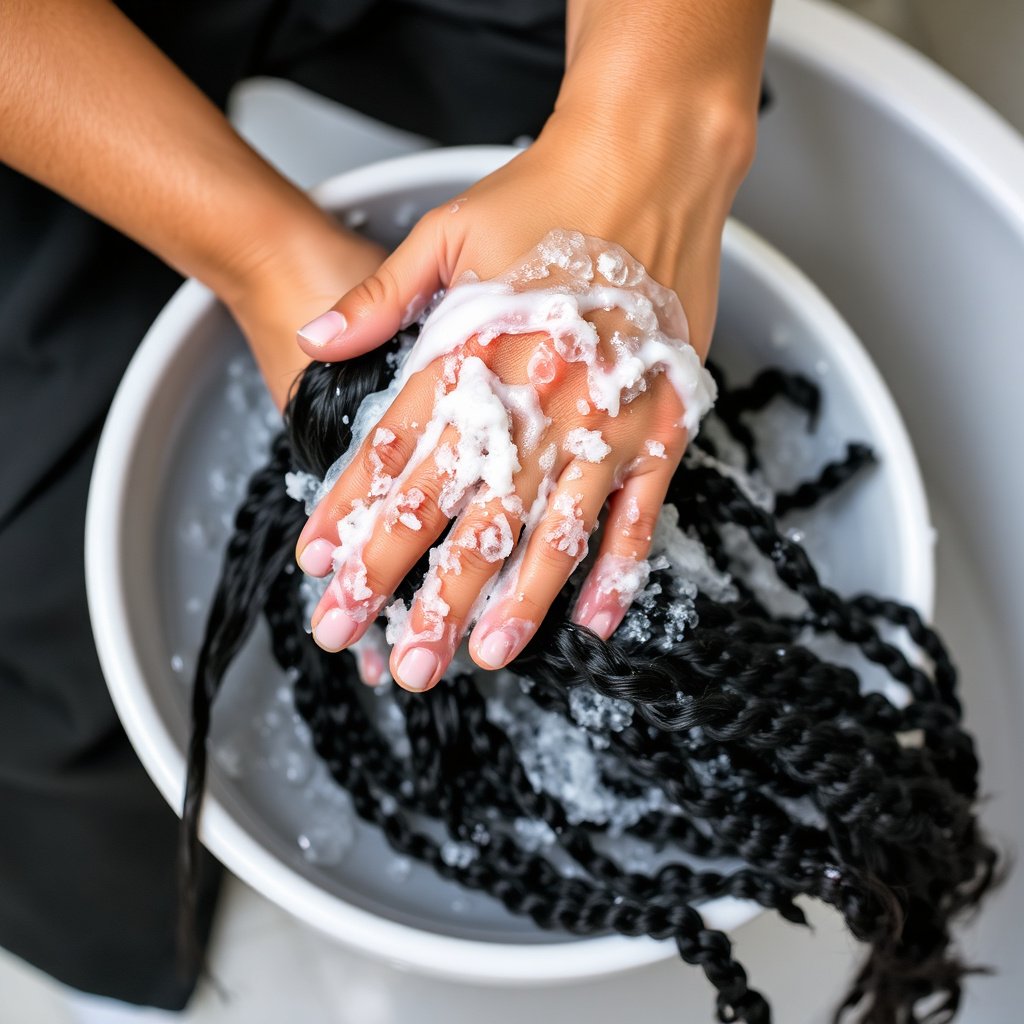
Choosing the Right Shampoo and Conditioner
Use sulfate-free shampoos and moisturizing conditioners formulated specifically for synthetic or human hair weaves. These products cleanse the hair without stripping natural oils, which helps maintain softness and reduces friction among strands.
Avoid heavy or oily products that can cause buildup, attracting dust and creating sticky patches prone to tangling.
- Sulfate-free shampoos
- Hydrating conditioners
- Avoid silicone-based heavy products
Proper Washing Method
Wet your weave with lukewarm water and gently apply shampoo in downward strokes without rubbing or twisting the hair. Rinse thoroughly and follow with conditioner focusing on lengths and ends, avoiding the roots to prevent loosening of the weave tracks.
After conditioning, detangle the hair carefully using a wide-tooth comb while the conditioner is still in to minimize breakage.
- Use lukewarm water
- Avoid scrubbing or rubbing hair
- Detangle during conditioning
Detangling and Styling for Tangle-Free Weave
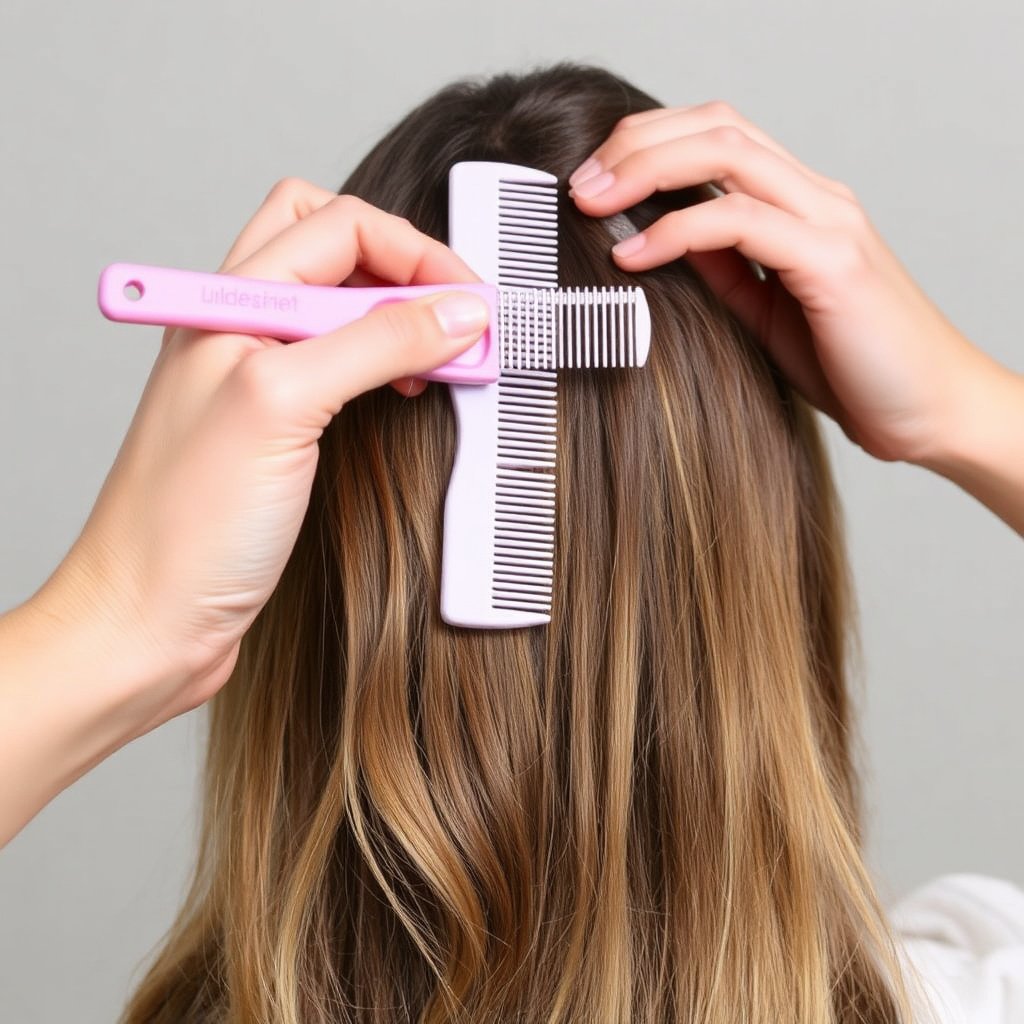
Best Detangling Tools and Techniques
Wide-tooth combs and detangling brushes with flexible bristles reduce pulling on the hair, minimizing breakage. Start detangling at the ends and gradually work upwards towards the roots with gentle motions, never rushing to avoid tearing the weave.
Applying a light leave-in conditioner or detangling spray before combing helps smooth the strands and reduce friction.
- Wide-tooth comb
- Detangling brush
- Leave-in conditioner
For more on this, see our related guide: Hair Net for Weave Guide: What to Know Before You Buy.
Styling Tips to Minimize Tangling
Keep your weave styled in loose braids or ponytails when sleeping or during physical activity to reduce movement and friction. Avoid excessive heat tools, as they can dry out the hair and make it more prone to tangling.
Using lightweight oils sparingly can add shine and slip to the hair, making strands less likely to catch and tangle.
- Tie hair loosely at night
- Avoid excessive heat styling
- Use light hair oils
Nighttime Care and Protection

Using Silk and Satin for Weave Protection
Sleeping on silk or satin pillowcases and wrapping your hair in satin bonnets minimizes friction against rough fabrics like cotton. This friction can cause hair strands to rub against each other, leading to tangles and breakage.
Satin and silk also help retain hair moisture, preventing dryness that exacerbates snarling issues.
- Satin pillowcases
- Silk hair wraps or bonnets
Nighttime Braiding or Twisting
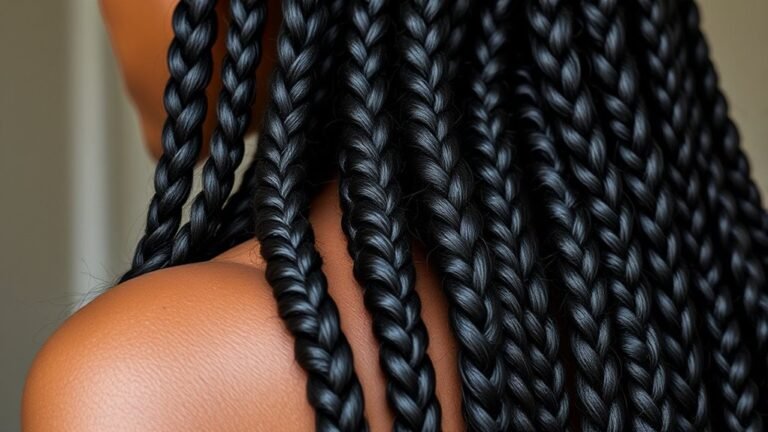
Gently braiding or loosely twisting the weave hair before bed keeps strands aligned and restricted, reducing movement that causes tangling. Avoid tight hairstyles that stress the hairline or weave tracks to protect your scalp and maintain neatness.
This simple nighttime routine can prolong the lifespan of your weave by keeping it tidy and smooth.
- Loose braids
- Twisting hairstyles
Selecting Weaves Less Prone to Tangling

Remy vs. Synthetic Hair
Remy hair retains the natural cuticle intact and aligned, resulting in a smoother texture that resists tangling better than synthetic hair, which often has rougher fibers and a shorter lifespan.
Synthetic hair can tangle more easily, especially if exposed to heat styling or chemicals, but it is a budget-friendly option for those prioritizing style over longevity.
For more on this, see our related guide: Your Guide to Sew in Weave Hair: Choosing With Confidence.
Virgin Hair and Processing Effects
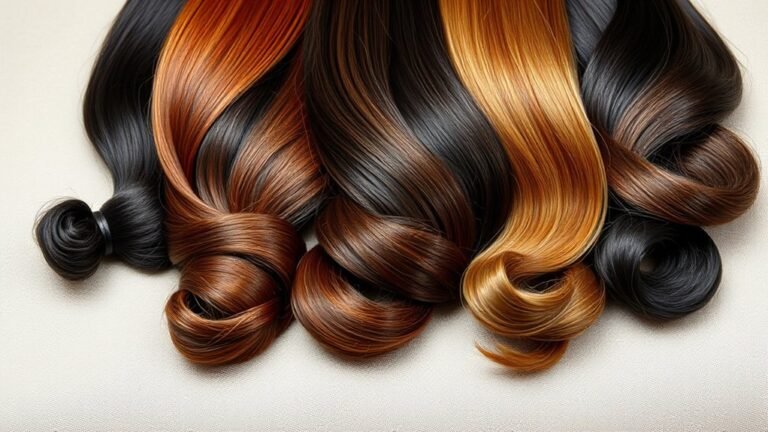
Virgin hair that has not been chemically treated tends to be softer and stronger, reducing tangling caused by damaged or rough cuticles. Processed or dyed hair weaves are more brittle and require more care to prevent snarls.
Choosing high-quality virgin or lightly processed weaves enables smoother strands that stay manageable longer.
Recommended Products for Weave Maintenance

Leave-In Conditioners and Detanglers
Opt for lightweight leave-in conditioners designed for extensions to add moisture and reduce friction. Detangling sprays help soften stubborn knots and make combing easier without breakage.
Look for alcohol-free formulas that won’t dry out the hair, ensuring your weave remains silky and manageable.
- Alcohol-free leave-ins
- Detangling sprays
- Lightweight moisturizing formulas
For more detailed information on maintaining healthy hair, see Hair care on Wikipedia. Hair care on Wikipedia.
Protective Styling Products
Using lightweight serums or oils can help smooth hair cuticles and add slip to reduce tangling. Avoid heavy greases that weigh hair down and cause buildup.
Heat protectant sprays shield weave hair from damage when using styling tools, preserving softness and reducing snarls.
- Lightweight hair oils
- Heat protectant sprays
Weave Types Compared for Tangling Resistance
The following table outlines common weave types and their characteristics related to tangling and maintenance.
| Weave Type | Tangling Resistance | Maintenance Level | Lifespan | Price Range |
|---|---|---|---|---|
| Remy Human Hair | High | Medium | 6-8 weeks | High |
| Virgin Human Hair | Highest | Medium-High | 8-12 weeks | Very High |
| Synthetic Hair | Low | High | 2-4 weeks | Low |
| Processed Human Hair | Medium | High | 4-6 weeks | Medium |
Frequently Asked Questions
How often should I wash my weave to prevent tangling?
Wash your weave every 7 to 14 days using gentle techniques and mild products, as over-washing can dry out hair and increase tangling, while infrequent washing can cause buildup that also leads to knots.
Can I use heat styling tools on my weave without causing tangling?
Using heat styling tools occasionally with a good heat protectant spray is fine, but excessive heat weakens hair fibers, which can lead to more tangling and damage over time.
Is it necessary to detangle my weave daily?
Daily gentle detangling with a wide-tooth comb or detangling brush helps prevent knots from forming, especially in curly or coarse textures that are naturally prone to tangling.
What nighttime methods best protect my weave from tangling?
Wrapping your hair with a satin or silk bonnet and sleeping on a satin pillowcase are effective ways to reduce friction and keep your weave tangle-free through the night.
Do all weave textures tangle at the same rate?
No, textures like virgin and Remy hair with intact cuticles tend to tangle less, while synthetic and heavily processed hair can tangle more quickly due to rougher strands.
Key Takeaways
- Proper washing and using sulfate-free products prevent build-up that causes tangling.
- Detangle carefully with wide-tooth combs and use leave-in conditioners for smoother strands.
- Protect your weave at night with satin or silk accessories to reduce friction tangles.
- Choosing high-quality virgin or Remy hair weaves minimizes tangling risks and extends wear time.
Conclusion
Stopping weave from tangling starts with understanding the factors that cause knots, including hair texture, environmental stressors, and improper care. By adopting careful washing, conditioning, and gentle detangling habits, you can maintain smooth, tangle-free hair extensions for longer periods. The main keyword reminds us that weave longevity depends heavily on daily maintenance choices paired with protecting the hair during sleep and physical activities.
If you use Remy or virgin hair weaves, which naturally resist tangling better, you still need to commit to regular moisturizing and detangling routines with well-chosen products. Synthetic weaves or processed human hair require more frequent care to avoid snarls. Nighttime protection like satin bonnets and pillowcases, along with loose braids, helps maintain weave manageability across all types. For best results, integrate lightweight detangling sprays and heat protectants into your styling regimen as part of the best products for weave maintenance approach.
In practical terms, start by assessing your current weave’s texture and product use, then experiment with these methods incrementally to see improvement. Consistency is key in preventing tangles that shorten weave lifespan. Whatever your weave type, applying these tips will keep your hair extensions looking fresh and tangle-free, helping you save effort and money while enjoying beautiful styles longer.