How to Stop Weave from Shedding: Practical Tips for Longer-Lasting Hair Extensions
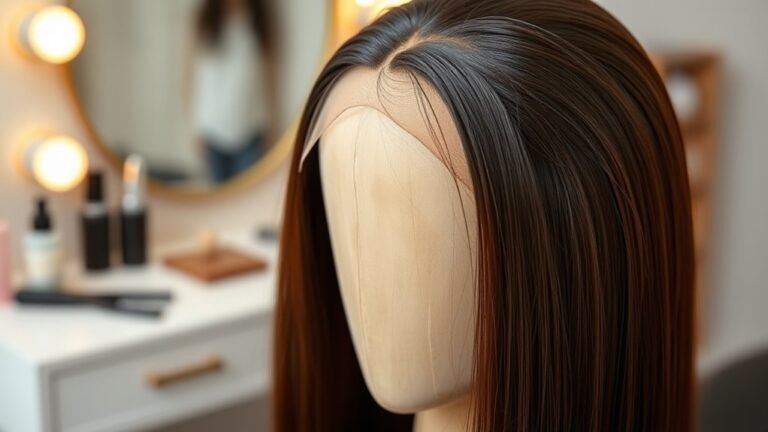
Shedding is the top concern for anyone with a weave, and the best way to stop weave from shedding is by proper installation and regular care routines. A weave typically sheds when the cuticles are disturbed or when maintenance is neglected, so using gentle handling, quality products, and protective styles can reduce shedding significantly.
Many people experience shedding because weaves undergo daily wear and tear and are exposed to washing and styling. If shedding isn't controlled, the weave can lose density and look unnatural, which affects both appearance and longevity. Understanding the causes of shedding helps to adopt preventative measures that extend the weave's life.
This article covers the main reasons weaves shed, how to select extensions that minimize shedding, practical daily maintenance tips, styling advice to protect your weave, and product recommendations. By following these strategies, readers can enjoy fuller, longer-lasting weave hairstyles.
Understanding Weave Shedding Causes
Haircuticle Damage and Shedding
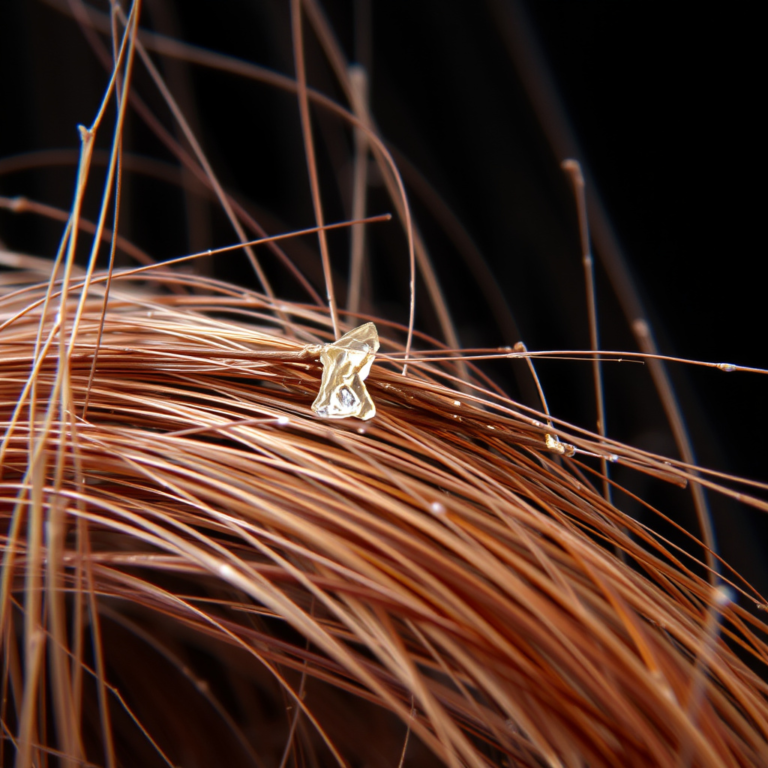
Shedding occurs primarily due to damage to the cuticle layer on hair extensions. The cuticle protects the hair shaft, and if it is roughened or stripped during processing or styling, strands will weaken and fall out easily.
Chemical treatments like bleaching or dyeing cause the cuticle to lift or break off, making hair more prone to shedding. Even tightly installing weaves adds tension stress that can disrupt cuticles if improperly handled.
Improper Installation and Maintenance
Incorrect sewing techniques or too-tight bonding can pull on hair roots excessively, leading to shedding. Also, skipping essential upkeep leads to tangles and matting that weaken hair strands over time.
Not washing the weave properly or using harsh shampoos contributes to buildup and damage, accelerating shedding. Daily friction during styling can also loosen hair fibers if the weave isn’t secured well.
Choosing the Best Hair Extensions for Longevity

Virgin vs. Processed Hair Extensions
Virgin hair extensions come from a single donor and have all cuticles intact and aligned, which reduces shedding drastically. Processed hair may have damaged cuticles from chemical treatments that remove protective layers, resulting in more shedding.
Although virgin hair tends to be pricier, its longevity and natural look make it a valuable investment for anyone aiming to stop weave from shedding efficiently.
- Virgin hair preserves natural cuticle alignment
- Processed hair often has cuticle damage
- Virgin hair lasts longer with proper care
Selecting Hair Texture and Weight
Choosing a hair texture closely matching your natural hair reduces friction that causes breakage and shedding. Thicker bundles usually shed less because stronger strands support each other, but extremely thick weaves might feel heavy and strain the scalp.
Lightweight but dense weaves made from remy hair balances natural appearance and durability while limiting shedding incidents.
- Match hair texture to your own
- Thicker bundles can support each other
- Remy hair has reduced tangling and shedding
Daily Maintenance Routines to Stop Weave from Shedding

Gentle Washing and Conditioning
To stop weave from shedding, washing should be done every one to two weeks with sulfate-free, moisturizing shampoos that don’t strip natural oils or the cuticle. Follow with a lightweight conditioner to hydrate without weighing hair down.
Avoid forceful rubbing or tugging when washing. Instead, gently massage the scalp and let shampoo run down the weave, minimizing friction that weakens hair bonds.
- Use sulfate-free shampoo
- Condition regularly with lightweight products
- Wash gently to avoid tangles
Proper Detangling Techniques
Detangle your weave starting from the ends working upward with a wide-tooth comb or detangling brush to stop weave from shedding. Excessive pulling during detangling damages strands and loosens hair from wefts.
Apply a leave-in conditioner or detangling spray before brushing to reduce friction. Be especially careful when hair is wet, as it’s more fragile and prone to breakage.
- Use wide-tooth combs or detangling brushes
- Start detangling from hair ends
- Apply leave-in conditioner to ease brushing
Protective Styling to Minimize Shedding
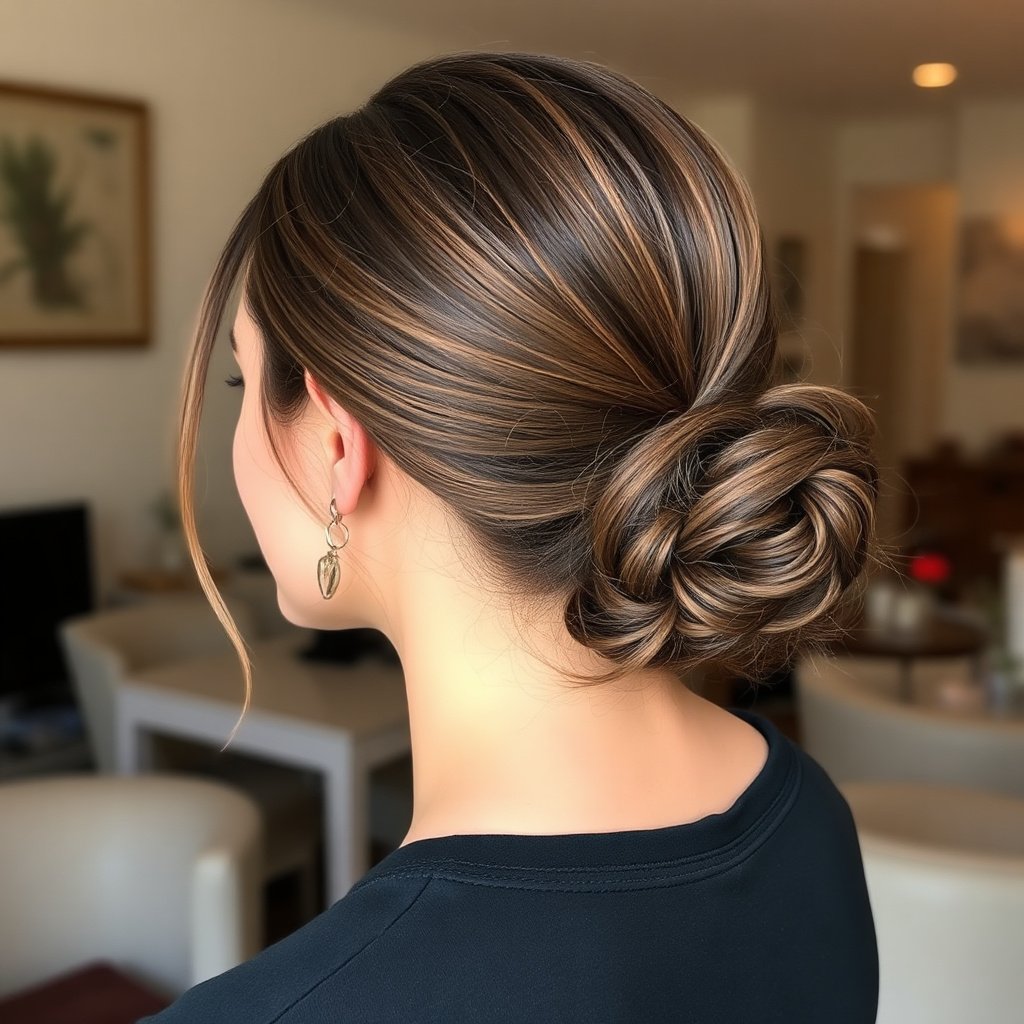
Avoiding Excessive Heat and Chemical Styling
Applying frequent heat through flat irons or curling irons weakens weave hair fibers, contributing to breakage and shedding. Similarly, harsh chemical treatments damage cuticles deeply.
Limiting heat styling sessions and using thermal protectant sprays can protect weaves. Opt for more natural or low-heat styles to extend the life of your weave.
- Minimize heat styling frequency
- Use heat protectants before styling
- Avoid chemical relaxers or dyes on weaves
Nighttime Care and Protective Coverings
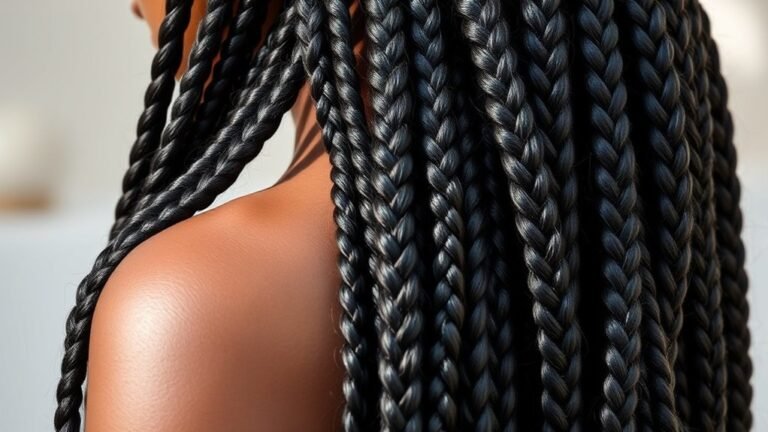
Sleeping with a silk or satin bonnet or pillowcase prevents tangling and friction that cause strands to loosen and shed. Braiding or twisting your weave gently at night can also keep it intact.
Avoid cotton pillowcases and loose hairstyles while sleeping, as these heighten friction and hair strand damage, accelerating shedding.
- Use silk or satin bonnet or pillowcase
- Braid or twist weave gently at night
- Avoid cotton fabric for overnight protection
Product Choices to Control Shedding

Best Shampoo and Conditioner Formulas
Choosing shampoos free of sulfates and parabens helps stop weave from shedding by preserving natural moisture and cuticle integrity. Moisturizing conditioners with natural oils provide softness, preventing tangles and resulting hair loss.
Products featuring argan oil, keratin, or shea butter defend hair fibers without weighing them down, ideally suited to maintain weave health between washings.
- Sulfate-free shampoos protect weave moisture
- Conditioners with natural oils soften hair
- Keratin treatments reduce brittleness
Lightweight Oils and Serums
Using lightweight oils like argan or jojoba helps seal hair strands, reducing frizz and breakage that lead to shedding. These oils mimic natural scalp oils, promoting a healthy appearance without buildup.
Avoid heavy, greasy oils that can loosen the weave bonds or attract dirt. Apply sparingly on ends and mid-lengths to enhance shine and manageability.
- Use argan or jojoba oils sparingly
- Avoid heavy petroleum-based oils
- Apply oils mainly on ends, not roots
Professional Tips for Weave Installation and Removal

Choosing an Experienced Stylist
A skilled stylist uses proper tension when sewing in the weave and matches weft installation to your scalp’s natural contours. This reduces excessive pulling that causes shedding.
Ask about their approach to installing weaves and how often they recommend maintenance visits to keep your hair healthy and minimize losing strands.
- Discuss installation technique beforehand
- Schedule regular professional maintenance
- Look for stylist with weave experience
For more detailed background on hair extensions and their care, refer to these hair extension care guidelines. Hair extension care guidelines.
Safe Removal Procedures
Removing weaves carefully using appropriate tools prevents unnecessary hair loss. Avoid pulling or ripping out the extensions, which disrupt hair follicles and cause shedding.
Let a professional handle removal or use the correct seam-rippers and unbraid gently to preserve your natural hair’s health.
- Use seam-rippers to remove weave
- Avoid pulling hair during removal
- Seek professional help when unsure
Comparison of Hair Extension Types and Their Shedding Tendencies
This table compares common types of hair extensions by their price, longevity, and how much they typically shed, helping you pick the best weave for minimal shedding.
| Type | Price Range | Average Longevity | Shedding Likelihood | Recommended Use |
|---|---|---|---|---|
| Virgin Remy Hair | $100-$300 per bundle | 6-12 months | Low | Long-term, natural look |
| Processed Hair | $50-$150 per bundle | 1-3 months | High | Short-term or budget options |
| Synthetic Hair | $20-$60 per pack | Less than 1 month | Very High | Temporary use, costumes |
| Clip-in Extensions | $100-$500 | Up to 1 year | Moderate | Non-permanent, easy removal |
| Tape-in Extensions | $150-$400 | 6-8 weeks | Moderate | Semi-permanent, quick install |
Frequently Asked Questions
Can washing my weave too often cause shedding?
Yes. Washing a weave too frequently with harsh shampoos can strip natural oils and weaken cuticles, leading to more shedding. Limit washing to every 1-2 weeks with gentle, sulfate-free products.
Does wearing my weave at night without protection increase shedding?
Sleeping without protective coverings like a satin bonnet can cause tangling and friction damage, increasing shedding. Using silk or satin coverings reduces this risk significantly.
Are some hair weaves less prone to shedding than others?
Yes. Virgin Remy hair weaves usually shed less than processed or synthetic hair because the cuticles are intact and properly aligned, preserving hair fiber strength.
How can I repair a shedding weave?
Minor shedding can be controlled by regular moisturizing, gentle detangling, and avoiding heat damage. For severe shedding, getting a professional assessment is recommended to replace or adjust the weave.
Is it normal for weaves to shed a little?
Some minimal shedding is normal since hair extensions mimic real hair textures and strands may loosen over time. The goal is to minimize excessive shedding through proper care.
Key Takeaways
- Proper installation and gentle maintenance reduce weave shedding
- Virgin Remy hair weaves shed less than processed or synthetic types
- Using sulfate-free shampoos and satin covers protects hair fibers
- Nighttime protective styling and minimal heat extend weave life
Conclusion
Stopping weave from shedding requires a thoughtful approach combining high-quality hair selection with disciplined care routines. Understanding that cuticle alignment and gentle handling greatly influence shedding helps shape decisions about the kind of extensions and maintenance you choose. Adoption of mild shampoos, careful detangling methods, and protective nighttime styles contribute substantially to preserving the integrity of your weave. These practices together provide a foundation for keeping your hair full and vibrant longer.
For those seeking the best solution to minimize shedding, investing in virgin Remy hair bundles is an effective starting point, paired with regular professional installation and removal by a skilled stylist. In less intensive but temporary scenarios, clip-ins or tape-ins offer moderate shedding control when maintained properly. Daily care involving sulfate-free cleansing, application of lightweight oils like argan oil, and employing silk bonnets during sleep are practical steps that support these selections, ensuring your weave stands up to everyday wear.
Ultimately, taking action early to protect your weave from shedding will save you from premature replacement and frustration. Begin by selecting high-grade hair extensions matched to your natural texture and follow with maintenance routines designed for longevity. Consult professional stylists when possible to tailor an approach specific to your hair needs. With attentive care and informed choices, you can enjoy fuller, longer-lasting weaves that enhance your style confidently.