Your Guide to Fulani Braids: Choosing With Confidence
Choosing the perfect Fulani braids can feel overwhelming, especially when you want a style that truly complements your look and lasts. You’re not alone—many people struggle with finding the right braid length, texture, and accessories that bring out their best features while honoring this beautiful tradition.
You can confidently choose Fulani braids by considering your face shape, hair texture, and length to find styles that suit you best. Whether you have a round, oval, or square face, specific braid lengths and colors will improve your look.
Use essential tools and moisturizing products to keep your braids neat and lasting. Accessorizing with beads adds personality, while proper maintenance guarantees health and style longevity.
Investigate more to uncover the rich cultural significance and styling tips tied to Fulani braids.
Key Takeaways
- Understand Fulani braids’ cultural significance and patterns to appreciate their heritage and meaning before choosing a style. This helps you connect with the tradition behind the look.
- Match braid styles to your face shape and hair texture for the most flattering and manageable look. Picking the right style makes all the difference.
- Use essential tools and moisturizing products like leave-in conditioners and natural oils to maintain neat, long-lasting braids. Keeping your hair healthy is key.
- Customize braids with beads and accessories that complement your personal style and enhance intricate designs. It’s a fun way to make your braids truly yours.
- Consider DIY versus professional braiding based on skill level, budget, and desired complexity for optimal results. That way, you get the style you want without surprises.
What Makes Fulani Braids Special
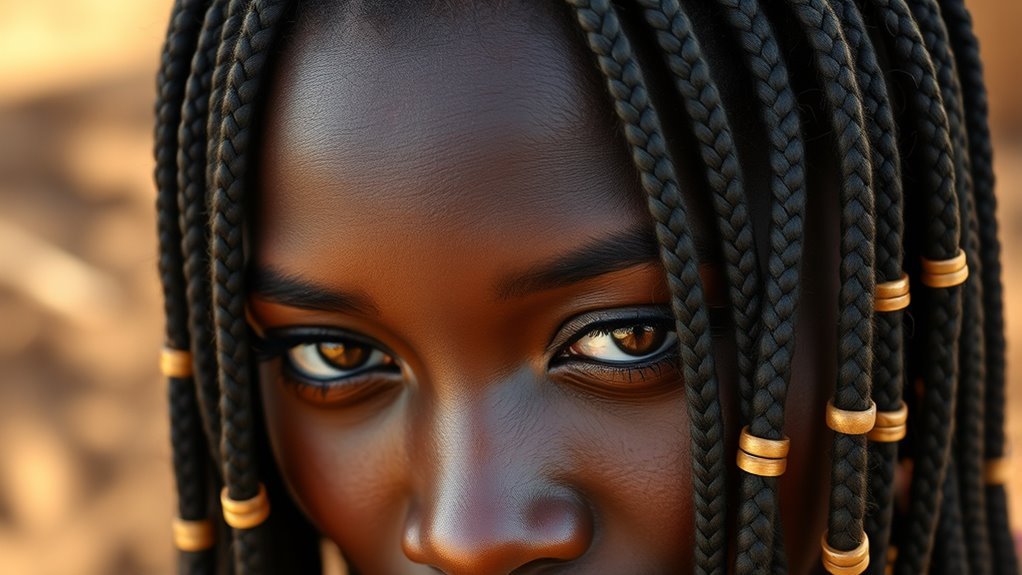
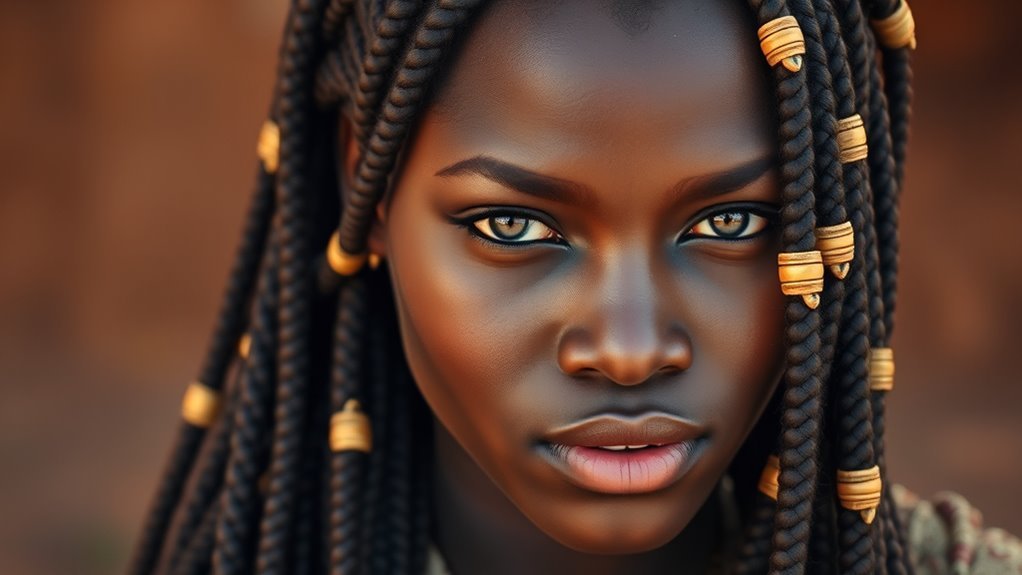
Although many braiding styles exist, Fulani braids stand out because of their unique cultural significance and intricate design. When you wear Fulani braids, you’re not just embracing a hairstyle; you’re connecting with historical roots that trace back to the Fulani people of West Africa. These braids often feature distinct patterns and are accessorized with beads or cowrie shells, symbolizing tradition and identity.
You’ll appreciate how this style serves as a cultural expression, reflecting social status, age, and heritage. The detailed technique demands patience and skill, making the braids both a statement and a form of art. Understanding this background helps you respect the rich history behind Fulani braids, beyond their aesthetic appeal. So, when you choose this style, you’re celebrating more than just beauty. You’re honoring a legacy that spans centuries.
How to Choose Fulani Braids for Your Face Shape
To pick the best Fulani braids for you, start by figuring out your face shape. Is it round, oval, square, or heart-shaped? Once you know that, you can choose braids that really highlight your features. That way, your style will look balanced and flattering every time.
Identifying Your Face Shape
Choosing the right Fulani braids starts with understanding your face shape. Begin with a simple face shape analysis: look in the mirror and observe your jawline, forehead, and cheekbones.
Determining proportions is key. Measure the length and width of your face to see which features stand out. Is your face longer than it is wide? Do you have a rounded chin or a sharp jawline?
Recognizing whether your face is oval, round, square, heart, or diamond-shaped helps you make informed decisions. This foundation guides you in selecting braids that complement your natural structure, ensuring your style improves your features.
Taking time for this step makes all the difference when choosing Fulani braids that truly suit you.
Braids That Flatter
Three key Fulani braid styles can accentuate your natural face shape by highlighting your best features. When choosing, consider how braid lengths and color combinations improve your look.
For oval faces, longer braids with subtle color blends add balance. Round faces benefit from high braids that elongate, paired with darker tones to slim the face. Square faces look stunning with soft, medium-length braids and warm color contrasts to soften angles.
| Face Shape | Recommended Braid Length | Ideal Color Combinations |
|---|---|---|
| Oval | Long | Natural shades with highlights |
| Round | High, elongated | Darker hues for slimming |
| Square | Medium, soft | Warm tones for softness |
Pick styles that complement your face shape, braid lengths, and colors for your best Fulani braid look.
Picking Fulani Braids Based on Hair Texture and Length
Although Fulani braids suit many hair types, your hair’s texture and length play an essential role in determining the best style for you. Understanding texture variations helps you choose a braid pattern that holds well and looks polished.
For example, tighter curls might require smaller, more defined braids to prevent frizz, while looser textures can handle larger, chunkier braids for a bold statement.
Length considerations also influence your options. If your hair is short, you might opt for Fulani braids that focus on the crown or incorporate beads and accessories to elevate the style without needing long strands.
Longer hair gives you the freedom to experiment with intricate designs and fuller braids that cascade beautifully. By aligning your braid choice with your hair’s texture and length, you guarantee a comfortable, manageable style that highlights your natural beauty and stays looking fresh longer.
Essential Tools and Products for Fulani Braids
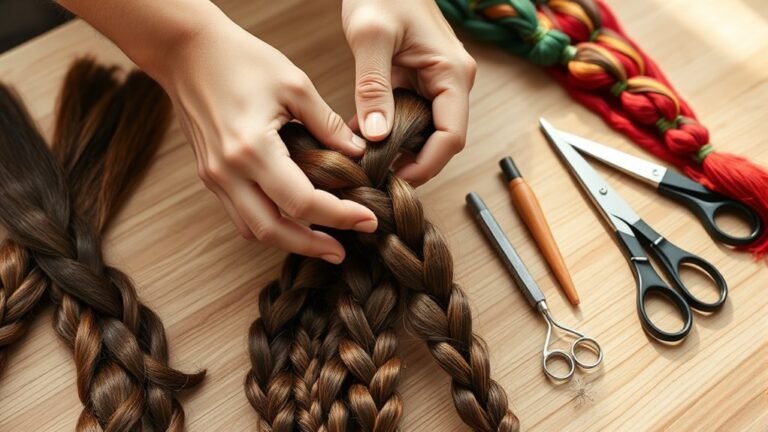
Once you know which Fulani braid style suits your hair texture and length, gathering the right tools and products will help you achieve a neat, lasting look. Start with the recommended tools: a rat-tail comb for clean parting, hair clips to section your hair, and a sturdy brush to detangle without causing breakage. These tools make the braiding process smoother and more precise.
Next, focus on essential products that keep your hair healthy and your style intact. Use a moisturizing leave-in conditioner to soften your hair, making it easier to braid. Apply a lightweight edge control gel to smooth your hairline and prevent flyaways.
For added shine and scalp care, choose a natural oil like coconut or jojoba. These essential products not only improve your Fulani braids’ appearance but also protect your hair throughout the styling process. Having these tools and products ready puts you on the path to flawless Fulani braids.
Step-by-Step Guide to Creating Basic Fulani Braids
Begin by parting your hair down the center using a rat-tail comb, creating two equal sections. This initial step honors the braid history rooted in Fulani culture, where symmetry symbolizes balance and unity.
Next, take a small section near your hairline on one side and start braiding tightly, moving backward along the scalp. Incorporate additional hair gradually, creating a clean cornrow. Repeat this on the other side.
Once you finish the two main braids, create smaller braids along the edges, which represent the intricate patterns significant to Fulani heritage. These braids often highlight social status and identity, reflecting their cultural significance.
Secure each braid with small elastics to keep them neat. Finally, smooth your scalp with a light oil or gel to maintain shine and hold.
Customizing Your Fulani Braids With Beads and Accessories
You can make your Fulani braids stand out by adding popular beads like cowrie shells or colorful wooden pieces. It’s all about those little touches that bring your style to life. And knowing exactly where to place your accessories—whether at the ends of the braids or woven along the strands—can really take your look up a notch. So, let’s dive into some easy tips to customize your style with the right bead choices and perfect accessory placement.
Popular Bead Styles
Although Fulani braids are stunning on their own, adding beads and accessories lets you express your personal style and cultural pride. When choosing popular bead styles, consider bead colors that complement your outfit or skin tone.
Mixing bead sizes adds depth and visual interest, while bead materials like wood, glass, or metal offer different textures and vibes. You can create unique bead patterns by alternating colors or sizes, making your braids truly one-of-a-kind.
Thoughtful bead placements along the braids emphasize their intricate design without overwhelming them. Whether you prefer traditional wooden beads or vibrant plastic ones, selecting the right bead styles guarantees your Fulani braids stand out beautifully.
Accept these options to customize your look with confidence and flair.
Accessory Placement Tips
Choosing the right beads is just part of customizing your Fulani braids; where you place them can dramatically enhance the overall look. Start by selecting accessory types that complement your style. Wooden beads add earthiness, while metallic ones bring shine.
Use placement techniques like clustering beads at braid ends or spacing them evenly along the length to create rhythm and balance. You can also accentuate the center braid with a bold accessory to draw attention.
Remember, less is often more. Placing too many accessories can overwhelm your braids. Experiment with asymmetric placement for a modern twist or traditional patterns for authenticity.
Troubleshooting Common Fulani Braid Challenges
When Fulani braids don’t turn out as expected, it’s often due to common issues like uneven sections, tightness causing discomfort, or braids unraveling too soon. To fix uneven braids, make certain you section your hair carefully before braiding.
If your braid tension is too tight, it can harm your scalp and slow hair growth, so loosen up to protect your scalp and enjoy the protective benefits of the style. Proper scalp care is essential; keep it moisturized to avoid irritation.
Exploring different styling options can also help you find a comfortable fit that honors the cultural significance of Fulani braids. Although a solid maintenance routine supports braid longevity, addressing these challenges upfront guarantees your braids look great and last longer.
How to Maintain Your Fulani Braids for Long-Lasting Style
To keep your Fulani braids looking fresh and vibrant, you’ll need to follow a consistent maintenance routine that focuses on cleansing, moisturizing, and protecting your hair and scalp. Start with gentle washing techniques to cleanse your scalp without disrupting the braids. Use a diluted shampoo and rinse thoroughly to avoid buildup.
Incorporate a hydration routine by applying lightweight oils or leave-in conditioners to keep your scalp nourished and prevent dryness. Avoiding breakage is key. Don’t pull or manipulate your braids too much, and be gentle when retwisting to maintain neatness.
Protective styling plays an essential role. Cover your braids with a satin scarf or bonnet at night for effective nighttime protection. This helps reduce friction and preserves moisture. By prioritizing scalp care and following these braid maintenance steps, you’ll enjoy long-lasting Fulani braids that stay beautiful and healthy from start to finish.
Popular Fulani Braid Styles for Inspiration
You’ll find plenty of inspiration in traditional Fulani braid designs that feature intricate patterns and unique accessories. They really stand out with their detailed craftsmanship. At the same time, modern interpretations bring fresh twists that keep the style trendy and versatile. So, whether you love classic looks or something more contemporary, there’s something for everyone. Let’s check out some popular Fulani braid styles you can try for your next look.
Traditional Fulani Braid Designs
Although Fulani braids vary widely, their traditional designs remain a timeless source of inspiration for anyone looking to adopt this iconic style. You’ll notice that these braids carry deep historical significance, reflecting the rich heritage of the Fulani people.
Each pattern tells a story, often indicating social status, age, or tribal affiliation. When choosing your design, consider the cultural variations seen across different Fulani communities. Some favor thin, intricate braids adorned with beads and cowrie shells, while others opt for bold, symmetrical patterns framing the face.
Modern Interpretations and Trends
While traditional Fulani braids carry rich cultural significance, modern styles bring fresh creativity and personal expression to this timeless look. You’ll find that modern interpretations blend classic patterns with contemporary twists, like adding beads, metallic cuffs, or vibrant colors. These elements reflect ongoing cultural influences and allow you to showcase your individuality.
Popular trends include combining thin, intricate braids with thicker ones and incorporating asymmetrical designs that stand out. Whether you prefer a subtle update or a bold statement, modern Fulani braids let you honor tradition while embracing today’s fashion.
Experimenting with these styles gives you endless inspiration, helping you choose a look that feels both authentic and current.
When to DIY and When to See a Professional for Fulani Braids
Deciding whether to DIY or visit a professional for Fulani braids depends on your skill level, time, and the look you want to achieve. If you’re comfortable with DIY techniques and have some experience braiding, doing it yourself can save money and offer creative control.
Choosing DIY or professional Fulani braids depends on your skill, time, and desired style outcome.
However, consider your skill level carefully. Complex styles might require professional expertise to avoid uneven braids or damage.
Time commitment plays a big role, too. DIY might take longer, especially if you’re new, while professionals can work efficiently. Cost considerations are important; professionals may charge more, but their skills often guarantee better hair health and a polished finish.
Also, think about your style preferences and maintenance needs. If you want intricate designs or a long-lasting style, a pro’s touch might be worth it.
Ultimately, balance your budget, schedule, and hair health to decide the best route for your Fulani braids.
Frequently Asked Questions
What Is the Cultural Significance of Fulani Braids?
You’ll find that Fulani braids hold deep cultural significance, rooted in their historical origins within the Fulani people of West Africa. These braids aren’t just a style; they symbolize identity, social status, and heritage.
As you investigate, you’ll notice regional variations that reflect different communities’ unique customs and traditions, making each braid pattern meaningful. Wearing Fulani braids connects you to a rich history and celebrates cultural pride in a beautiful, expressive way.
Can Fulani Braids Help Protect Natural Hair From Damage?
You want to protect your hair, preserve your hair health, and prevent breakage, right? Fulani braids can help you do just that. These styling techniques minimize daily manipulation and shield your strands from environmental damage.
How Long Do Fulani Braids Typically Last With Proper Care?
Fulani braids typically last anywhere from 4 to 8 weeks with proper care. To keep them looking fresh, you’ll want to follow maintenance tips like regularly moisturizing your scalp, wrapping your hair at night, and avoiding heavy products that cause buildup.
Don’t hesitate to investigate different styling options to reduce tension on your edges. With consistent care, you’ll enjoy your braids longer, keeping your natural hair protected and stylish.
Are Fulani Braids Suitable for All Age Groups?
Yes, Fulani braids are suitable for all age groups. In fact, studies show that over 60% of people across various ages adopt protective styles like Fulani braids.
You’ll find age appropriateness in the styling variations, from intricate, bold patterns for younger individuals to simpler, elegant looks for older adults. This flexibility lets you express your personality while keeping your hair healthy, no matter your age.
What Are the Best Seasonal Tips for Wearing Fulani Braids?
For summer care, you’ll want to keep your scalp moisturized and wear a satin scarf at night to prevent dryness. Lightweight oils help reduce sweat buildup, keeping your Fulani braids fresh.
In winter, focus on styles that protect your hair from cold, like wrapping your braids with a silk bonnet or wearing a hat lined with satin. These steps keep your braids healthy and stylish no matter the season.
Conclusion
Remember, “practice makes perfect” when it comes to choosing and styling your Fulani braids. Whether you’re rocking them yourself or visiting a pro, understanding your face shape, hair texture, and maintenance needs will help you wear these braids with confidence.
Don’t rush the process. Take your time to find what suits you best. With the right tools and care, your Fulani braids will not only look stunning but also last beautifully. Embracing these tips will ensure you choose your Fulani braids with confidence every time.