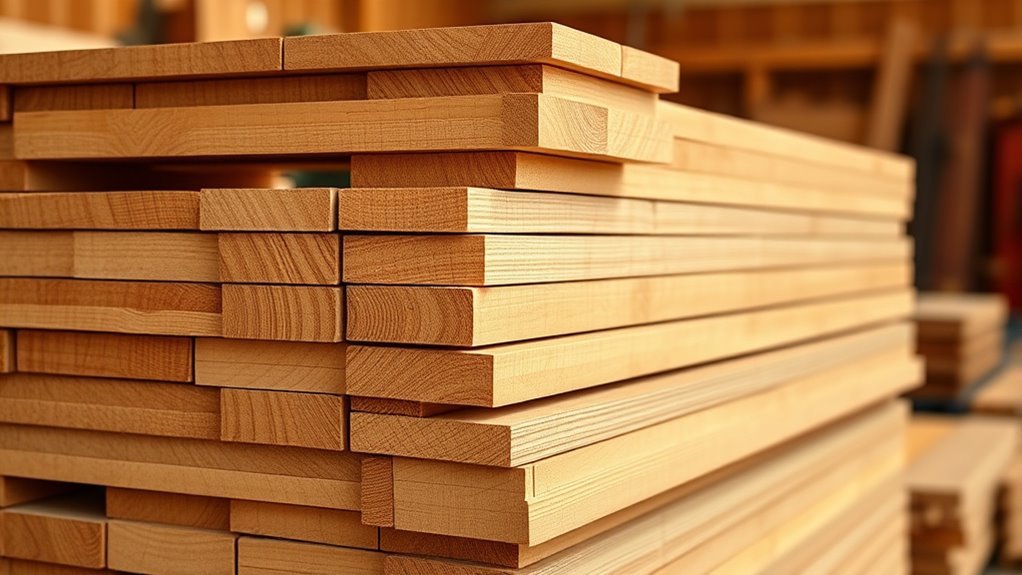
2X6 Closure: A Complete Buying Guide
Finding the right 2×6 closure can feel overwhelming, especially when you want something that lasts and performs well. You’re not alone—many people struggle with choosing the best materials and figuring out how to install these closures correctly. But don’t worry, we’ve got you covered with everything you need to know.
A 2×6 closure is essential for protecting your fiber splices and ensuring durability across roofing, siding, and flooring applications. When choosing, consider materials like plastic, metal, or composite based on your needs for strength and weather resistance.
Decide between pressure-treated or untreated wood for longevity versus natural appeal. Measure precisely, plan your installation carefully, and maintain regularly to avoid costly repairs.
Keep exploring to uncover tips on sizing, installation, and budgeting that will help you get the best value.
Key Takeaways
- Choose 2×6 closures based on material type: plastic, metal, or composite. Consider durability, cost, and environmental impact when making your choice.
- Measure accurately using tape or laser tools. Also, check the manufacturer’s size charts to ensure a proper 2×6 closure fit.
- Install closures with safety gear and the right tools. Follow manufacturer guidelines, and expect the process to take about 1-2 hours.
- Maintain closures regularly by cleaning, inspecting, applying sealant, and making prompt repairs. This keeps them lasting longer and performing well.
- Budget for quality materials, installation, and maintenance. Research suppliers to find competitive pricing and possible bulk discounts.
Understanding 2×6 Closures and Why You Need One
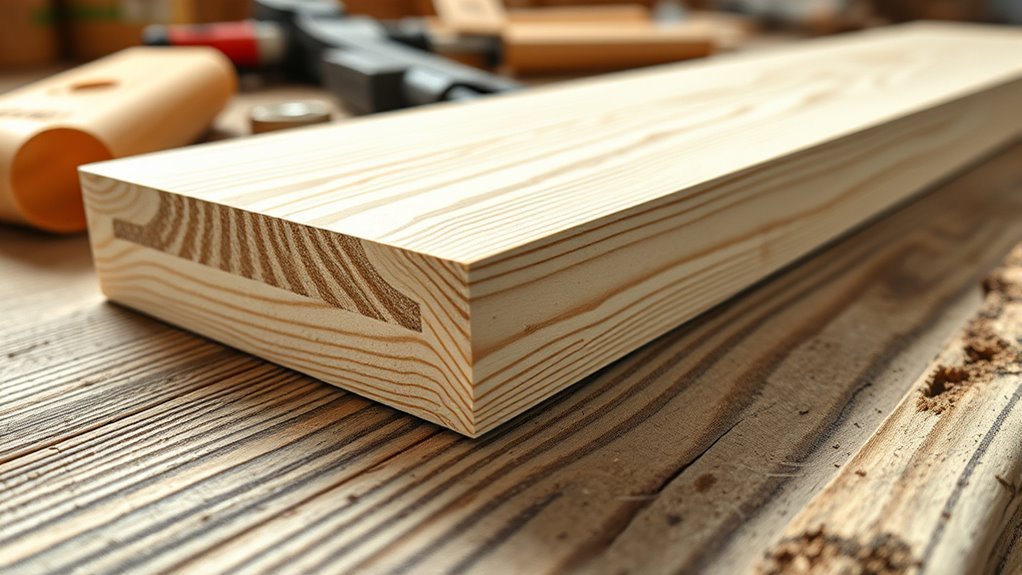
If you’re working with fiber optic cables, understanding 2×6 closures is essential. These closures offer critical protection to fiber splices, ensuring network reliability and durability. Their design focuses on weather resistance, ease of access, and compactness, which improve both aesthetic appeal and functionality.
2×6 closures safeguard fiber splices with weather resistance, compact design, and easy access for lasting network reliability.
You’ll find installation tips that highlight proper sealing and cable management to minimize damage risks. Maintenance advice stresses regular inspections to uphold safety standards and prevent signal loss.
Common misconceptions include thinking all closures are the same. However, product comparisons reveal differences in material quality and sealing mechanisms. Market trends show a shift toward closures with improved durability and user-friendly features.
Use cases range from underground to aerial deployments, making 2×6 closures versatile. By grasping these closure benefits and staying updated on safety standards, you’ll make informed decisions that elevate your fiber optic network’s performance and longevity.
Types of Materials Used in 2×6 Closures
Three main types of materials are commonly used in 2×6 closures to guarantee durability and protection for your fiber optic cables. Understanding these material types helps you make informed choices based on closure benefits, environmental considerations, and cost comparisons.
You’ll find closures made from plastic, metal, and composite materials, each with unique durability insights and design aesthetics. Keep sizing guidelines in mind to assure a perfect fit. Also, product sourcing varies by material, affecting installation tips and maintenance strategies.
| Material Type | Durability Insights | Cost & Environmental Considerations |
|---|---|---|
| Plastic | Lightweight, corrosion-resistant | Affordable, eco-friendly options available |
| Metal | Highly durable, impact-resistant | Higher cost, recyclable but prone to rust without treatment |
| Composite | Balanced strength & flexibility | Mid-range cost, often sustainable and weather-resistant |
Choose wisely to optimize your 2×6 closure’s lifespan and performance.
Pressure-Treated vs. Untreated 2×6 Closures: Benefits and Drawbacks
You’ll want to think about the durability of pressure-treated 2×6 closures compared to the natural look of untreated wood. Plus, cost differences might play a role in your decision. And don’t forget to consider how each option impacts the environment. Let’s take a closer look at these factors to help you choose what works best for your project.
Durability Comparison
Many homeowners choose pressure-treated 2×6 closures because they offer improved resistance to moisture, insects, and decay compared to untreated wood. Durability testing consistently shows pressure-treated wood scores higher in weather resistance and material longevity, handling environmental stressors better.
You’ll find its impact resistance and load capacity superior, making it ideal for demanding applications. Untreated wood, while natural and eco-friendly, tends to wear faster under similar conditions, requiring more frequent maintenance.
Performance ratings favor pressure-treated closures due to their extended lifespan, as confirmed by lifespan analysis. However, you should still follow maintenance tips to maximize durability.
Ultimately, evaluating wear factors and your specific environment helps you decide which 2×6 closure suits your project best, balancing durability needs with upkeep preferences.
Cost Differences
While pressure-treated 2×6 closures generally cost more upfront than untreated wood, they often save you money over time by reducing maintenance and replacement expenses. When comparing price variations, consider both material expenses and installation costs, as treated wood might need specialized tools or handling.
Budget considerations should include ongoing maintenance fees. Untreated wood typically demands more frequent upkeep. Regional pricing can affect costs, so do supplier comparisons to find the best deals and discount options.
Quality differences also play a role. Pressure-treated closures resist rot and pests, making them better long-term investments despite higher initial outlays. By weighing these factors carefully, you can choose the option that fits your budget while ensuring durability and value for your project.
Environmental Impact
Because pressure-treated and untreated 2×6 closures have different manufacturing and maintenance processes, their environmental impacts vary considerably. When choosing between them, you’ll want to take into account factors like carbon footprint, sourcing ethics, and waste reduction. Pressure-treated wood often uses eco-friendly treatments to resist decay but may have limited recycling options. Untreated wood, especially if sourced as sustainable materials, offers biodegradable alternatives and easier lifecycle assessment.
Here’s what to keep in mind:
- Pressure-treated closures can have higher carbon footprints due to chemical treatments and energy use.
- Untreated closures rely on natural durability but may require more frequent replacement, affecting waste reduction.
- Both types benefit from responsible sourcing ethics to promote forest sustainability.
Understanding these trade-offs helps you make a greener choice for your project.
Types of 2×6 Closures for Roofing, Siding & Flooring
When you’re picking out 2×6 closures, you’ll notice there are different types made just for roofing, siding, and flooring. Each one is designed to meet the specific needs of that area.
For example, roofing closures are built to handle weather and keep things sealed tight. Siding closures, on the other hand, focus more on protecting the walls and providing a clean finish. Then, flooring closures are designed to support weight and fit seamlessly with the floorboards.
Knowing these differences makes it easier to choose the right closure for your project. That way, you get the best fit and function, no matter what you’re working on.
Common Roofing Closure Types
Although 2×6 closures come in various forms, you’ll find that each type serves a specific function in roofing, siding, and flooring projects. Understanding closure benefits, installation tips, and material selection is key to making the right choice.
You’ll want to evaluate design considerations and climate effects to guarantee durability and performance. Maintenance practices and aesthetic options also play a role in your decision, alongside performance ratings and potential compatibility issues. Proper project planning helps you avoid costly mistakes.
Common roofing closure types include:
- Foam closures: Offer excellent sealing and insulation, easy to install
- Metal closures: Durable with high performance ratings, ideal for harsh climates
- Vinyl closures: Provide aesthetic flexibility and resist moisture well
Choose closures that fit your project’s needs and local climate for best results.
Siding Closure Materials
You’ll find several siding closure materials designed to improve the durability and appearance of your 2×6 projects. Popular siding materials include vinyl, aluminum, and foam closures, each offering unique benefits like increased weather resistance and improved insulation properties.
When choosing, consider design options and color choices that complement your exterior aesthetic appeal. Proper installation techniques guarantee these closures seal gaps effectively, preventing moisture and pests from entering.
Maintenance tips involve regular cleaning and inspecting for damage to maintain durability over time. By selecting the right siding closure materials, you not only boost your project’s longevity but also improve energy efficiency and curb appeal.
Prioritizing these aspects will make your siding both functional and visually attractive.
Flooring Closure Options
Several effective flooring closure options can boost your 2×6 projects by providing stability, insulation, and protection against moisture and pests. Choosing the right closure improves flooring durability, safety, and aesthetics, aligning with current flooring trends and styles. Whether you’re working with hardwood, laminate, or engineered flooring materials, closures play a key role in flooring installation and maintenance.
Consider these popular flooring closure types:
- Foam Tape Closures: Offer excellent insulation and moisture barriers for varied flooring types.
- Metal Closures: Provide strength and durability, ideal for high-traffic flooring textures.
- Vinyl or Rubber Seals: Improve flooring safety by preventing slips and adapting to diverse flooring aesthetics.
Selecting the right closure guarantees your flooring performs well and looks great for years.
How to Measure and Choose the Right Size 2×6 Closure
Measuring and choosing the right size 2×6 closure starts with understanding the exact dimensions of your project area. Use reliable measurement tools like tape measures or laser distance meters to guarantee size accuracy.
Start by noting the length and width where the closure will fit, and double-check your numbers to avoid common pitfalls like overlooking uneven surfaces or misreading measurements. Refer to size charts and user guides provided by manufacturers to match your dimensions precisely.
During project planning, consider adjustment methods for minor discrepancies, such as trimming or shimming. Expert tips recommend keeping installation tools handy to make on-the-spot modifications easier.
How to Install a 2×6 Closure
Installing a 2×6 closure involves a few straightforward steps that guarantee a secure and seamless fit. Before you start, focus on workspace preparation to promote safety and efficiency. Gather all required materials and common tools like a saw, drill, and measuring tape.
Follow this step-by-step guide for smooth installation:
- Review installation techniques to position the closure correctly.
- Use safety precautions such as gloves and eye protection.
- Apply finishing touches like sanding edges and sealing gaps.
Expect the time estimation to be around one to two hours, depending on your experience. If you encounter issues, troubleshooting tips include double-checking measurements and alignment. Don’t hesitate to seek professional help if the task feels overwhelming.
Common 2×6 Closure Installation Mistakes to Avoid
When you’re installing a 2×6 closure, you really can’t afford to cut corners on getting your measurements right. It might seem like a small step, but skipping proper surface prep or not applying the sealant correctly can cause gaps and leaks down the line. So, let’s break down these common mistakes to help you avoid costly errors and get the job done right.
Incorrect Measurement Techniques
Because accurate dimensions guarantee a proper fit, you can’t afford to cut corners on measuring your 2×6 closure. Measurement errors often stem from common pitfalls like using inaccurate tools or relying on faulty measurement techniques. User errors such as misjudged lengths and improper angles lead to dimensional mistakes that compromise the installation.
Avoid calculation flaws by double-checking your figures and using a reliable tape measure.
Watch out for these issues:
- Relying on worn or cheap tape measures that distort readings
- Skipping angle checks, causing gaps or overlaps
- Rushing measurements, leading to user errors and miscalculations
Improper Sealant Application
Although sealant application might seem straightforward, improper use can seriously undermine your 2×6 closure’s effectiveness. Choosing the right sealant types and understanding proper application techniques are vital.
Common mistakes include using incompatible adhesive selection or neglecting weather resistance needs, which compromise product longevity. Using the correct installation tools secures even, thorough coverage and prevents gaps.
Skipping maintenance tips like regular inspections can lead to early wear and costly repairs. While surface preparation is essential, you’ll investigate that more later; focus here on applying sealants correctly after prepping.
Balancing cost analysis with quality sealants helps you avoid cheap shortcuts that fail prematurely. Mastering these steps guarantees a durable seal that stands up to the elements and extends your 2×6 closure’s lifespan.
Neglecting Surface Preparation
Applying sealant properly won’t achieve much if the surface beneath isn’t prepared correctly. Neglecting surface cleaning can lead to poor adhesion, reducing product longevity and increasing future costs. You need the right tool selection to avoid damaging the 2×6 closure during prep.
Also, consider material compatibility; the surface must suit your chosen sealant and finish options to withstand environmental factors like humidity or temperature changes.
To avoid mistakes, focus on these key points:
- Thoroughly clean surfaces, removing dust, oil, or old residues
- Choose appropriate tools for gentle yet effective preparation
- Account for weather considerations and safety precautions during installation techniques
Proper prep guarantees a durable, cost-effective closure that performs well under all conditions.
How to Maintain and Protect Your 2×6 Closures Over Time
Maintaining and protecting your 2×6 closures guarantees they perform well and last longer. Start with a regular cleaning routine to remove dirt and debris, preventing damage. Use weather considerations to choose proper protection methods like sealants or paint to shield against moisture and UV rays.
Follow an inspection checklist monthly to spot wear or damage early. Employ repair techniques promptly to fix cracks or loose fittings. For storage solutions, keep closures in a dry, shaded area to avoid warping or deterioration.
These longevity strategies assure your closures stay reliable over time.
| Task | Frequency | Tips |
|---|---|---|
| Cleaning Routine | Monthly | Use mild detergent, soft brush |
| Inspection | Monthly | Check for cracks, warping |
| Protection Method | Annually | Apply sealant or weatherproof paint |
| Repair Techniques | As needed | Use wood filler, tighten screws |
| Storage Solutions | When not in use | Store dry, avoid direct sunlight |
Stick to these maintenance tips for lasting closure performance.
Where to Buy Quality 2×6 Closures and What to Look For
To keep your 2×6 closures in top condition, you need to start with quality products. Look for reputable quality brands through both online retailers and local suppliers. Check material specifications carefully to guarantee durability and compatibility with your project. Customer reviews provide valuable insights, helping you avoid subpar options.
When choosing where to buy, consider these key factors: warranty options and installation services offered by the supplier, product certifications that guarantee industry standards compliance, and design variations to match your specific aesthetic and functional needs.
Compare prices thoughtfully but avoid sacrificing quality for cost. Online retailers often offer broader selections and price comparisons, while local suppliers provide personalized advice and faster delivery. By focusing on these aspects, you’ll secure 2×6 closures that last longer and perform better.
Cost Factors and Budget Tips for Buying 2×6 Closures
Several key factors influence the cost of 2×6 closures, and understanding them helps you make smarter purchasing decisions. Conducting a thorough cost analysis and quality assessment guarantees you balance upfront expenses with long-term savings.
Budget planning should account for installation costs and ongoing maintenance expenses. Don’t forget supplier research and price negotiation, which can reveal valuable discount options. Comparing value across suppliers helps you identify the best deals without sacrificing quality.
| Cost Factor | Consideration | Impact on Budget |
|---|---|---|
| Material Quality | Durability, strength | Affects lifespan, savings |
| Installation Costs | Labor, tools | Immediate expenses |
| Maintenance Expenses | Repairs, upkeep | Long term budget |
| Supplier Pricing | Discounts, bulk offers | Potential cost reduction |
Frequently Asked Questions
Can 2×6 Closures Be Recycled or Repurposed After Use?
Yes, you can recycle or repurpose 2×6 closures after use. You’ll want to investigate recycling methods that fit the material type to reduce environmental impact.
If recycling isn’t feasible, consider repurposing ideas like creating garden beds or furniture. Look into material alternatives that offer easier disposal options.
Getting creative with uses not only extends the product’s life but also helps minimize waste, making a positive difference for the environment.
Are 2×6 Closures Environmentally Friendly or Sustainable?
Yes, 2×6 closures can be environmentally friendly if you focus on sustainability practices and choose eco friendly materials. You’ll reduce construction waste and minimize environmental impact by selecting closures made from recycled or renewable resources.
Exploring alternative solutions, like using sustainably sourced wood or composites, supports green building goals. By making mindful choices, you contribute to a healthier planet and promote responsible construction methods that prioritize long-term sustainability.
What Tools Are Essential for Cutting 2×6 Closures Accurately?
Like a master carpenter channeling Da Vinci’s precision, you’ll need a few essential tools for cutting 2×6 closures accurately. Start with a reliable tape measure and a combination square for measuring techniques.
Use a miter saw or circular saw for cutting methods, and always follow safety precautions. Regular tool maintenance guarantees clean cuts.
Focus on material selection and accuracy tips during project planning to nail installation guidelines perfectly every time.
How Do Weather Conditions Affect the Lifespan of 2×6 Closures?
Weather conditions directly impact your 2×6 closures’ lifespan by testing their weather resistance and material durability. Temperature extremes can cause expansion or contraction, while moisture leads to warping or rot. UV exposure breaks down surfaces over time.
You can extend their life with proper installation techniques and regular maintenance like sealing and inspections. Seasonal effects mean you should adjust care routines to protect your closures year-round.
Can 2×6 Closures Be Customized for Non-Standard Construction Projects?
Imagine fitting a puzzle piece perfectly into a unique space. That’s what you get with 2×6 closures. You can easily tap into customization options tailored to your project specifications, blending design flexibility with installation techniques that suit your needs.
With a variety of materials, you balance budget considerations and aesthetic choices, ensuring the closure meets both functional requirements and your vision. You’re in control, crafting solutions that fit flawlessly.
Conclusion
Picture your project standing strong and seamless, every 2×6 closure fitting perfectly like puzzle pieces. Now that you know how to choose, install, and care for these essential components, you’re ready to build with confidence.
Avoid common mistakes, pick the right materials, and maintain your closures to keep your work looking sharp and lasting longer. With this guide, buying 2×6 closures won’t just be a task; it’ll be the foundation of your success.